Indonesia
The Real Co-Host of the FIFA ASEAN Cup is Infrastructure
The FIFA ASEAN Cup will test whether the region's institutions and infrastructure can deliver a complex, multi-country event on time and on budget. Success or failure will send a strong signal to global capital.
The inaugural FIFA ASEAN Cup 2026 opened in Jakarta on September 25, a major event that spotlights the bloc's aspirations for deeper integration, as reported by ASEAN.org. While the tournament is a significant step for regional football, it also represents a formidable test of the region's institutional capacity and physical infrastructure. Successfully executing a multi-country event of this scale is about more than just sport; it is a demonstration of ASEAN's ability to deliver complex projects, a theme central to its economic future.
Institutions and Execution
The real co-host of this tournament is the institutional framework that underpins it. Coordinating a multi-jurisdiction event requires seamless cooperation between national governments, city administrators, and private sector operators. As the book "ASEAN Rising" argues, effective state capacity is a core component of national and regional competitive advantage. The smooth processing of visas for teams and fans, efficient customs clearance for equipment, and consistent security protocols across all venues are not minor details. They are tangible metrics of institutional capability.
For global investors and corporations, the successful execution of the FIFA ASEAN Cup serves as a powerful, real-world case study. It signals that the region's institutions are mature enough to handle intricate logistical challenges. This builds confidence that contracts will be honored, regulations will be applied predictably, and cross-border operations can be managed without excessive friction. A tournament that runs on schedule and without major incident is a strong indicator of a reliable operating environment. It suggests a level of coordination that can be applied to other sectors, from manufacturing supply chains to digital data flows.
From Announcement to Delivery
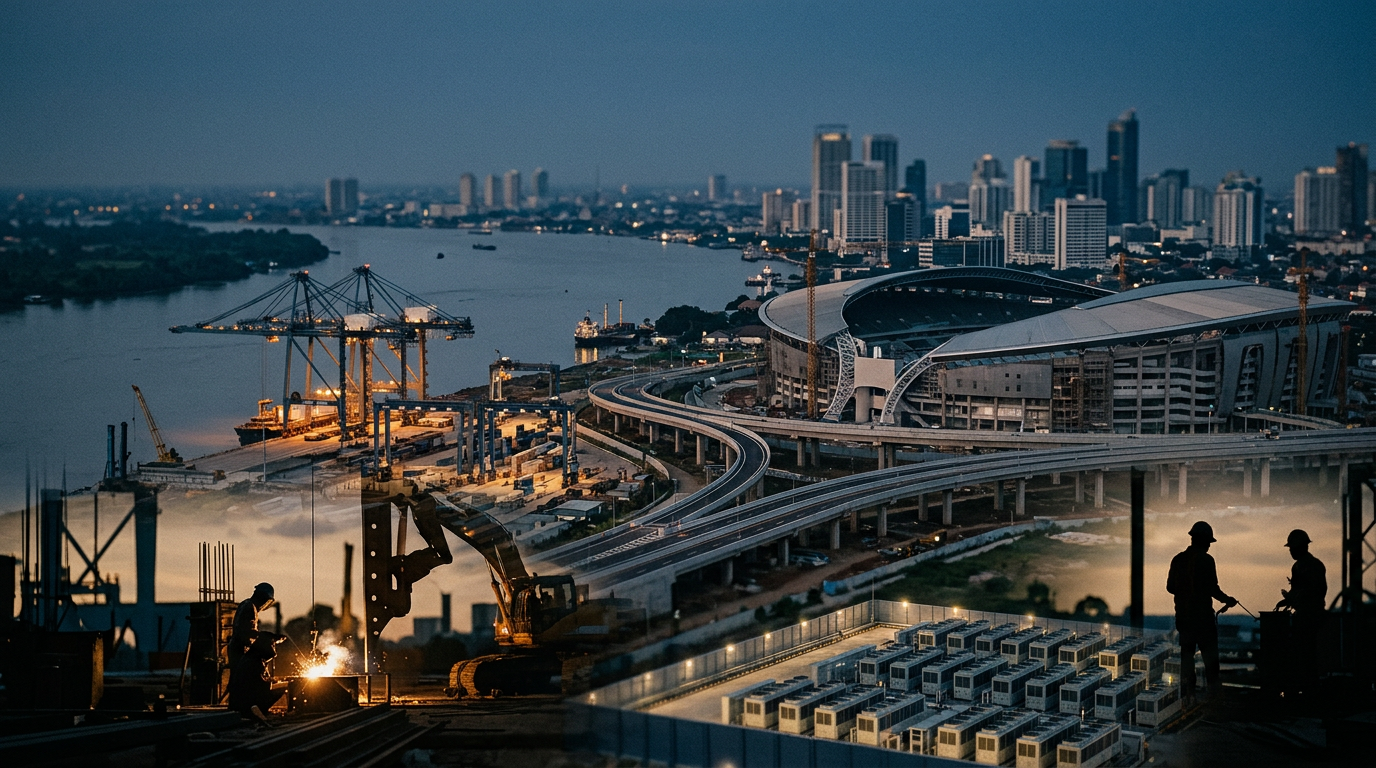
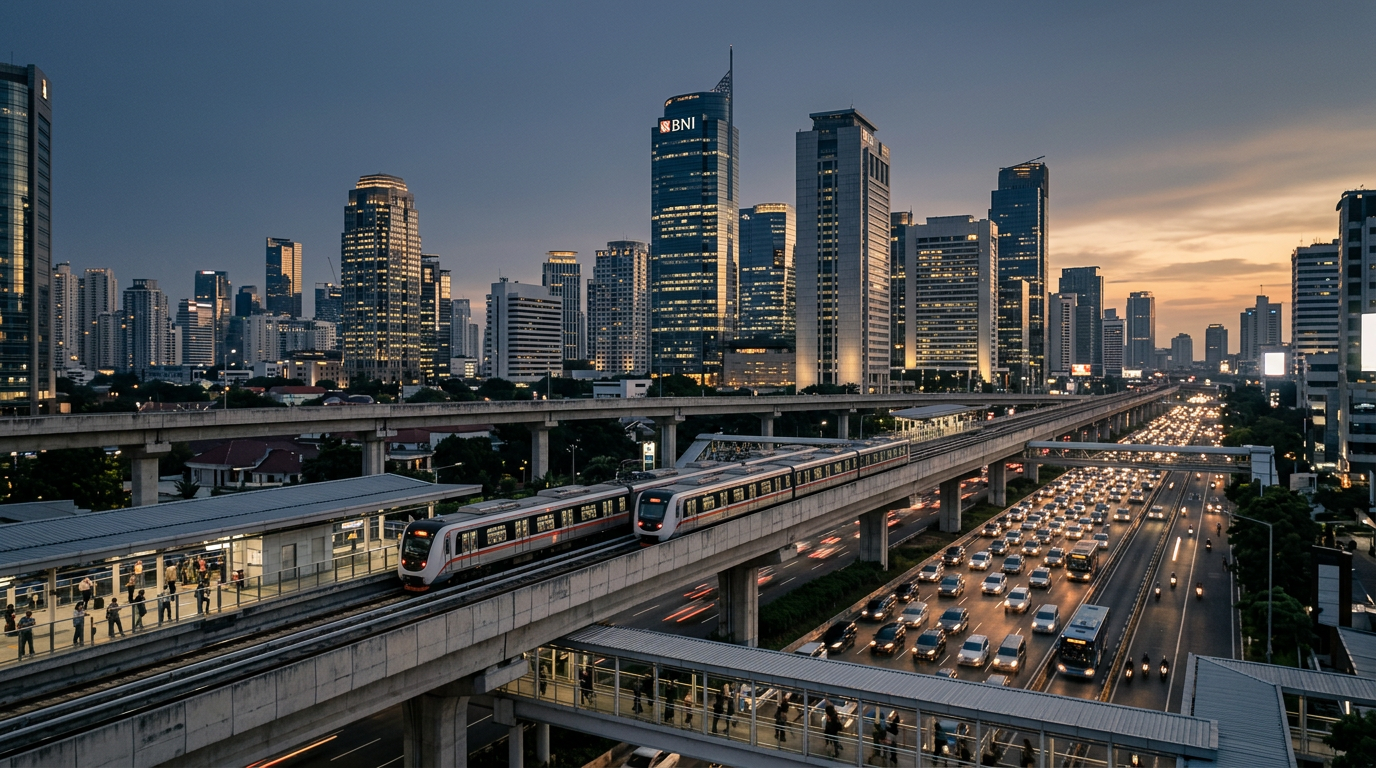
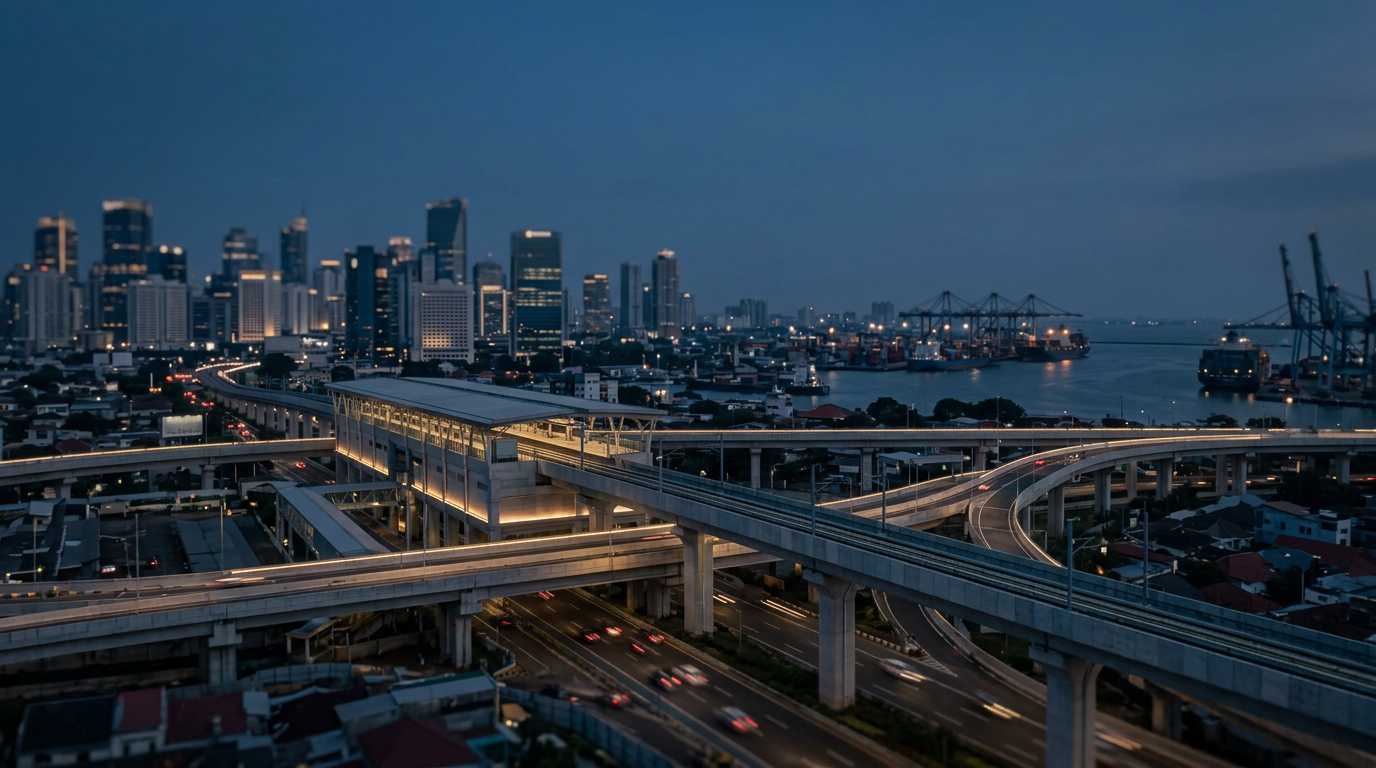
Public infrastructure is the physical backbone of this regional undertaking. Airports, roads, public transit, and digital networks in the host cities are all under a microscope. The tournament will stress test these systems, revealing both their strengths and weaknesses. The focus, for observers of ASEAN's development, is less on the ribbon-cutting ceremonies and more on the actual performance of these assets under pressure.
"ASEAN Rising" notes that "Infrastructure that arrives on time signals more than infrastructure that is merely announced." The capacity to not just plan but to build and maintain high-quality infrastructure is a clear measure of a government's effectiveness. The fan experience, from landing at the airport to reaching the stadium, is a direct reflection of years of investment and planning. For the ASEAN bloc, demonstrating this capacity is essential for attracting the long-term capital needed for future development projects. The performance of the physical and digital infrastructure during the tournament will send a clear signal to the world about the region's readiness for the next stage of economic growth.
The Signal to Capital
The FIFA ASEAN Cup is a commercial as well as a sporting event. The flow of sponsorship money, broadcasting rights, and tourist spending provides a near-term economic injection. However, the more significant economic prize is the long-term impact on investor perception. A well-organized tournament can change how global capital views ASEAN, showcasing it as a coherent and dependable investment destination rather than a collection of disparate markets.
The reliability demonstrated by successfully hosting the cup can lower the perceived risk for investors looking at opportunities in the region. It suggests that the institutional and physical infrastructure is robust enough to support large-scale foreign direct investment. This is particularly relevant for capital-intensive industries like advanced manufacturing, renewable energy, and data centers, all of which depend on predictable governance and high-quality infrastructure. In this sense, the tournament's legacy will be measured not just in trophies or ticket sales, but in the flow of capital in the years that follow.
What to watch
Beyond the final scores, observers should monitor metrics related to the operational execution of the tournament. Pay attention to reports on cross-border travel times, the efficiency of stadium logistics, and the reliability of digital connectivity for media and fans. Any major disruptions or, conversely, a pattern of smooth operations will offer insight into the current state of ASEAN's institutional and infrastructural maturity. The results will influence investor confidence and provide a practical benchmark for the region's capacity to deliver on its ambitious economic agenda.