Changi, Jakarta, and the Quiet Problem of State Capacity
A recent volcanic eruption grounded flights between Singapore and Jakarta, creating travel chaos. This incident reveals a deeper truth about ASEAN infrastructure and the hidden friction of institutional capacity.
A recent volcanic ash cloud from an eruption grounded flights between Singapore's Changi Airport and Indonesia's Soekarno-Hatta International Airport, leading to what CNA described as "travel chaos". Stranded passengers faced confusion due to conflicting information from airlines. While natural disasters are unavoidable, the response to them puts the institutional capacity of a state and its infrastructure to the test. The event highlights the friction that occurs when sophisticated physical infrastructure runs up against coordination challenges.
The Infrastructure We See, The Institutions We Don't
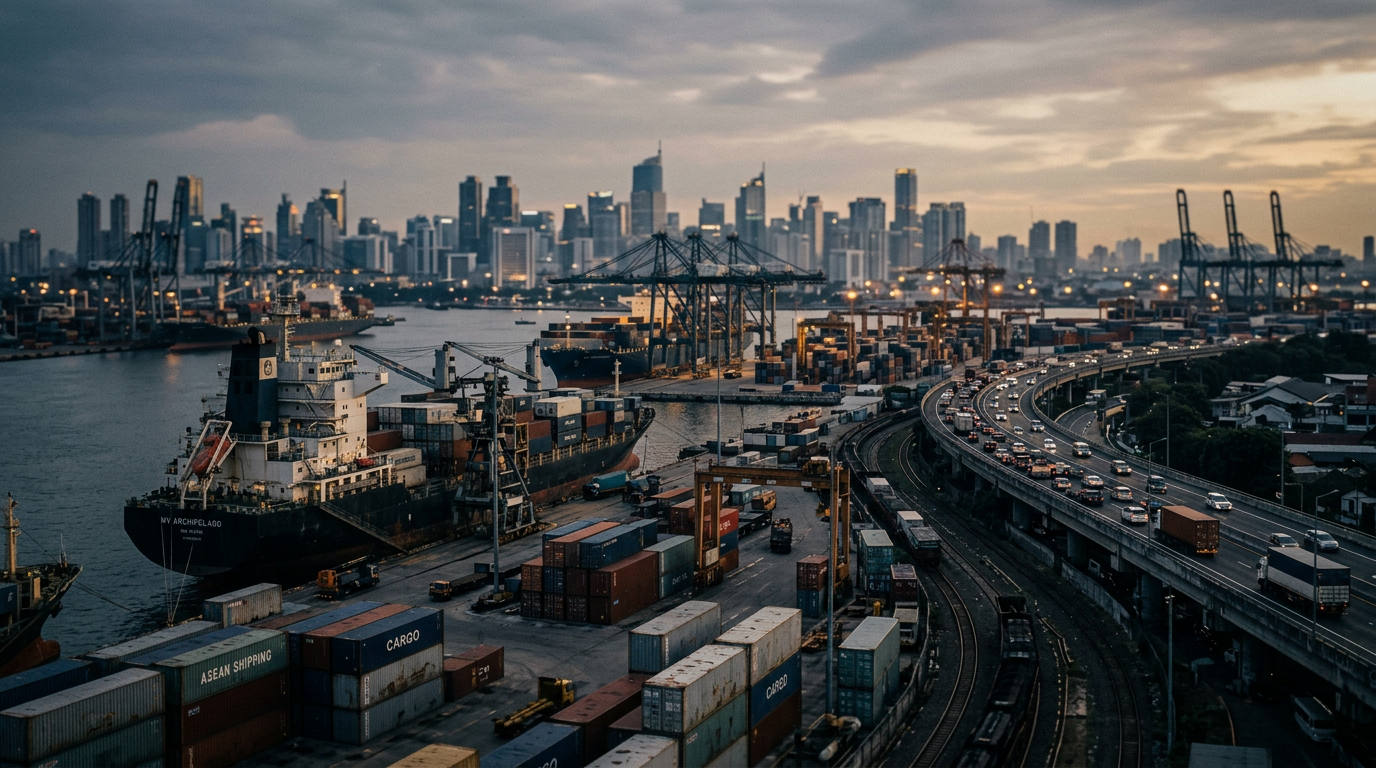
Modern ASEAN is a story of infrastructure development. Airports, ports, and high-speed rail projects are the visible markers of the region's economic ambitions. Both Changi and Soekarno-Hatta are premier aviation hubs, processing enormous volumes of passengers and cargo, and serving as critical nodes in the global logistics network. This physical infrastructure is a testament to the capital and engineering expertise that the region can mobilize.
However, infrastructure is more than just concrete and steel. Its true value is realized through the institutions that manage it. As the recent flight groundings showed, the resilience of these systems depends on clear communication protocols, standardized operating procedures, and effective coordination between multiple public and private entities, including airport authorities, airlines, and meteorological agencies. When these institutional elements are not perfectly synchronized, friction is the result. Passengers are left stranded, supply chains are disrupted, and economic costs mount quickly. The incident serves as a reminder that the software of governance is just as important as the hardware of infrastructure.
From Exciting to Usable
The appeal of large-scale infrastructure projects is understandable. They are tangible symbols of progress and national pride. Yet, as the book "ASEAN Rising" notes, there is a growing recognition that reliability is a key component of national competitiveness. A state that can deliver services and manage crises predictably is often more attractive to investors and citizens than one that simply announces ambitious plans. "A usable state is often more valuable than an exciting one," and the same can be said for its infrastructure.
Building this usability requires a focus on the less glamorous aspects of state capacity. This includes investing in regulatory frameworks, training skilled personnel to manage complex systems, and fostering a culture of transparency and accountability. The smooth operation of an airport during a crisis is a direct reflection of this 'quiet' capacity. It demonstrates an ability to execute, not just to build. For passengers caught between conflicting airline updates in Singapore and Jakarta, the difference between an exciting airport and a usable one became immediately and personally apparent.
What to watch
Observe how ASEAN states and their partners invest not only in new infrastructure projects but also in the institutional architecture required to make them resilient. Pay attention to cross-border initiatives aimed at standardizing emergency responses and data sharing for aviation and logistics. The ability to manage disruptions, whether from volcanic ash or other unforeseen events, will be a defining feature of the region's most competitive economies. This is less about ribbon-cutting ceremonies and more about the steady, unglamorous work of building dependable institutions.