Indonesia
Indonesia-China Trade: A Commodity Snapshot of a Structural Reality
Indonesia's latest commodity exports to China are a small but significant indicator of a larger structural reality for ASEAN. The region's trade depth with China requires a sophisticated approach to managing dependency while preserving strategic options.
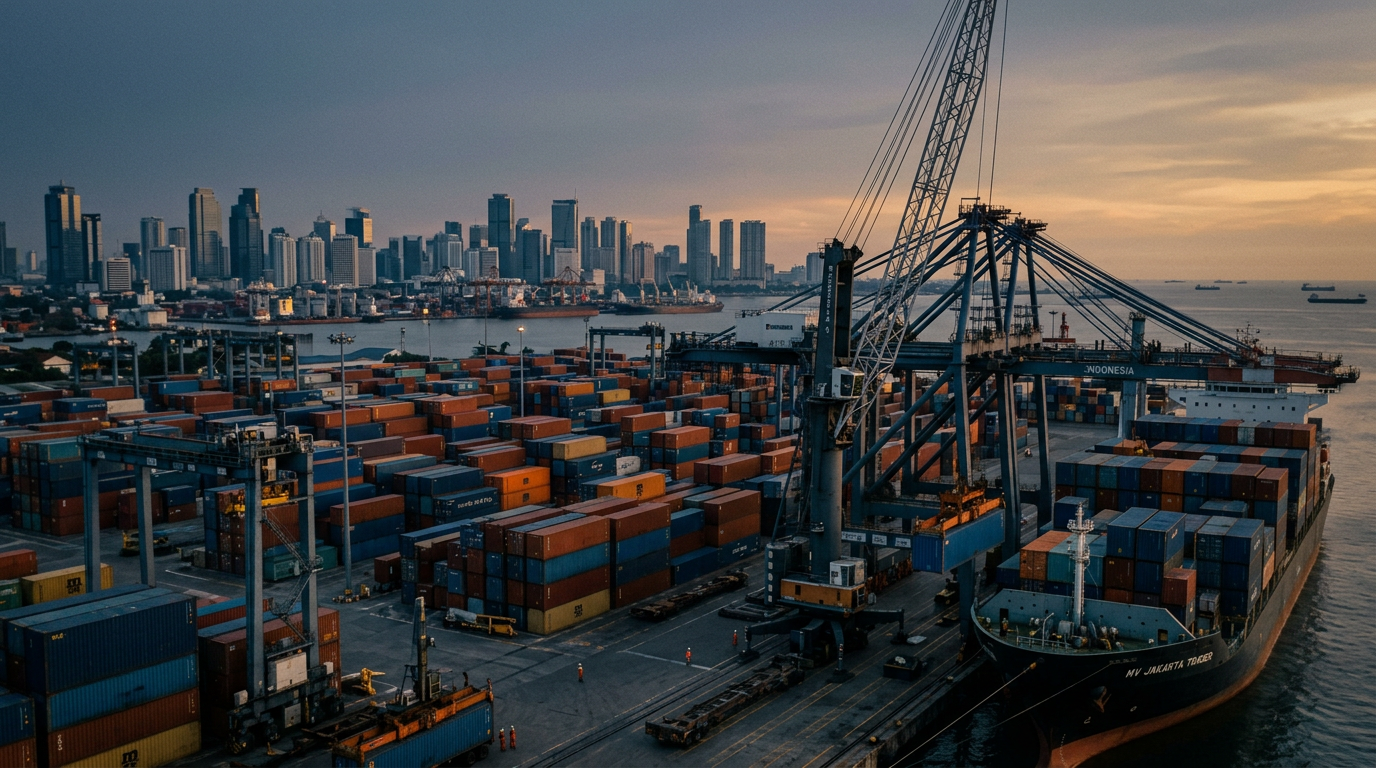
An export consignment of tropical commodities from Indonesia to China, valued at US$2.2 million, has highlighted the ongoing, deep trade relationship between the two countries. As reported by Antara News, the shipment included mangosteen, frozen cassava, and porang flour, facilitated by Indonesia's Quarantine Agency and the Banten provincial government. While a modest sum in the context of total bilateral trade, this single transaction is a useful lens through which to examine the institutional and commercial frameworks that define ASEAN's trade with China.
Institutions and Execution
The successful export of these perishable and processed agricultural goods relies on a chain of institutional trust and execution. Sanitary and phytosanitary (SPS) standards are a frequent point of friction in global trade, but in this case, coordination between Indonesia's quarantine authorities and their Chinese counterparts enabled the transaction. This reflects the mature state of institutional engagement. The ability to consistently meet the import requirements of a vast market like China is a core competency for ASEAN nations seeking to maximize their export revenues. It demonstrates a capacity to execute on the ground, turning trade agreements into tangible economic activity.
Capital and Infrastructure
Underpinning this trade is a network of capital and infrastructure. The processing of raw agricultural products like cassava and porang into frozen or flour form requires investment in industrial facilities. Furthermore, the logistics of moving these goods from producers in Banten to ports, and onward to China, depend on reliable road, port, and shipping infrastructure. While this particular shipment is small, it is part of a much larger flow of goods. Sustaining and growing this trade requires continuous investment in both the physical infrastructure of transport and the industrial base for value-added processing. For Indonesia, as for other ASEAN members, ensuring that the benefits of this trade are widely distributed involves strategic decisions about where to direct public and private capital to strengthen these supply chains.
Dependency and Optionality
This commodity trade illustrates a core theme of regional commerce. As ASEAN Rising notes, "trade depth with China is now a structural feature, not a cyclical one." The US$2.2 million shipment is a single data point in a much larger pattern of economic integration. For Indonesian producers of mangosteen or porang, the Chinese market represents a significant source of demand. The challenge for Jakarta, and for other ASEAN capitals, is to leverage this relationship for economic growth without becoming overly dependent. This means cultivating institutional expertise in trade facilitation and quality control, attracting capital to improve domestic processing and logistics, and developing a skilled workforce. By building these internal capacities, ASEAN states can enhance their value proposition to China and other trading partners, thereby preserving their strategic and economic optionality.
What to watch: Observers should monitor how ASEAN governments invest in the institutional and physical infrastructure that underpins trade with China. The focus will be on whether these investments enhance the region's own productive capacities and diversify its trade relationships, or if they primarily serve to deepen a pattern of dependency. The development of value-added processing industries for export will be a key indicator of the region's strategic direction.