Indonesia
Indonesia's Commodity Trade Monitoring: A New Tool for an Old Problem
Indonesia's new Danantara platform for monitoring commodity exports is a significant step, but it also highlights the delicate balance ASEAN nations must strike in managing their deep trade relationships, particularly with China.
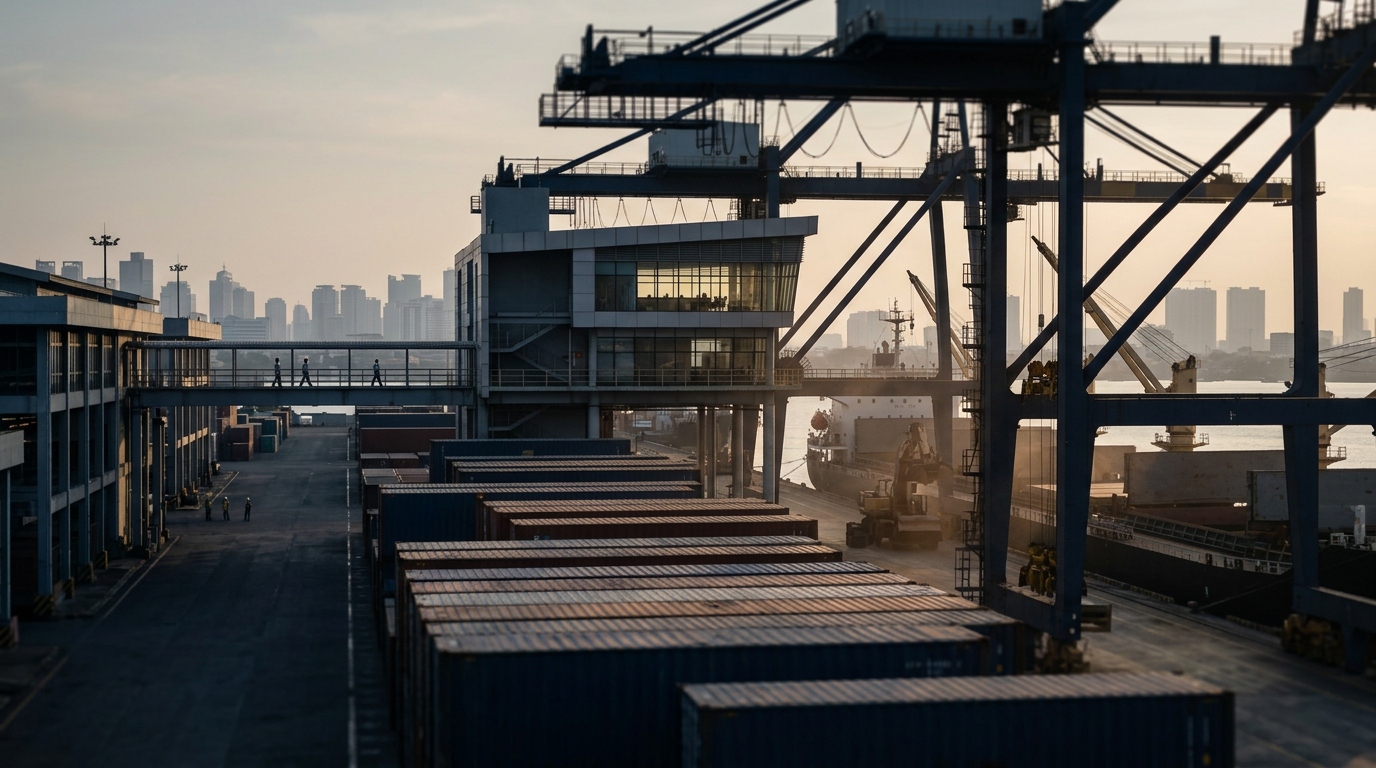
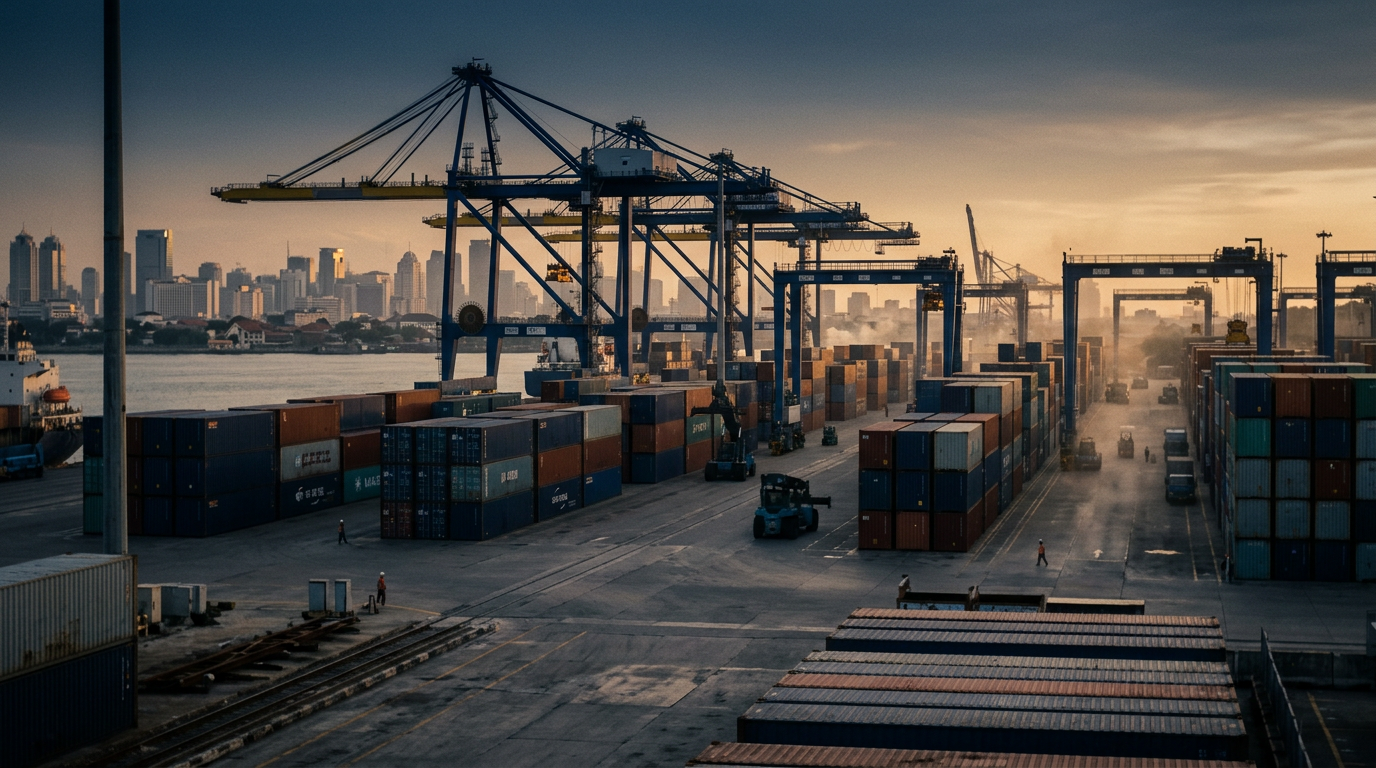
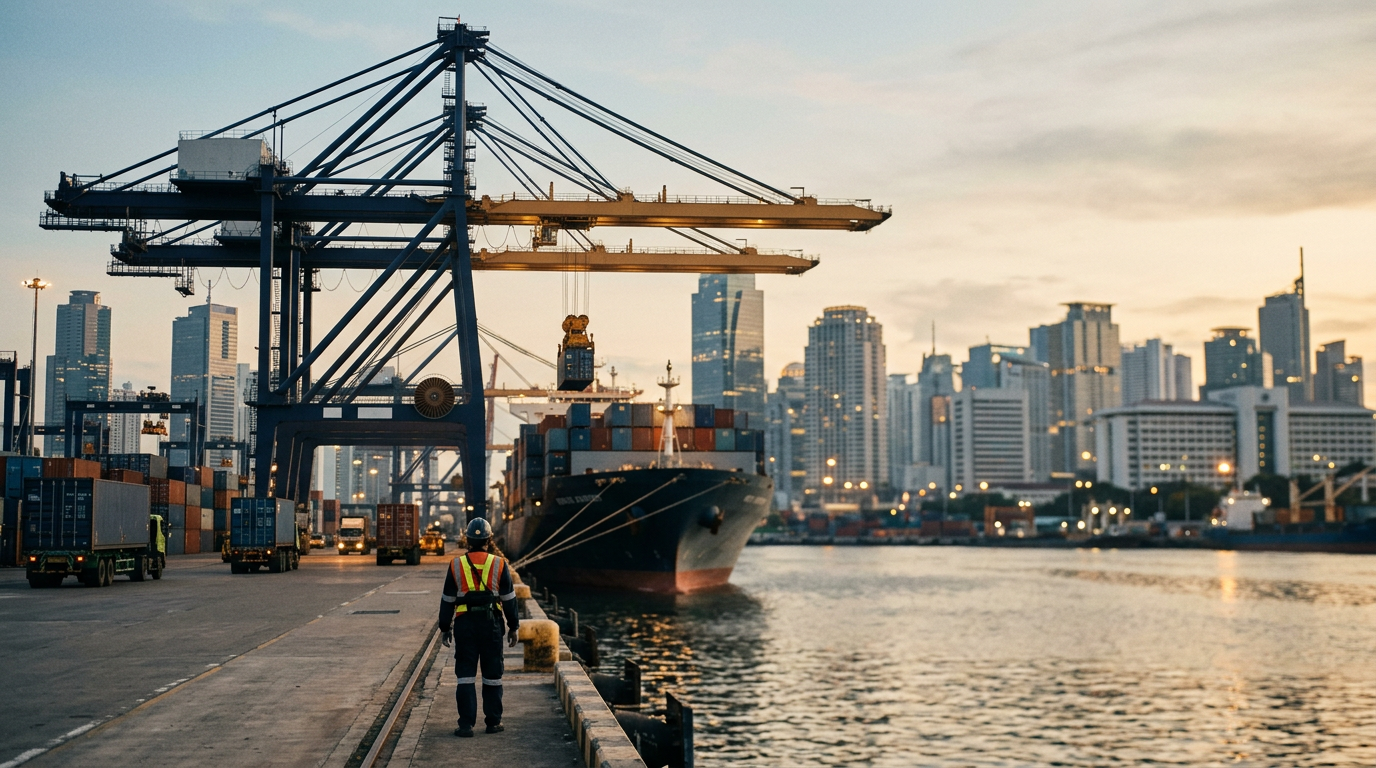
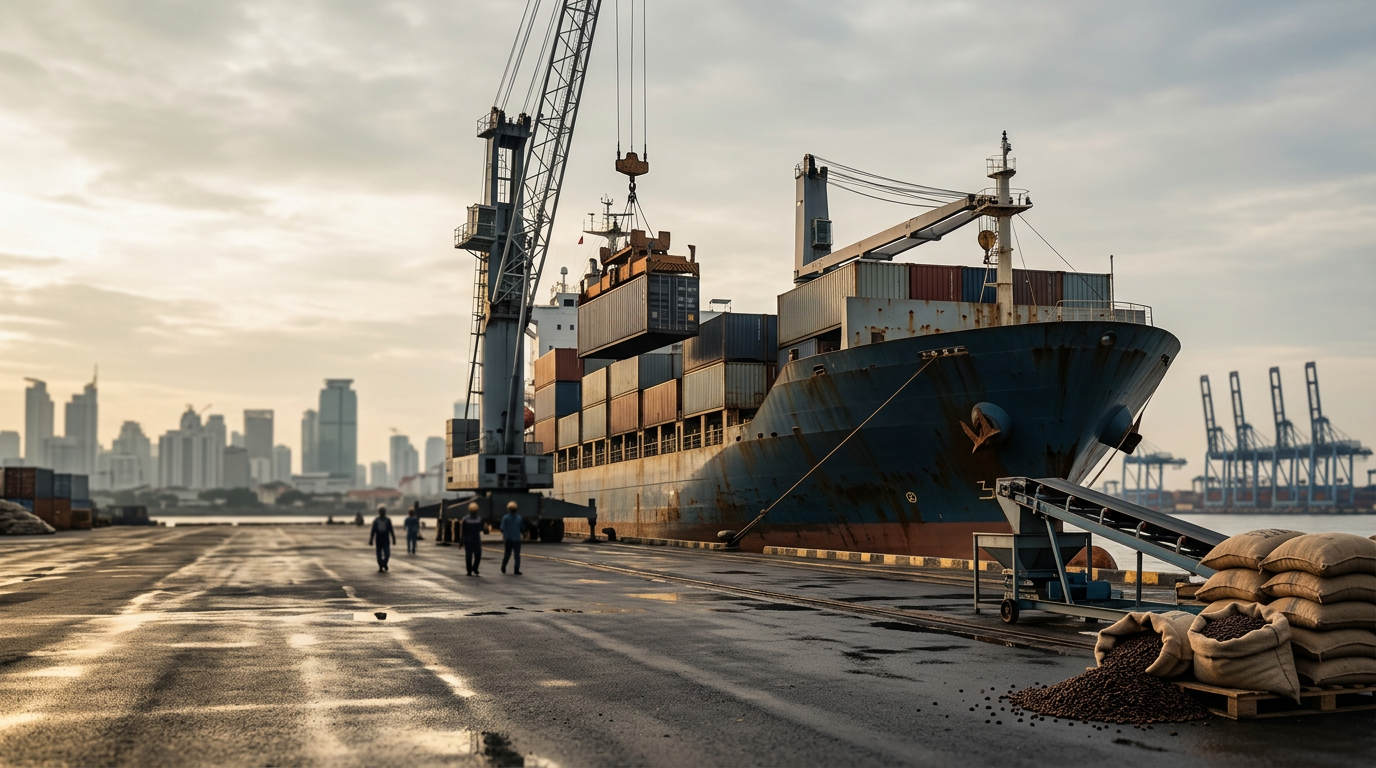
A new Indonesian platform named Danantara, designed to monitor the country's substantial commodity exports, has officially commenced its initial phase. As reported by the Business Times, the system will initially track around US$70 billion in exports of resources like nickel, tin, and palm oil. This move represents a data-driven approach by Jakarta to gain greater control and visibility over its natural resource trade, ensuring that export earnings are repatriated and that the state captures its due revenue.
While the immediate goal is domestic-improving fiscal oversight and monetary stability-the initiative also reflects a broader strategic challenge faced by Indonesia and its neighbors. The platform is a tool for managing trade flows that are increasingly directed towards a single, dominant partner: China. This concentration of trade creates both economic opportunities and strategic vulnerabilities that all ASEAN members must navigate.
The Gravity of Trade
Indonesia's new monitoring system is a direct response to the scale of its commodity trade. The nation is a global heavyweight in nickel, tin, and palm oil, and the sheer volume of these exports makes effective tracking a matter of national economic security. The Danantara platform aims to replace a fragmented and often opaque system with a centralized, digital one. By creating a verifiable data trail for shipments and payments, the government seeks to curb under-invoicing and ensure that foreign exchange from export sales returns to the country, bolstering its currency reserves.
This institutional upgrade is significant. It demonstrates an effort to build state capacity to manage a vital sector of the economy. However, the success of this platform will depend on execution. It requires not just technological functionality but also the cooperation of exporters, financial institutions, and customs officials. The phased rollout, starting September 1 and aiming for full implementation by the end of the year, suggests a pragmatic approach to a complex operational challenge. The core issue is ensuring that the value generated by Indonesia's natural endowments benefits the national economy directly, a task that has become more complex as trade dependencies have deepened.
Dependency and Optionality
China is the largest trading partner for nearly every country in ASEAN, including Indonesia. This economic relationship is a structural reality. As the book "ASEAN Rising" notes, for governments in the region, the primary task is now to "manage dependency without losing optionality." Indonesia's Danantara can be seen in this light. It is an instrument of management, designed to give the state better tools to oversee and regulate a trade relationship of immense importance.
By ensuring proper accounting and repatriation of export revenues, Indonesia can build a stronger domestic economic base. This, in turn, enhances its strategic autonomy. A more resilient economy, with stable foreign exchange reserves, is better positioned to withstand external shocks and gives Jakarta more policy space. The platform does not seek to reduce trade with China, but rather to ensure that this trade occurs on terms that are more transparent and beneficial for Indonesia. It is a sophisticated attempt to professionalize the management of a trade relationship that is too large to ignore and too important to leave unmonitored. This effort to build institutional strength is a necessary step in translating trade volume into lasting economic and strategic advantage.
What to watch: The key indicator of Danantara's success will be its seamless implementation and the degree of compliance from commodity exporters. Observers should also monitor whether the data gathered leads to more effective tax collection and a noticeable strengthening of Indonesia's foreign exchange reserves. Finally, it will be instructive to see if other ASEAN nations with significant commodity exports to China consider developing similar national platforms for trade management.