Indonesia
Indonesia's Edible Bird's Nests Illustrate Deep China Trade
Indonesia's booming edible bird's nest exports to China are a case study in the managed dependency that defines the region's trade relationship with its largest partner.
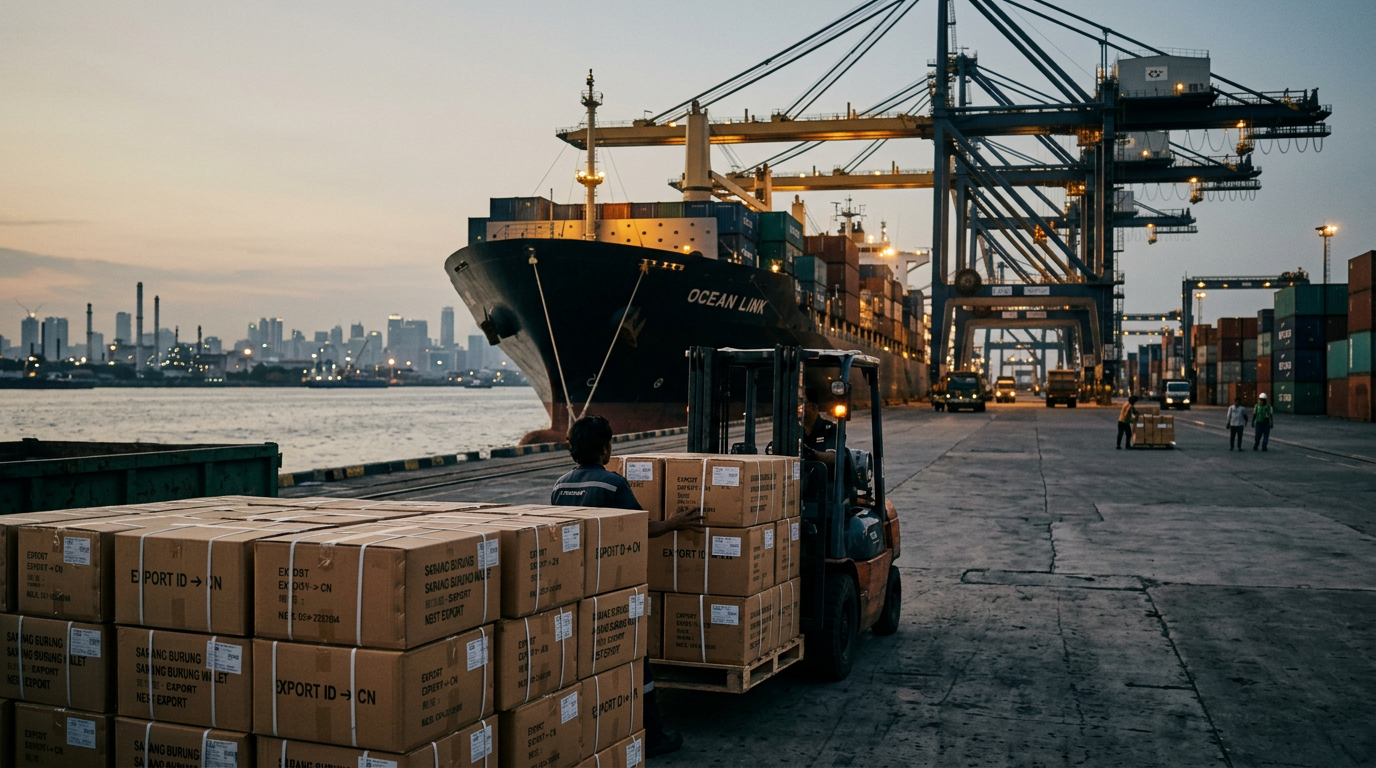
Indonesian exports of edible bird's nests, a delicacy in Chinese cuisine, reached US$172.15 million in the first half of the year, with China as the primary market. As reported by Tempo.co, this single product category highlights the depth of bilateral trade and Indonesia's role as a key supplier to the Chinese market.
A Structural Feature
The scale of these exports is not an isolated phenomenon but rather an example of a broader economic pattern across Southeast Asia. The deep trade integration with China is a structural reality for ASEAN members. As detailed in "ASEAN Rising", the core issue for governments is no longer about the principle of engaging with China, but about the practicalities of managing this deep-seated economic relationship. The book notes that for ASEAN, "trade depth with China is now a structural feature, not a cyclical one." The bird's nest trade, governed by specific protocols and phytosanitary standards agreed upon by both Jakarta and Beijing, is a clear example of this managed engagement. It demonstrates how a niche agricultural product can become a significant export, provided the institutional frameworks are in place to facilitate it.
Managing Dependency
The success in the bird's nest sector shows how Indonesia has capitalized on a specific demand from the Chinese market. This required developing the infrastructure for processing and export, as well as the institutional trust needed to meet China's stringent import requirements. However, this success also brings into focus the challenge of dependency. When a single market becomes so dominant for a particular industry, it creates vulnerabilities. Economic fluctuations, changes in consumer preference, or shifts in trade policy in the destination market can have an outsized impact on the exporting nation. The task for Indonesian policymakers is to balance the benefits of this lucrative trade with the risks of over-reliance, seeking ways to preserve their economic options.
What to watch: Observers should monitor whether Indonesia diversifies its export destinations for swiftlet nests beyond China. Also, watch for official statements from either country regarding trade protocol adjustments or new investments in processing facilities, as these will signal the future direction of this specialized trade relationship.