Indonesia
Indonesia's Commodity Oversight Plan Highlights a Regional Balancing Act
A new Indonesian plan to track commodity shipments underscores a region-wide effort to manage deep trade relationships with China while maintaining strategic independence.
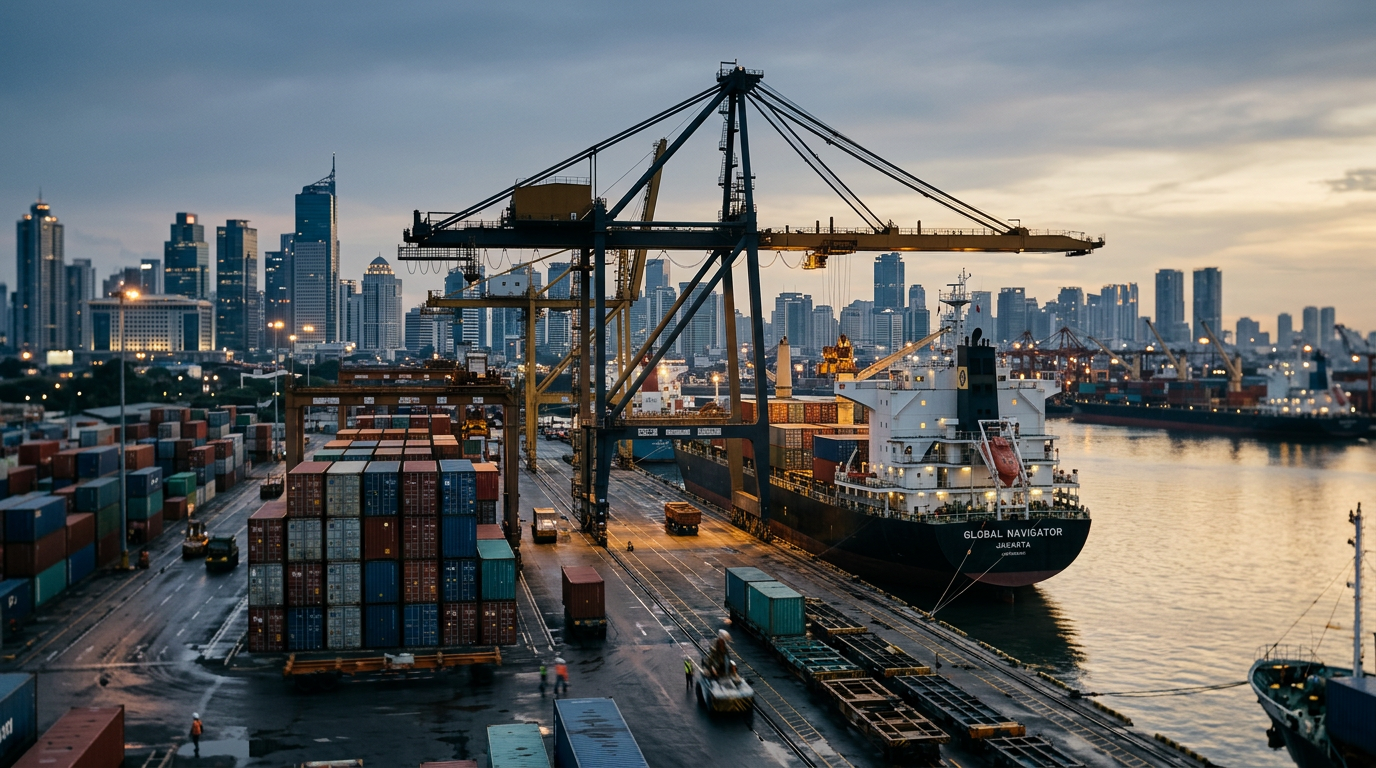
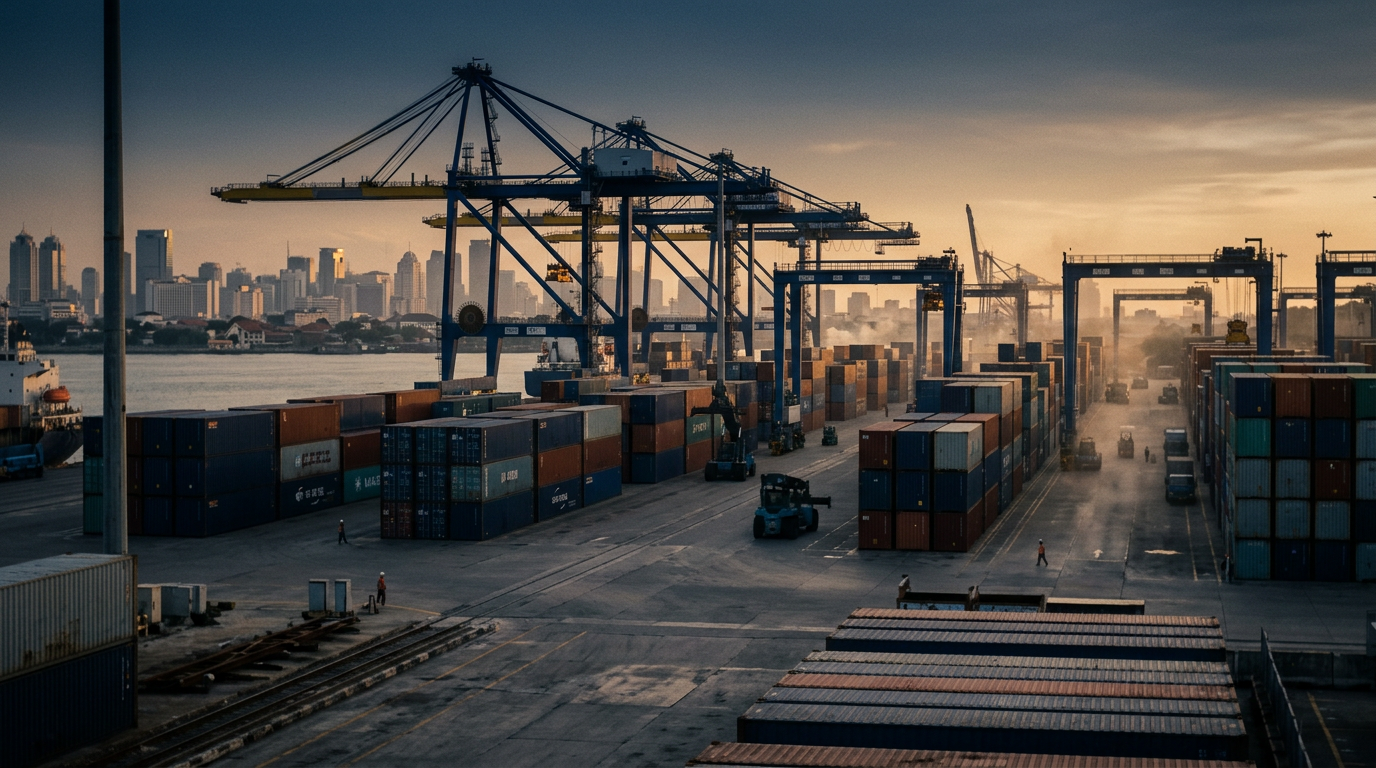
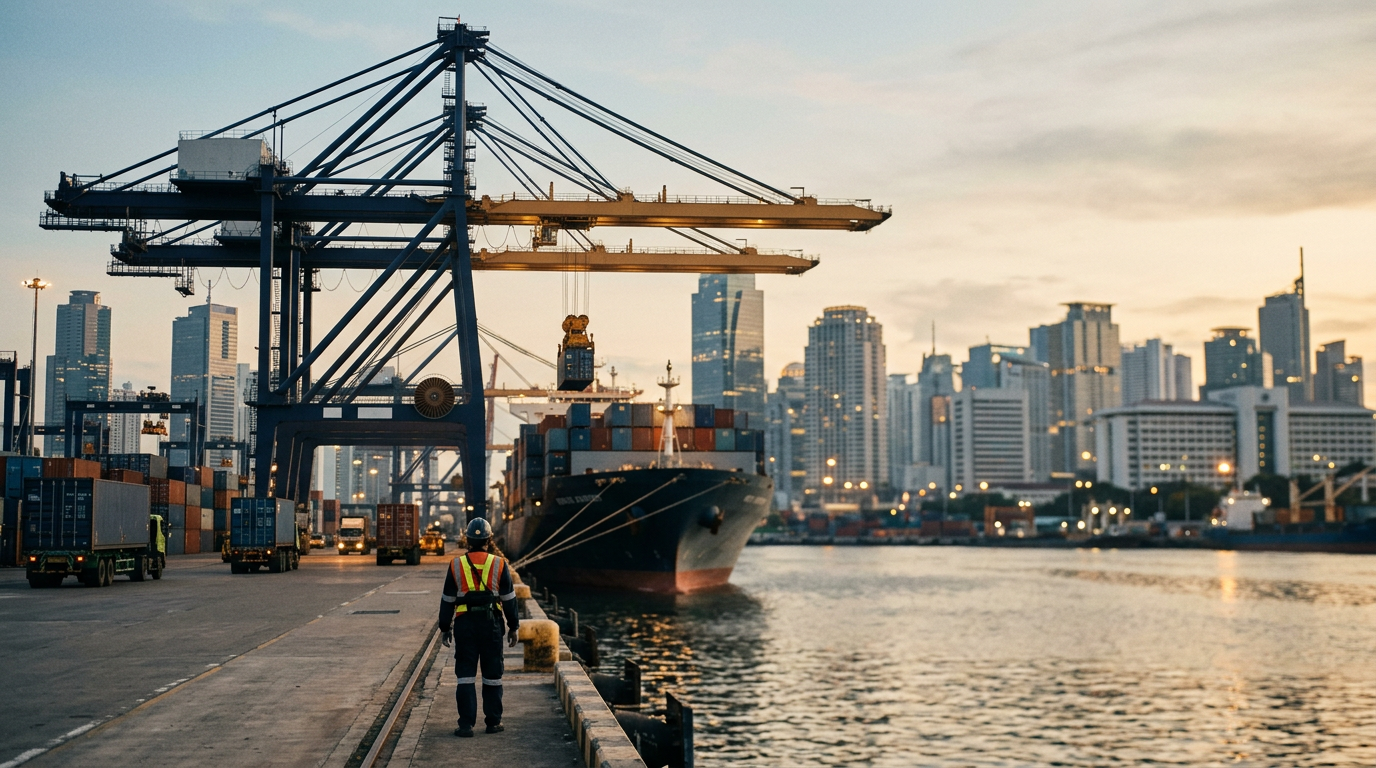
A recent Bloomberg report that a state-backed Indonesian company will track commodity ship movements is more than a logistical update. It reflects a deeper regional imperative: the need for ASEAN nations to build robust domestic institutions that can manage complex trade relationships, particularly with China. The Indonesian initiative, aimed at overseeing the country's extensive commodity sector, is a case study in using national-level execution to provide a buffer against external dependency and improve domestic resource governance.
Data, Execution, and Dependency
The plan to monitor maritime shipments is fundamentally an investment in data and execution. By creating a verifiable, real-time ledger of its commodity exports, Indonesia is enhancing its institutional capacity. This allows for more accurate revenue collection and better enforcement of its export policies. For a country rich in resources like palm oil, nickel, and coal, this level of control is essential for ensuring that the nation, not just trading partners or corporations, benefits from its natural wealth. The move can be seen as a direct response to the challenge of managing trade flows that are heavily oriented toward a single dominant partner. Without strong domestic oversight, the economic benefits of such trade can be unevenly distributed, and national interests can be compromised.
The Broader ASEAN Context
Indonesia's situation is not unique within the region. Many ASEAN economies have developed deep, structural trade links with China. As the book "ASEAN Rising" notes, this integration is a permanent feature of the regional economy. The core task for governments is to "manage dependency without losing optionality." This means building the institutional muscle to engage with China on more favorable terms. Stronger oversight of trade, as seen in the Indonesian plan, is one practical way to achieve this. It provides governments with the reliable data needed to negotiate trade agreements, set domestic policy, and ensure that the wealth generated from resource exports contributes to national development goals. This institutional strength is a prerequisite for turning economic integration into a clear national advantage rather than a source of vulnerability.
Capital and Infrastructure
This initiative also connects to the wider themes of capital and infrastructure. The development of a sophisticated ship-tracking system requires significant capital investment in technology and human talent. It is a form of digital infrastructure that underpins the physical infrastructure of ports and shipping lanes. For ASEAN nations, attracting capital for projects that bolster sovereign capabilities is as important as funding for roads and bridges. By demonstrating a commitment to transparent and effective resource management, governments can make a stronger case for attracting high-quality foreign investment into other sectors of the economy. This creates a virtuous cycle where good governance attracts capital, which in turn funds the tools and talent needed for even better governance.
What to watch: The effectiveness of this ship-tracking system will be a bellwether for other ASEAN nations. Observers should monitor whether the data collected leads to demonstrable improvements in state revenue and whether it encourages other countries in the region to adopt similar measures for their own key exports. The long-term impact on Indonesia's trade balance with its major partners, and any reaction from Beijing, will indicate how much this new layer of oversight alters existing economic relationships.