Indonesia
The FIFA ASEAN Cup Kicks Off, But What Comes After the Crowds?
The FIFA ASEAN Cup 2026 is a test of more than just athletic ability. The real measure of success is whether the public infrastructure built for the event can deliver long-term economic value.
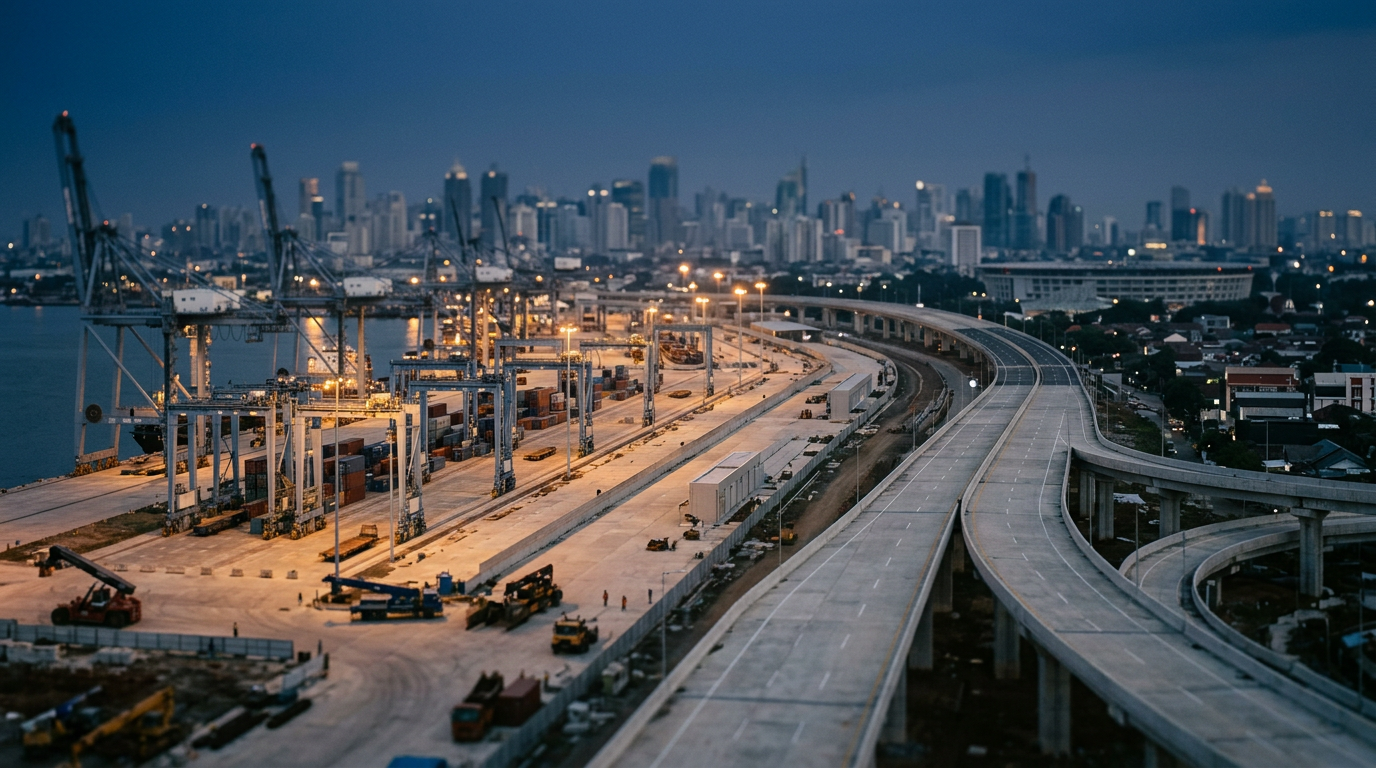
The inaugural FIFA ASEAN Cup 2026™ opened in Jakarta on September 25, a significant moment for the region's football fans and a milestone in cooperation between ASEAN and FIFA. While the tournament brings excitement, it also directs attention to the institutional capacity required to execute such a large-scale event and the long-term value of the infrastructure investments involved.
From Stadiums to State Capacity
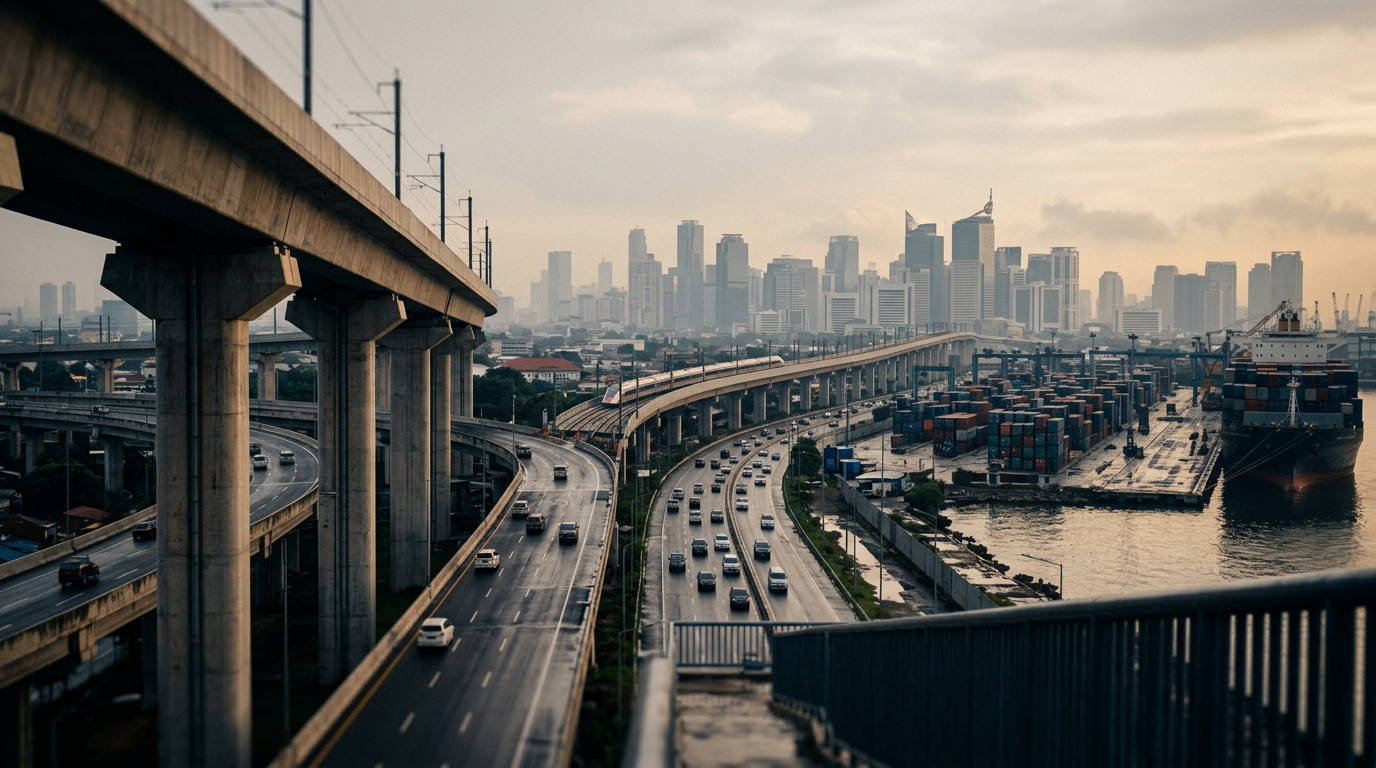
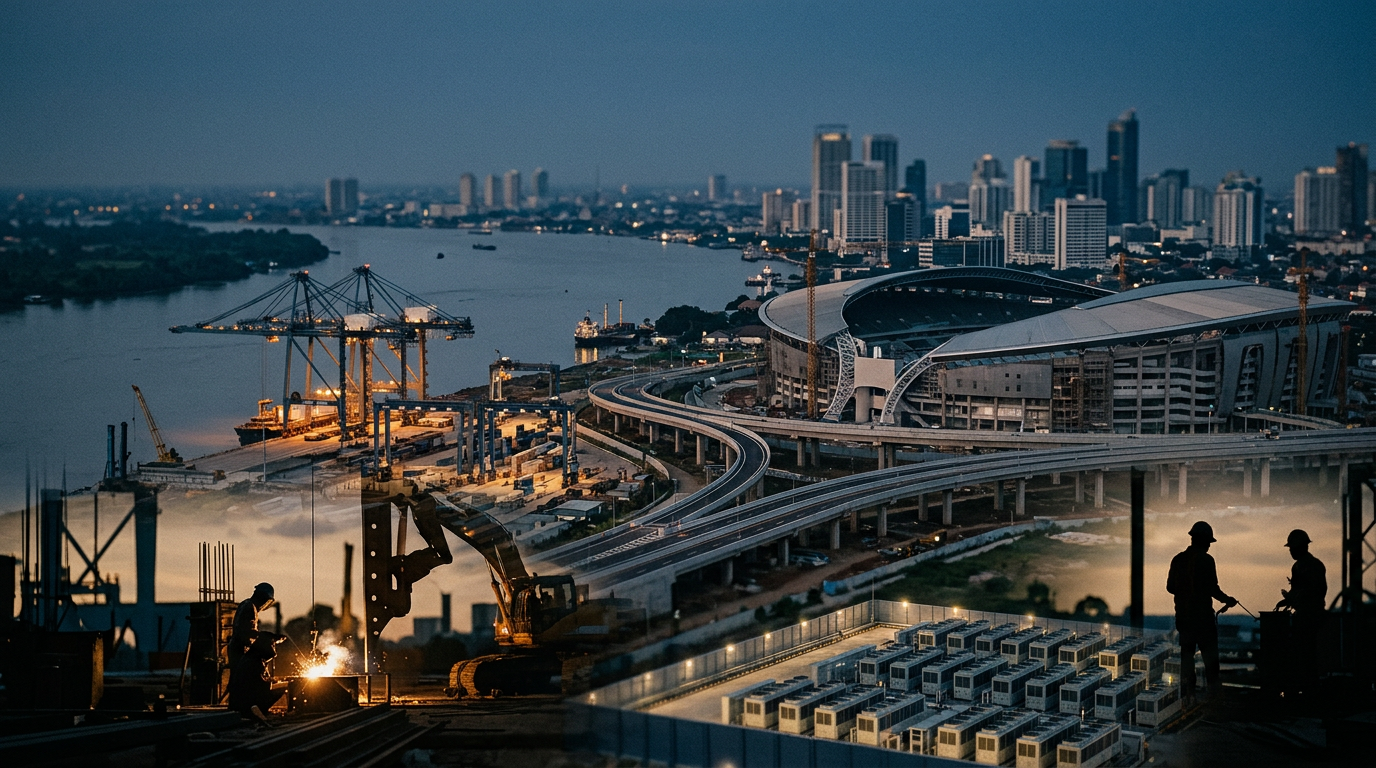
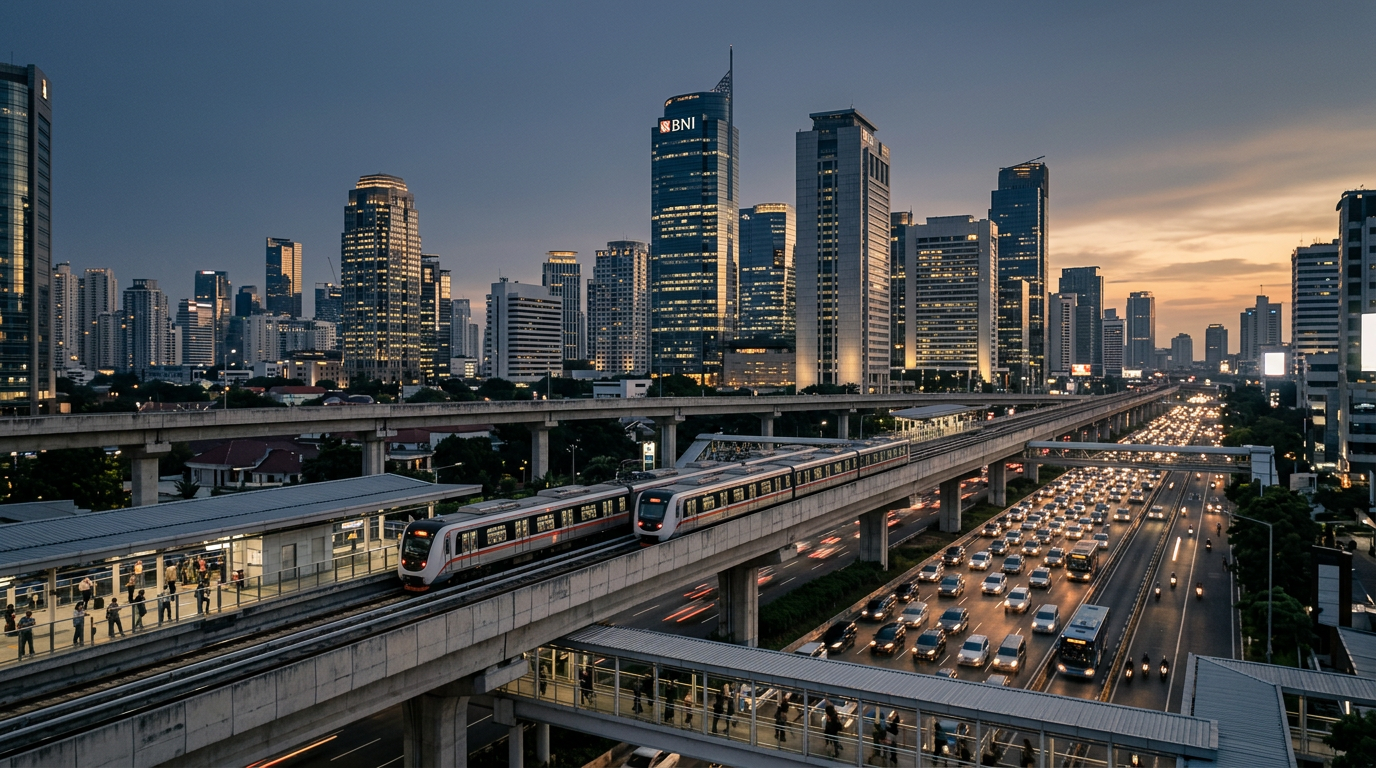
Major sporting events are often catalysts for infrastructure development. Host nations build stadiums, upgrade transportation networks, and expand hospitality facilities. The FIFA ASEAN Cup is no exception, with significant capital allocated to preparing venues like Jakarta's Gelora Bung Karno Stadium. However, the true test of these investments is not their utility during the tournament, but their contribution to the economy after the fans have gone home.
The book ASEAN Rising notes that "infrastructure that arrives on time signals more than infrastructure that is merely announced." The successful opening of the tournament is a positive signal of Indonesia's and ASEAN's ability to deliver complex projects. This execution is a demonstration of state capacity. The challenge is to convert these short-term assets into sources of sustained economic activity. A stadium that sits empty is a liability, while one that is integrated into the city's economic and social life is an asset. This requires planning, management, and a regulatory environment that encourages use.
The Economics of a Mega-Event
Hosting a major tournament is an expensive undertaking. The returns on this investment are measured in more than just ticket sales and tourism receipts. The legacy of the event is tied to the usability of the infrastructure it leaves behind. Well-planned projects can reduce transportation friction, increase public space, and provide venues for a variety of commercial and community activities for years to come.
This is where institutional reliability becomes a core component of economic advantage. Governments and their private sector partners must not only build the physical assets but also establish the frameworks to manage them effectively. This includes everything from maintenance schedules to event-booking systems and marketing. The goal is to avoid the fate of many former Olympic and World Cup venues around the world that have fallen into disuse and disrepair. The long-term economic value of the FIFA ASEAN Cup will depend on the host institutions' ability to repurpose and monetize the new infrastructure.
Talent and Trust
The smooth execution of the tournament also depends on a vast pool of talent, from construction workers and engineers to event managers and security personnel. Coordinating this workforce is a significant institutional undertaking. Successfully doing so builds trust among citizens, investors, and international partners. It signals that the government can manage complex, multi-stakeholder projects.
For ASEAN, the tournament is a showcase of regional cooperation. The event's success reflects not just on the host nations but on the bloc as a whole. It demonstrates a collective capacity to organize and execute on a global stage. The enduring legacy, however, will be written in how the physical infrastructure is integrated into the regional economy. The tangible assets are a means to an end: facilitating commerce, connecting communities, and reducing the daily costs of friction for people and businesses.
What to watch
Beyond the final whistle, the critical measure of success for the FIFA ASEAN Cup will be the usage rates of the newly built and upgraded infrastructure in the months and years ahead. Observers should watch how host cities and national authorities manage the transition of these event-specific assets into productive, long-term components of the urban economy. The ability to convert the spectacle into sustained value will be the ultimate testament to the institutional capacity and planning that went into the tournament.