Indonesia
Indonesia and the ASEAN Power Grid: The Price of Integration
Indonesia's delay in joining the ASEAN Power Grid highlights a core challenge for regional integration: the tension between national interests and the collective benefits of shared infrastructure. While price negotiations are the immediate cause, the situation points to deeper.
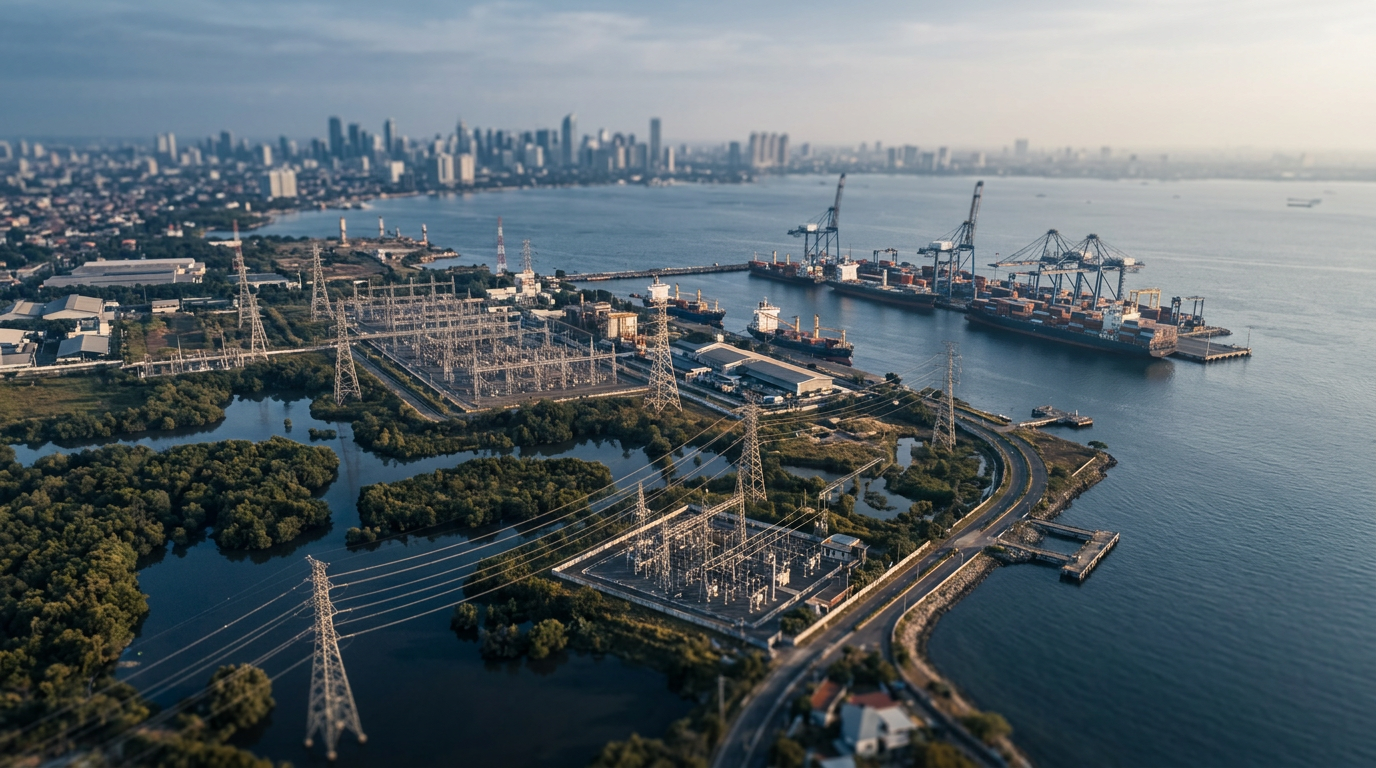
Indonesia is holding out on joining the ASEAN Power Grid due to unresolved negotiations over electricity pricing, according to reporting from Antara News. Minister of Energy and Mineral Resources Arifin Tasrif stated that the country is not yet ready to connect, as the terms of electricity trade with neighboring countries remain under discussion. This delay highlights a recurring theme in regional cooperation: the friction between national priorities and the long-term gains of integrated infrastructure.
The Grid's Promise
The ASEAN Power Grid is a long-standing initiative to create an integrated regional electricity network. The goal is to enhance energy security, enable the sharing of power resources, and support the transition to renewable energy by allowing countries with surplus clean energy to sell it to those with deficits. The project is a cornerstone of the ASEAN Vision 2020 and a practical test of the bloc's ability to execute complex, cross-border projects that require significant capital investment and policy alignment.
A fully functional grid would, in theory, lower costs for consumers, improve grid stability, and reduce the collective reliance on fossil fuels. It represents a tangible form of economic integration, moving beyond trade agreements into the physical infrastructure that underpins modern economies. However, the project's success depends entirely on the willingness of member states to cede some control and trust in a shared system.
The Cost of Friction
Indonesia's hesitation illustrates a central point from the book ASEAN Rising: the immense challenge of building and sustaining institutional trust. For a project like the ASEAN Power Grid to work, member states must have confidence in the regulatory frameworks, pricing mechanisms, and dispute-resolution processes that govern it. The current impasse over pricing is not merely a commercial disagreement; it is a sign of underdeveloped institutional machinery for managing shared resources.
The book notes that "institutional reliability has become part of comparative advantage." When agreements are predictable and rules-based, capital flows more freely and projects are completed. Indonesia, like any nation, is weighing the immediate economic impact of electricity prices against the less-tangible, long-term benefits of being part of a larger, more resilient energy system. This calculation is complicated by domestic considerations, including state-owned utility monopolies and national energy subsidies that can distort market prices.
Execution Over Announcements
The ASEAN Power Grid has been discussed for decades, and while some bilateral connections exist, the fully integrated multilateral grid remains an ambition. The current situation with Indonesia underscores the difference between announcing grand infrastructure plans and delivering them. The value of infrastructure lies not in its conception but in its execution.
Successfully integrating the grid requires more than technical and financial resources. It demands a level of political and institutional commitment that can overcome domestic pressures and national interests. Aligning ten different sets of energy policies, regulatory environments, and economic priorities is a slow, painstaking process. Each delay, whether over pricing or technical standards, adds to the cost and pushes the benefits further into the future. What to watch
Pay attention to the specific sticking points in the electricity price negotiations between Indonesia and its neighbors. The nature of the disagreement-whether it is about the base price, transmission costs, or the mechanism for future price adjustments-will reveal much about the institutional hurdles that the ASEAN Power Grid must still overcome. The resolution, or lack thereof, will be a strong indicator of the bloc's capacity to execute its most ambitious infrastructure projects and deepen economic integration beyond simple trade agreements.