Indonesia
Indonesia's Salim Group Takes Full Control of Data Center Venture, Formerly IndoKeppel
Salim Group has acquired Keppel's entire share in their joint data center venture in Indonesia, rebranding it as IndoData. This move highlights the growing competition and capital investment in Southeast Asia's digital infrastructure, particularly in emerging hubs like Indonesia.
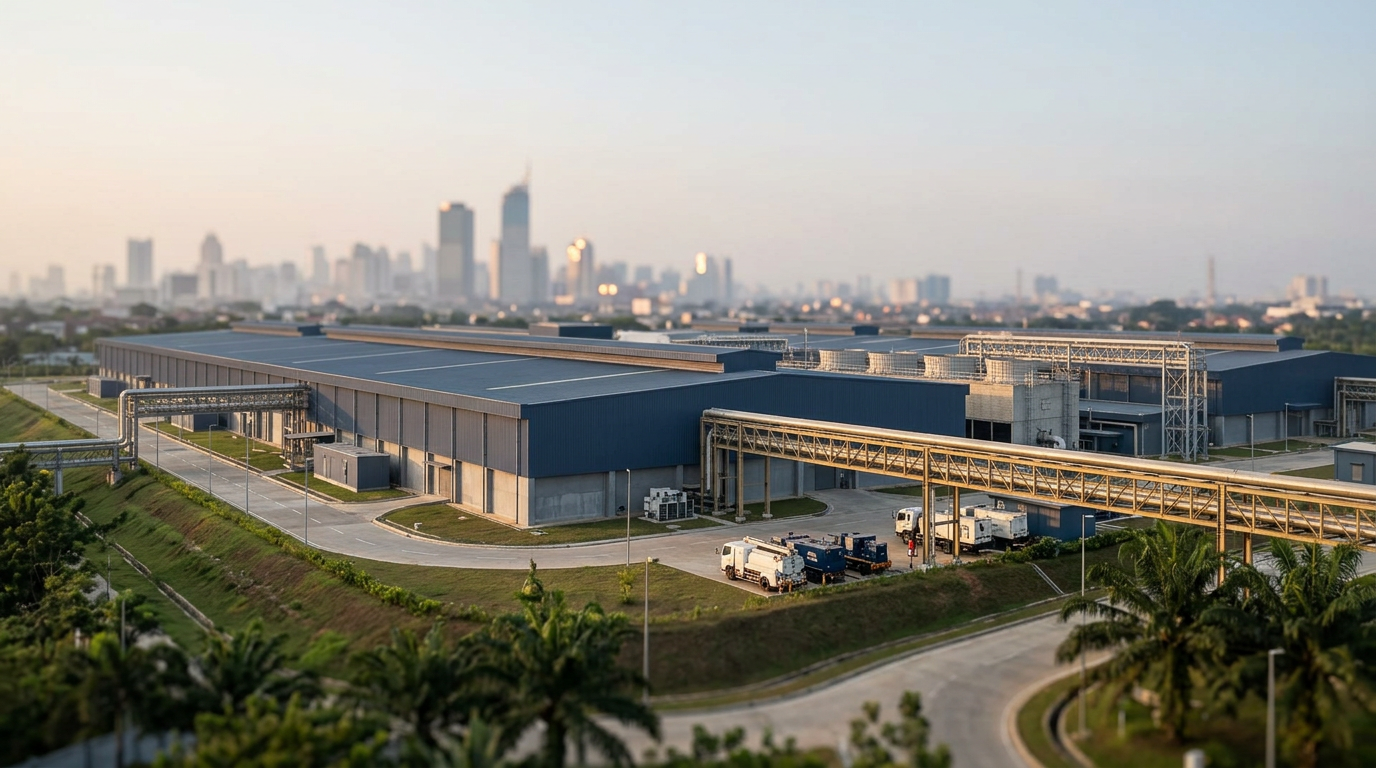
Indonesia's Salim Group has taken full ownership of its data center venture with Singapore's Keppel, acquiring the latter's stake and renaming the entity from IndoKeppel to IndoData, as reported by Data Center Dynamics. The move signals a new phase of consolidation and indigenous capital deployment in one of Southeast Asia's most promising digital infrastructure markets.
Capital and Consolidation
The buyout by Salim Group, a major Indonesian conglomerate, underscores the intense localization of capital in the region's data center sector. While foreign partners like Keppel have been instrumental in establishing initial projects and transferring operational knowledge, the long-term growth trajectory is increasingly being financed and directed by domestic giants. This allows for tighter alignment with national development priorities and a more nimble response to local market conditions. The transaction reflects a maturation of the Indonesian market, where local players now possess the financial strength and technical confidence to control these high-value assets independently.
The Infrastructure Framework
As noted in ASEAN Rising, the success of data center projects is not solely dependent on access to capital or cheap power. The book emphasizes that "capital coordination is itself an industrial input," meaning that the integration of utilities, urban planning, and digital connectivity is what ultimately attracts and sustains hyperscale investment. Singapore's success is built on this coordinated model. For Indonesia and other ASEAN nations aspiring to become data center hubs, the lesson is clear: private investment, even from well-capitalized domestic firms like Salim Group, must be met with a robust public framework. Without synchronized development of power grids, fiber optic networks, and land use, projects can falter.
Indonesia versus the Neighbors
This transaction occurs within a broader competitive context. Following Singapore