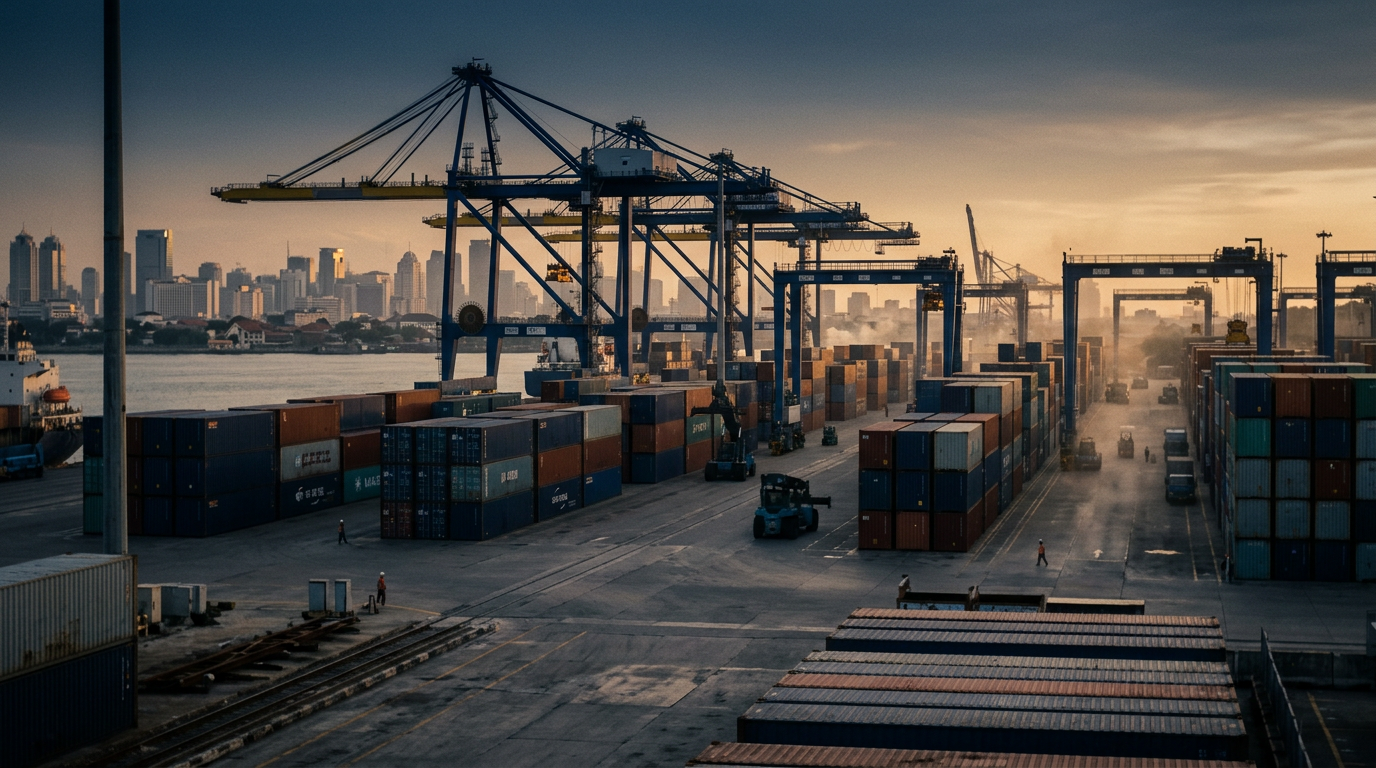
Indonesia
Indonesia, Morocco, and the Search for New Markets
Indonesia's export promotion in Morocco reflects a wider ASEAN search for new markets beyond established partners. This is not about replacing China, but about building resilience and managing dependency through strategic diversification.
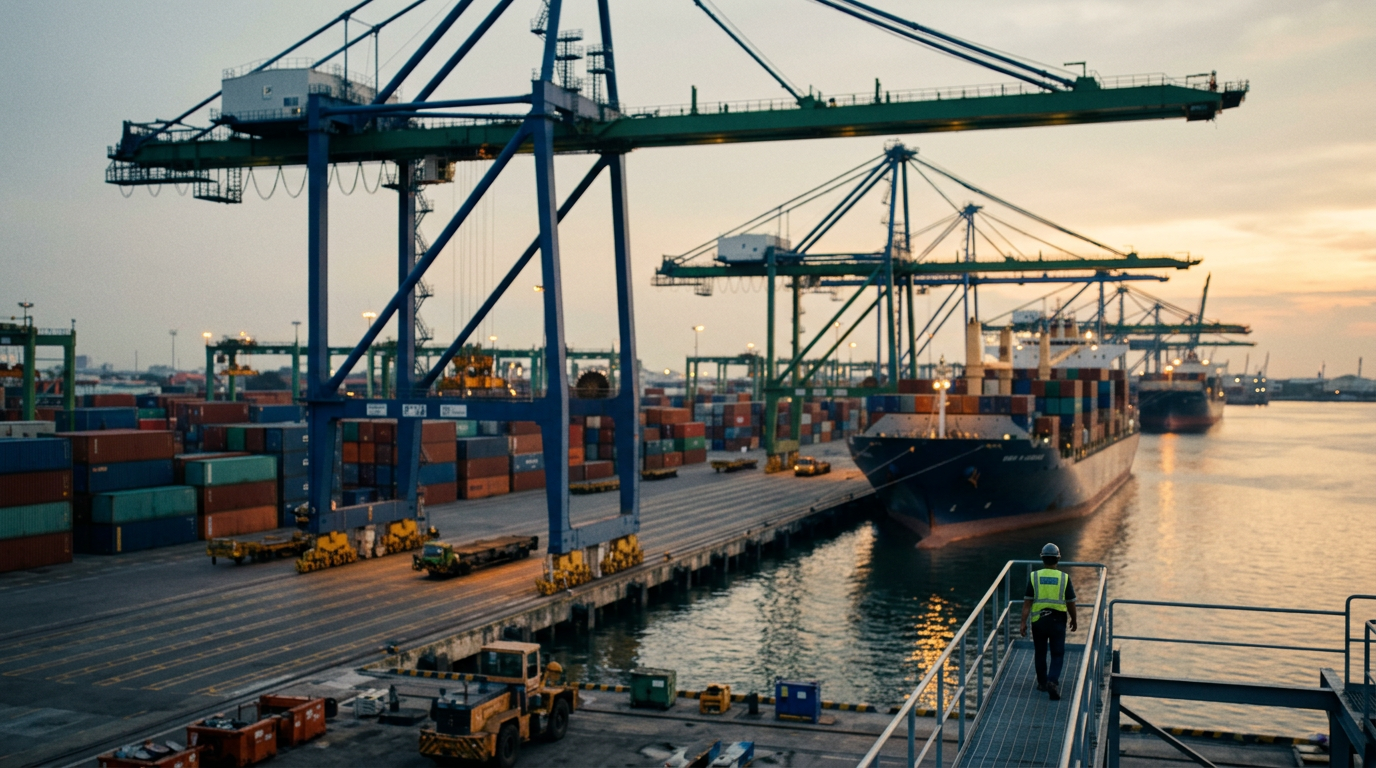
Indonesia is targeting Morocco to expand its exports, with a focus on crude palm oil and frozen shrimp, according to a recent report from Antara News. The Indonesian Deputy Minister of Trade noted the potential for these commodities in the North African market. This initiative, while specific to Indonesia, reflects a much broader theme across the Association of Southeast Asian Nations: the strategic imperative to diversify trade relationships and mitigate the risks of over-reliance on any single partner.
The China Nexus
For most of the 21st century, the primary economic story for ASEAN has been the spectacular growth of trade with China. This relationship has become a foundational element of regional prosperity, providing a massive market for ASEAN's commodity exports and a source of finished goods and investment. The scale of this integration is so profound that, as the book "ASEAN Rising" notes, "Trade depth with China is now a structural feature, not a cyclical one." Southeast Asian economies are deeply interwoven with China's, creating a reality that is not easily or desirably reversed.
The challenge this presents for governments is not one of disengagement, but of management. The economic benefits of the China relationship are immense, but they come with the inherent risk of dependency. A slowdown in the Chinese economy, shifts in its import policies, or geopolitical tensions can have an outsized impact on ASEAN members. This creates a permanent balancing act for policymakers: how to continue benefiting from the China trade while building buffers to cushion against potential shocks.
Diversification as Strategy
This is where initiatives like Indonesia's push into Morocco become significant. On the surface, the Moroccan market is minor compared to China. However, this move is not about replacing one market with another. It is about the incremental and deliberate strategy of building a more diversified portfolio of trade partners. By seeking out new destinations for its key exports, Indonesia is enhancing its economic resilience. Every new market, however small, adds a degree of optionality.
This strategy is visible across the region. Vietnam has aggressively pursued free trade agreements, including with the European Union and the United Kingdom. Malaysia has been a strong proponent of the Comprehensive and Progressive Agreement for Trans-Pacific Partnership (CPTPP). Singapore continues to expand its global trade and investment links. These efforts are not aimed at undermining the relationship with China, but at complementing it. They are a form of self-insurance, creating alternative pathways for growth and reducing the economy's vulnerability to the fortunes of a single, dominant partner.
Institutions and Execution
Developing new export markets requires more than just identifying an opportunity. It demands institutional capacity and effective execution. For Indonesia to succeed in Morocco, it must navigate regulatory standards, build relationships between its exporters and Moroccan importers, and establish reliable logistics and payment systems. This involves work from trade ministries, export-import banks, and industry associations.
This is the granular work of economic statecraft. It is less about high-level pronouncements and more about the difficult, detailed work of building trade infrastructure. The success of these diversification efforts across ASEAN will depend on the ability of its member states' institutions to execute these plans effectively. It requires sustained focus, investment in trade promotion, and a deep understanding of the target markets. The talent within these institutions and the trust they build with their private sectors are fundamental to turning strategic goals into commercial realities.
What to watch: The key indicator of success for this strategy will not be a decline in ASEAN-China trade, which is likely to remain robust. Instead, watch for a consistent, gradual increase in the share of ASEAN's total trade with countries and regions outside of its traditional major partners. Monitor the progress of bilateral and multilateral trade agreements being pursued by ASEAN members and the tangible export growth to these new markets in the years that follow. This will signal whether the region is successfully building the economic resilience it seeks.