Indonesia
Indonesia: From FDI Pledges to Project Realities
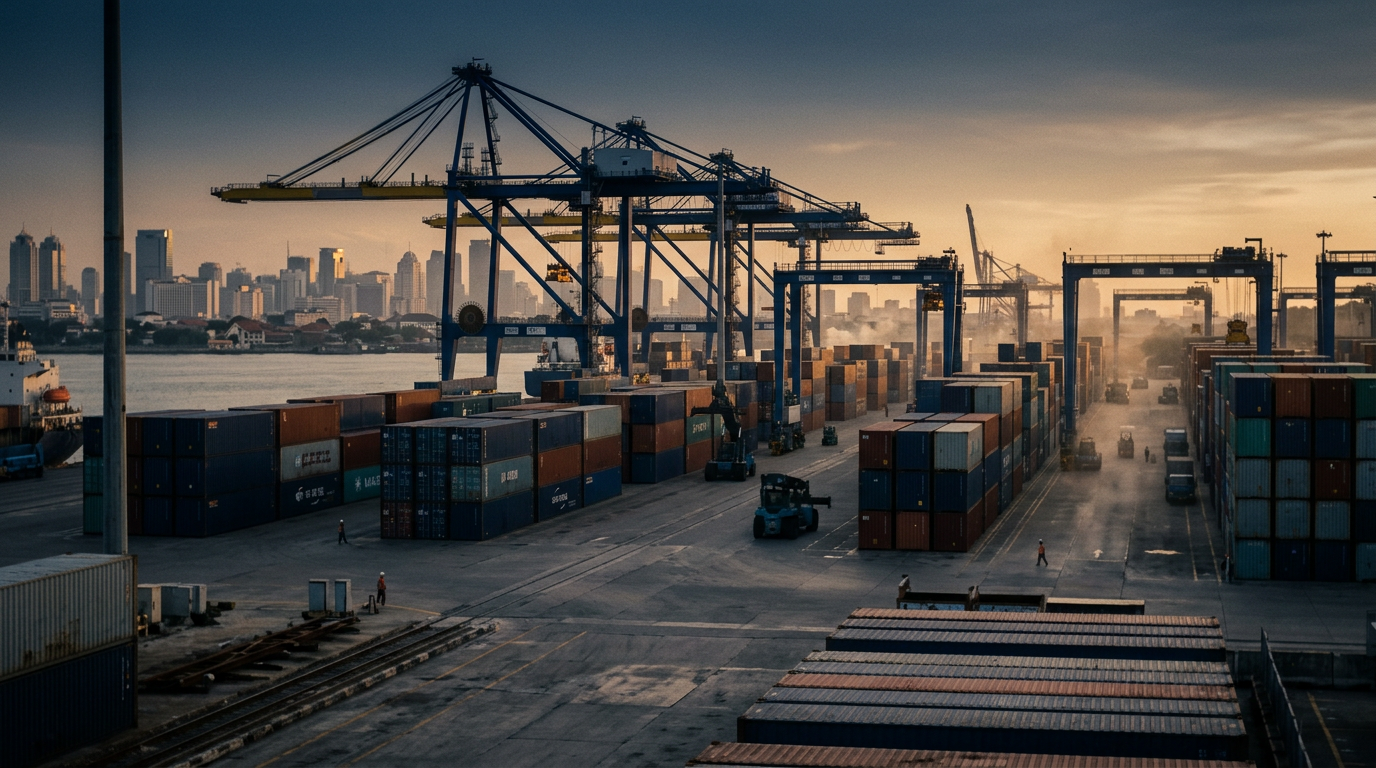
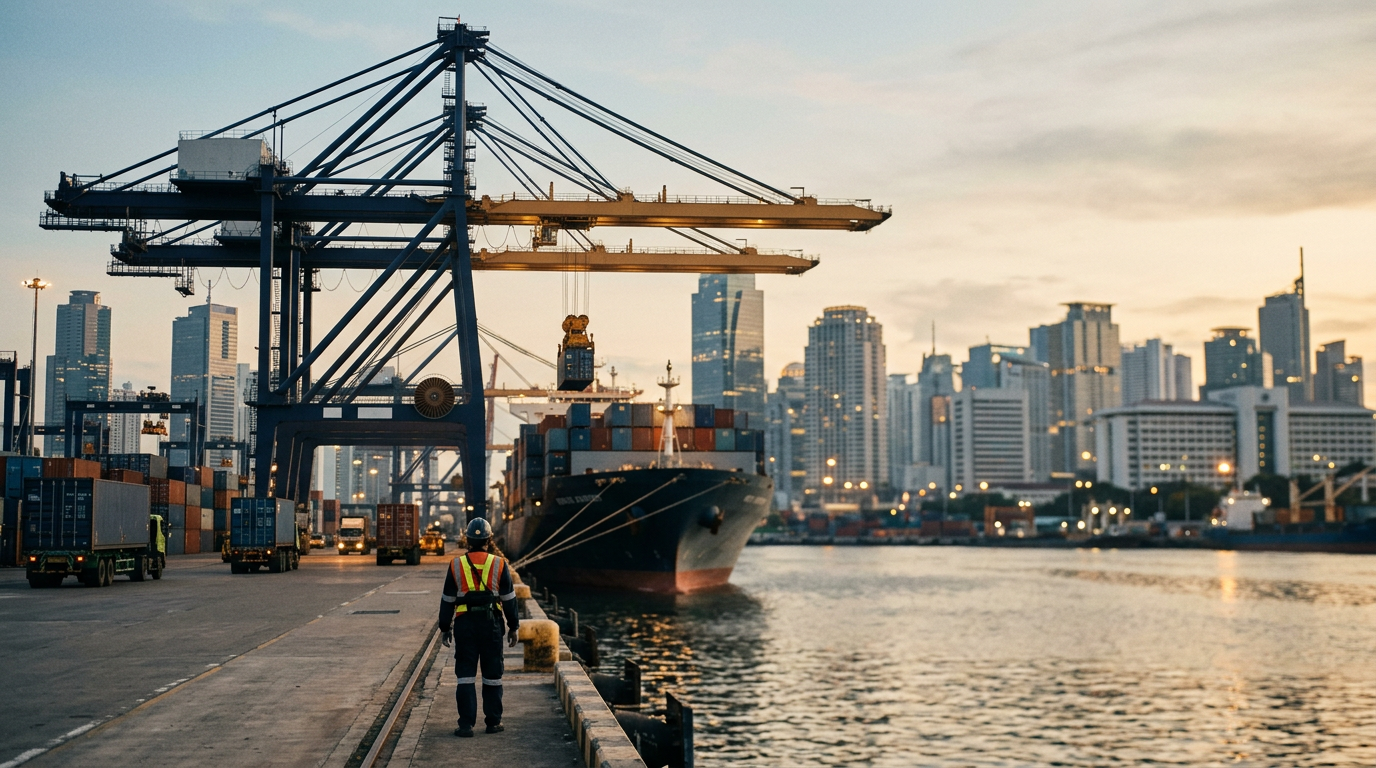
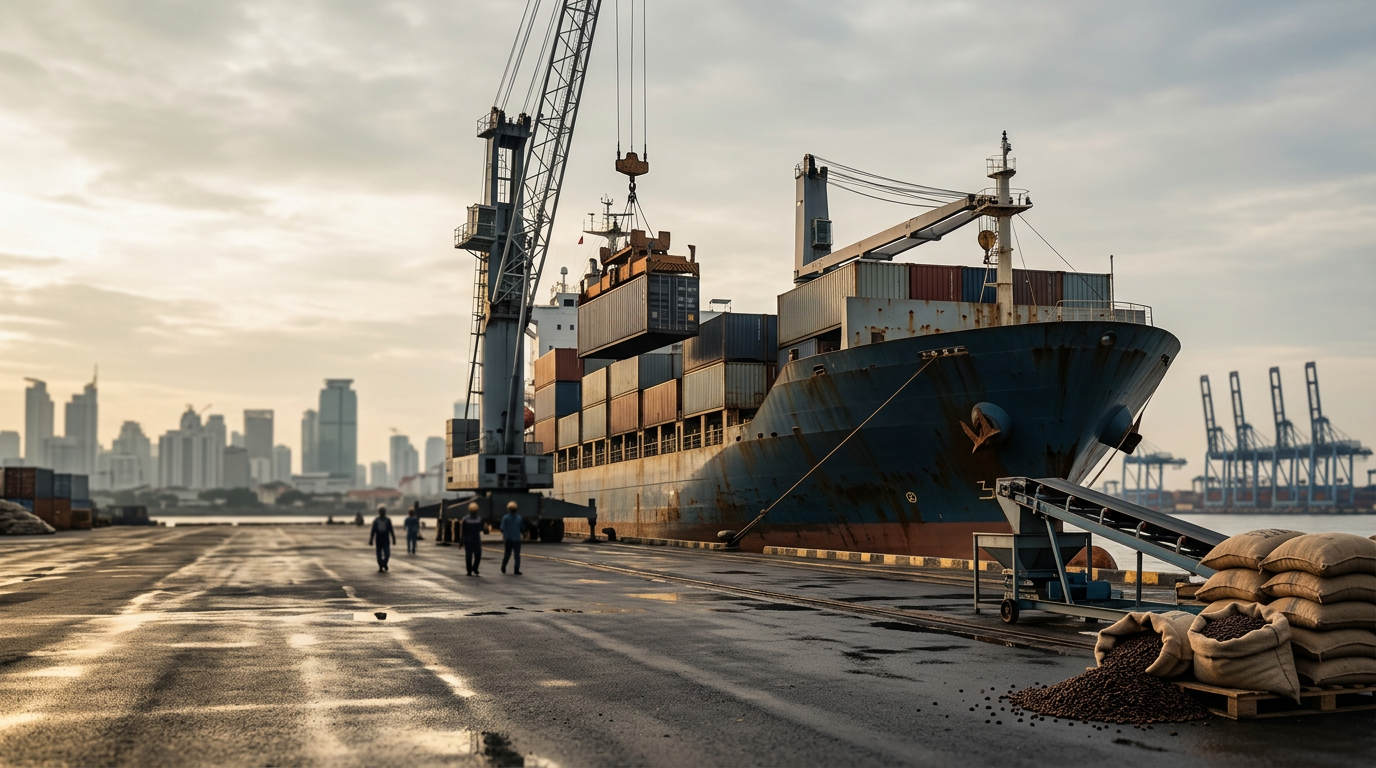
Indonesia has secured high-profile FDI pledges, yet the real test lies in converting these announcements into tangible projects. The journey from headline numbers to operational assets is a complex process of managing land, permits, power, and talent.
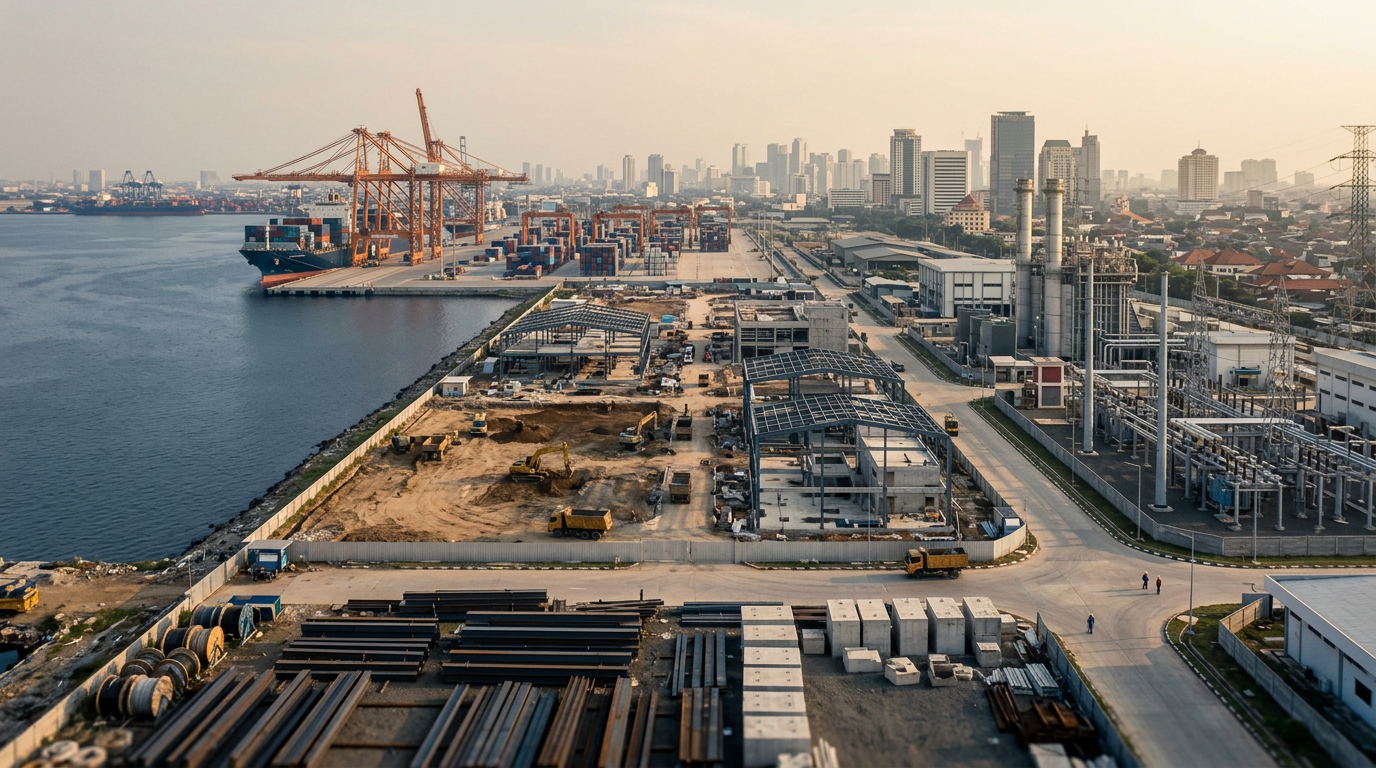
Singapore's ST Engineering recently announced a significant contract for a metro line, not in ASEAN, but in Taiwan. As reported in the Straits Times, this news serves as a reminder that the race for large-scale infrastructure investment is regional. For Indonesia, which has attracted substantial FDI commitments in recent years, the focus is shifting from announcements to execution. The journey from a memorandum of understanding to a fully operational project is a long one, testing the capacity of local institutions to deliver on national ambitions.
The Execution Gap
Indonesia has been successful in attracting high-profile investment pledges, particularly in sectors like electric vehicles and downstream mineral processing. These announcements generate positive headlines and signal confidence in the country's economic trajectory. However, as "ASEAN Rising" notes, there is a critical distinction between pledged and realized investment. "FDI announcements travel quickly. Realised flows depend on the slower work of land, permits, power and talent reaching the ground." This gap highlights the administrative and logistical hurdles that can slow or even halt a project. Successfully navigating this phase is what separates a promising announcement from a productive asset that creates jobs and drives economic growth.
Institutions as the Foundation
President Joko Widodo's administration has prioritized improving the investment climate, most notably through the Omnibus Law on Job Creation. The goal was to streamline a notoriously complex regulatory environment and centralize permitting processes. These reforms are essential for closing the execution gap. For foreign and domestic investors alike, the predictability of the regulatory framework and the efficiency of the bureaucracy are primary considerations. While Indonesia possesses the advantage of scale, the book argues that "scale matters only when institutions can turn it into investable depth." Building robust institutional capacity is the foundation for translating large-scale potential into concrete economic development, ensuring that projects do not get stalled by bureaucratic inertia or local-level disputes.
Infrastructure and Talent
Beyond regulatory approvals, large-scale projects depend on the availability of physical infrastructure and skilled labor. Reliable power grids, accessible transportation networks, and suitable land are prerequisites for any major industrial or infrastructure undertaking. The government's focus on infrastructure development over the past decade has been a direct attempt to address these foundational needs. Simultaneously, the challenge of developing a workforce with the right skills remains a persistent concern. The availability of qualified engineers, technicians, and project managers is just as important as the physical capital being deployed. Without a sufficiently deep talent pool, projects risk delays and cost overruns, undermining the initial investment case.
What to watch: Observers should monitor the ratio of realized to announced FDI in Indonesia over the next 12 to 24 months. This figure will be a key indicator of whether institutional reforms are effectively translating ambitious pledges into ground-level progress. Pay close attention to how government agencies and state-owned enterprises manage project execution in priority sectors, as their performance will be a bellwether for the broader investment landscape and the country's ability to absorb committed capital.