Indonesia
Indonesia, Malaysia, and the Politics of Export Controls
Trade policy in Southeast Asia is shifting from pure export promotion to a more managed, nationalist stance, especially in the commodity sector. This reflects a broader re-evaluation of how ASEAN nations engage with global markets and manage their natural resources for domestic.
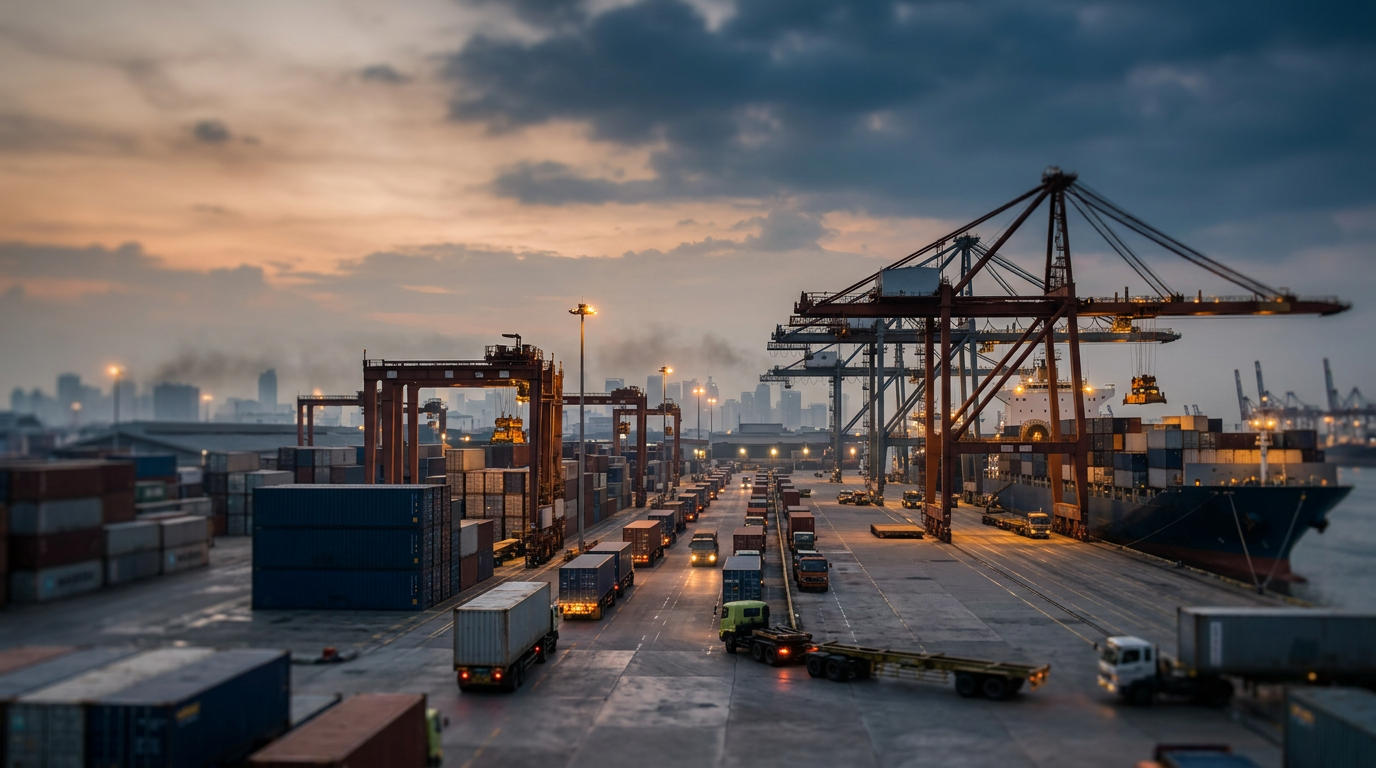
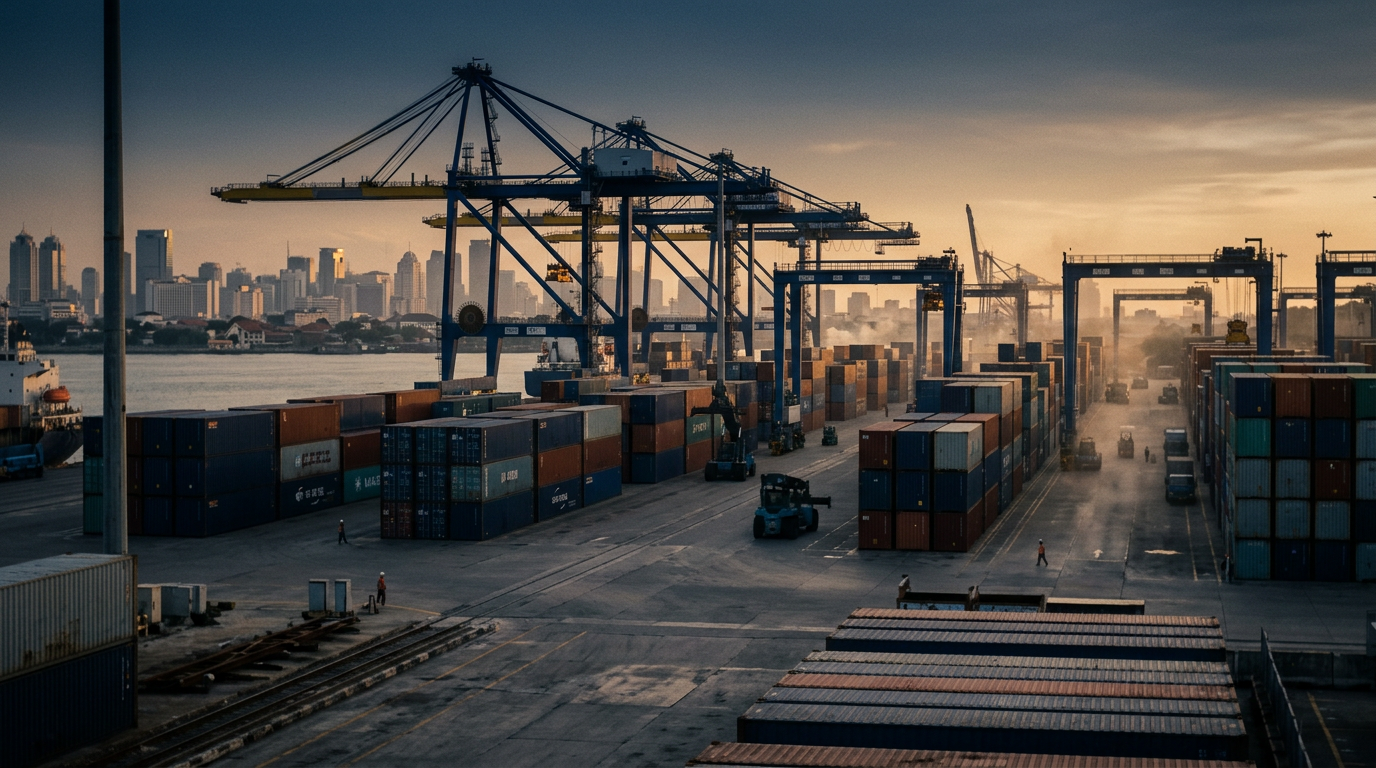
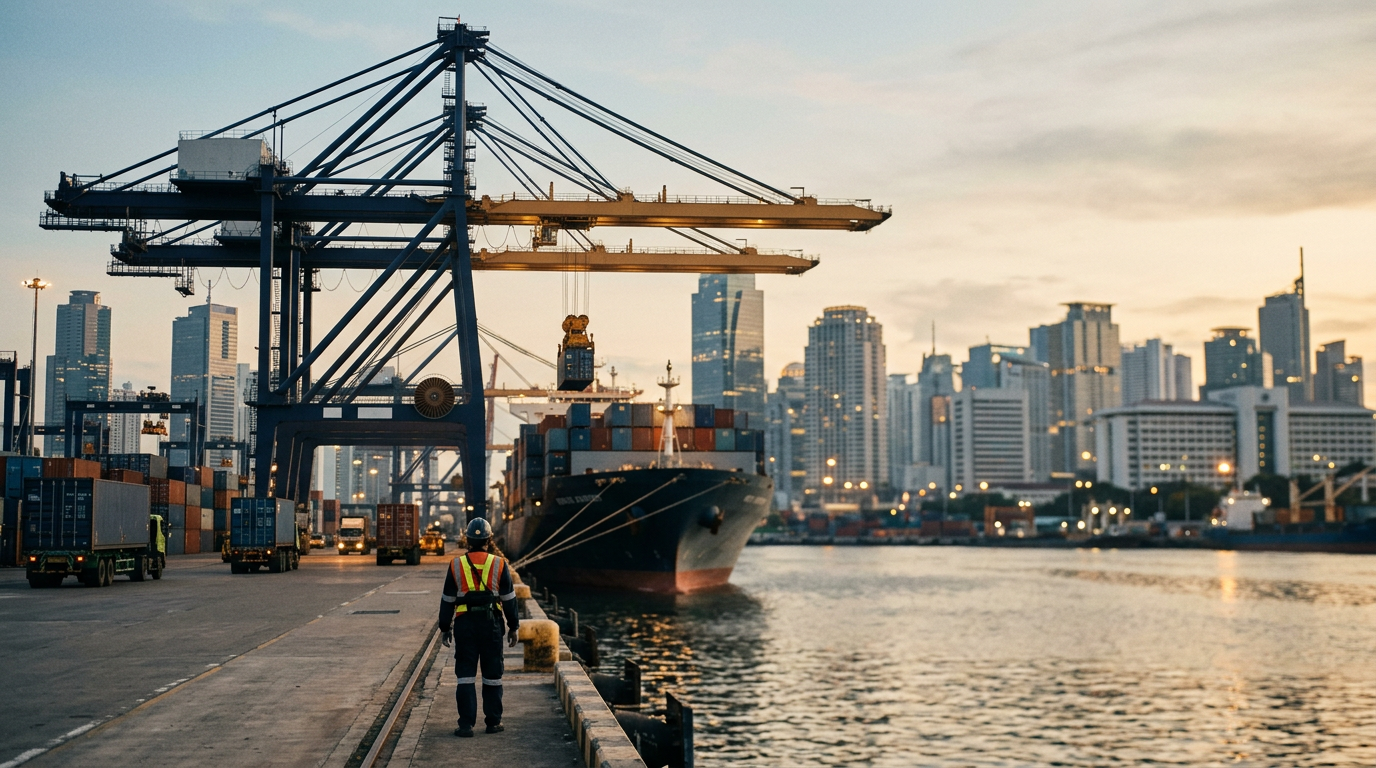
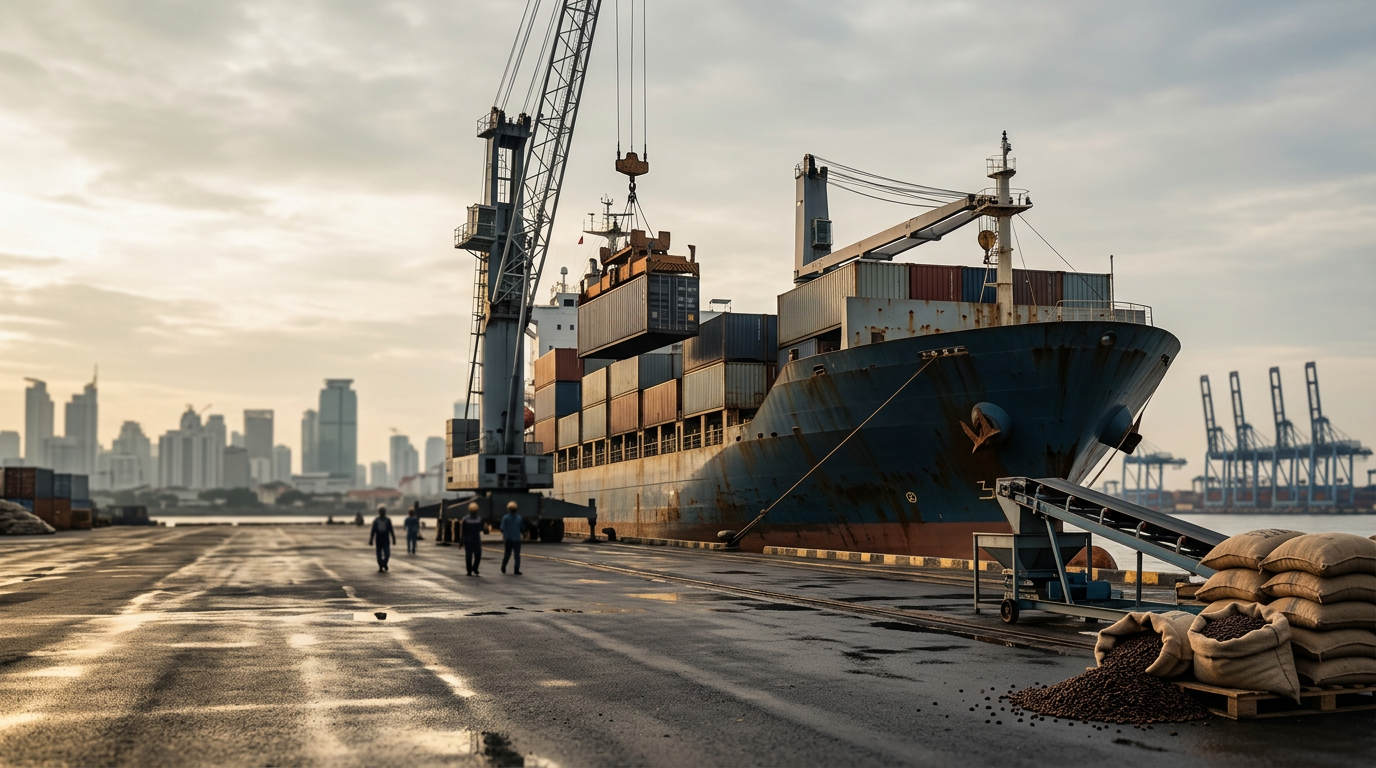
A recent statement from a Malaysian government official, indicating an understanding of Indonesia's moves to overhaul its export policies, signals a noteworthy shift in Southeast Asian trade dynamics. As reported by the Jakarta Globe, the sentiment suggests a shared perspective on the assertion of national interest in the commodity sector. Indonesia's policies, particularly affecting coal and palm oil, are part of a larger trend toward resource nationalism, where governments are re-evaluating long-standing export frameworks to prioritize domestic needs and industrial development.
This development is not occurring in a vacuum. It reflects a wider rethinking of trade strategy across the region. The era of focusing purely on export volume is giving way to a more calculated approach. Governments are increasingly concerned with capturing more value domestically, ensuring stable local supply, and using their resource wealth as a lever for industrial policy. Malaysia, as a major commodity producer itself, appears to be observing Indonesia's actions with a degree of empathy, possibly contemplating similar measures to secure its own economic interests.
From Open Markets to Managed Trade
The pivot toward more restrictive export measures represents a significant change in the institutional framework that has governed regional trade for decades. For years, the prevailing logic was that open markets and unfettered exports were the fastest route to economic growth. This new approach, however, prioritizes domestic security and industrial upgrading. In Indonesia, the government has justified its interventions as necessary for stabilizing domestic prices and ensuring that local industries have access to the raw materials they need to grow. The "downstreaming" policy, or "hilirisasi," aims to force the development of domestic processing and refining industries by restricting the export of raw ore and other unprocessed commodities.
This strategy is a calculated risk. While it can spur domestic investment in higher-value industries, it also introduces friction into established global supply chains. The understanding expressed by Malaysia suggests that this is a risk other commodity-exporting nations in the region are willing to consider. It points to a shared belief that the previous model, while profitable, may have left their economies too exposed to global price volatility and overly dependent on foreign industrial consumers. This recalibration is about building more resilient and self-sufficient domestic economies, even if it means altering relationships with long-standing trade partners.
The China Nexus
This strategic re-evaluation is deeply connected to the region's economic relationship with China. As the largest consumer of many of the commodities produced in Southeast Asia, China's demand has been a primary driver of the region's export-oriented growth. The book "ASEAN Rising" notes that "trade depth with China is now a structural feature, not a cyclical one." This dependency is a double-edged sword. While it has fueled economic expansion, it has also created vulnerabilities. The current policy shifts in Indonesia and the supportive noises from Malaysia can be seen as an attempt to rebalance this relationship.
By controlling the export of raw materials, these countries are asserting greater control over the terms of their engagement with major economic powers like China. It is a form of industrial strategy aimed at moving up the value chain and reducing dependency on a single dominant buyer. The goal is to transition from being a simple supplier of raw inputs to a more sophisticated industrial partner. This shift reflects a maturing of economic statecraft in the region, where governments are learning how to manage dependency without entirely sacrificing the benefits of their deep trade connections. The challenge lies in executing this strategy without deterring the foreign investment and technology transfer needed for industrialization.
What to watch
Observe whether this alignment between Indonesia and Malaysia on export policy translates into a more coordinated, bloc-wide stance within ASEAN, especially for key commodities like palm oil and nickel. The reaction of major importing nations, particularly China, will also be significant. Look for signs of retaliatory trade measures or, conversely, increased investment in onshore processing facilities within Southeast Asia as these nations push their industrialization agendas. The execution of these domestic-focused policies will determine if they lead to sustainable industrial growth or simply create new bottlenecks in global trade.