Indonesia
, China, and the MSME Export Challenge
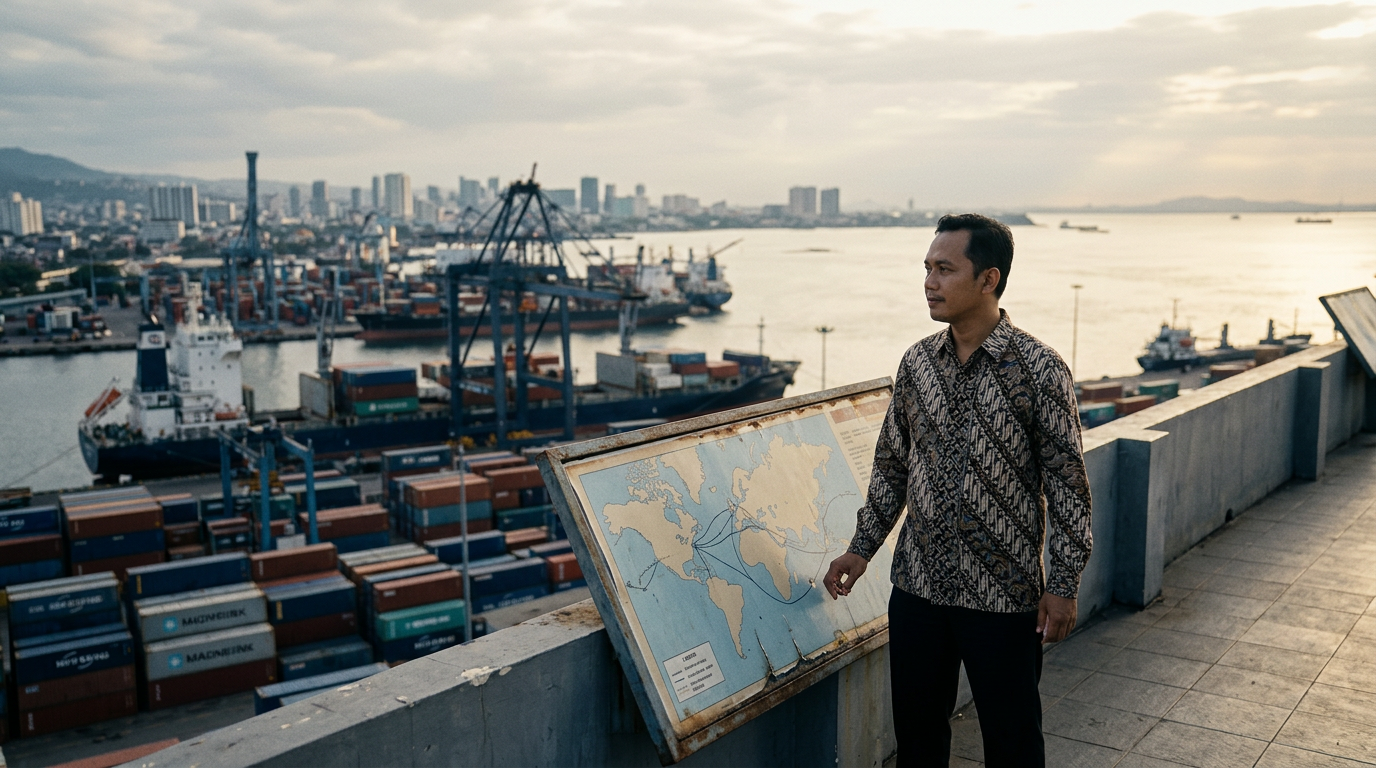
An export clinic in Palu is a small but significant indicator of a much larger challenge for Indonesia and ASEAN: how to manage deep trade links with China while developing export capabilities in smaller firms.
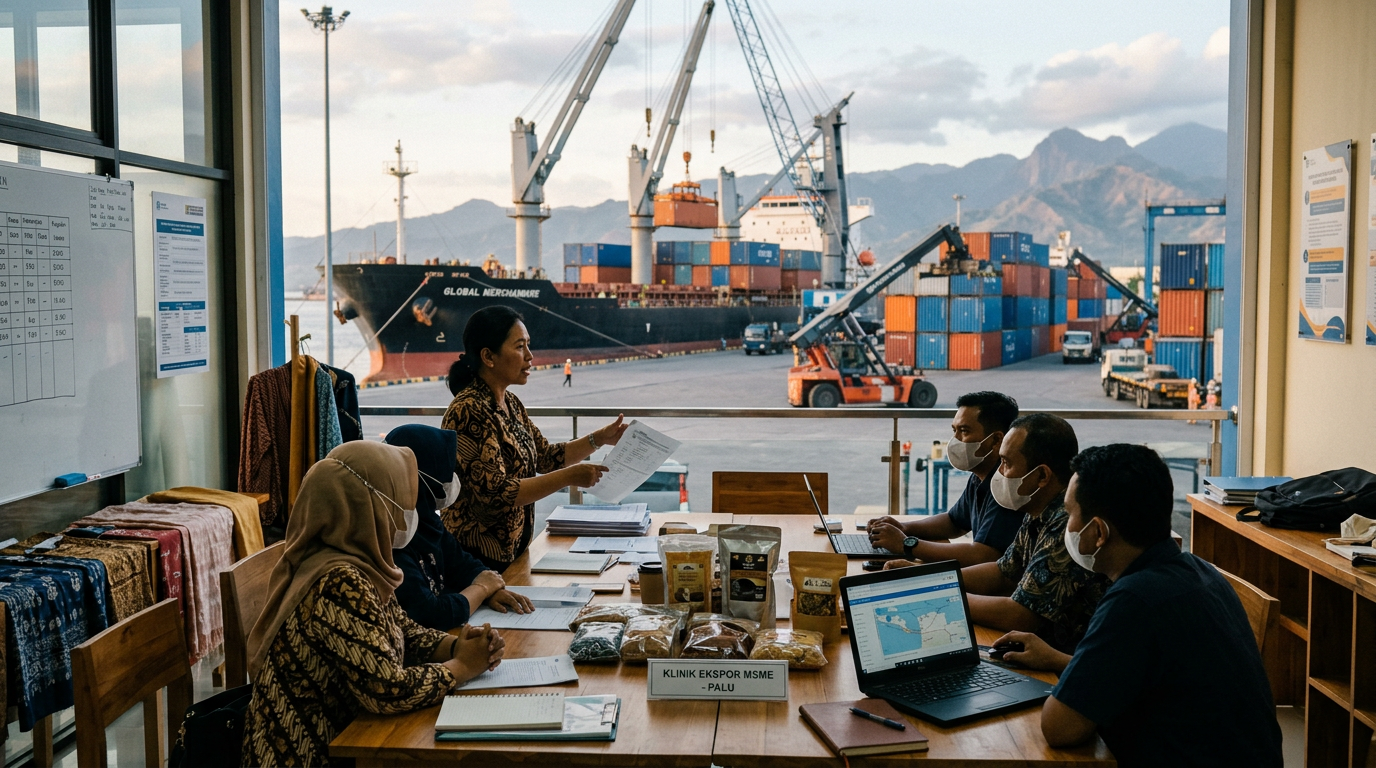
An export clinic designed to help micro, small, and medium enterprises (MSMEs) in Palu, Indonesia, navigate export markets is a small but significant indicator of a much larger challenge for the country and the wider ASEAN bloc. As reported by Antara News, the initiative by a government body, Barantin, aims to equip local businesses with the knowledge to access international buyers. While the immediate goal is local economic development, the context is Indonesia's deep and complex trade relationship with its largest partner, China.
The Scale of Dependency
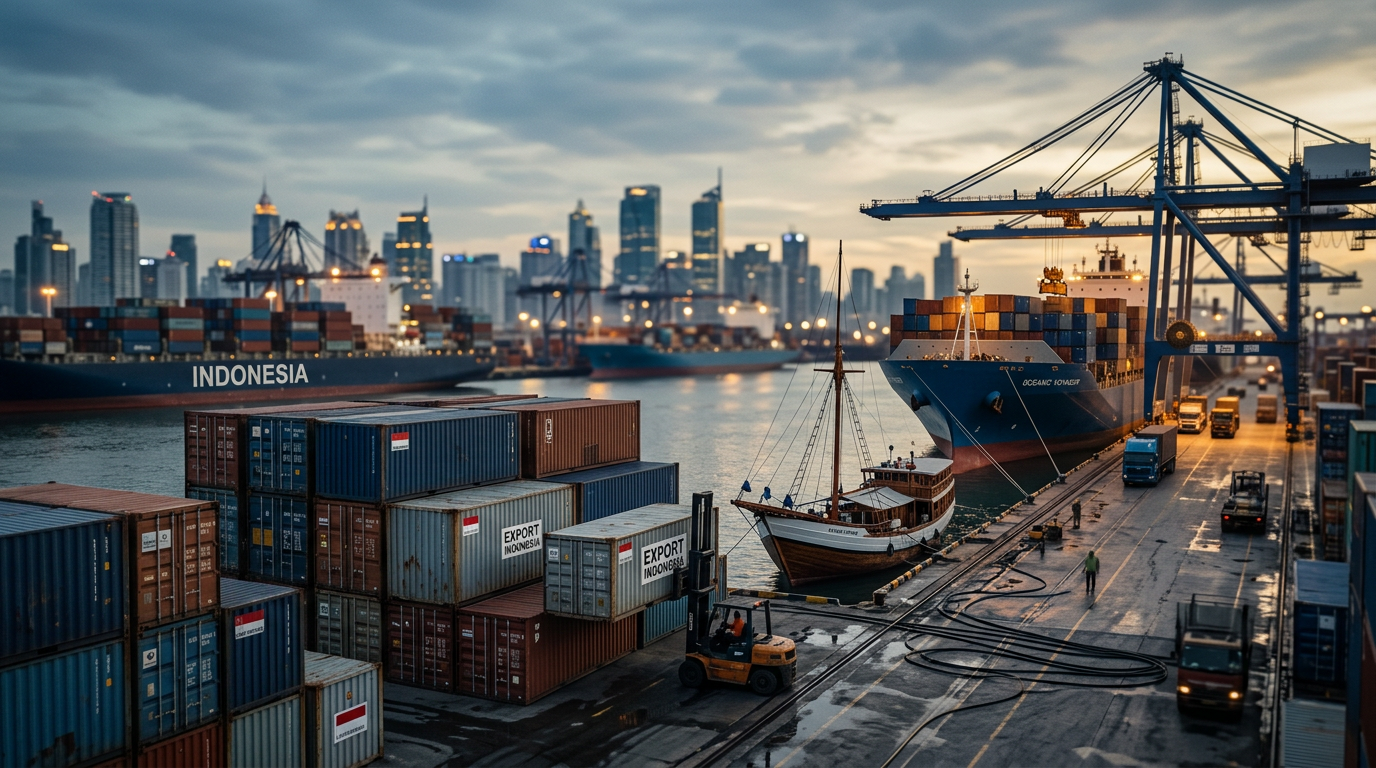
For Indonesia, as for most of ASEAN, trade with China is a dominant economic fact. The sheer volume of imports and exports creates efficiencies and opportunities, but it also creates dependency. As noted in ASEAN Rising, this level of "trade depth with China is now a structural feature, not a cyclical one." The core issue for governments is not whether to trade with China, but how to manage the resulting dependency while preserving strategic and economic options.
Initiatives like the Palu export clinic represent a bottom-up approach to this management challenge. By strengthening the capacity of MSMEs to export, Indonesia can diversify its export base not just by destination but also by firm size. A broader base of exporters is generally more resilient than one dominated by a few large state-owned enterprises or multinational corporations whose supply chains are often oriented towards a single large market.
From Local Clinic to National Strategy
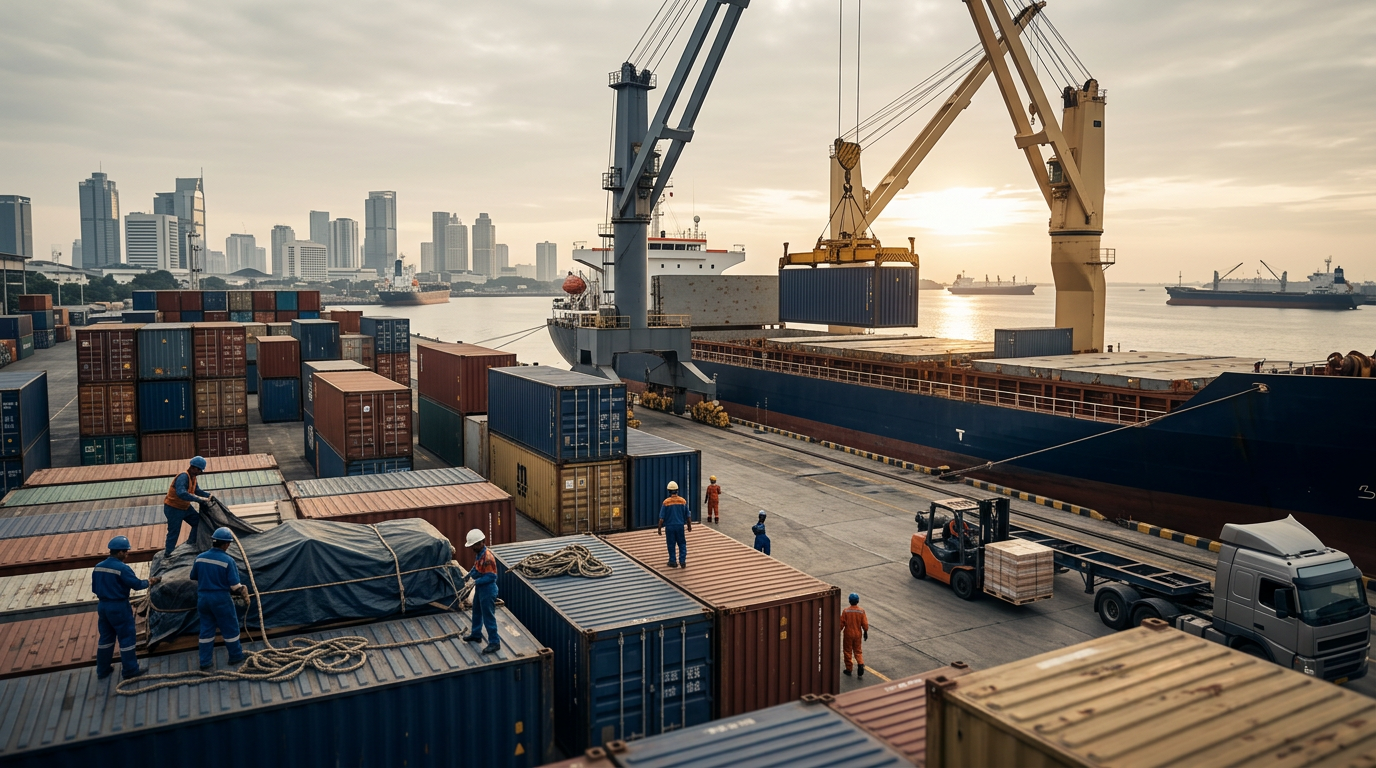
The challenge is scaling such efforts. A single clinic in Palu can provide vital support to local entrepreneurs, but it does not constitute a national strategy. The institutional frameworks required for a resilient export economy go far beyond one-off training sessions. They involve access to affordable trade finance, streamlined customs procedures, investment in logistics infrastructure, and the development of talent with international marketing and digital skills.
These are areas where national-level execution is paramount. While local governments can provide on-the-ground support, the capital and coordination for building efficient ports, digital trade platforms, and skilled workforces must be driven by national policy. This is about building the institutional capacity to support a more diverse and capable export sector, reducing reliance on raw commodity exports and moving up the value chain. For MSMEs, this means gaining the ability to connect with a wider array of global markets, not just the nearest and largest one.
China as Both Market and Model
In this effort, China serves as both the primary market and a complex model. The country's own success in using targeted state support to build export champions is a well-documented phenomenon. For Indonesia, the goal is not to replicate China's state-led model but to adapt elements of it to a democratic, market-based context. This involves fostering a business environment where smaller firms can thrive and compete globally.
Building this capacity helps manage the dependency on China by increasing Indonesia's value within the bilateral relationship. When a country's firms are more integrated into global value chains and can offer more sophisticated products, they gain leverage. It shifts the dynamic from one of simple commodity supply to one of more balanced partnership. The work of helping MSMEs in Palu look beyond their local market is a foundational step in that much longer and more complex journey.
What to watch
Watch for further national-level policy measures in Indonesia aimed at simplifying export procedures and improving access to trade finance for smaller businesses. The success of local initiatives like the one in Palu will depend on the strength of this supporting institutional framework and the sustained investment in the infrastructure and talent needed to compete in a global market dominated by large-scale players.