Indonesia
Indonesia and RCEP: From Ambition to Execution
The recent RCEP Ministers' Meeting in Manila spotlights Indonesia's leadership role. However, turning regional agreements into realised investment requires a sustained focus on domestic institutional capacity.
The 5th RCEP Ministers' Meeting, held in Manila on September 21, 2026, brought together representatives from the 15 member countries to advance the trade bloc's agenda. According to a joint media statement on asean.org, the meeting was co-chaired by Indonesia's Vice Minister of Trade, signaling the country's continued influence in shaping regional economic policy.
The discussion centered on the work of the RCEP Joint Committee and its subsidiary bodies, which are tasked with the technical implementation of the vast trade agreement. While such high-level meetings are necessary to maintain alignment, the outcomes for Indonesia will depend less on the pronouncements made in Manila and more on the patient, domestic work of building a competitive investment environment.
The Execution Gap
Indonesia's economy possesses immense scale, a demographic advantage, and abundant natural resources. These factors make it a default destination for foreign direct investment (FDI) in Southeast Asia. However, translating this potential into tangible economic development is a persistent difficulty. Grand announcements and signed agreements generate headlines, but capital does not flow automatically.
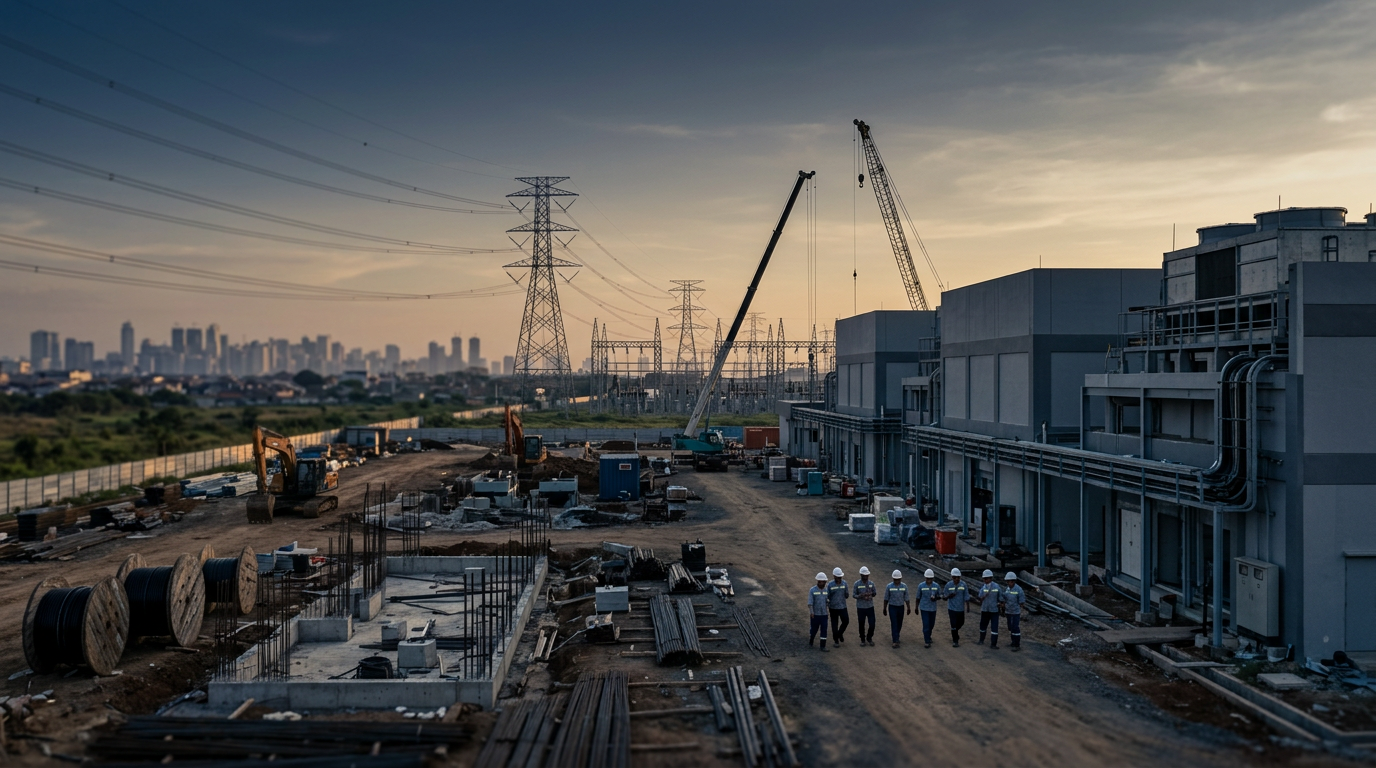
As the book ASEAN Rising notes, the genuine measure of success is not the FDI pledges but the realised investment that follows. This is where institutional capacity becomes the primary variable. The book argues that "realised flows depend on the slower work of land, permits, power and talent reaching the ground." Without effective institutions to manage these core components, Indonesia's scale remains a latent advantage rather than a driver of growth. The RCEP framework can lower tariffs and harmonize rules, but it cannot by itself resolve a land dispute or train a factory workforce.
From Pledges to Projects
The gap between announced and realised FDI is a familiar story in Indonesia. Foreign investors, attracted by the market's size, often face significant non-market obstacles. Securing land titles, navigating a complex and sometimes contradictory permitting process across different levels of government, ensuring reliable electricity supply for industrial operations, and finding skilled labor are common hurdles.
These are the areas where institutional reform is most needed. Progress has been made through initiatives like the Omnibus Law on Job Creation, which aims to streamline regulations and improve the ease of doing business. Yet the implementation of these reforms remains uneven. For Indonesia to fully benefit from agreements like RCEP, its domestic institutions must be able to convert the promise of market access into commercially viable projects. This requires a sustained, granular focus on administrative efficiency, regulatory certainty, and human capital development.
What to watch
Pay less attention to the aggregate FDI announcements that follow RCEP meetings and more to the quarterly data on realised investment flows into Indonesia, particularly outside the natural resources sector. Monitor the progress of specific industrial parks and infrastructure projects, tracking their development from the initial announcement to the start of operations. The speed and efficiency of this process is the best indicator of whether Indonesia's institutions are truly turning its scale into investable depth.