Indonesia
The FIFA ASEAN Cup Kicks Off a New Infrastructure Test
The FIFA ASEAN Cup 2026 has begun, putting the region's infrastructure and institutional capacity under a global spotlight. The tournament is a real-world test of ASEAN's ability to deliver complex, large-scale projects.
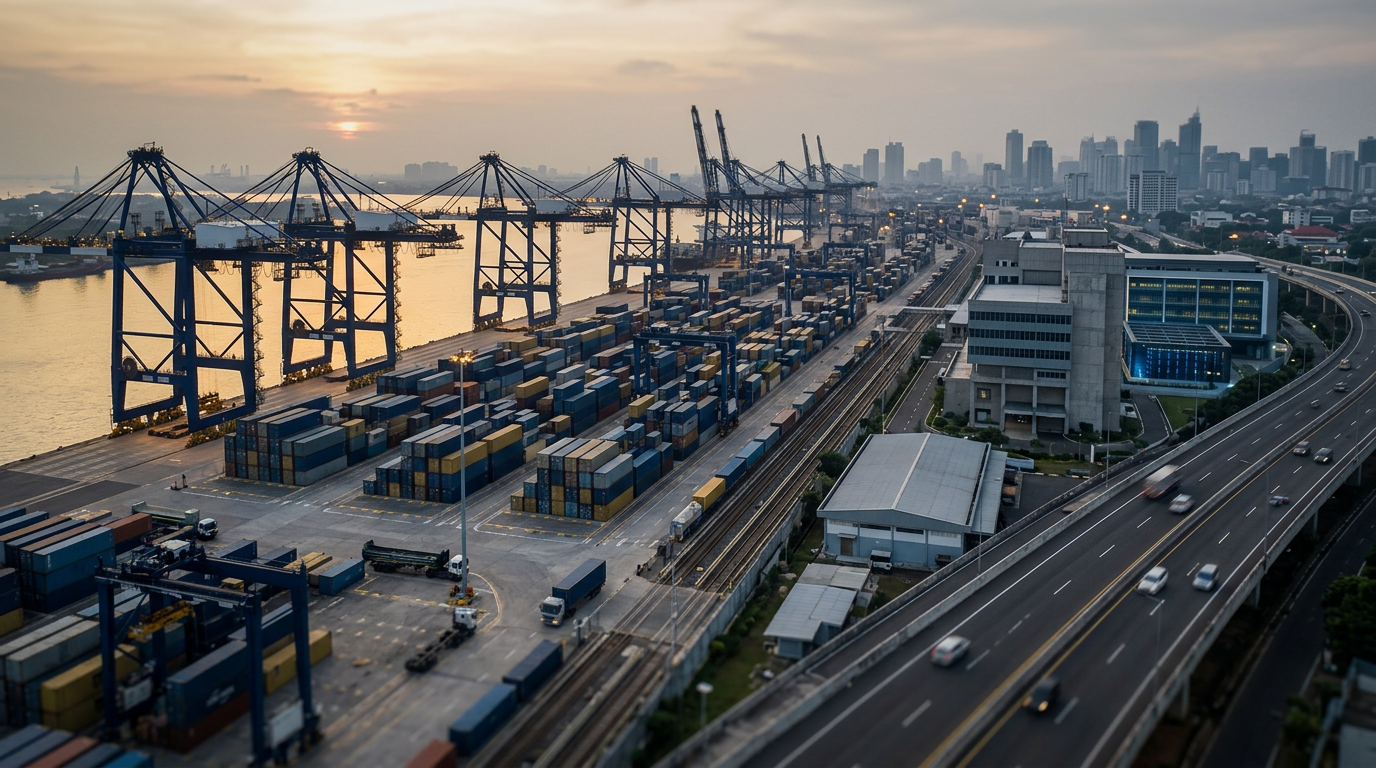
The first-ever FIFA ASEAN Cup 2026 kicked off in Jakarta, Indonesia, an event that brings a new level of global attention to the bloc, as reported by ASEAN.org. While the tournament is a celebration of the region's football talent, it is also a searching test of its institutional capacity and physical infrastructure. Hosting a major international sporting event is a complex undertaking that requires seamless coordination between public and private actors, from stadium operations to transport and security. This tournament puts the region's ability to execute on ambitious plans on public display.
Infrastructure Beyond the Pitch
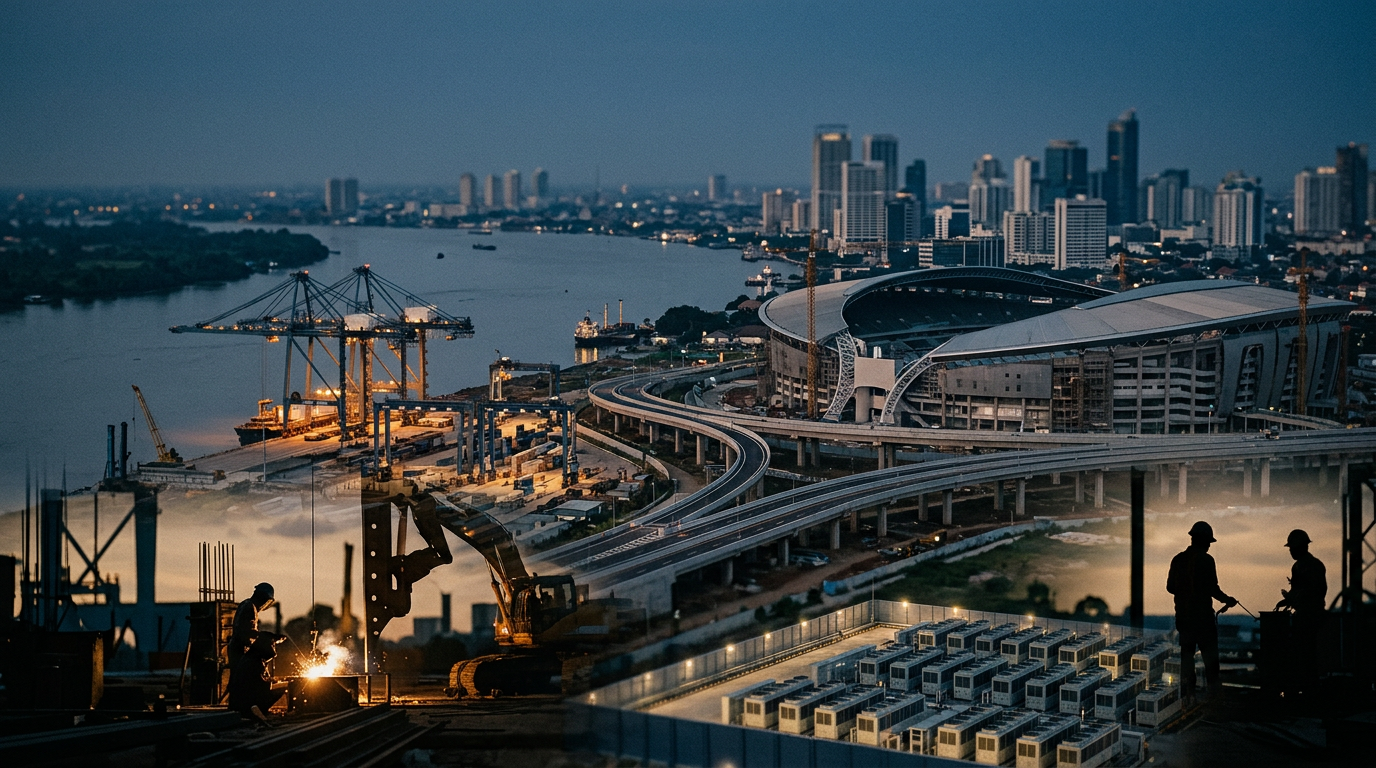
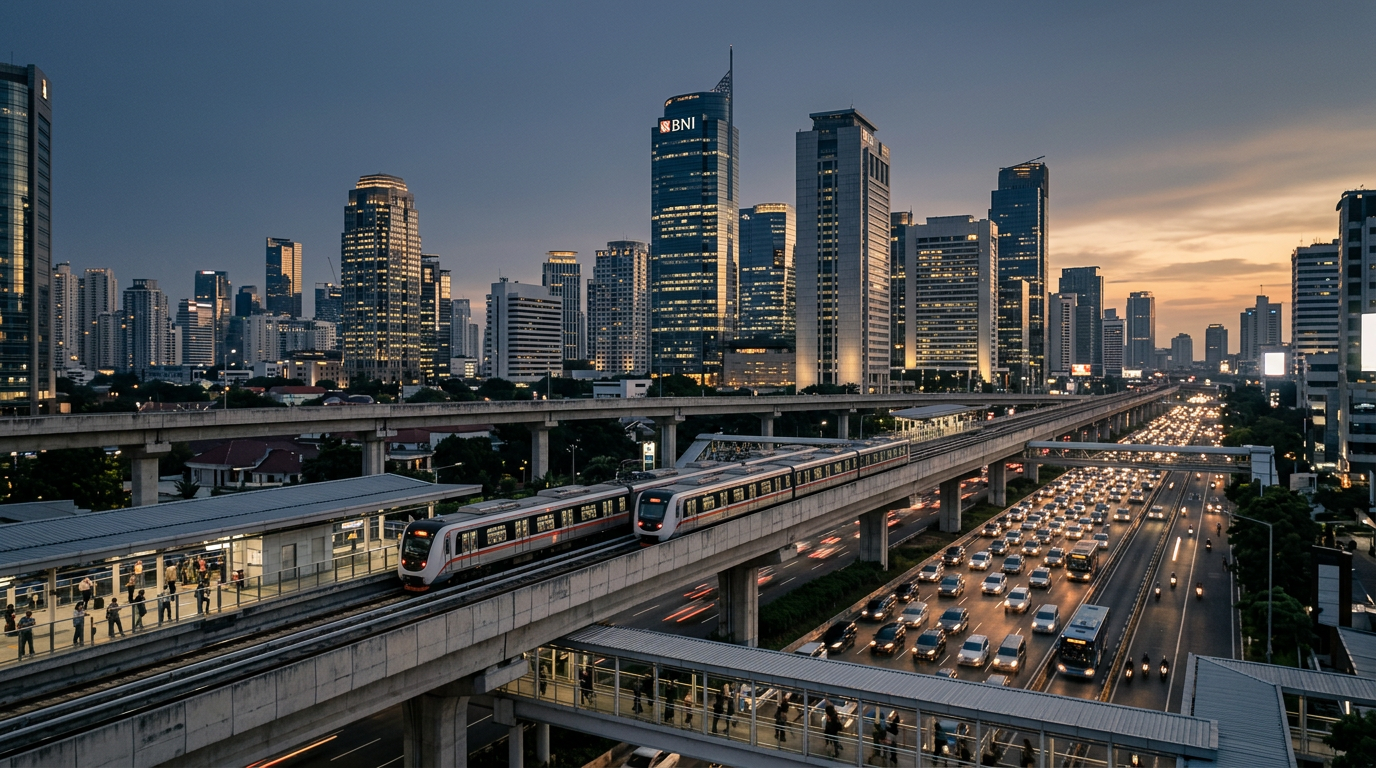
The success of the FIFA ASEAN Cup will not be measured by the quality of play alone. It will also be judged by the fan experience, which is directly shaped by the quality of the host cities' infrastructure. Airports, public transit, and road networks will all be tested. The tournament presents a hard deadline for project completion, forcing a focus on execution. As the book "ASEAN Rising" notes, infrastructure that is delivered on schedule is a powerful signal of a government's capability. The smooth operation of stadiums, transport links, and accommodation is a practical demonstration of state capacity that resonates with investors and development partners far beyond the world of sport.
Institutional Reliability on Display
Underpinning the physical infrastructure is the software of institutional cooperation. Staging the tournament across multiple ASEAN nations requires a high degree of regulatory and procedural alignment. Visas, customs, security protocols, and broadcasting rights must be coordinated. The event is a real-world exercise in the kind of cross-border institutional work that is fundamental to the ASEAN Economic Community. Reliability and predictability are paramount. In a competitive global economy, "institutional reliability has become part of comparative advantage." A well-organized tournament sends a message that ASEAN is a place where complex, multi-jurisdictional projects can be managed effectively. This builds confidence in the bloc's ability to handle more intricate economic and political endeavors.
A Test of Human Capital
A successful tournament also relies on a deep pool of skilled labor. Event management, hospitality, logistics, security, and media production all require trained and experienced personnel. The FIFA ASEAN Cup is a showcase for the region's human capital. It demonstrates the ability of the ASEAN workforce to manage world-class events and deliver high-quality services. This visible display of talent and organizational skill helps to build the ASEAN brand as a destination for investment and tourism. It proves that the region has the people required to support sophisticated service industries and large-scale operational undertakings, reinforcing the strength of its labor market.
What to watch: Observers will be monitoring not just the matches, but the operational performance of the host cities. The key metrics of success will be the smooth flow of spectators, the reliability of transportation systems, and the overall quality of the fan experience. Any significant disruptions or delays in infrastructure or services would be noted by potential investors, while a seamlessly executed tournament will strengthen the perception of ASEAN as a capable and reliable bloc for major international projects and investments.