Singapore
, FDI, and the Challenge of Scale
A jump in Singaporean factory output, driven by AI demand, highlights a core ASEAN challenge: converting FDI announcements into realized, on-the-ground investment. For neighbors like Indonesia, the slower work of improving institutions and infrastructure is the real measure of.
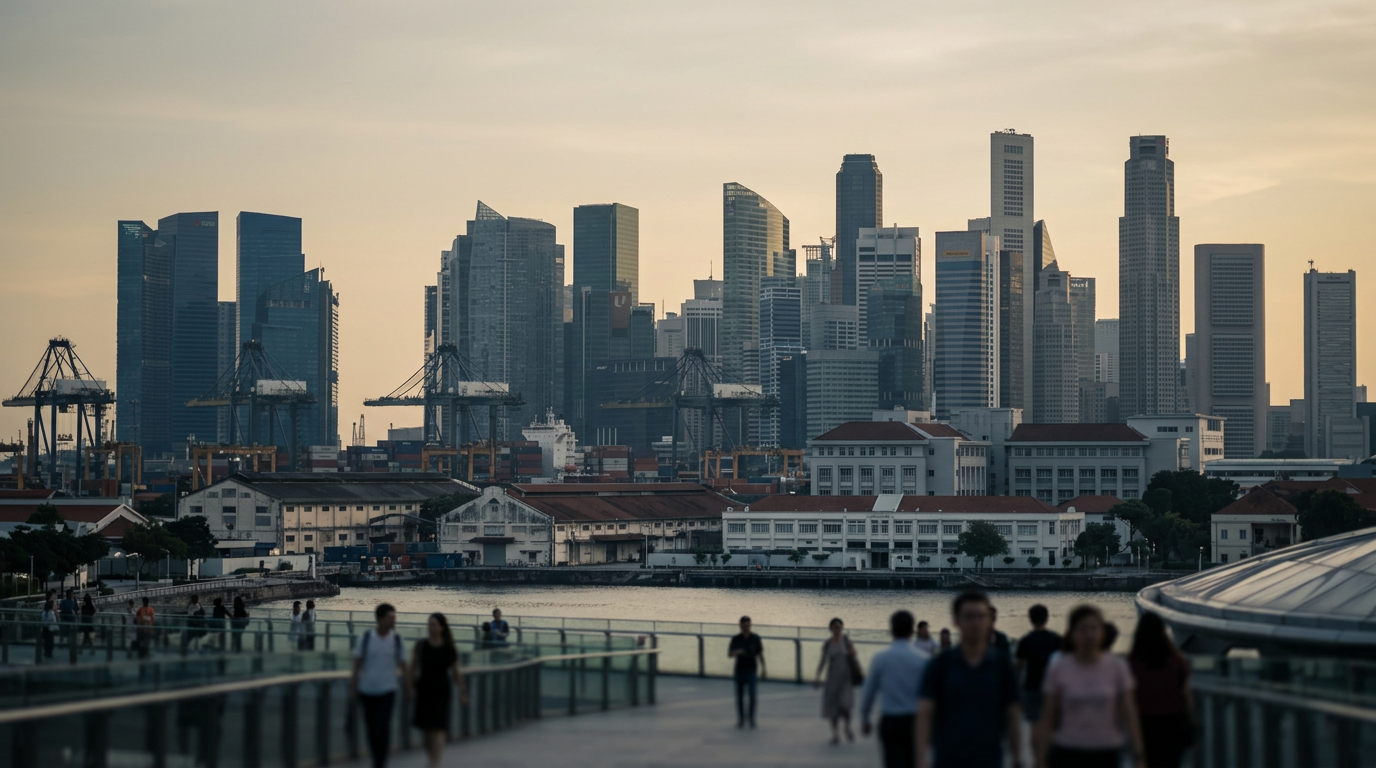
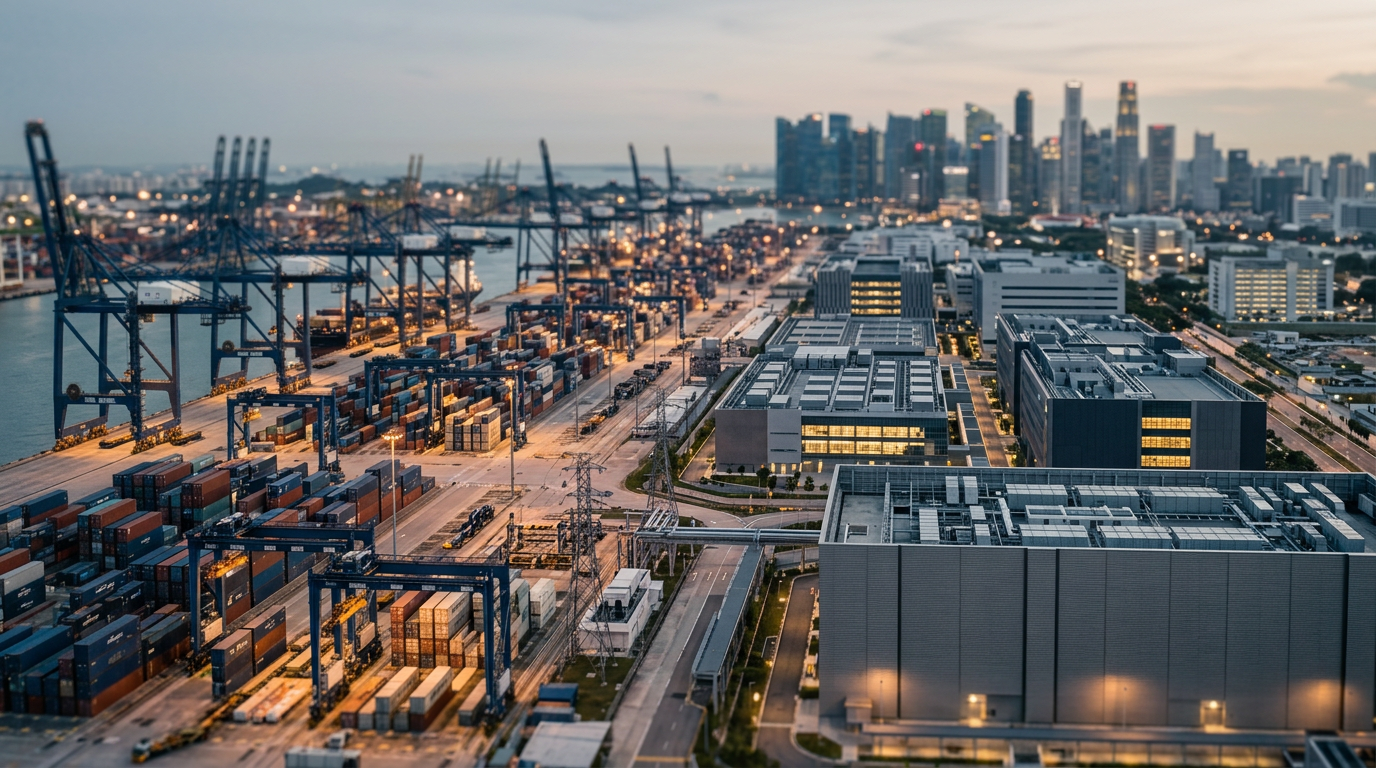
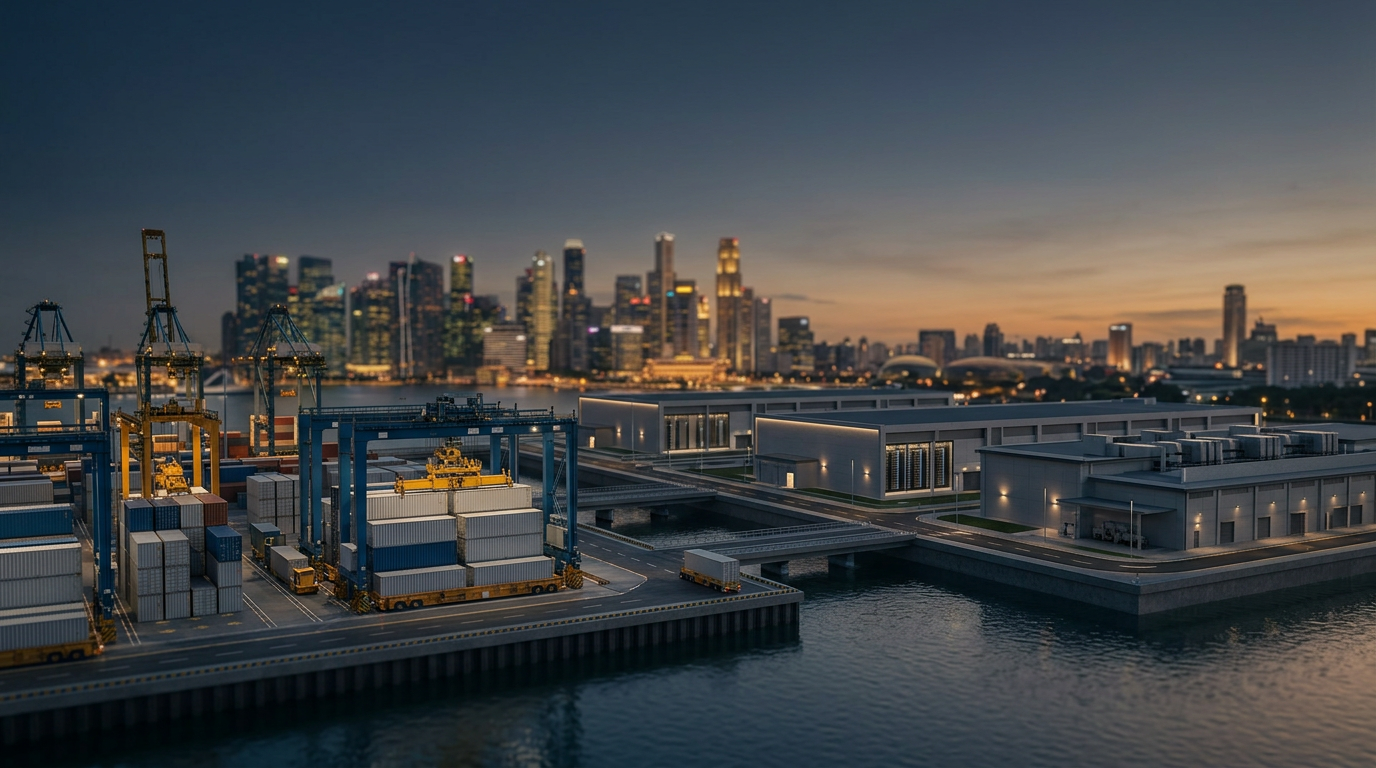
Singapore's factory output jumped in August 2026, a bright spot in the regional manufacturing picture. The growth was driven by sustained global demand for AI-related products, with most industrial clusters, except for chemicals, showing year-on-year growth, according to a report from The Straits Times. While Singapore has long been a preferred destination for high-tech manufacturing investment, this news highlights a broader theme across the region: the race to convert foreign direct investment (FDI) interest into tangible economic activity.
From Announcement to Implementation
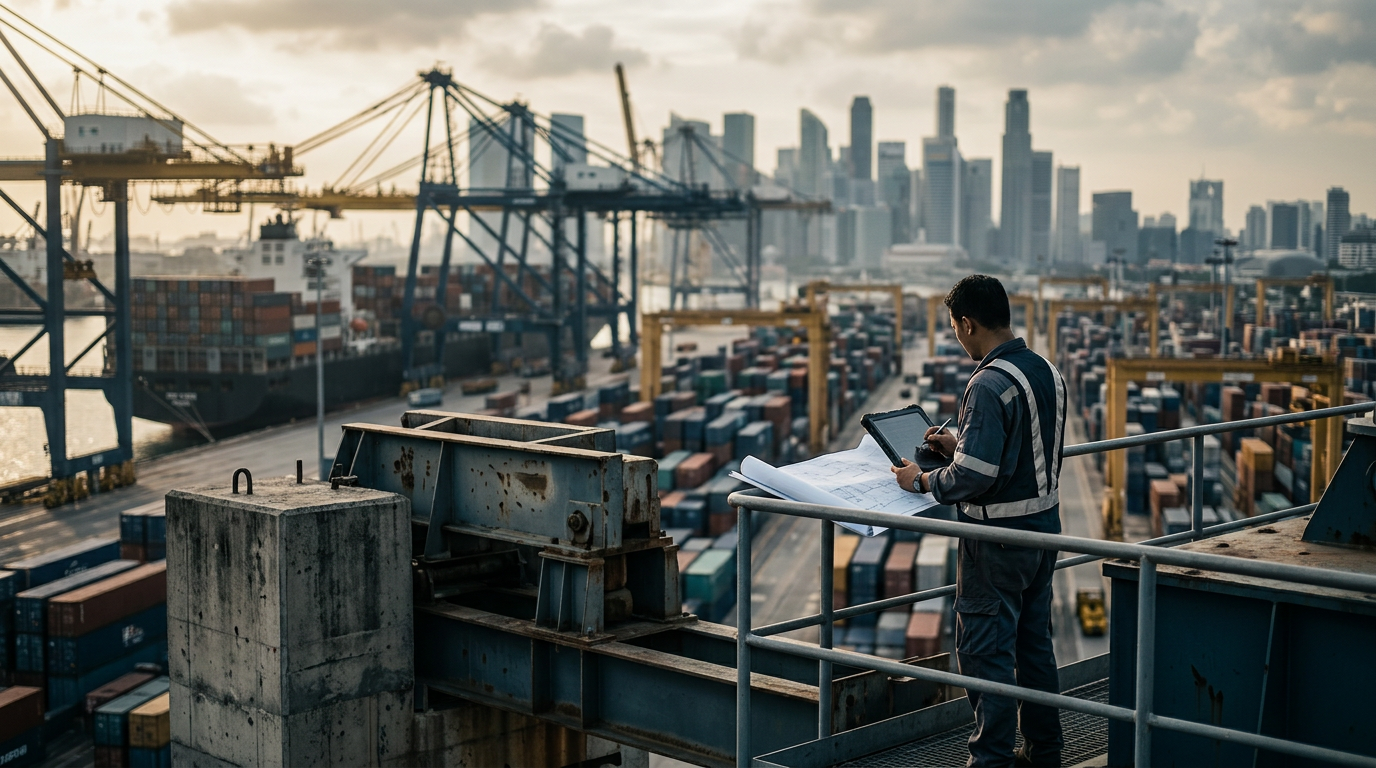
Attracting FDI pledges is one thing; seeing that capital deployed effectively is another. As the book ASEAN Rising notes, "realised flows depend on the slower work of land, permits, power and talent reaching the ground." Singapore excels in this regard due to its world-class infrastructure, transparent regulatory environment, and deep talent pool. Its institutional strength allows it to quickly absorb and operationalize complex manufacturing investments, such as those required for the current AI boom.
For Singapore's larger neighbors, the challenge is more pronounced. Countries like Indonesia possess immense scale, but realizing the full potential of that scale is a persistent institutional challenge. The journey from an FDI announcement to a fully functioning factory or data center involves navigating complex local bureaucracies, securing land rights, ensuring reliable power, and training a skilled workforce. These are the foundational elements that determine whether a country can truly capitalize on global investment trends.
The Indonesian Test Case
The AI-driven investment cycle illustrates the competitive dynamics within ASEAN. While Singapore captures the high-end manufacturing and data processing segments, Indonesia aims to leverage its vast resources and market size to attract different, but equally significant, parts of the value chain. Success depends on its ability to build the institutional capacity to match its scale.
Progress is being made in areas like permit simplification and infrastructure development, but these are long-term projects. Foreign investors watch these developments closely. They are weighing the demographic promise of Indonesia against the practical realities of doing business. The ability of Indonesian institutions to translate the country's inherent scale into what ASEAN Rising calls "investable depth" is the central factor in its economic trajectory. The country's strategic weight is ultimately a function of its state capacity and execution on the ground.
What to watch
Beyond the headline FDI numbers, the metrics to watch are those that reflect the real economy. Look for trends in land acquisition for industrial estates, electricity grid upgrades, and vocational training enrollment. These indicators provide a more accurate picture of a country's ability to absorb and profit from investment flows than announced FDI figures alone. How quickly and effectively countries like Indonesia and Vietnam can improve these foundational pillars will determine their success in competing for the next wave of global investment, whether in AI or other emerging industries.