Indonesia
The FIFA ASEAN Cup and the Infrastructure Gap
The FIFA ASEAN Cup highlights the long-term value of reliable state institutions that can deliver complex projects on time. Infrastructure that arrives on time signals more than infrastructure that is merely announced.

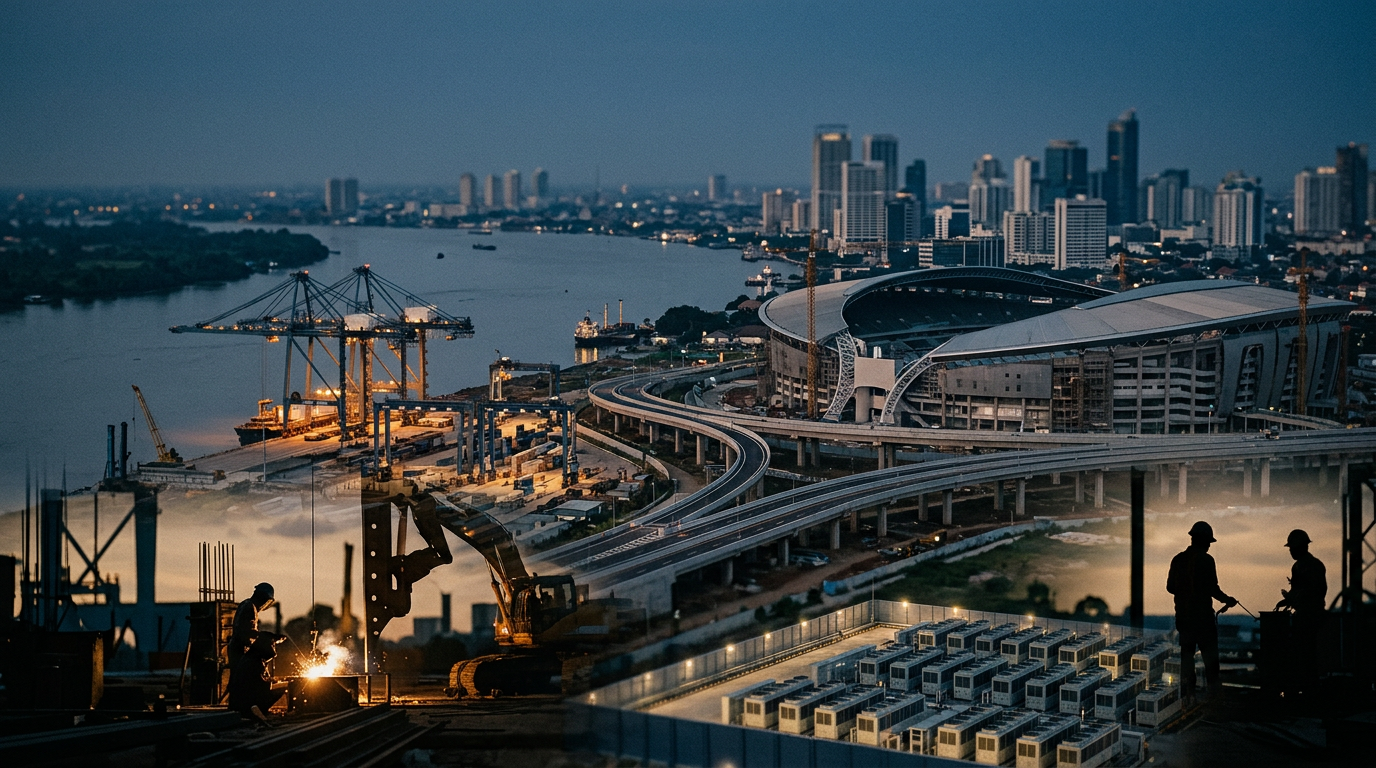
The inaugural FIFA ASEAN Cup 2026, which opened in Jakarta on September 25, is a significant moment for the region's sporting profile. The tournament, hosted at Indonesia's Gelora Bung Karno Stadium, is the result of a long-standing memorandum of understanding between ASEAN and FIFA, as reported by ASEAN.org. While the event celebrates regional unity and athletic talent, it also brings into focus the institutional capacity required to execute such large-scale international events, particularly regarding infrastructure.
Execution Over Announcements
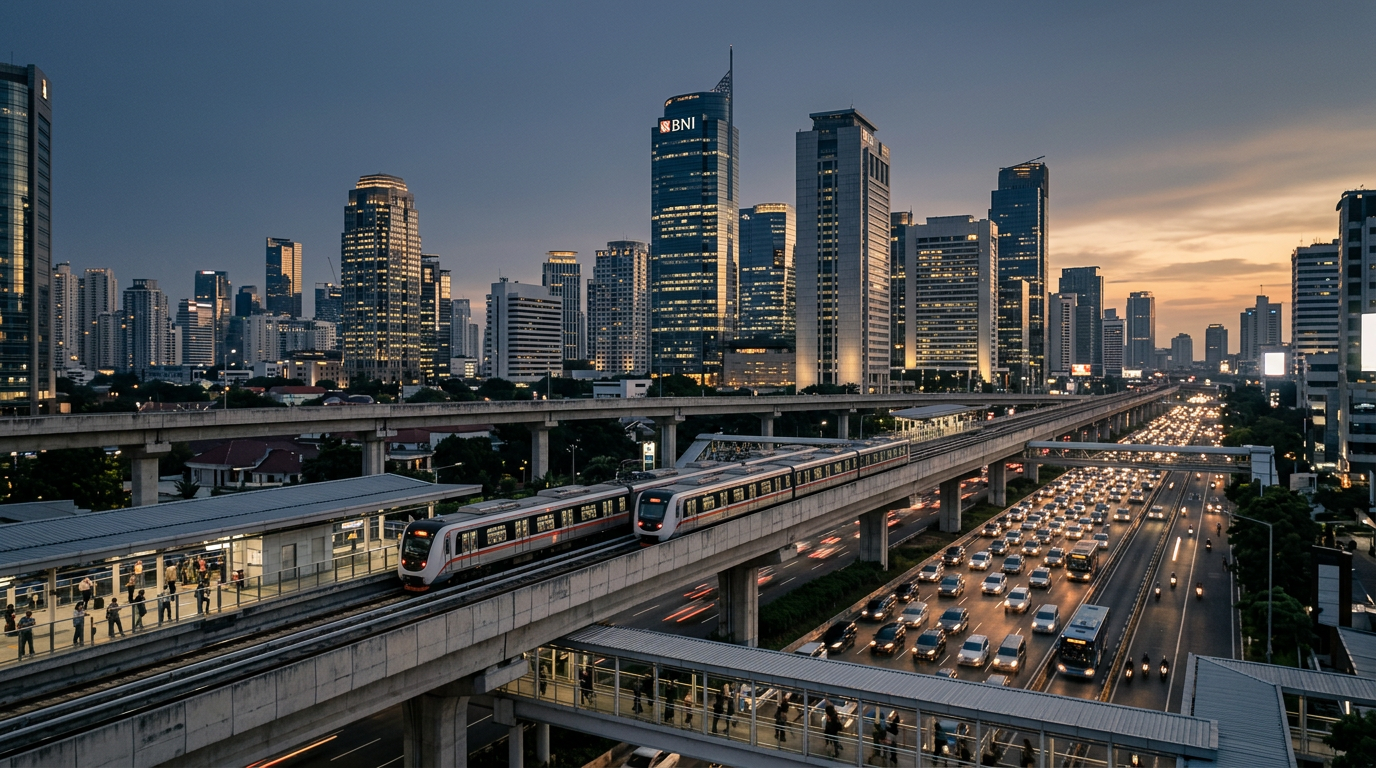
The successful opening of a major football tournament is a logistical achievement. It requires not just stadiums, but also a network of supporting infrastructure: transport, accommodation, security, and digital connectivity. The capacity to deliver these complex projects is a direct reflection of a country's institutional strength. As the book "ASEAN Rising" notes, the ability to follow through on commitments is a powerful signal to investors and international partners. "Institutional reliability has become part of comparative advantage." A state that can build and maintain high-quality infrastructure on schedule demonstrates a competence that is attractive for capital investment far beyond the sports industry.
The FIFA ASEAN Cup serves as a practical demonstration of these ideas. Staging the event requires years of planning and construction, managed across various government agencies and private sector partners. The smooth execution of the tournament will be seen as a testament to Indonesia's, and by extension ASEAN