Malaysia
Green Pledges and Ground Realities in ASEAN
Ambitious goals for a green transition are running up against the slower work of turning promises into projects on the ground.
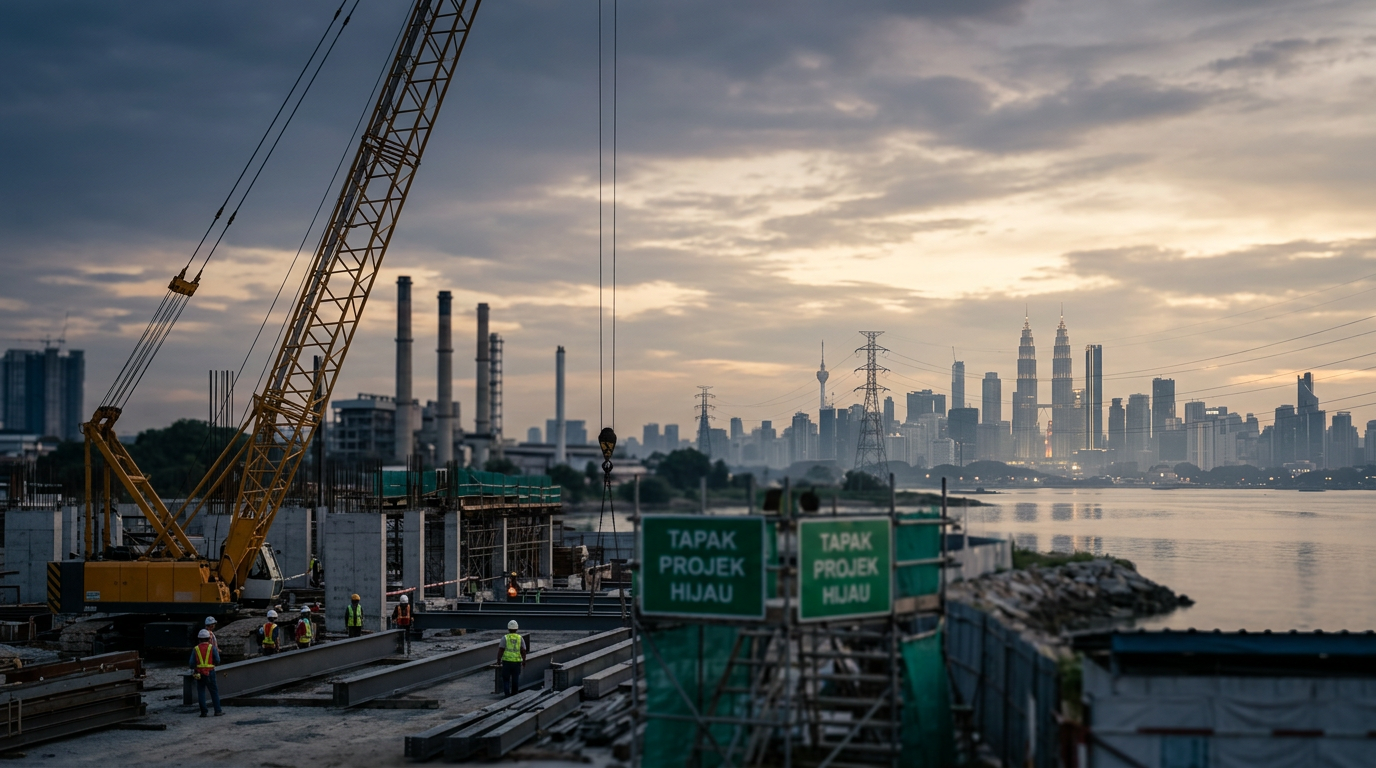
A recent ESG symposium highlighted the need for an inclusive green transition to drive industrial competitiveness and investment across ASEAN, as reported by the Bangkok Post. The discussion emphasized the substantial capital required and the pathways to building a more resilient, green economy. While the ambition is clear, the path from announcement to execution is paved with practical challenges that require robust institutional support.
From Ambition to Allocation
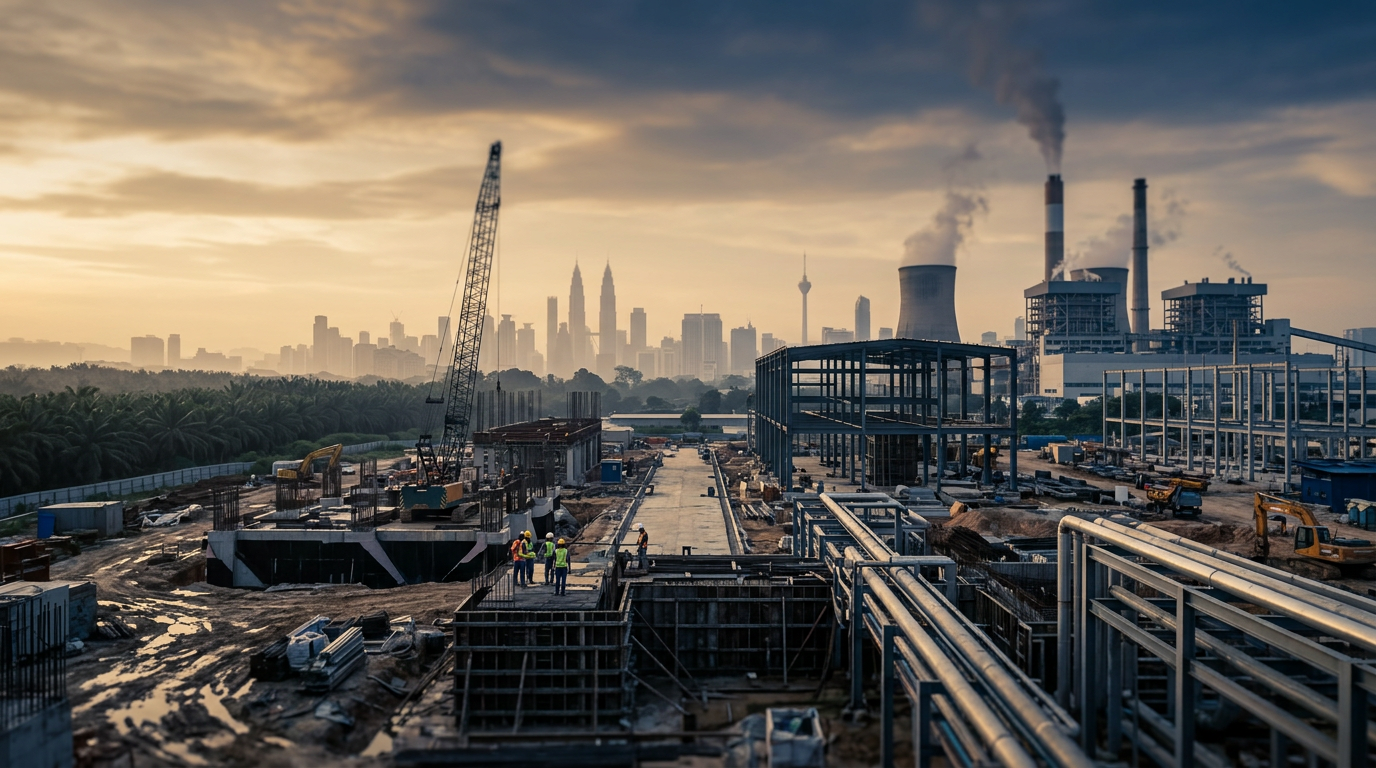
The push for a green transition in Southeast Asia involves significant foreign direct investment (FDI). Countries across the region are announcing ambitious targets for renewable energy, sustainable infrastructure, and green manufacturing. These announcements generate positive headlines and signal a commitment to environmental goals. However, the journey from a pledged investment to a fully operational project is complex. As noted in the book ASEAN Rising, scale matters only when institutions can turn it into investable depth. The high-profile announcements grab attention, but the real work involves securing land, navigating permit processes, ensuring reliable power, and developing a skilled workforce.
The Institutional Bottleneck
The success of ASEAN's green transition hinges on the capacity of its member states' institutions to facilitate these large-scale investments. FDI announcements travel quickly, but, as the book notes, "realised flows depend on the slower work of land, permits, power and talent reaching the ground." Investors, particularly those in the green technology and sustainable infrastructure sectors, require clarity, predictability, and efficiency. Bureaucratic hurdles, unclear regulations, and delays in land acquisition can deter the very capital the region seeks to attract. Without a concerted effort to streamline these foundational elements, the gap between promised and realized FDI will persist, slowing the transition.
The Case of Indonesia
Indonesia provides a clear example of this dynamic. With its significant scale and resources, the country is a major target for green FDI, particularly in nickel processing for electric vehicle batteries and in geothermal energy. The government has set ambitious goals and attracted substantial investment pledges. Yet, investors often face a difficult path when it comes to project implementation. Issues related to land rights, the alignment of national and sub-national authorities, and the availability of specialized talent are recurring themes. Overcoming these execution challenges is the core task in translating the country's strategic weight into tangible, sustainable economic development.
What to watch
Keep an eye on how individual ASEAN member states reform their regulatory and administrative frameworks to support green investment. The key metric of success will not be the volume of FDI announcements, but the rate at which those announcements are converted into completed projects. Progress will depend on the unglamorous, behind-the-scenes work of improving institutional capacity to handle the complex demands of large-scale green infrastructure and industry. This includes everything from digitalizing permit applications to reforming land use policies and investing in vocational training for green jobs.