Indonesia
Indonesia, Patchouli, and the Challenge of Value Addition
Indonesia wants to add more value to its patchouli oil exports. This mirrors a broader ASEAN challenge: how to move up the value chain from being a mere supplier of raw materials to a producer of finished goods, especially with China as the region's primary trade partner.
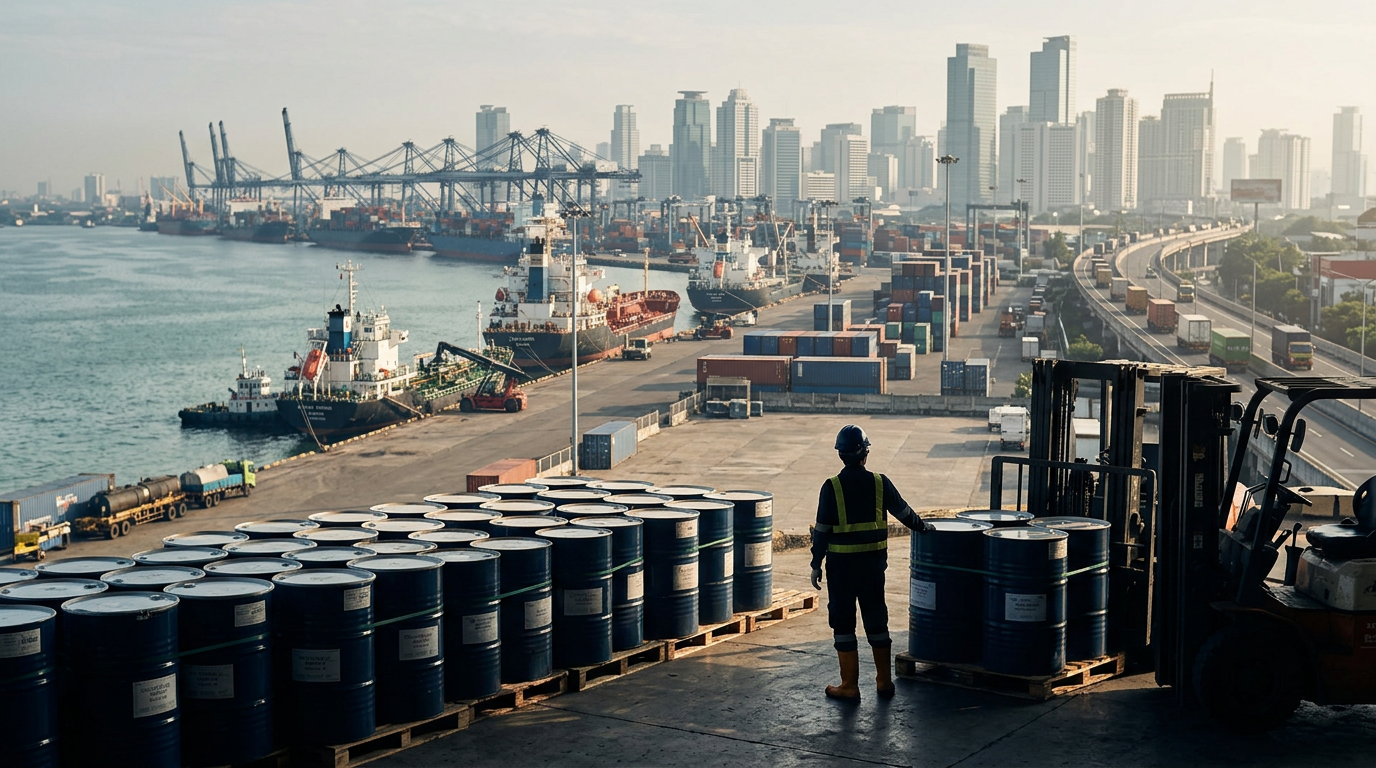
Indonesia is looking to increase the value of its patchouli oil exports by moving into downstream processing and expanding its market reach, according to a recent report from Antara News. This initiative, focused on a single agricultural commodity, reflects a much larger strategic challenge for Indonesia and its neighbors: how to climb the value chain and evolve from a supplier of raw materials into a producer of higher-value finished goods.
The Commodity Trap
For decades, many ASEAN economies have prospered by supplying the world, and particularly China, with raw materials. From Indonesian nickel to Malaysian palm oil, this model has fueled growth. However, it also creates dependency. The Indonesian patchouli case is a microcosm of this. While Indonesia is a leading producer of the raw oil, the real profits are in the fragrances, cosmetics, and pharmaceuticals manufactured elsewhere. The government's plan to foster domestic processing is a direct attempt to capture more of that profit at home.
This ambition requires significant investment in institutional capacity and physical infrastructure. Refineries, processing plants, and the logistics to support them do not appear overnight. It also demands a sophisticated understanding of global markets and the capital to compete. The playbook for this transition is complex, involving industrial policy, investment incentives, and workforce training to ensure the talent is in place to manage these new industries.
Dependency and Optionality
China is the indispensable economic partner for the region. As discussed in ASEAN Rising, this deep trade relationship is a permanent structural feature of the region's economy. The core issue is how to manage this dynamic. The book notes that for ASEAN governments, the question is "how to manage dependency without losing optionality." Relying on a single large buyer for unprocessed commodities is a vulnerable position. Prices can fluctuate, and demand can shift, leaving the supplier exposed.
By developing its own downstream industries, Indonesia can diversify its customer base. Instead of only selling raw patchouli oil to a handful of large buyers, it can produce and export finished or semi-finished goods to a wider array of global markets. This enhances economic sovereignty and builds resilience. It is a strategic move to ensure that deep trade with China does not preclude the development of a more balanced and self-determined economic future. Executing this strategy requires robust institutions that can enforce contracts, protect intellectual property, and provide a stable environment for long-term investment.
What to watch
The Indonesian government's success with patchouli oil will be a case study for the rest of ASEAN. Observers should watch the flow of capital into downstream processing facilities and the development of talent to operate them. The ability of Indonesian firms to secure long-term contracts for higher-value products on the global market will be the ultimate measure of success. This initiative highlights the critical pivot from resource extraction to industrial production that will define the next stage of the region's economic development.