Indonesia
The FIFA ASEAN Cup Kicks Off, But What Comes After?
The FIFA ASEAN Cup 2026 is a test of institutional capacity and follow-through. Can ASEAN build on the foundation of a major sporting event to deliver lasting infrastructure and economic benefits?
The inaugural FIFA ASEAN Cup 2026 began in Jakarta on September 25, an event that organization leaders hope will signal a new phase of cooperation between the global football body and the regional bloc. According to a report from ASEAN.org, the tournament opening at Gelora Bung Karno Stadium represents a milestone in the ASEAN-FIFA partnership.
While the tournament itself is a significant media and cultural event, its lasting impact will depend on what follows. Hosting a major international competition requires substantial investment in infrastructure, logistics, and security. The test is whether these assets will serve the region's long-term development goals or become expensive relics once the games conclude.
From Event to Asset
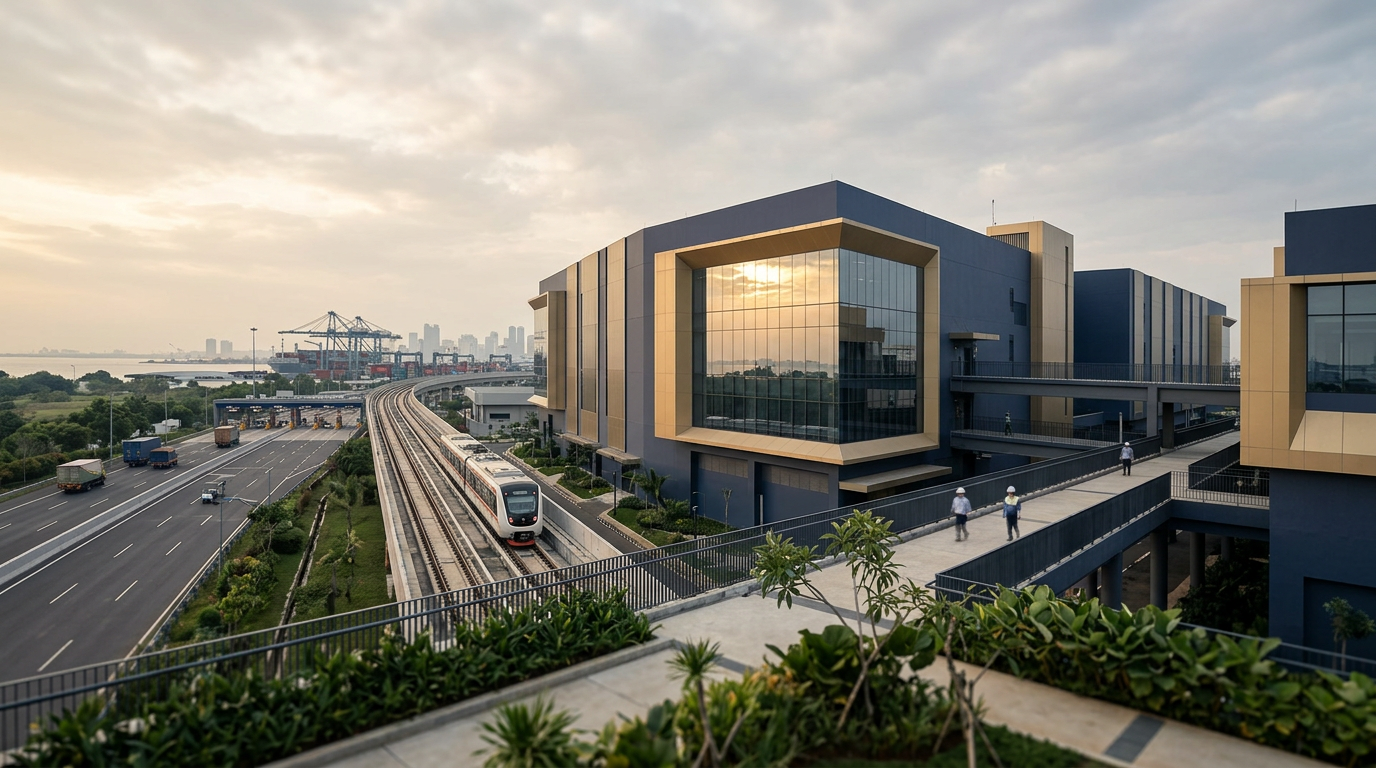
Major sporting events are often framed by their spectacle. However, the true measure of success is how the initial investment translates into durable infrastructure and institutional capacity. The construction and upgrading of stadiums, transportation links, and accommodation are immediate, tangible outcomes. The less visible, but more consequential, results are in the management and operational systems developed to execute the event.
These systems for procurement, project management, and cross-border coordination are the real prize. If they can be institutionalized, they can be applied to more complex regional challenges. As the book "ASEAN Rising" notes, infrastructure that is merely announced has little value. The key is delivery and execution. The tournament provides a hard deadline, forcing alignment among multiple state and non-state actors. This is a powerful mechanism for building state capacity. The ability to deliver a complex, multi-stakeholder event on time and on budget is a strong indicator of a government's effectiveness.
The Cost of Friction
The FIFA ASEAN Cup is not a single-country endeavor; its success depends on the smooth coordination of all member states. This multi-jurisdictional nature makes it a useful case study in regional integration. Bottlenecks in one country can disrupt the entire event. Visa processing, customs clearance for equipment, and security protocols all need to be harmonized.
Any friction in these processes imposes costs, not just in financial terms but also in reputation. For ASEAN, which has a stated goal of deeper economic integration, the tournament is a live exercise in reducing these transactional costs. The book discusses how "institutional reliability has become part of comparative advantage." A region that can demonstrate its ability to manage complexity and reduce friction becomes a more attractive destination for capital. The execution of the ASEAN Cup will be watched closely by investors as a signal of the bloc's capacity for collective action and its commitment to creating a seamless economic space.
What to watch
Beyond the final whistle, the important indicators to track will be how the infrastructure built for the tournament is repurposed. Observers should watch for the establishment of permanent joint committees for regional infrastructure planning that might grow out of the temporary organizing bodies. The harmonization of standards for construction, safety, and project finance used for the event could become a template for future cross-border projects. Finally, the movement of talent and labor to support the tournament could inform policy discussions on skilled migration within the bloc. The long-term legacy of the cup will be measured in these institutional, not just sporting, achievements.