Indonesia
Indonesia's Commodity Bourse and the Perils of Price Setting
Indonesia plans a new commodity exchange to set its own prices, but this move highlights the challenge of managing economic sovereignty while deeply integrated with global markets, particularly China.
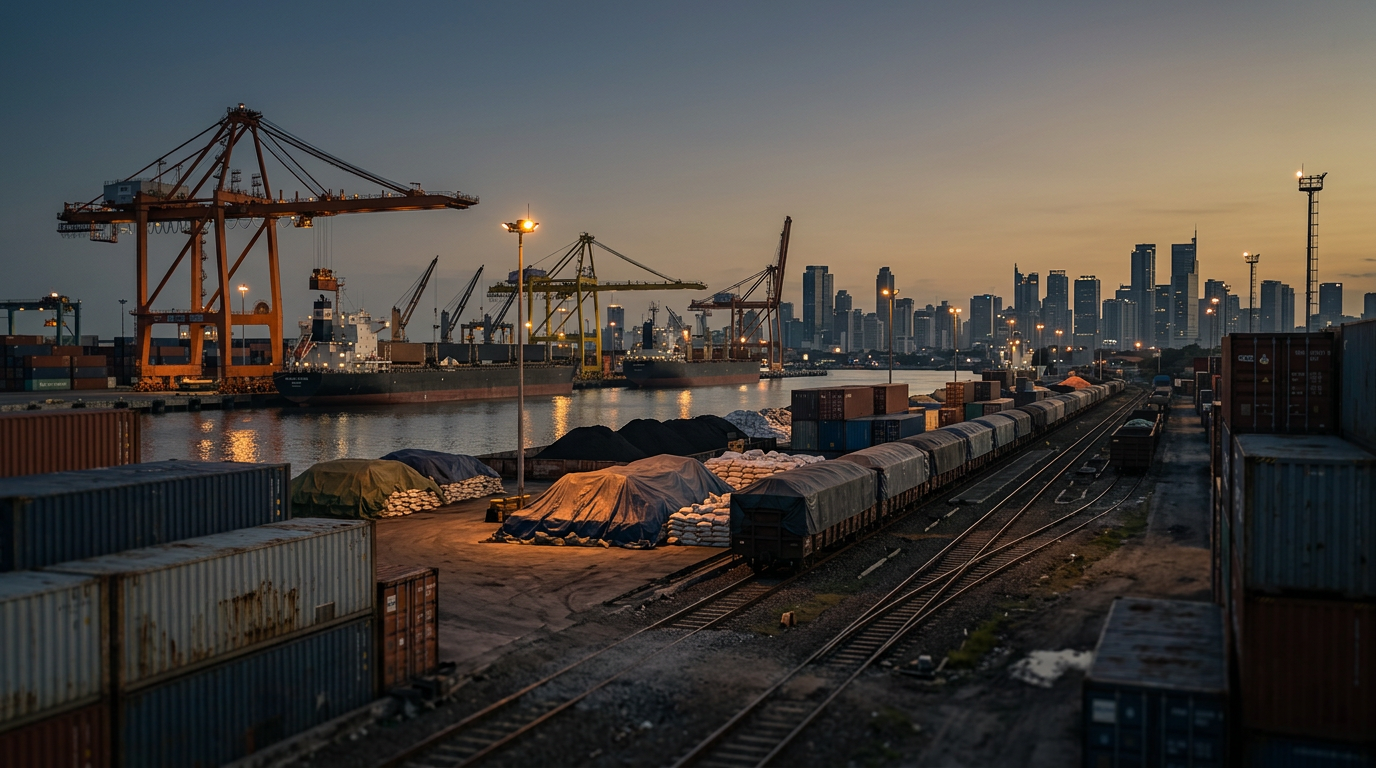
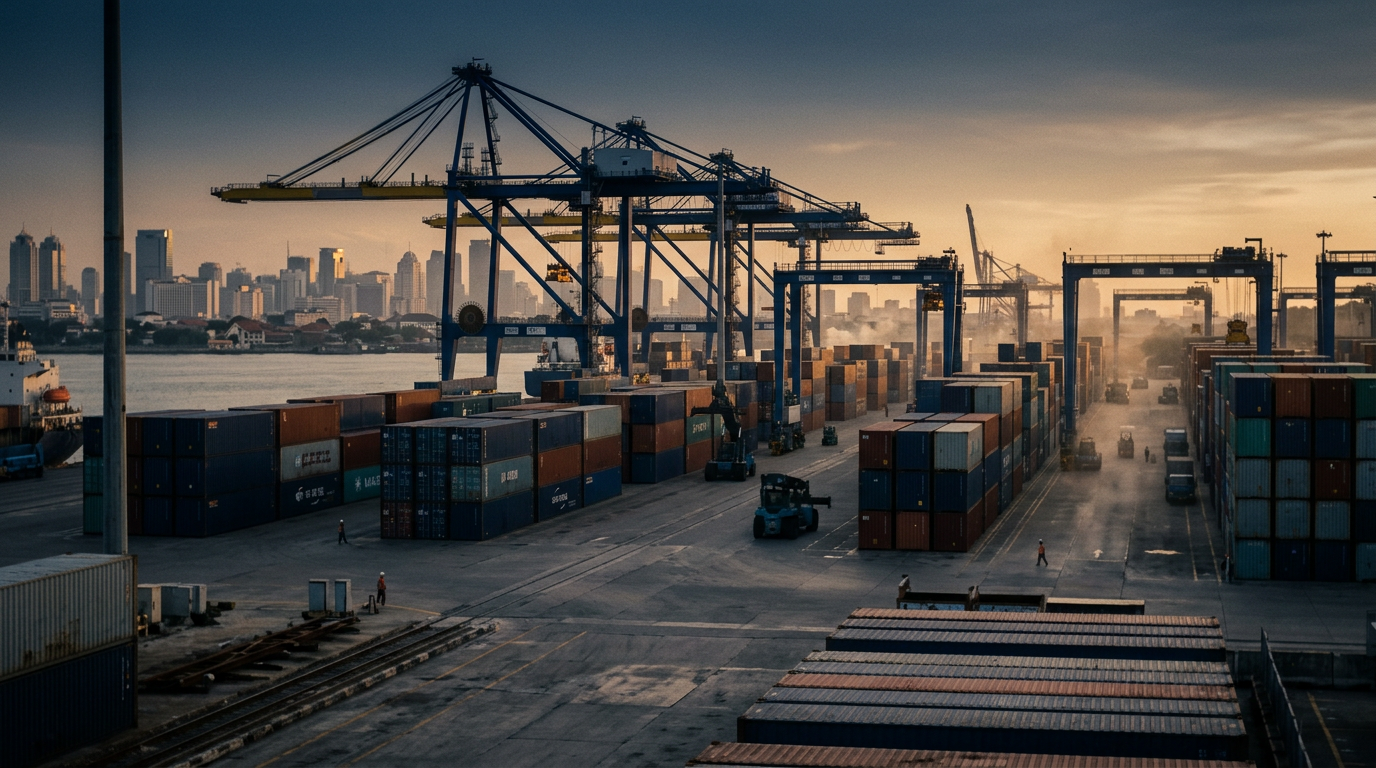
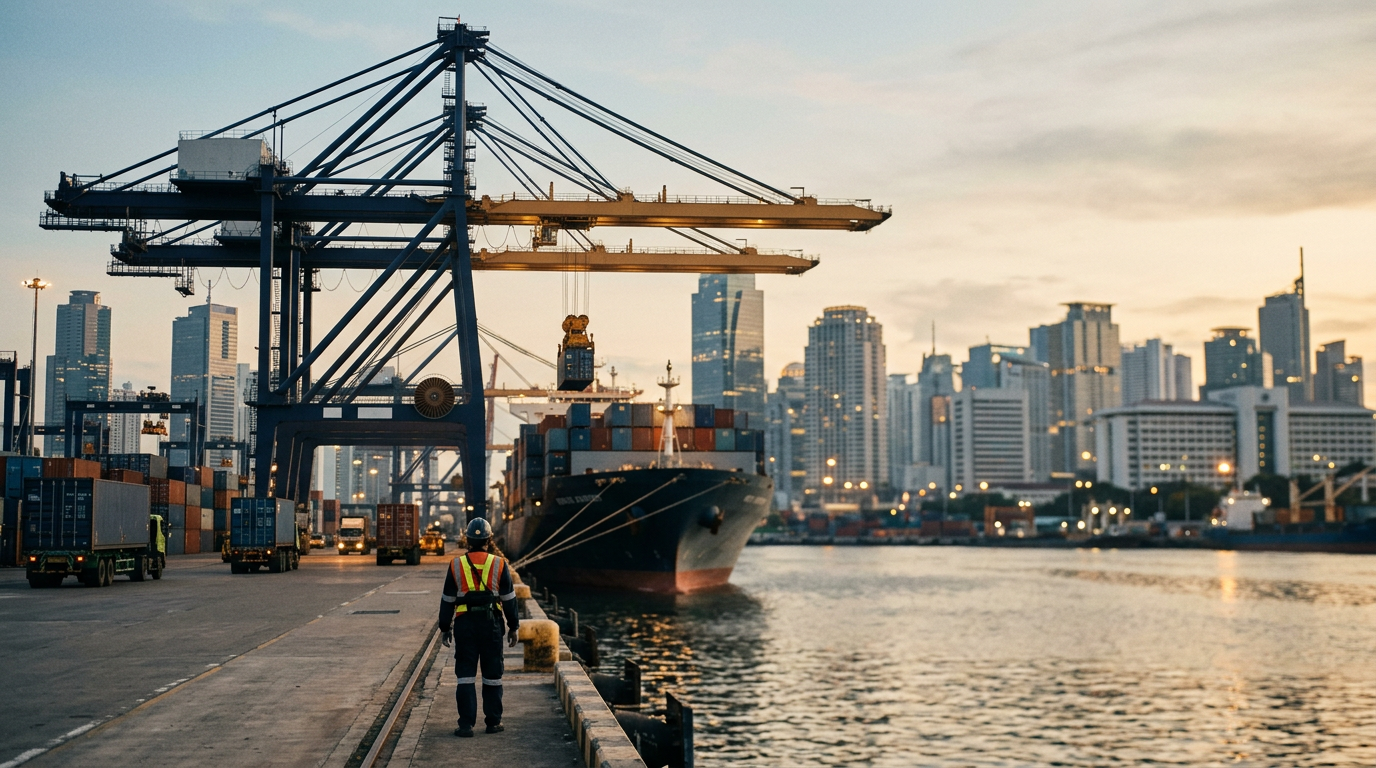
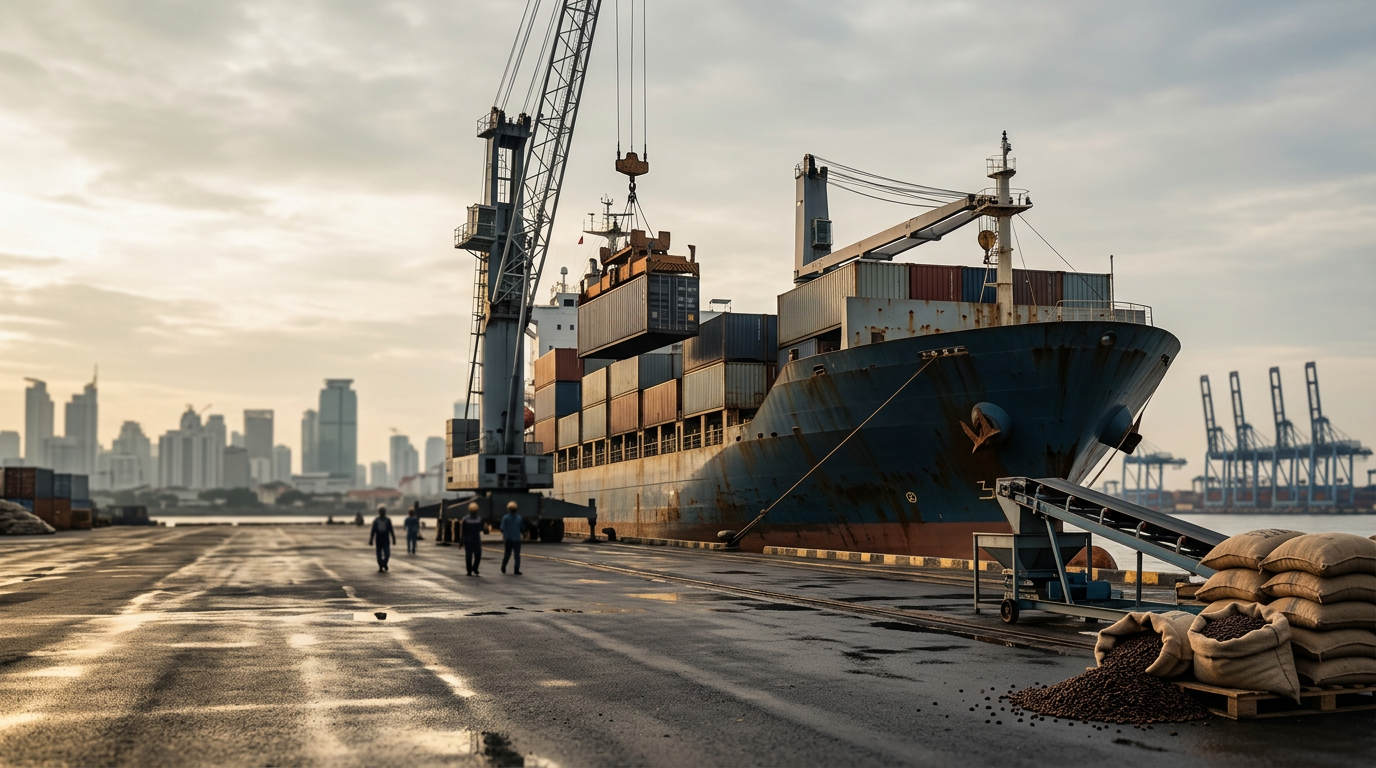
Indonesian President Prabowo Subianto is advancing a plan to establish a new national commodity exchange by early next year, a move intended to give Jakarta more control over setting the prices for its strategic resources. As reported by Reuters, the initiative reflects a drive to assert economic sovereignty under the banner of "our resources, our prices." While the policy is directed at global markets, its most significant implications concern Indonesia's largest trading partner: China.
The Gravity of Trade Depth
The push for a state-influenced pricing mechanism is a direct response to Indonesia's deep integration into global supply chains, where it often acts as a price-taker. This is especially true in its relationship with China, the dominant buyer for many of its key commodities, from nickel and coal to palm oil. Jakarta's dependency is not just a matter of trade volume but of market structure. Chinese investment has financed much of the downstream processing infrastructure for these commodities, particularly in the nickel sector, creating a tightly integrated system from mine to factory. The Indonesian government sees a domestic commodity bourse as a tool to recapture value and exercise greater control over its economic destiny. However, this presumes that a state-backed exchange can effectively supersede the pricing dynamics of the London Metal Exchange (LME) or the Shanghai Futures Exchange (SHFE), where global supply and demand are arbitrated.
Institutions and Execution
For the bourse to succeed, Indonesia must build robust institutions capable of managing complex market functions, from warehousing and grading to clearing and settlement. This requires not only significant capital investment in physical and digital infrastructure but also deep reserves of talent in commodity trading, regulation, and risk management. The government's ability to execute this vision will determine whether the exchange becomes a credible price-setting venue or a state-controlled entity that traders and international partners bypass. As the book "ASEAN Rising" notes, for ASEAN governments, the central challenge is "how to manage dependency without losing optionality." A poorly executed bourse could isolate Indonesia from global capital flows and reduce, rather than enhance, its economic options.
Capital and Trust
The ultimate arbiters of the new exchange's success will be the market participants themselves. Attracting the necessary liquidity requires building trust. International traders, investors, and industrial consumers must have confidence in the bourse's governance, transparency, and impartiality. If prices are perceived as being dictated by political objectives rather than market fundamentals, participants will continue to use established international venues for hedging and price discovery. China, as the primary industrial consumer of Indonesian commodities, holds a particularly strong hand. Beijing's willingness to adopt or reject the new pricing benchmark will be a decisive factor. Indonesia's initiative tests whether a single producing nation can unilaterally reshape pricing power in a market where the buyer holds significant structural leverage.
What to watch
The key indicator of success will be the bourse's ability to attract and sustain trading liquidity after its launch. Observers should monitor the trading volumes for strategic commodities like nickel and tin, and whether international players, particularly from China, participate meaningfully. The government's rules on export licensing and whether they are tied to the new exchange will also signal its commitment to enforcing the bourse's role as the primary pricing mechanism. The reaction from global commodity hubs like London and Shanghai will reveal how seriously the market takes Jakarta's bid for pricing power.