Indonesia
Indonesia, Uruguay, and the Trade Diversification Imperative
Indonesia is expanding commodity export cooperation with Uruguay, a move that reflects a broader ASEAN strategy to manage trade dependency on China.
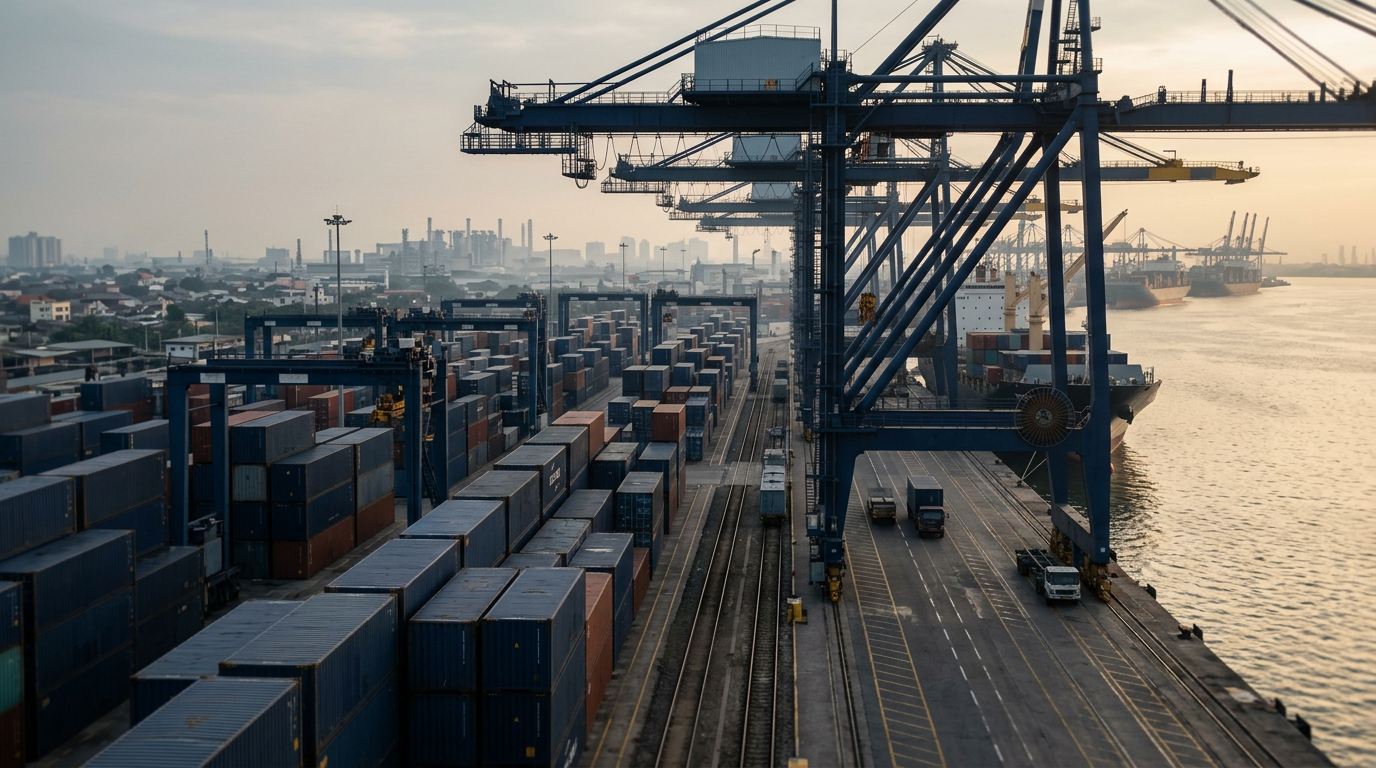
Indonesia is expanding its trade cooperation with Uruguay to open new avenues for its commodity exports, according to a report from Antara News. The head of the Indonesia Quarantine Agency highlighted the initiative as a way to broaden market access in Latin America. While a bilateral agreement with a smaller economy like Uruguay might seem minor, it points to a larger, structural imperative for ASEAN member states: trade diversification.
Managing Dependency
The economic relationship between ASEAN and China is defined by deep, structural integration. For nations like Indonesia, trade with China is a primary driver of economic growth, a source of foreign direct investment, and a key link in regional supply chains. As outlined in ASEAN Rising, this "trade depth with China is now a structural feature, not a cyclical one." The core task for economic policymakers is no longer about choosing whether to trade with China, but how to build a resilient economic strategy that is not solely dependent on a single partner.
This is where agreements with countries like Uruguay become relevant. They represent a deliberate effort to build new trade channels and reduce over-reliance on any one market. By seeking new destinations for its agricultural and animal product commodities, Indonesia is actively building economic optionality. These are not grand gestures, but practical, incremental steps to diversify its export base and mitigate the risks associated with dependency on a single, large trading partner.
Execution and Institutional Capacity
Successfully diversifying trade requires more than just signing agreements. It demands strong institutional execution. The involvement of the Indonesia Quarantine Agency in the Uruguay talks is telling. It shows that the focus is on the technical, non-tariff barriers that often represent the most significant hurdles to trade in agricultural goods. Harmonizing standards, streamlining inspections, and building trust between regulatory bodies are essential components of opening new markets.
This focus on the practical details of trade facilitation demonstrates an understanding that successful economic statecraft is built on institutional capacity. It is the patient work of agencies and ministries, tasked with implementing policy, that turns high-level strategic goals into tangible economic outcomes. Building these institutional links with a variety of partners, from South America to other regions, strengthens Indonesia's ability to navigate the complex global trade environment.
Capital and Infrastructure
A diversified trade strategy also requires supportive infrastructure and capital. While the Uruguay agreement focuses on commodities, the broader challenge for Indonesia is to finance and build the logistical networks-ports, roads, and digital systems-that can efficiently connect its producers to a wider array of global markets. Investment in this infrastructure is critical for reducing transport costs and improving the competitiveness of Indonesian exports.
As Indonesia seeks to expand its trade horizons, the ability to attract capital for these infrastructure projects will be a determining factor in its success. This involves creating a stable and predictable investment climate. For Indonesia, building out its domestic infrastructure is as important to its diversification strategy as the trade agreements it signs. The goal is to create a robust and flexible economic platform capable of servicing multiple global partners, thereby ensuring long-term resilience.
What to watch
Observe whether this Indonesia-Uruguay initiative is followed by similar agreements with other non-traditional trading partners, both in Latin America and other regions. Also, monitor Indonesia's domestic investment in logistics and port infrastructure, which is essential to support a more geographically diverse export strategy. The success of this diversification push will depend on translating bilateral agreements into sustained trade flows, which requires both diplomatic and domestic execution.