
ASEAN Analysis & Commentary
Every analysis published on ASEAN Rising is sourced, datestamped and signed. We're more interested in being right in 12 months than first in 12 minutes.
Foundation pieces
Start here. The three pieces below set out the lens ASEAN Rising uses to read every story.
ASEAN Rising's core lens. Execution Economics is the study of whether countries, companies and institutions can convert obvious potential into delivered outcomes - and which six pillars decide the answer.
The region has capital, demographics, location and policy ambition. None of that has ever been the binding constraint. The next decade is an execution test, not a potential test - and it is already being scored.
Malaysia is the test case for whether ASEAN's middle powers can turn FDI, semiconductors and data centres into compounding domestic capability. Read the live coverage and execution scorecard.
Analysis tagged #malaysia
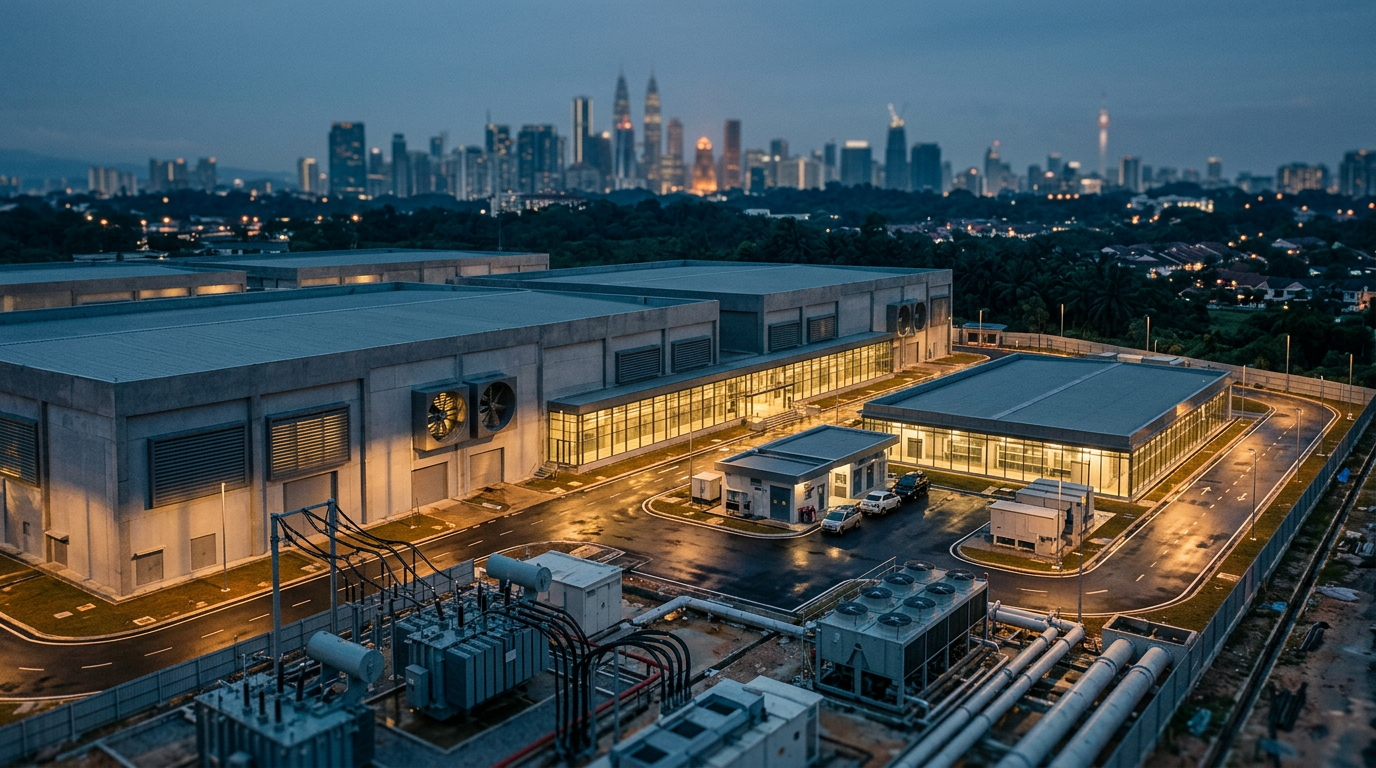
 Malaysia
's Data Centre Boom Tests Its Foundations
Malaysia is attracting record FDI in data centres. Execution on land, power, and talent will determine if this translates into sustained growth.
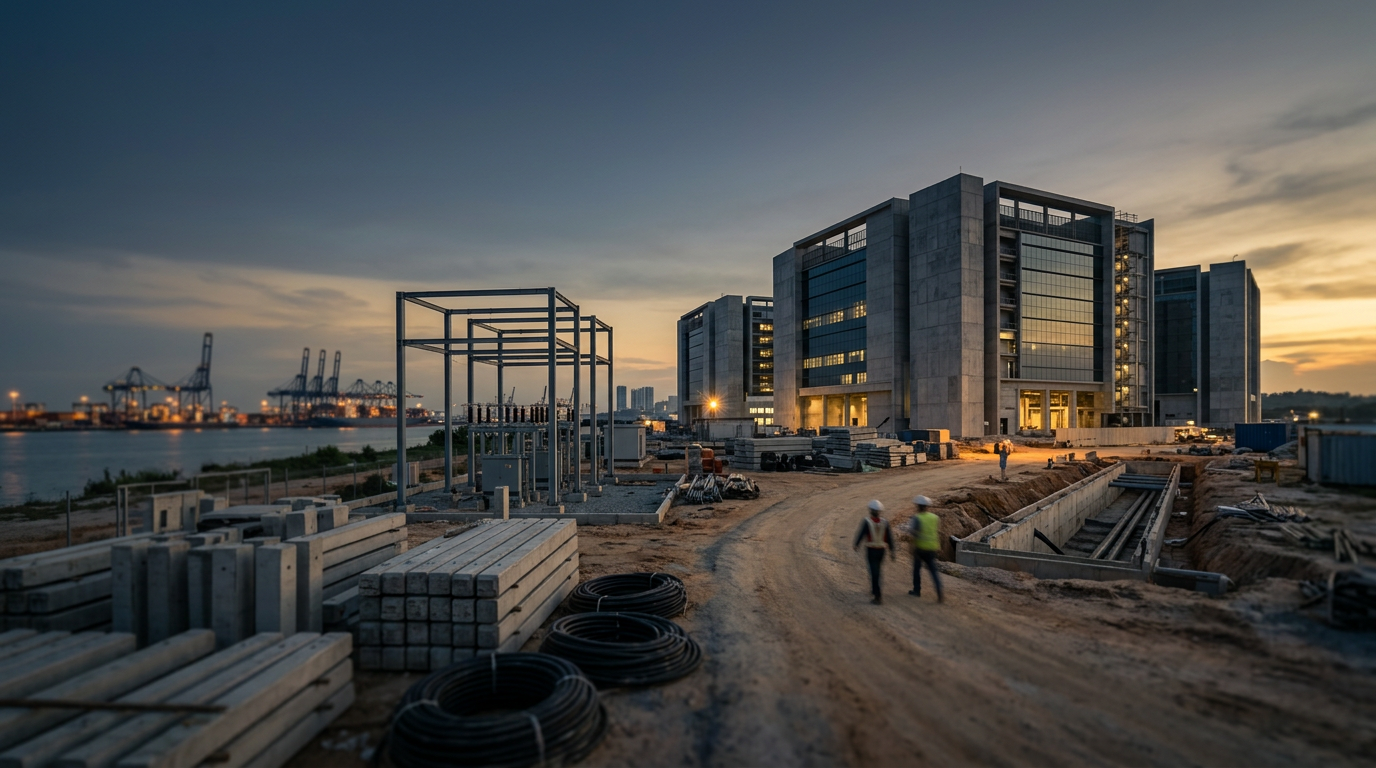 Malaysia
's Data Centre Boom Tests Its Foundations
Malaysia's data centre boom is attracting significant foreign investment. But growth depends on the slower work of land, permits, power and talent.
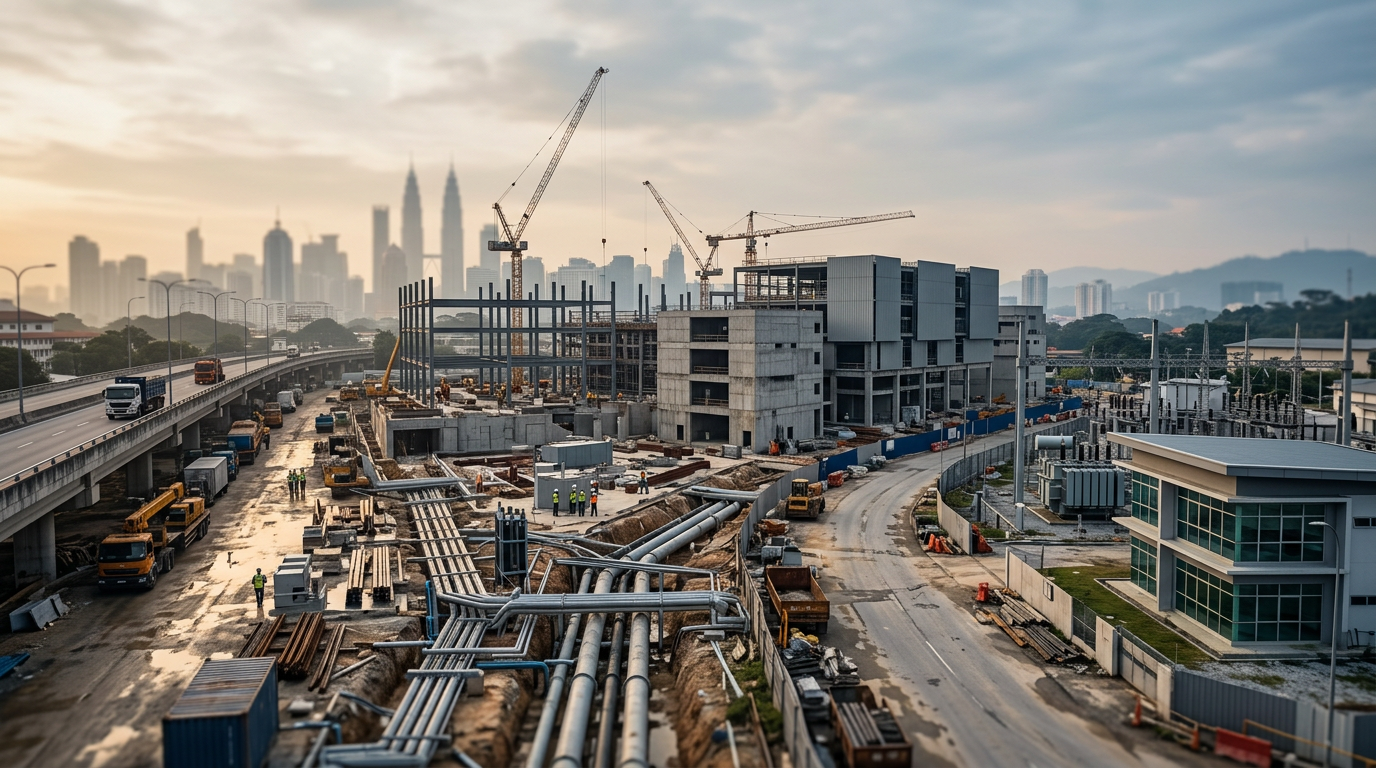 Malaysia
's FDI Ambitions Test Its Institutional Capacity
Malaysia's FDI successes are clear, but a resilient economy depends on the slower work of improving land, permits, power, and talent.

 Singapore
, Not Just One City
Can Singapore's model for institutional excellence be replicated or extended? The city-state's role as a platform for regional investment is well-established, but its next phase of growth may depend on deeper integration with its neighbours.
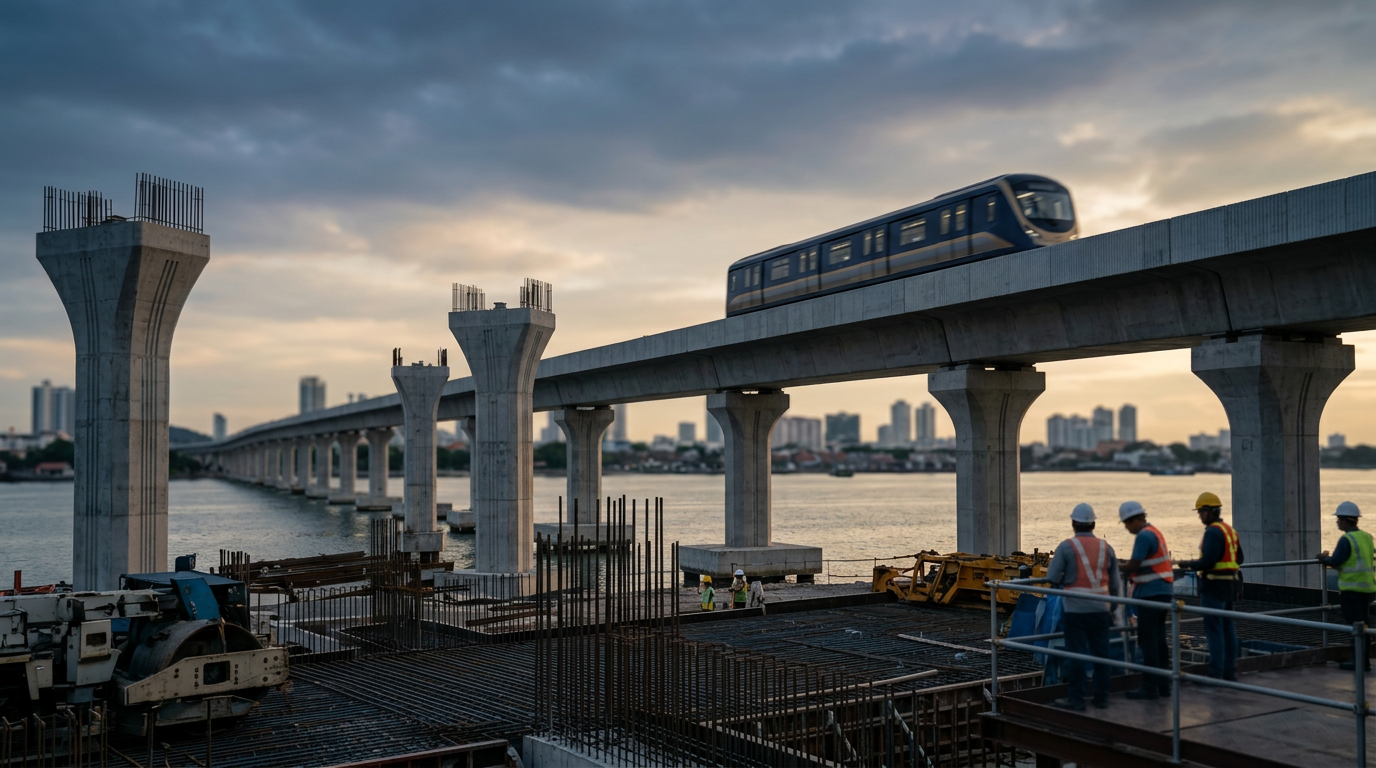 Malaysia
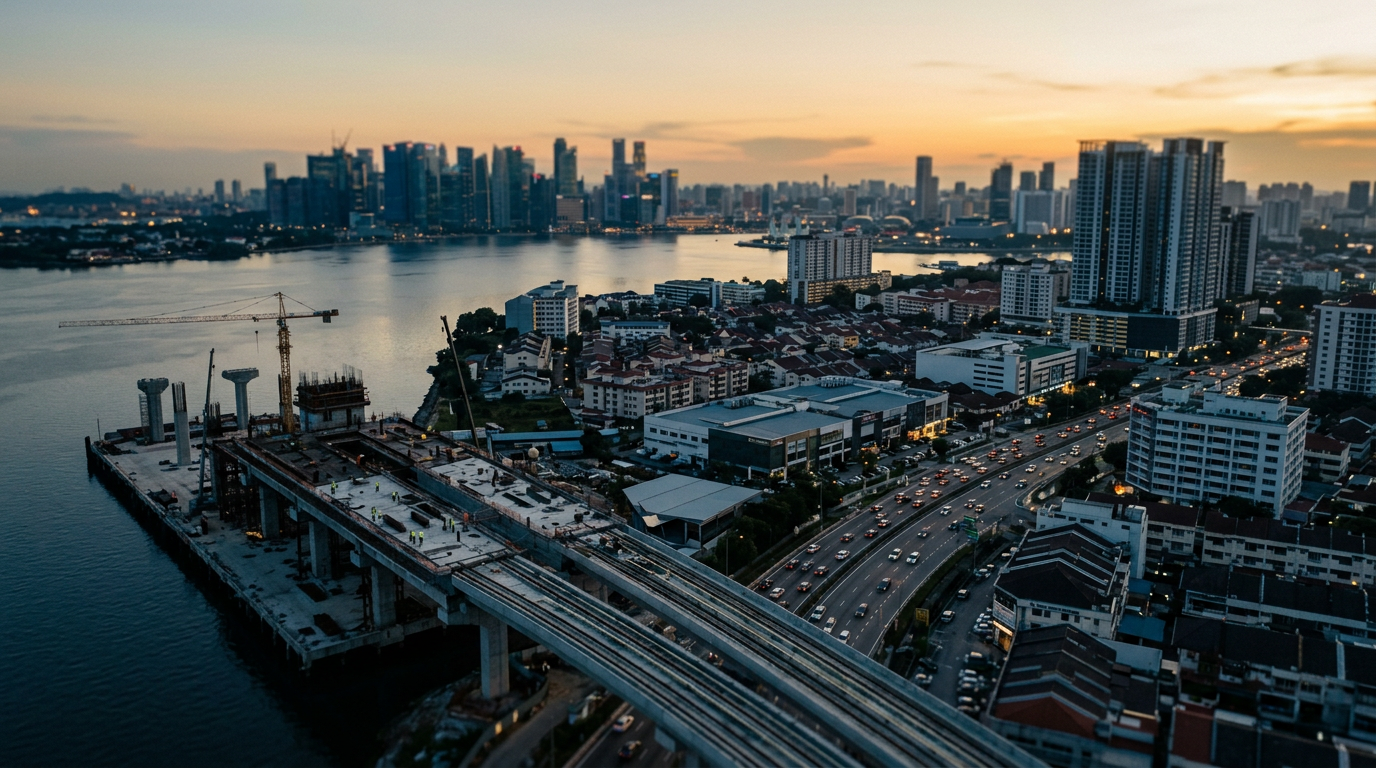
Penang LRT: A Test of Institutional Capacity
The Mutiara Line LRT project in Penang is more than a transportation initiative; it is a signal of Malaysia's institutional capacity to deliver complex infrastructure on schedule. While short-term disruptions are inevitable, the long-term economic benefits depend on the.
 Malaysia
 Delays, Singapore Dollars
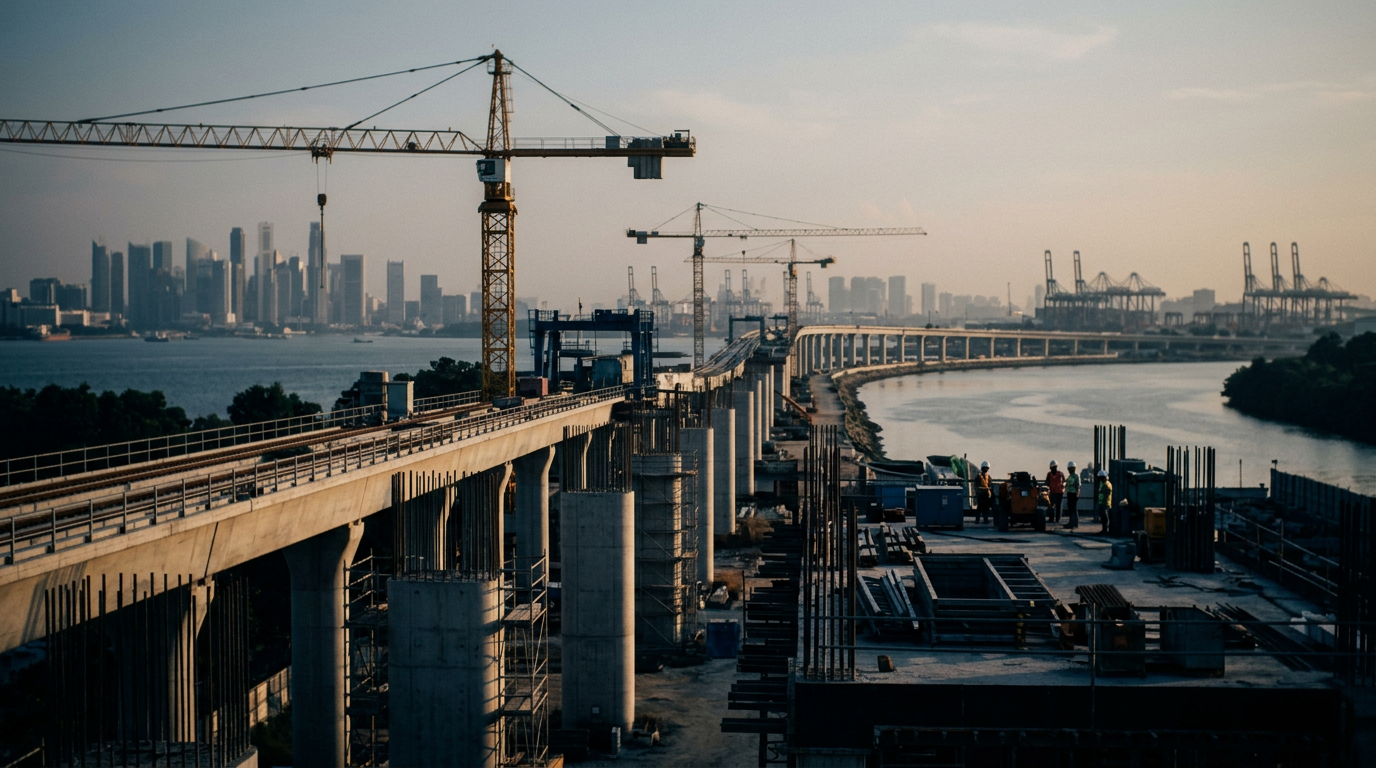
The delay of the Johor Bahru-Singapore RTS Link highlights the persistent gap between investment announcements and on-the-ground execution in Southeast Asia.
 Malaysia
's RTS Link Delay Highlights the Governance Gap
The delay in the Johor Bahru-Singapore rail link shows that announcements are easy, but execution is hard.
 Malaysia
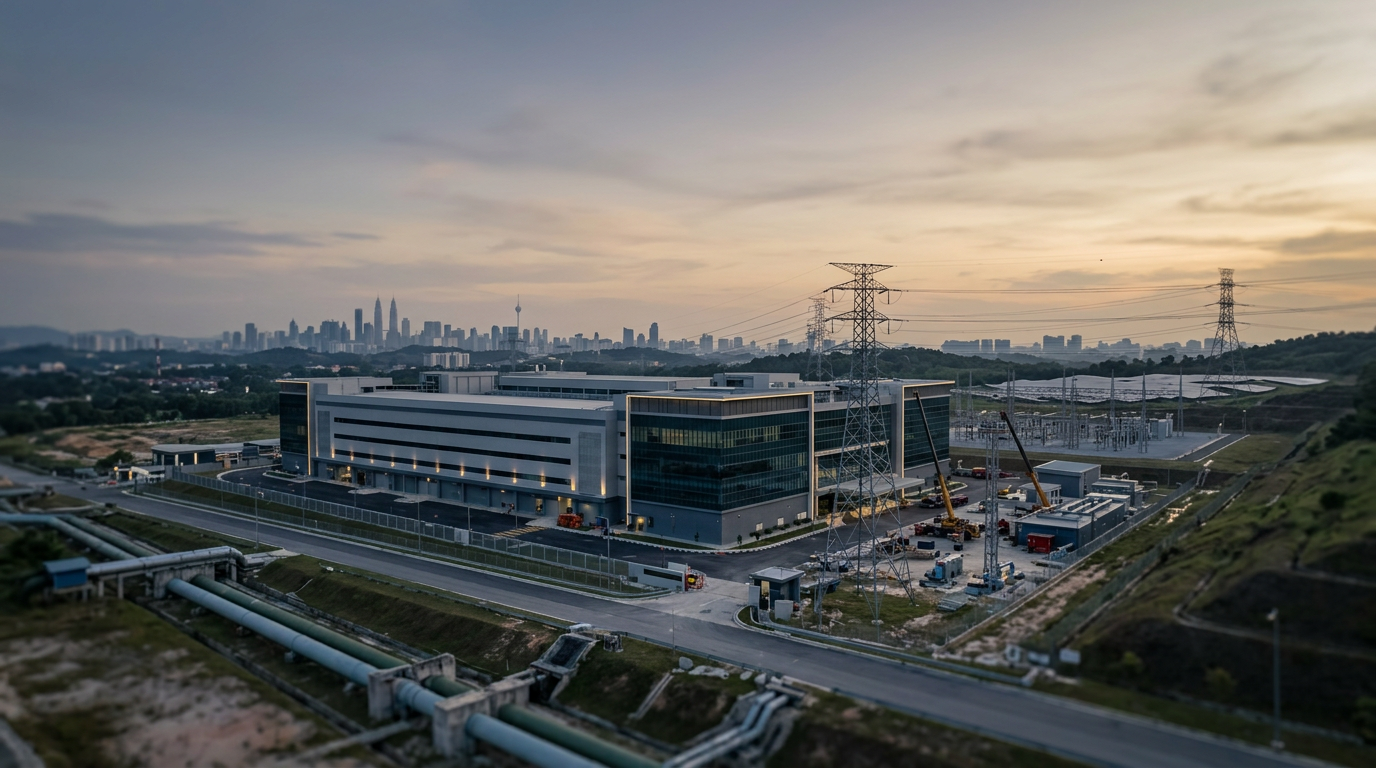
's Data Center Ambition Hinges on Coordinated Infrastructure
A recent joint venture to build renewable energy-powered data centers in Malaysia highlights the nation's ambition to become a regional hub. However, success will depend on more than just attracting investment; it requires the kind of deep infrastructure and utility.
 Malaysia
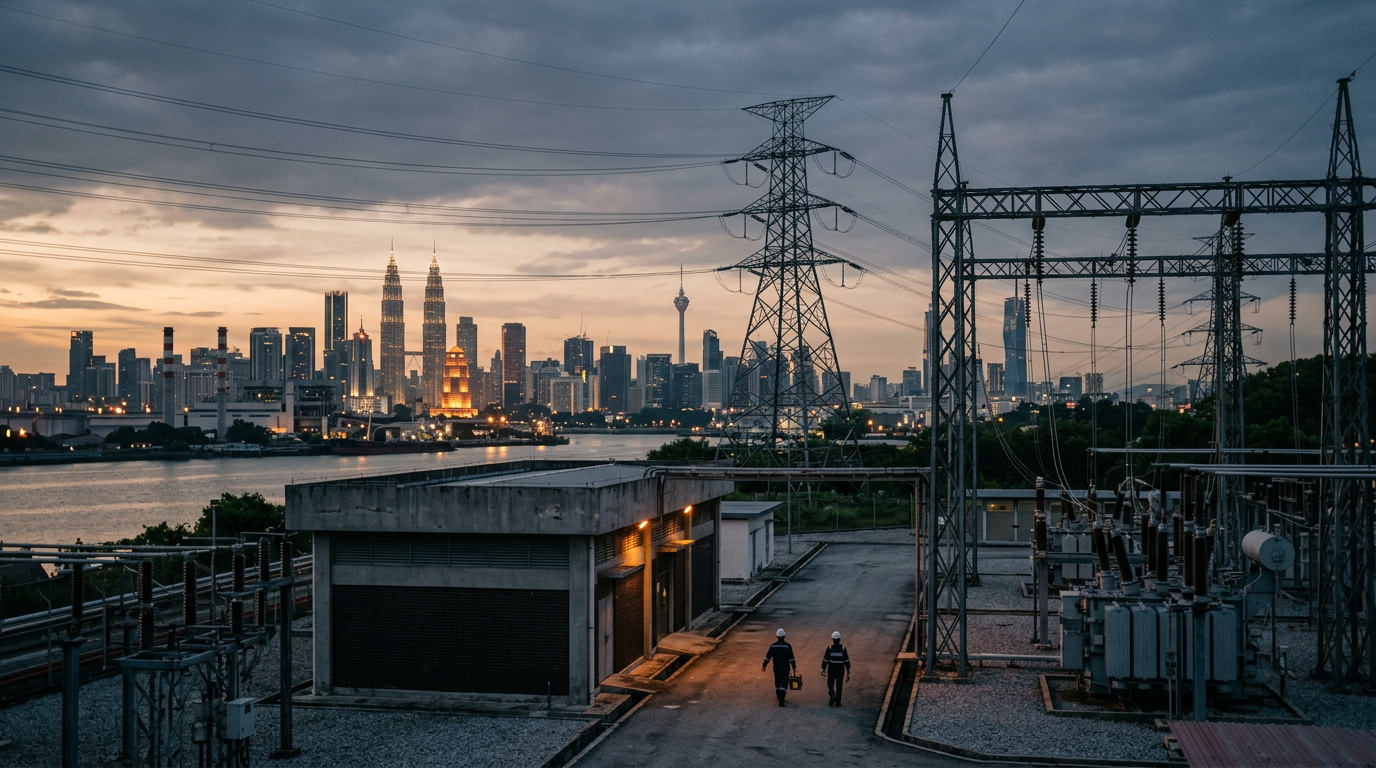
's electricity price spike tests its institutions
Rising spot electricity prices in Malaysia are a textbook case of state capacity under pressure. The real test is not the price spike itself, but the institutional response to it.
 Malaysia
's Energy Market Test
Recent volatility in Malaysia's wholesale electricity market offers a glimpse into the institutional growing pains of market liberalization and the energy transition.
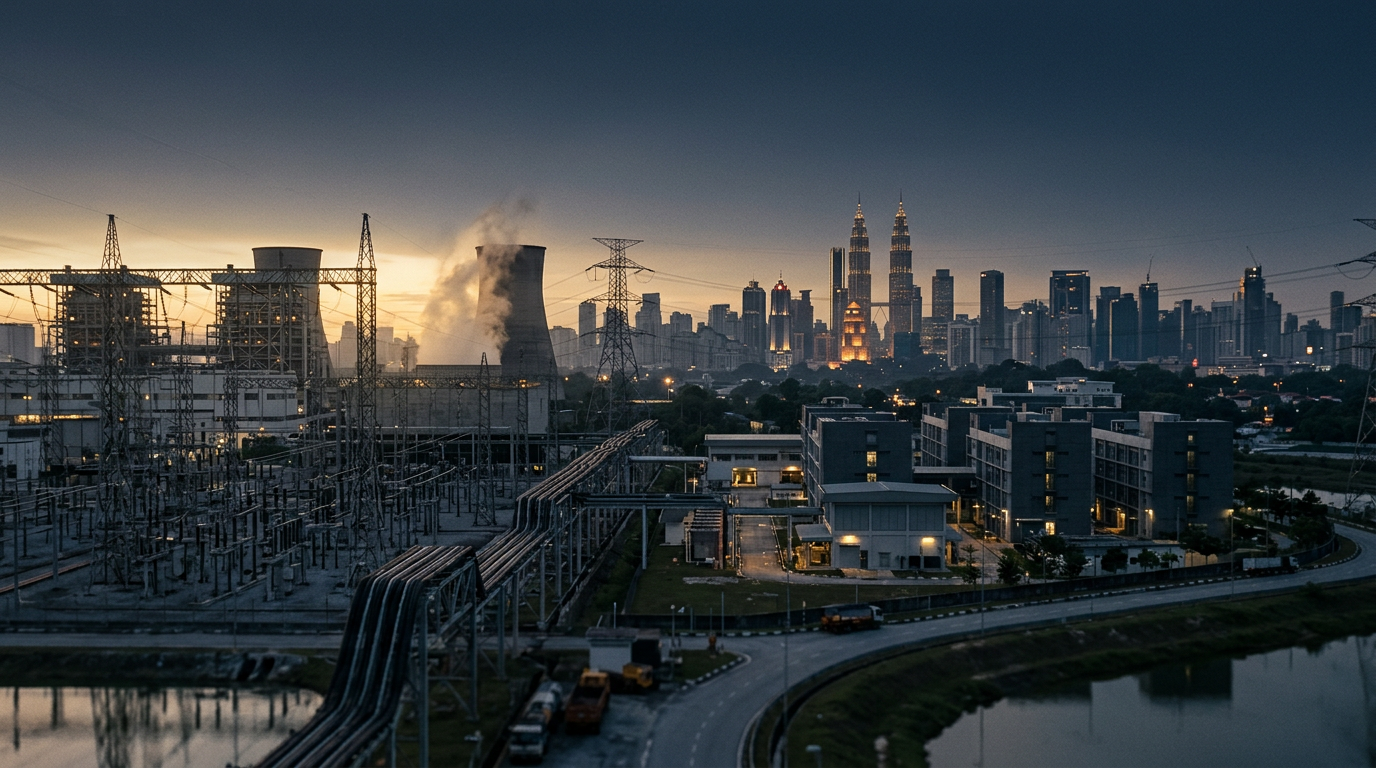 Malaysia
's Electricity Price Spike Tests its Institutions
A recent spike in spot electricity prices in Malaysia puts the focus on the country's institutional capacity to deliver reliable and affordable power. While not immediately affecting households, it points to deeper questions about energy infrastructure and market regulation.
 Malaysia
's Electricity Price Spike Tests its Institutions
A recent surge in spot electricity prices highlights the tension between market forces and state capacity in Malaysia, putting the country's institutional framework for energy governance to the test.
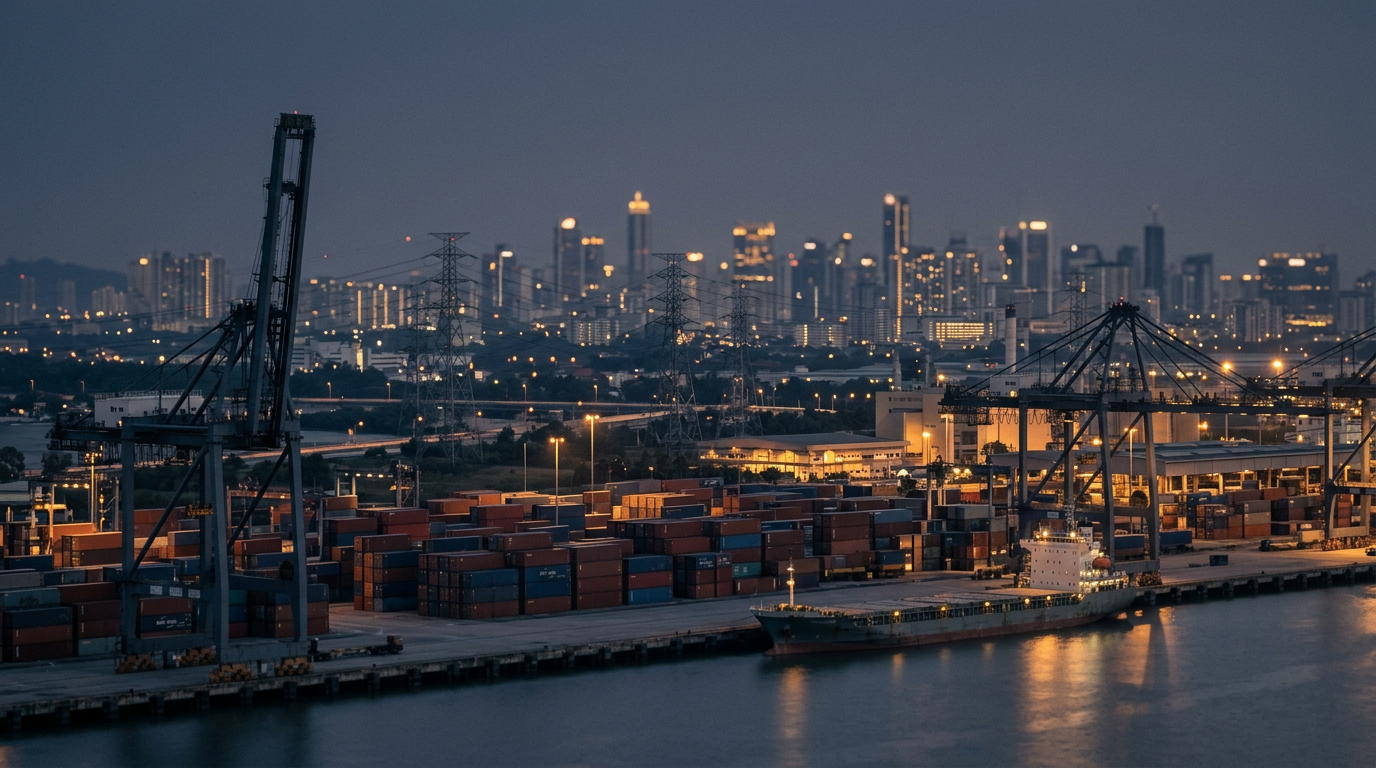 Malaysia
's electricity price spike shows the value of boring infrastructure
Malaysia's recent electricity price spike shows that the value of infrastructure is not in its announcement, but in its execution.
 Singapore
's Data Centre Leadership: A Test of Coordinated Capital
A recent PwC forecast highlights massive growth in data centre investment in Singapore and Malaysia, but capital alone is not enough. Execution requires a level of institutional coordination that has become a Singaporean signature.
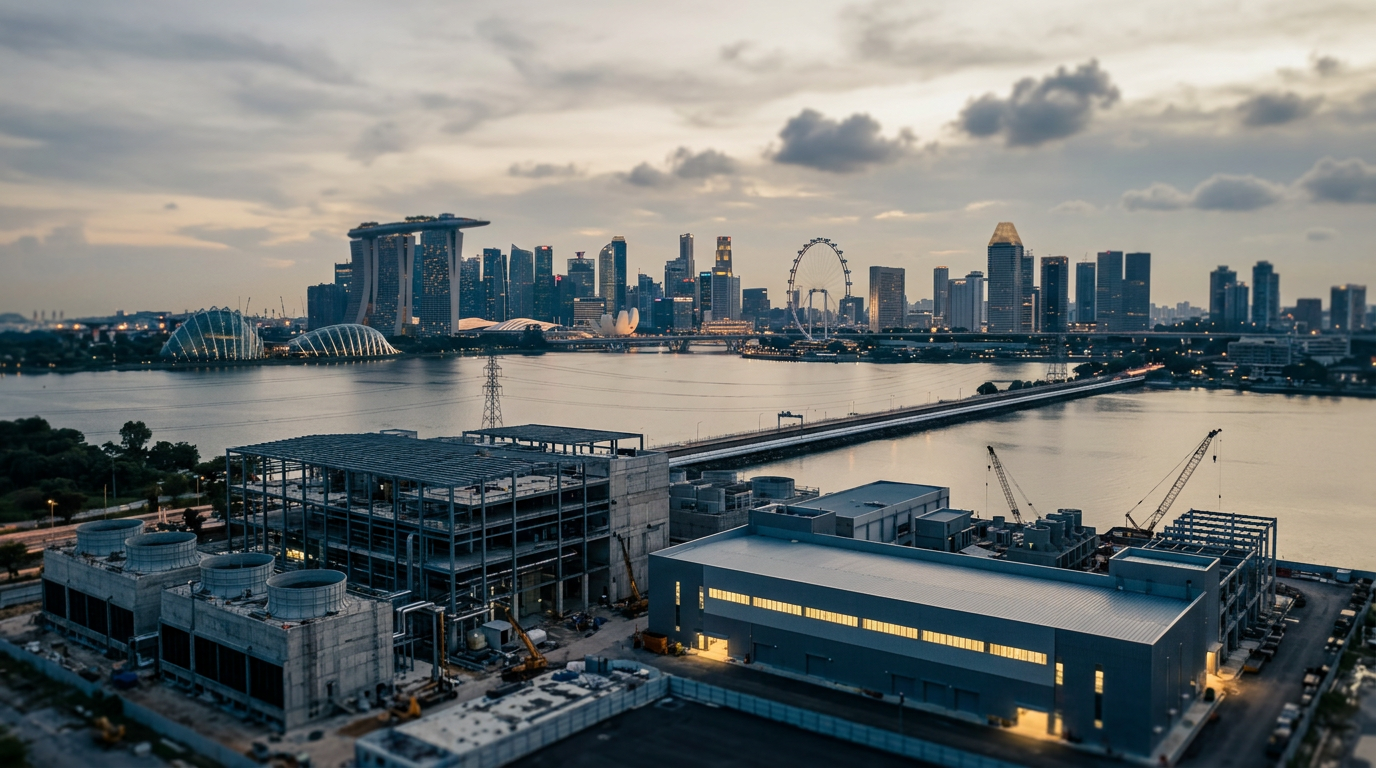 Singapore
, Malaysia, and the Data Center Surge
A new PwC forecast for data center investment in Singapore and Malaysia shows that capital follows coordination. Singapore's established ecosystem gives it a powerful head start, but Malaysia's industrial capacity is attracting significant investment.
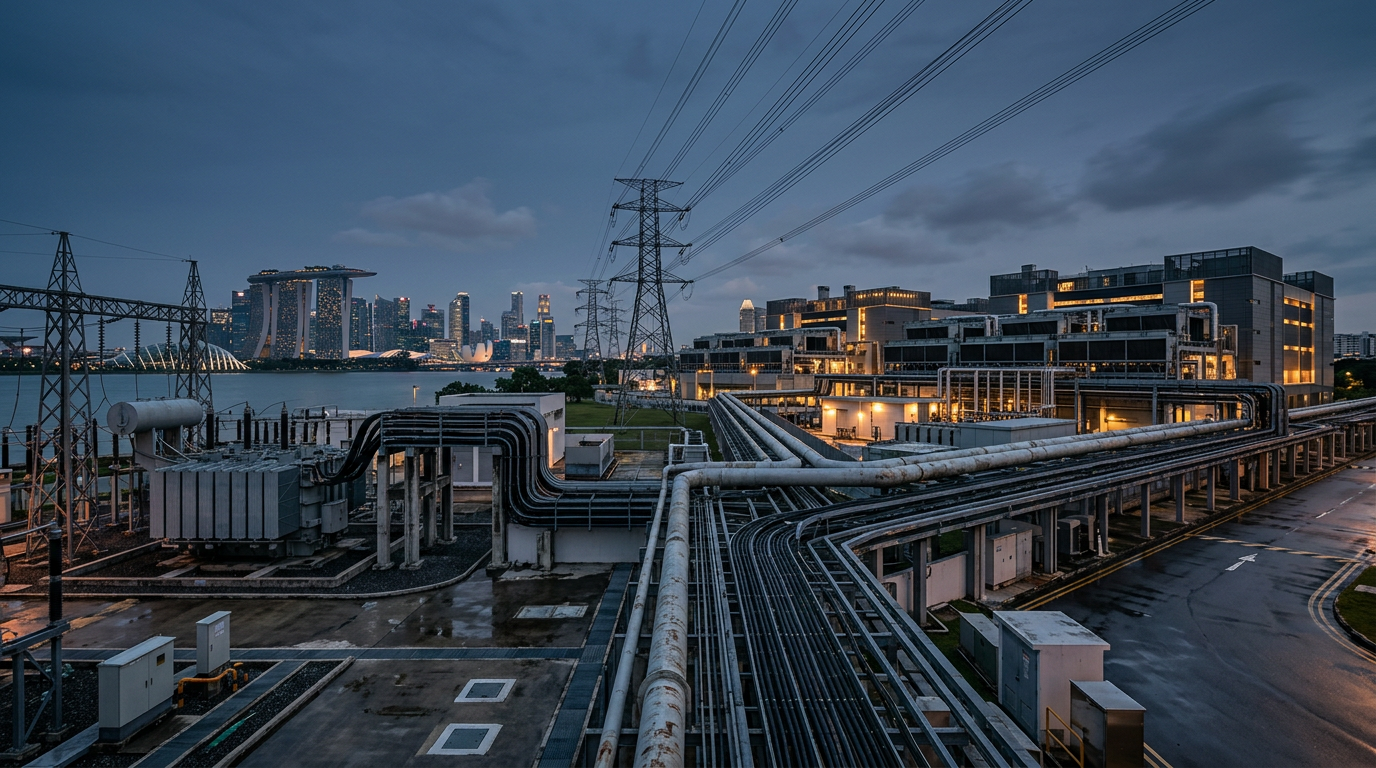 Singapore
Data Centers and the Coordination Premium
PwC projects Singapore's yearly data center investments to hit US$19.2 billion by 2050. This reflects a regional trend where coordinated planning of utilities, connectivity, and land is a key industrial input, as detailed in ASEAN Rising.
 Singapore
, Malaysia, and the Data Center Surge
A new PwC forecast on data center investment in Singapore and Malaysia highlights a core theme of ASEAN's growth: the institutional capacity to coordinate complex industrial inputs like power, connectivity, and planning.
 Singapore
, Malaysia, and the Hyperscale Squeeze
Data center investment is pouring into Singapore and Malaysia. While Singapore has a head start, Malaysia's own industrial policy is setting up a classic contest for hyperscale dominance.
 Singapore
, Malaysia, and the data centre boom
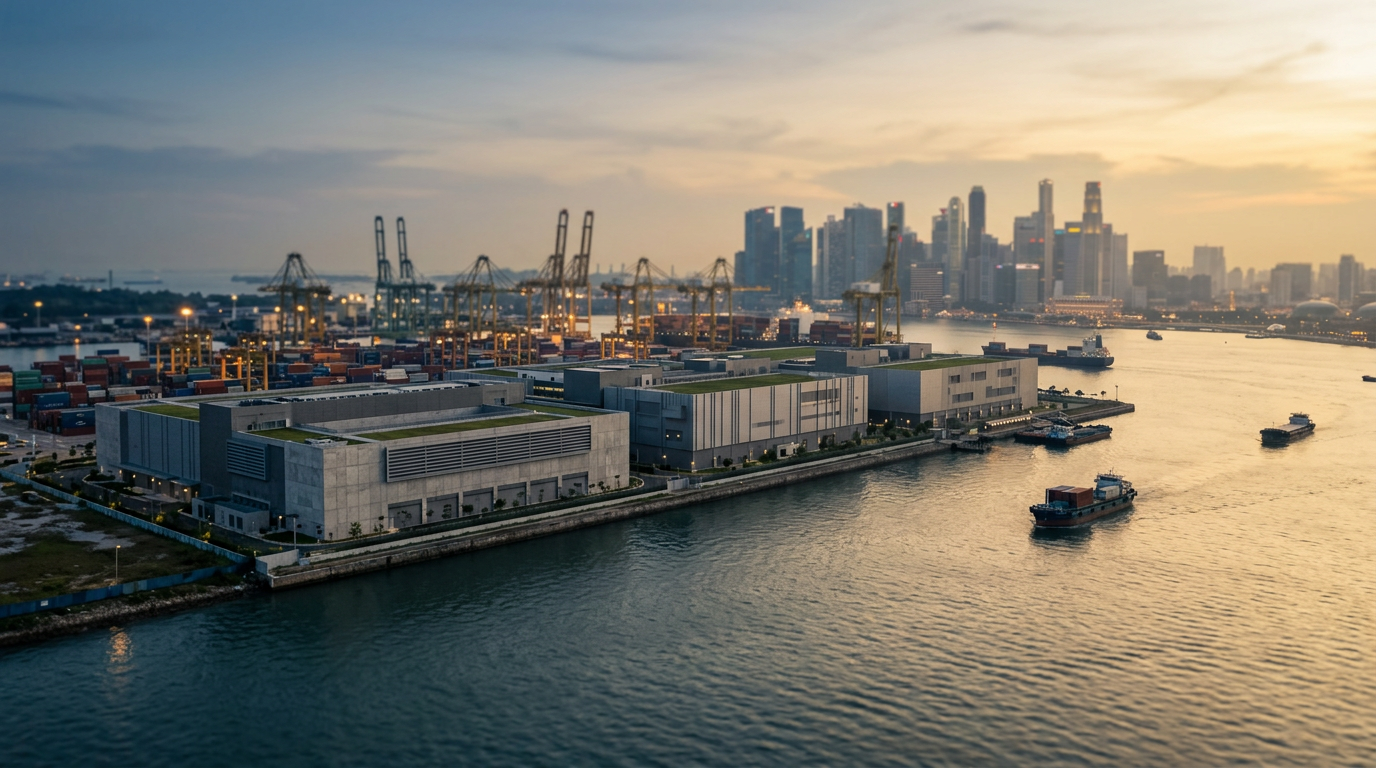
PwC forecasts Singapore's annual data centre investment to reach US$19.2 billion by 2050, as part of a US$1.29 trillion regional surge that includes Malaysia.
 Singapore
, Malaysia, and the Data Center Land Rush
A recent PwC forecast for data center investment in Singapore and Malaysia highlights the institutional factors that attract hyperscale capacity. While Singapore has a head start, Malaysia is leveraging its own strengths in land and power to compete.
 Malaysia
's Semiconductor Rise and the China Question
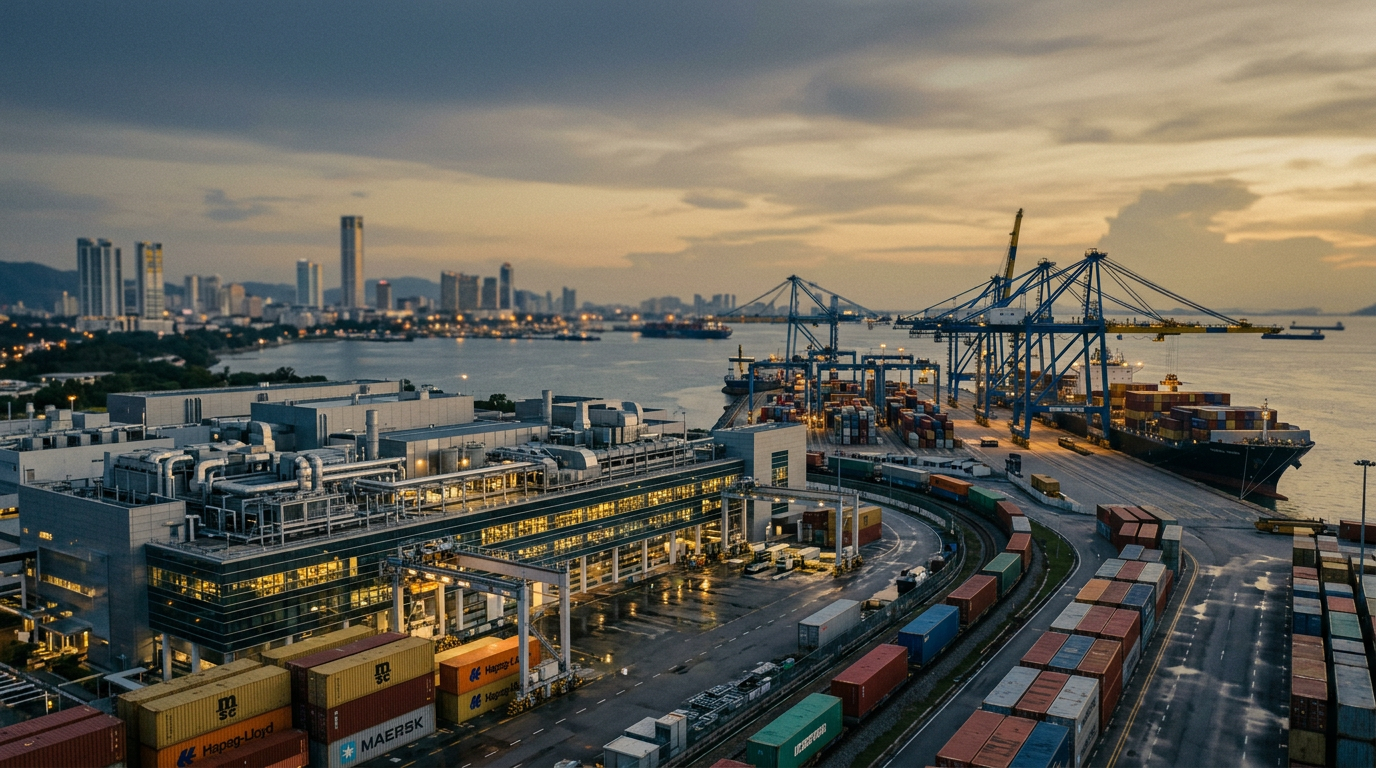
Robust semiconductor shipments are helping sustain Malaysia's export momentum. This highlights the sector's growing importance, but it also surfaces a deeper question about how to manage economic dependency in a strategic industry.
 Malaysia
Penang
A temporary road closure in Penang highlights the recurring gap between infrastructure announcements and on-the-ground execution.
 Malaysia
's Data Center Buildout Tests Its Coordination
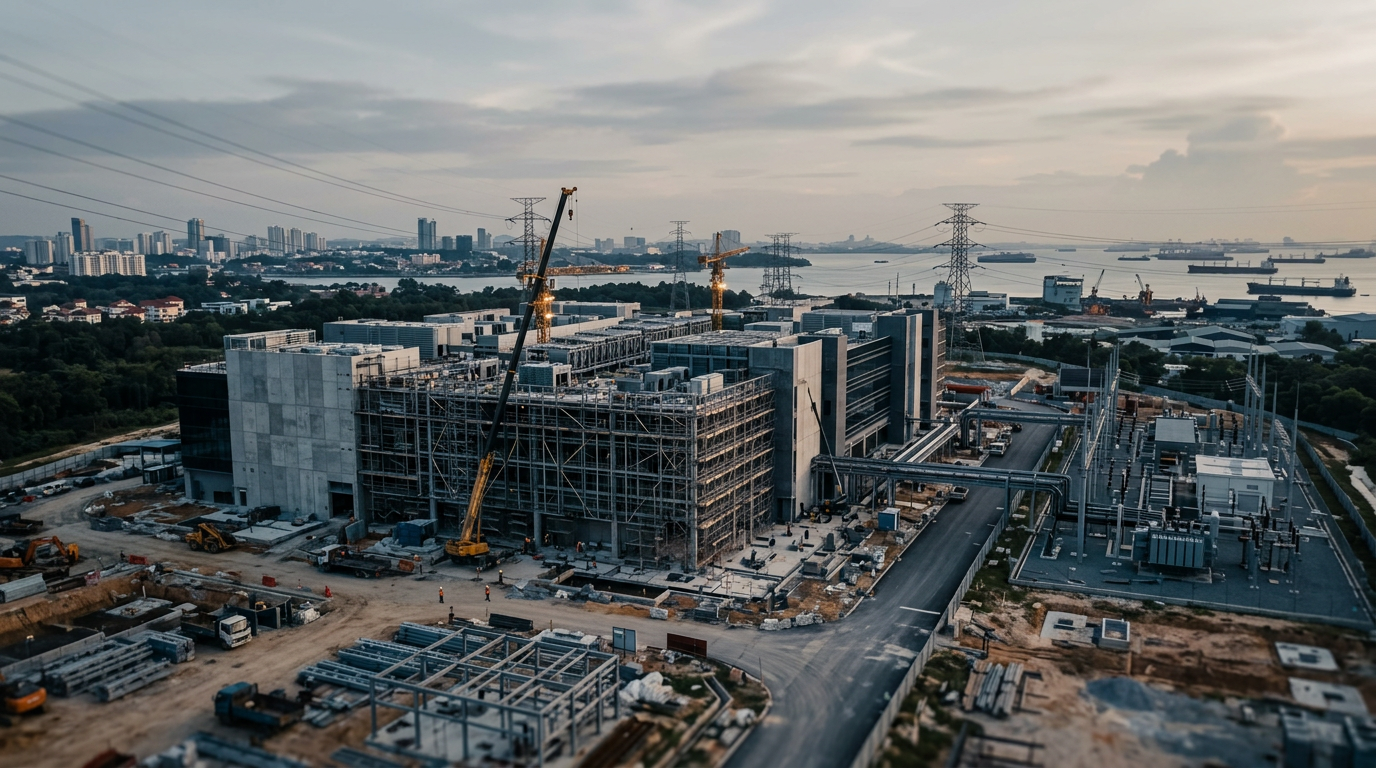
Malaysia is rapidly building out its hyperscale data center capacity, especially in Johor. Success will depend on coordinating utilities, planning, and connectivity.
 Malaysia
's China Trade: A Structural Reality
Trade with China is now a structural feature for Malaysia, not a cyclical one. The core task for Kuala Lumpur is to manage this dependency without sacrificing strategic flexibility.
 Malaysia
's FDI Ambition is About More than Announcements
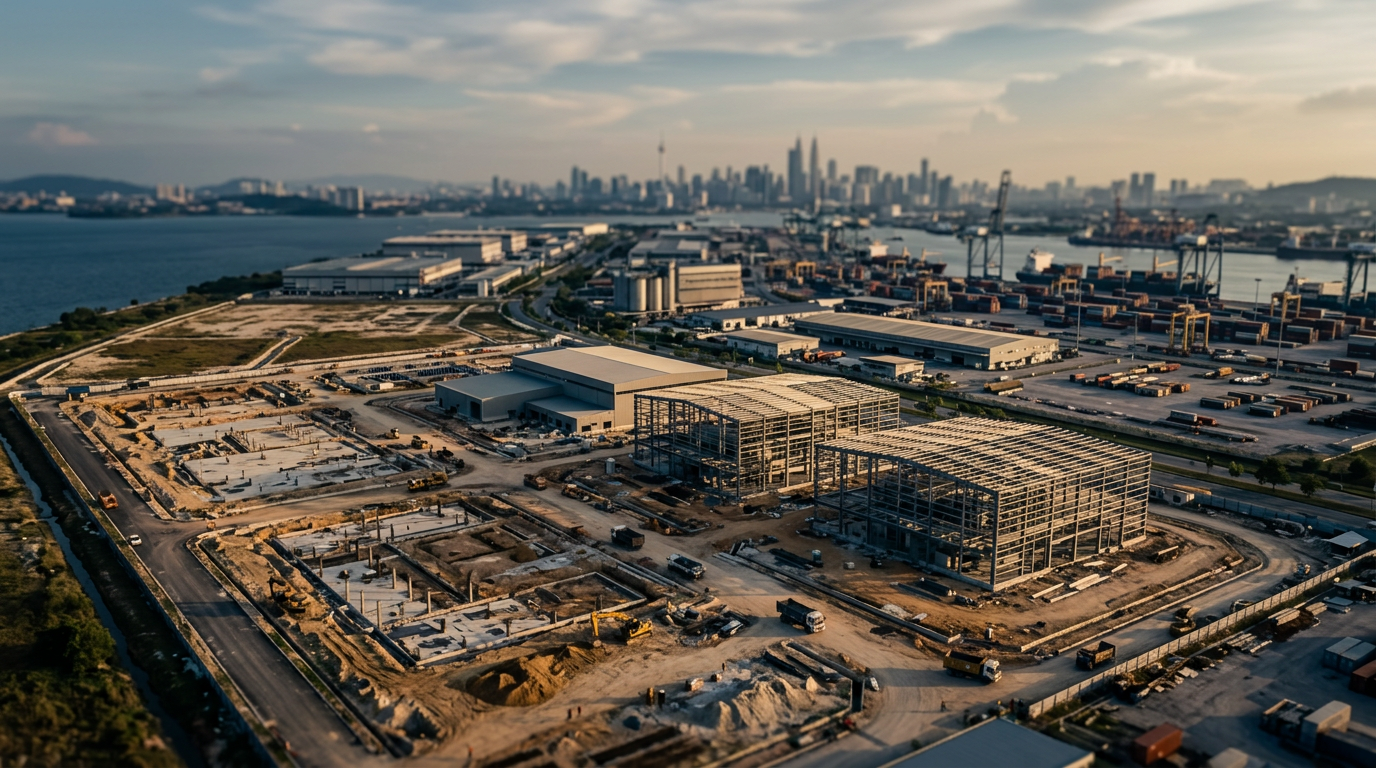
FDI announcements travel quickly. Realised flows depend on the slower work of land, permits, power and talent reaching the ground.
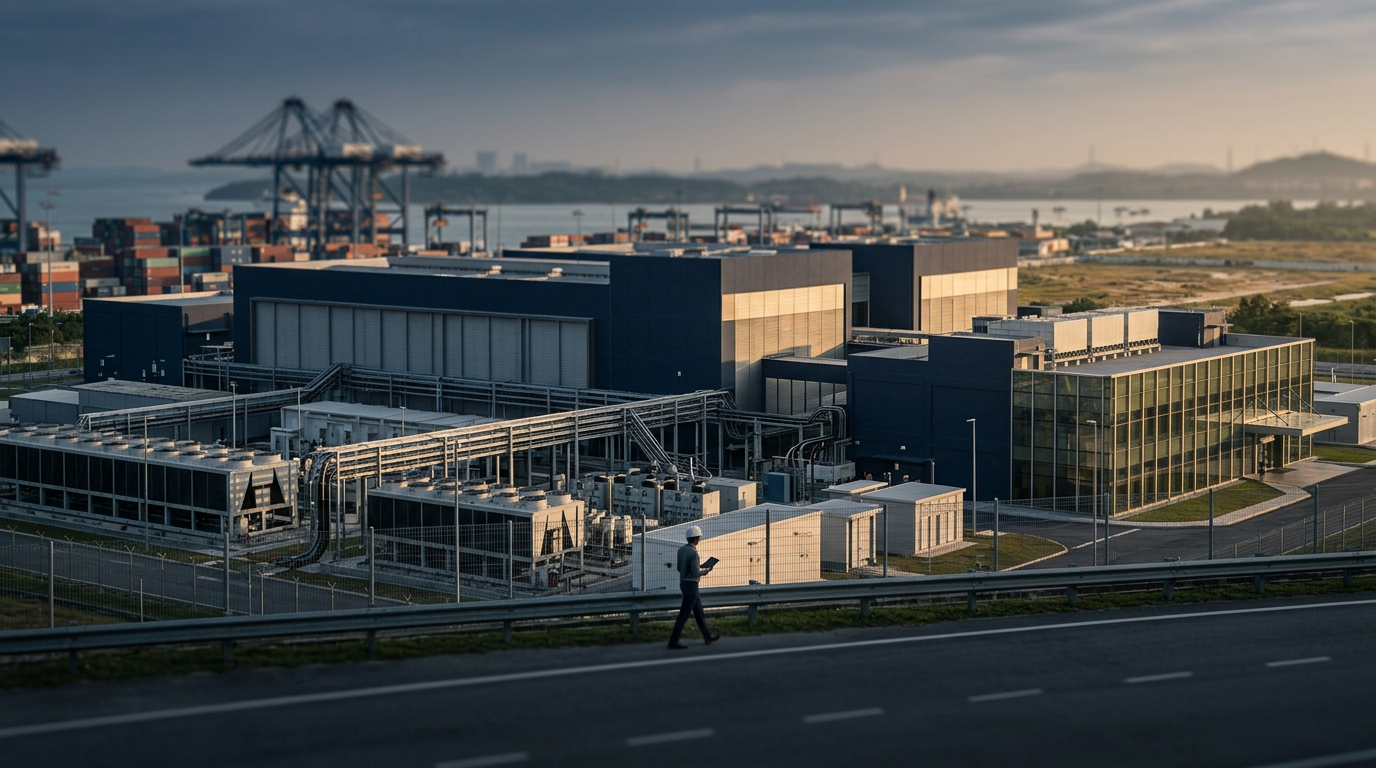 Malaysia
's Cloud Infrastructure and the Sovereign AI Question
Tencent Cloud's new region in Johor highlights the build-out of critical digital infrastructure, a necessary step for Malaysia's digital economy ambitions. But it also surfaces the deeper question of how ASEAN member states will ensure sovereignty over the foundational layers.
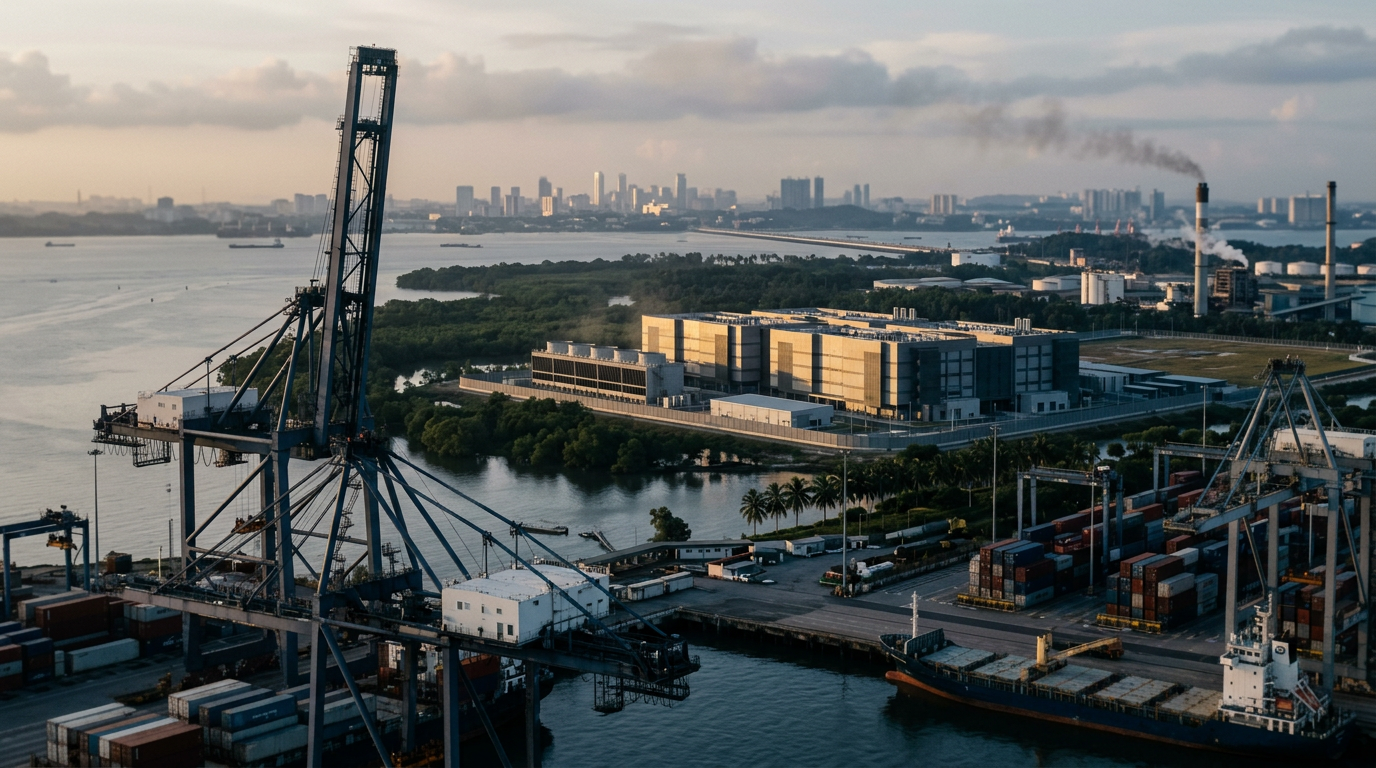 Malaysia
's Sovereign AI Tests More Than Geopolitics
Malaysia's exploration of a sovereign AI platform with Huawei puts the spotlight on the foundational elements of digital power: compute, data, and identity, not just geopolitical alignment.
 Malaysia
, Huawei and the Sovereign AI Stack
Sovereign AI in ASEAN will be tested not by model launches but by who controls the compute, the data layer and the digital identity rails that sit underneath everyday economic life.
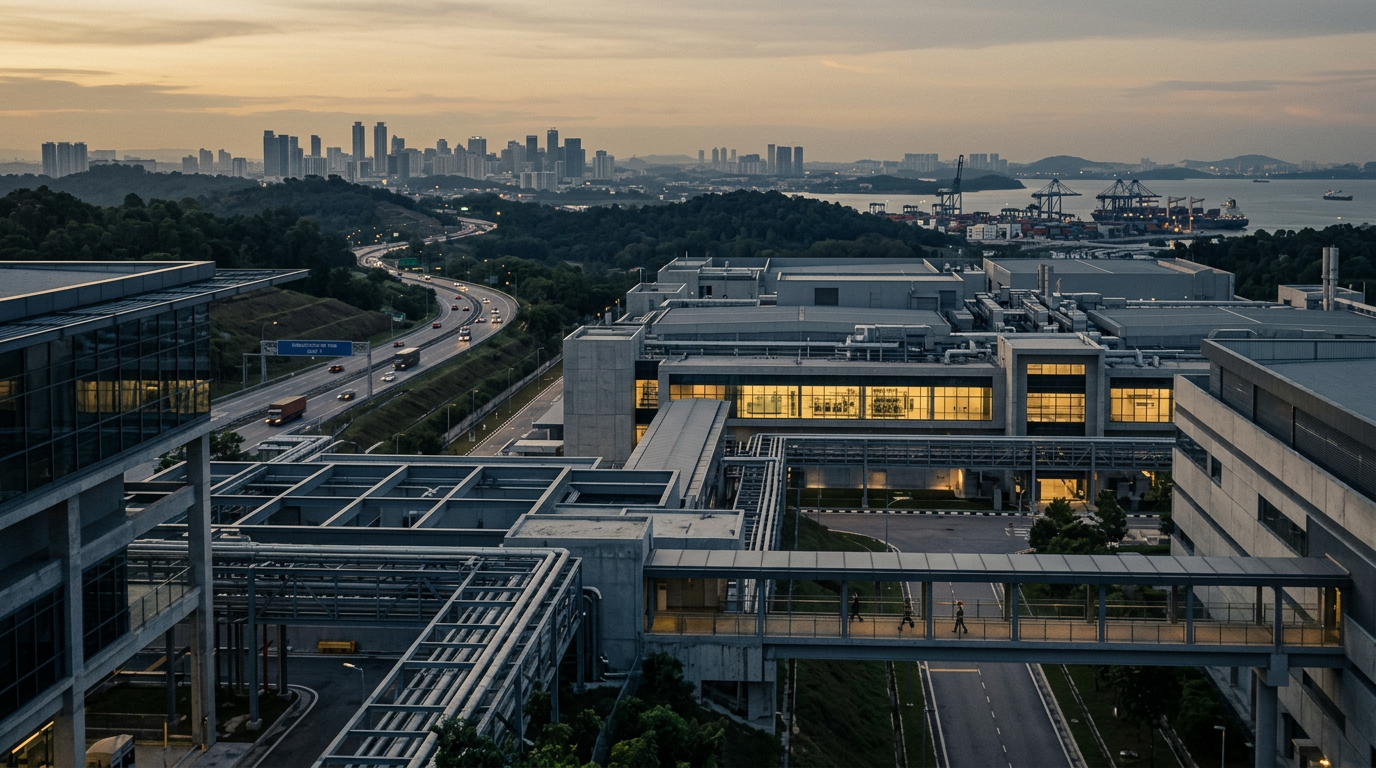 Malaysia
Malaysia's Budget 2027 proposal for the semiconductor industry highlights a deep-seated challenge for ASEAN: how to manage economic dependency on China while building national industrial capacity.
 Malaysia
's Investment Push Meets the Execution Test
Penang's impressive investment figures are a strong start, but the real work lies in turning those announcements into tangible assets and overcoming execution hurdles.
 Malaysia
 and Hong Kong Renew Investment MOU. What Follows?
The Malaysian Investment Development Authority and Invest Hong Kong renewed a memorandum of understanding to promote two-way investment. Yet FDI announcements travel quickly. The real work is turning them into realized flows.
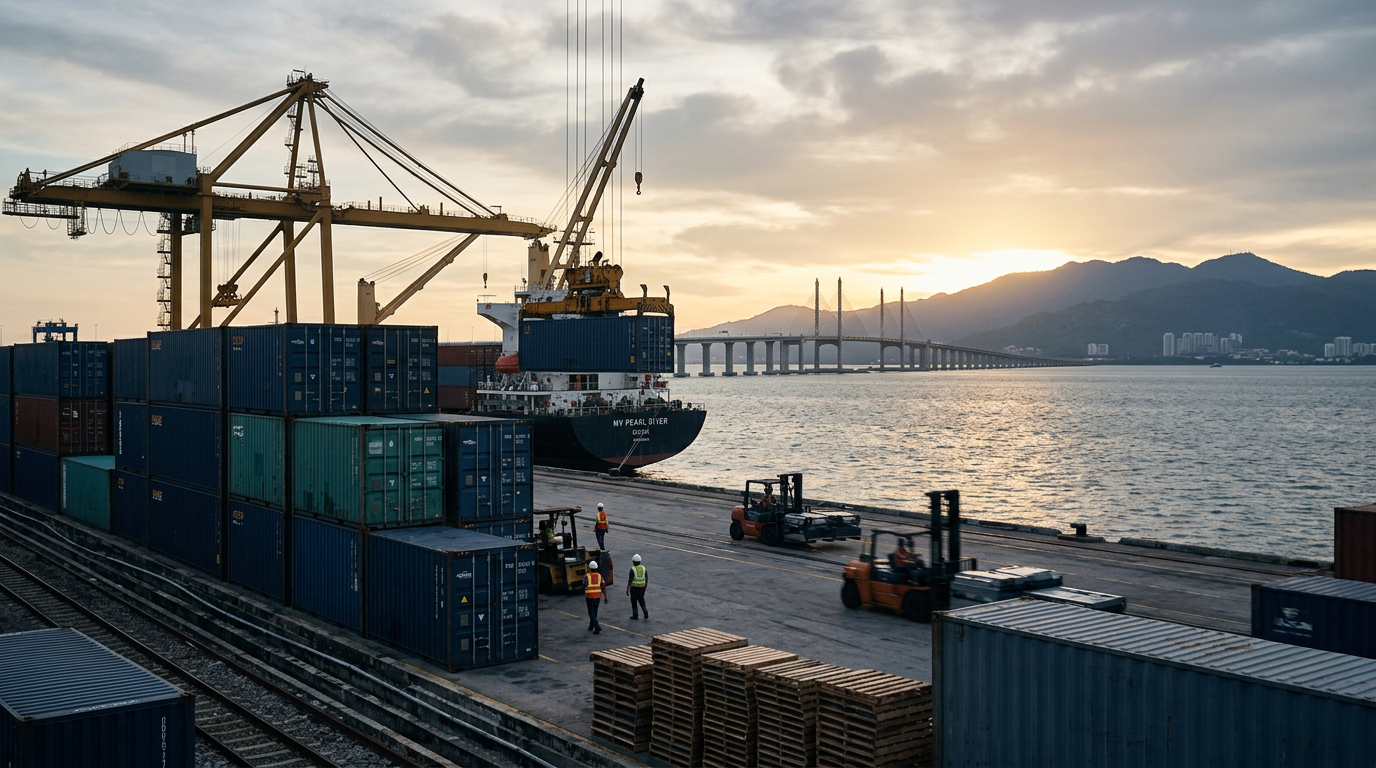 Malaysia
's E&E Boom and the China Question
A surge in Malaysia's electronics export forecast, fueled by AI-driven demand for chips, highlights a deeper structural reality for ASEAN: managing economic dependency on China while preserving strategic options.
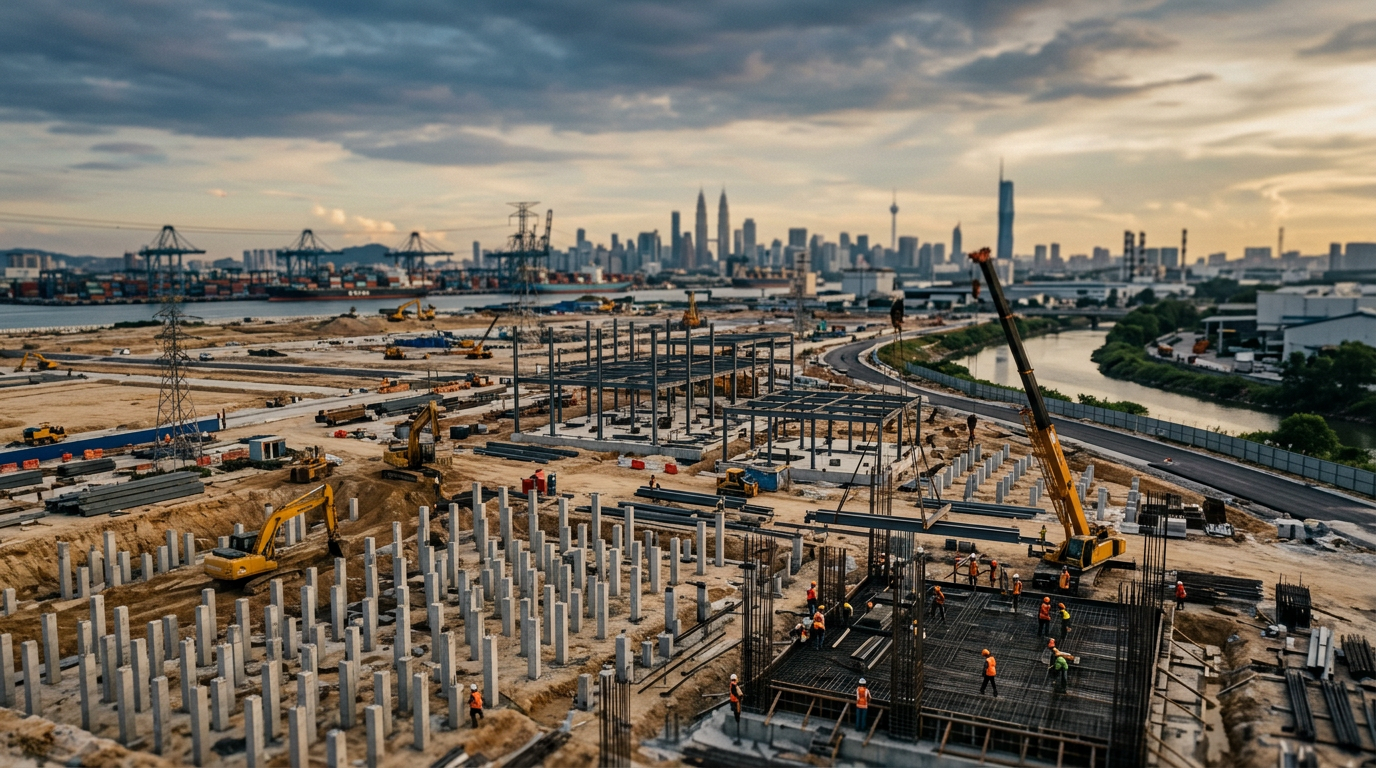 Malaysia
: From Investment Pledges to Realised Projects
Malaysia has secured a substantial increase in approved investments, but the true test lies in converting these announcements into tangible projects through institutional execution.
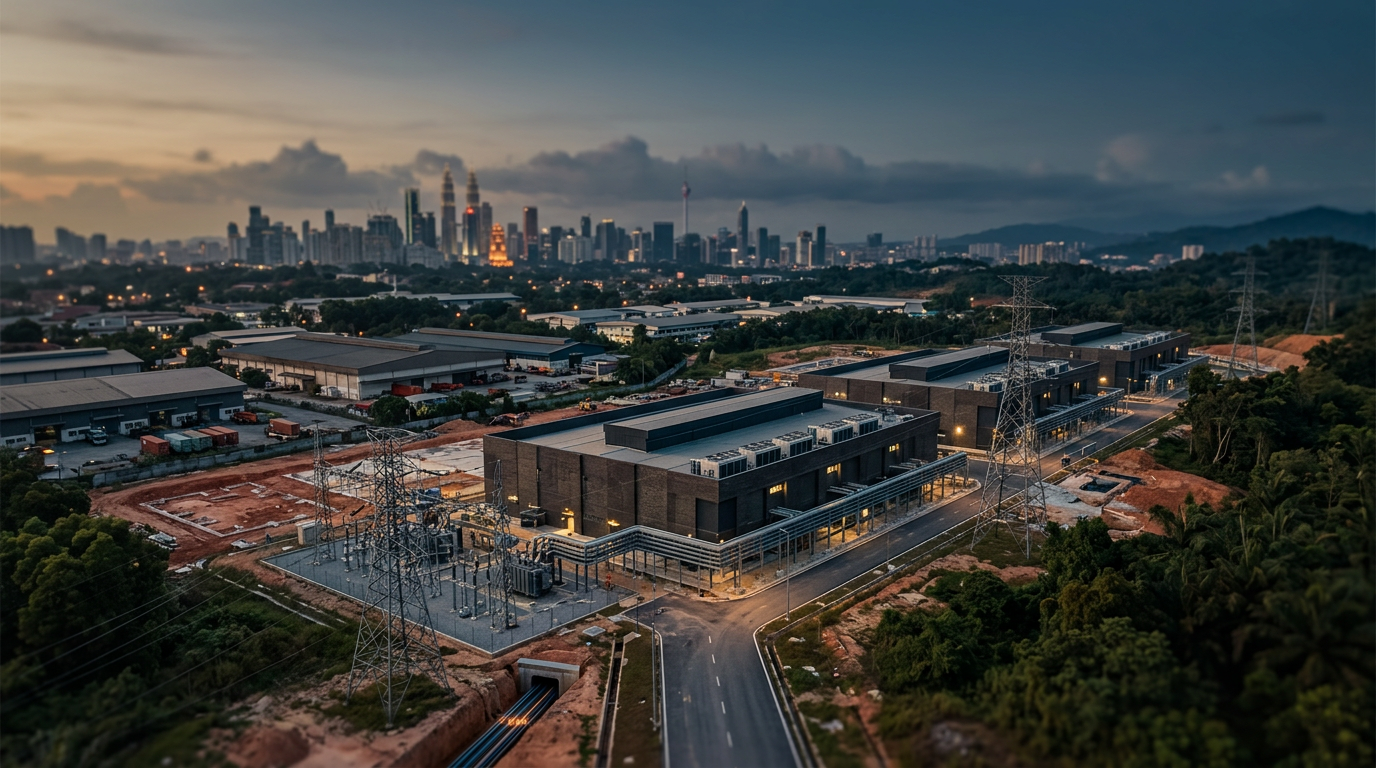 Malaysia
's Data Center Land Rush
Malaysia has quickly become a regional hub for data centers, but its next phase of growth depends on coordinating capital, infrastructure, and institutions to meet hyperscale demands.
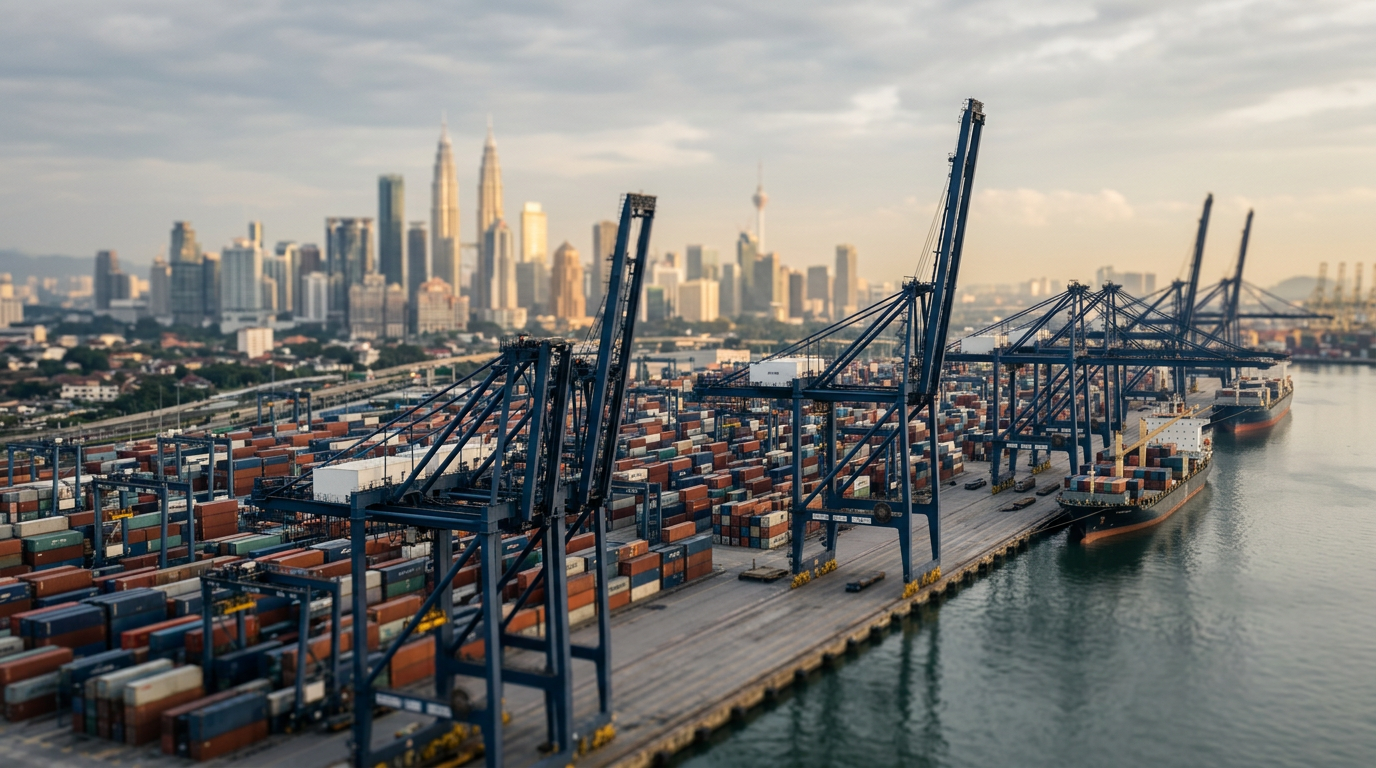 Malaysia
Trade depth with China is now a structural feature, not a cyclical one. The question for ASEAN governments is no longer whether to engage, but how to manage dependency without losing optionality.
 Malaysia
Singapore's Enduring Appeal in Commercial Real Estate
A reported S$2.4 billion deal for a Singapore landmark highlights the city-state's institutional strengths and its role as a stable hub for regional capital, even as neighbours build their own capacity.
 Malaysia
's Sovereign AI Stakes
Tencent's new cloud region in Johor is a significant addition to Malaysia's compute infrastructure. Yet the test of sovereign AI is not about data center announcements, but who controls the layers of compute, data, and digital identity that underpin the economy.
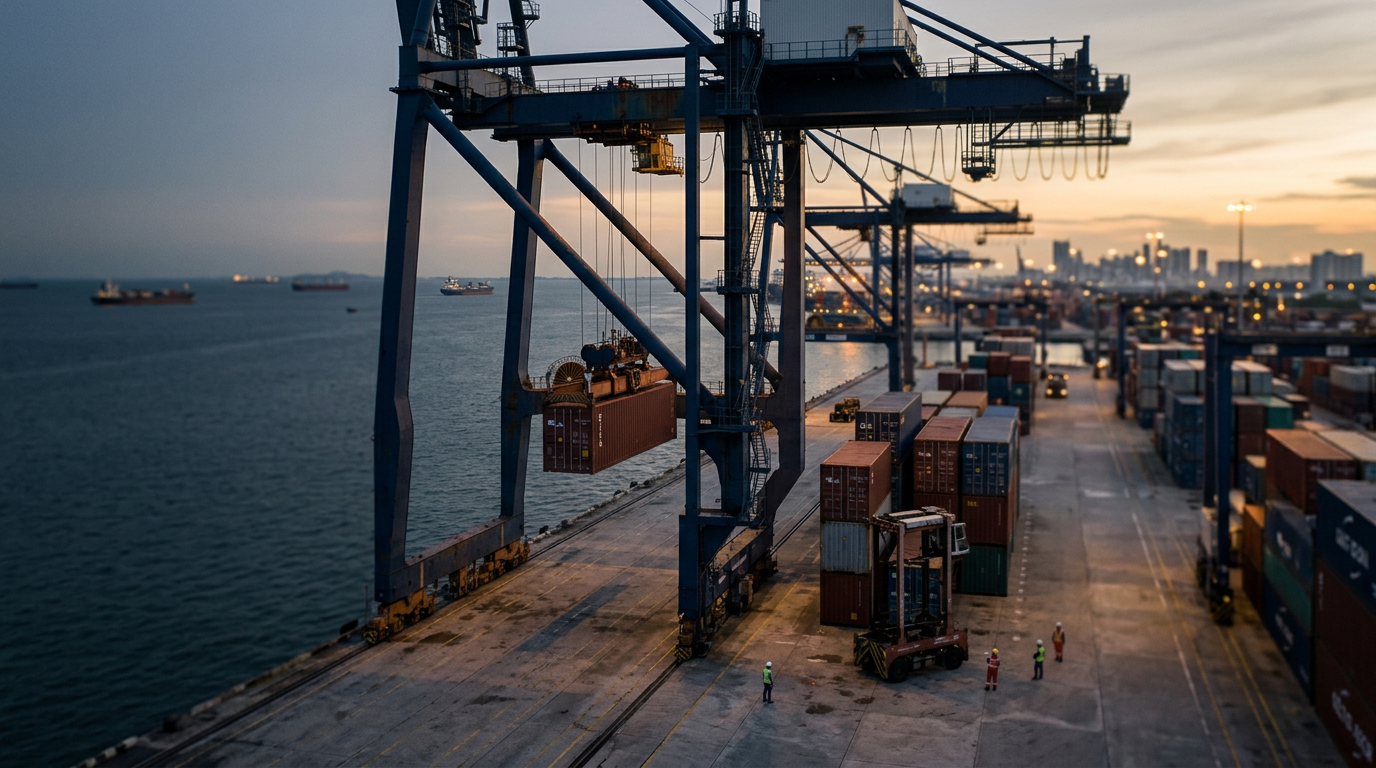 Malaysia
's Export-Led Growth and China's Gravity
Malaysia's surprising export-led GDP growth highlights its deep economic links with China, a structural reality that requires careful management to maintain strategic flexibility.
 Malaysia
's Investment Service Delivery Reforms
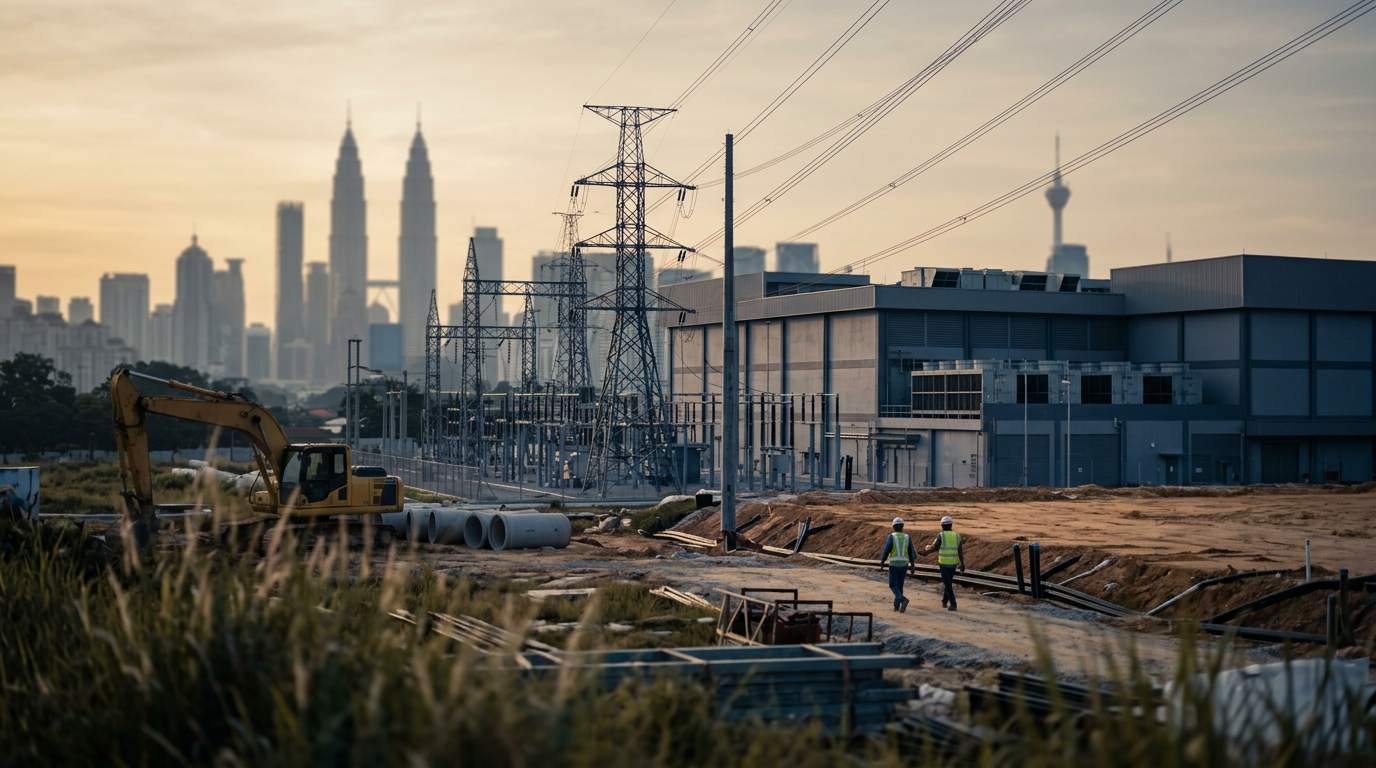
Foreign investment follows the fundamentals, but realised investment depends on the slower work of land, permits, power and talent.
 Malaysia
's Sovereign AI Push
Malaysia's plan to develop its own sovereign AI capabilities is a significant step, but the real test will be in controlling the underlying infrastructure: compute, data, and digital identity.
 Malaysia
 and Hong Kong Deepen Investment Ties
The Malaysian Investment Development Authority and Invest Hong Kong have renewed a memorandum of understanding to promote two-way investment. The real work of turning announcements into realised foreign direct investment now begins.
 Malaysia
From FDI Announcement to Operation: Malaysia's Test Case
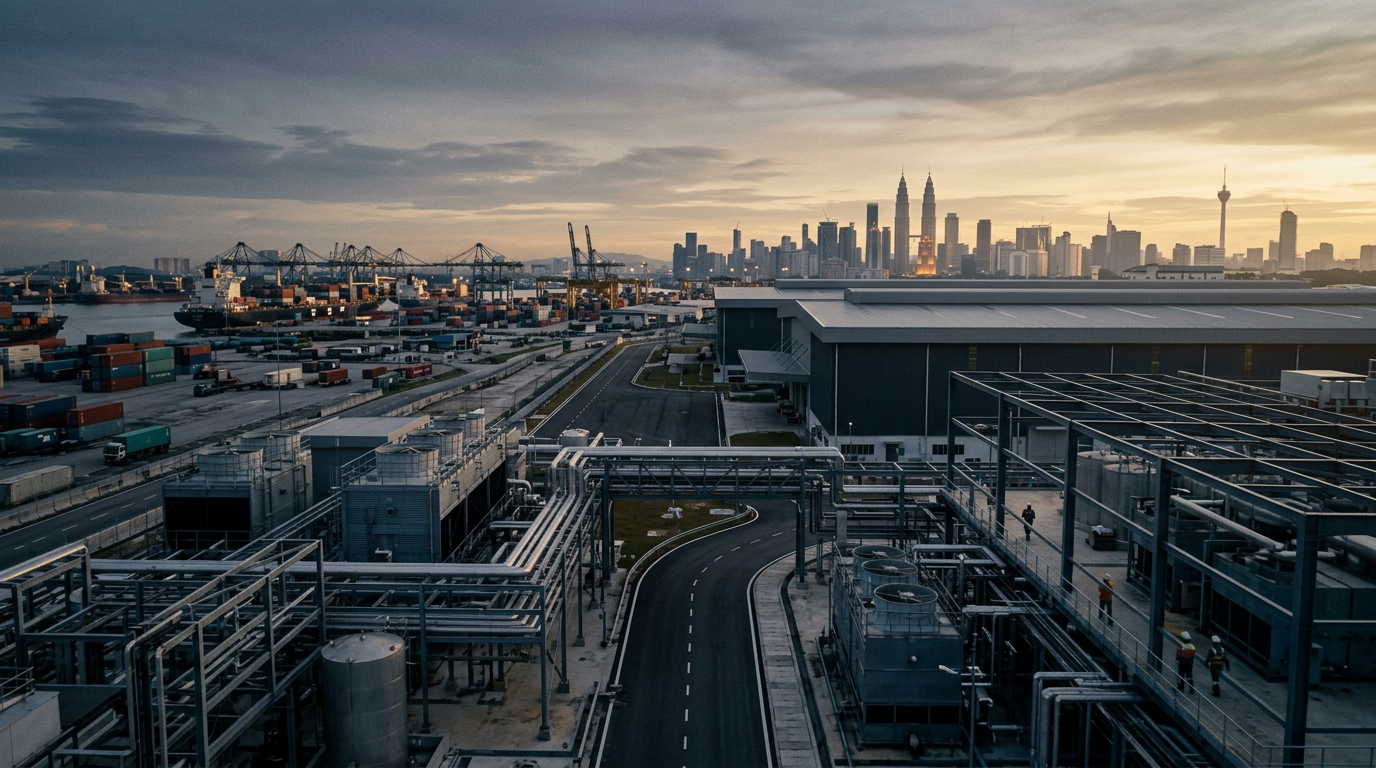
A recent US$150 million investment in a Malaysian manufacturing facility by a global cooling solutions leader highlights the institutional capacity needed to convert foreign direct investment announcements into tangible economic growth.
 Singapore
, Malaysia, and the Institutions of Green Power
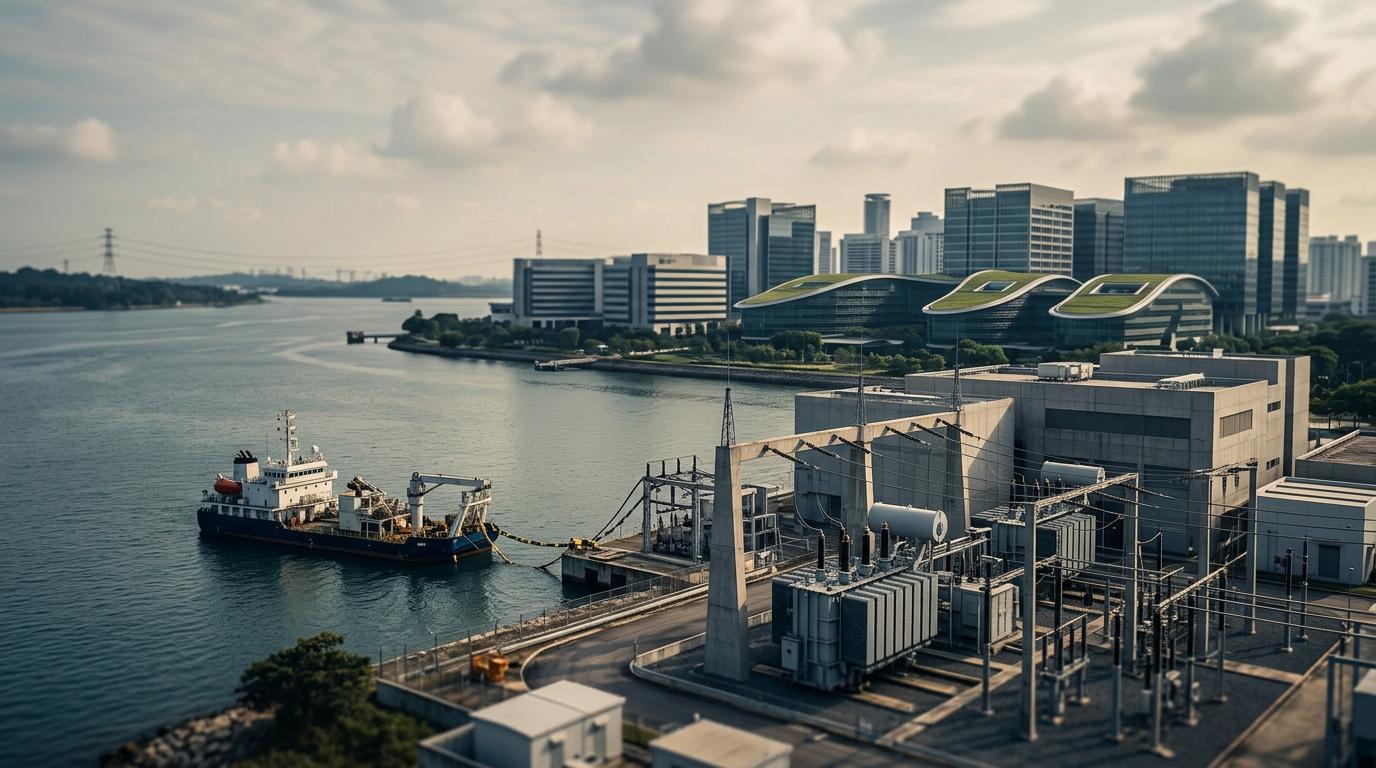
Singapore's recent approval to import 900 MW of solar power from Malaysia is a headline-grabbing announcement. Yet, as ASEAN Rising notes, "FDI announcements travel quickly. Realised flows depend on the slower work of land, permits, power and talent reaching the ground." The.
 Malaysia
Johor's Data Center Boom and the Test of Execution
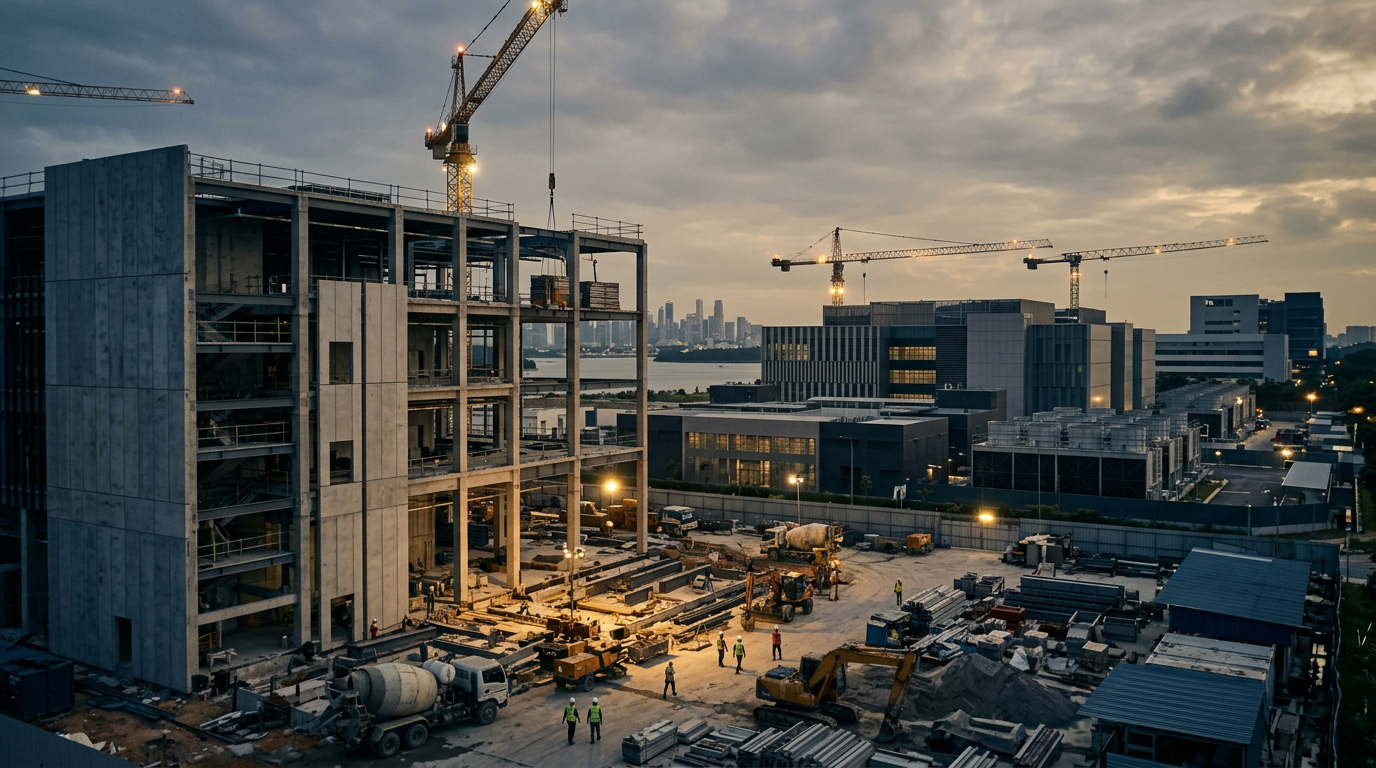
A major construction contract for a data center in Johor highlights a regional trend. While FDI announcements are frequent, the real challenge is building the institutional and physical infrastructure needed to turn investment pledges into reality.
 Malaysia
Stolen Cables, Broken Trust: Malaysia's Infrastructure Test
The recent theft of railway cables in Malaysia, causing millions in losses and hundreds of hours in delays, is more than a maintenance issue. It is a clear illustration of how failures in state capacity and execution can undermine economic competitiveness and public trust.
 Malaysia
Penang
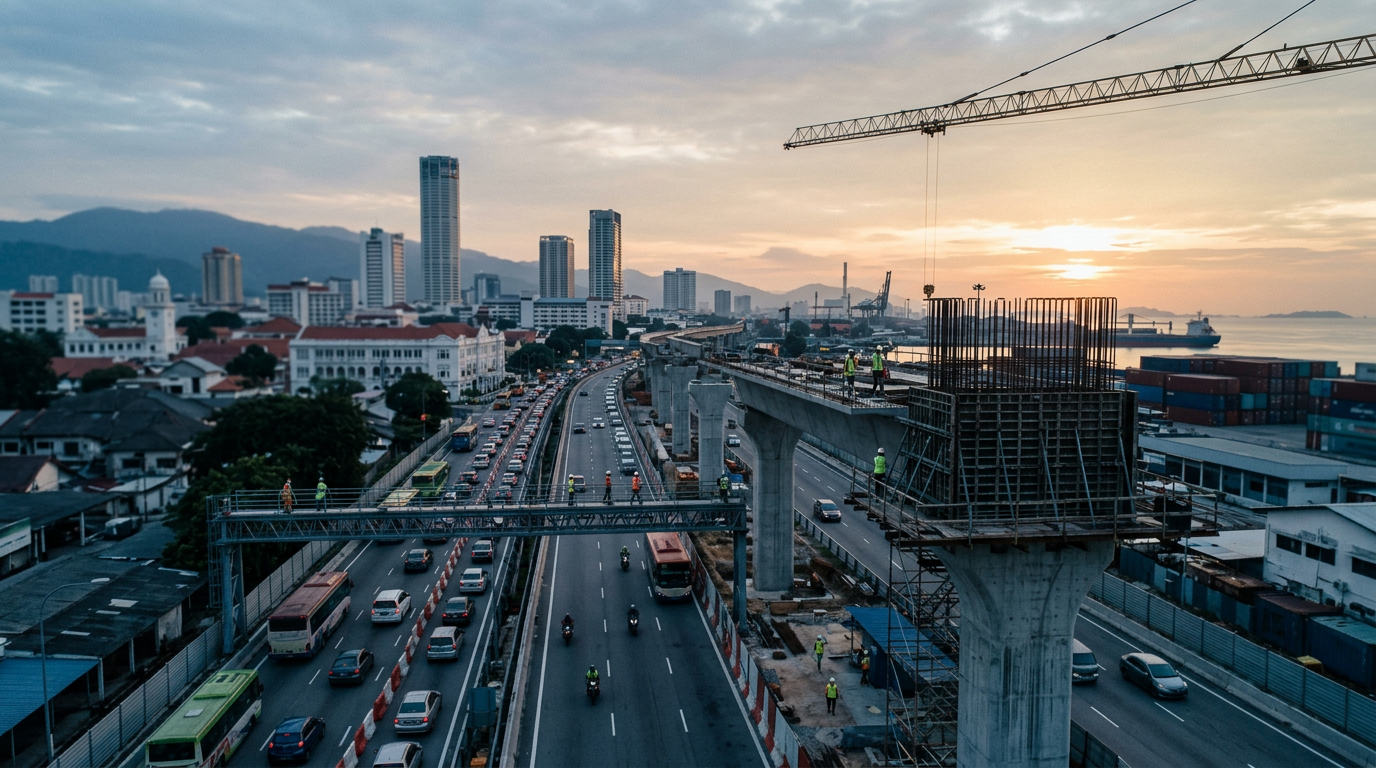
A 75-day traffic disruption in Penang for the new Mutiara Line is more than an inconvenience; it is a small-scale test of the institutional capacity required to deliver complex infrastructure and build investor trust.
 Malaysia
's Grid Modernization Signals More Than Power
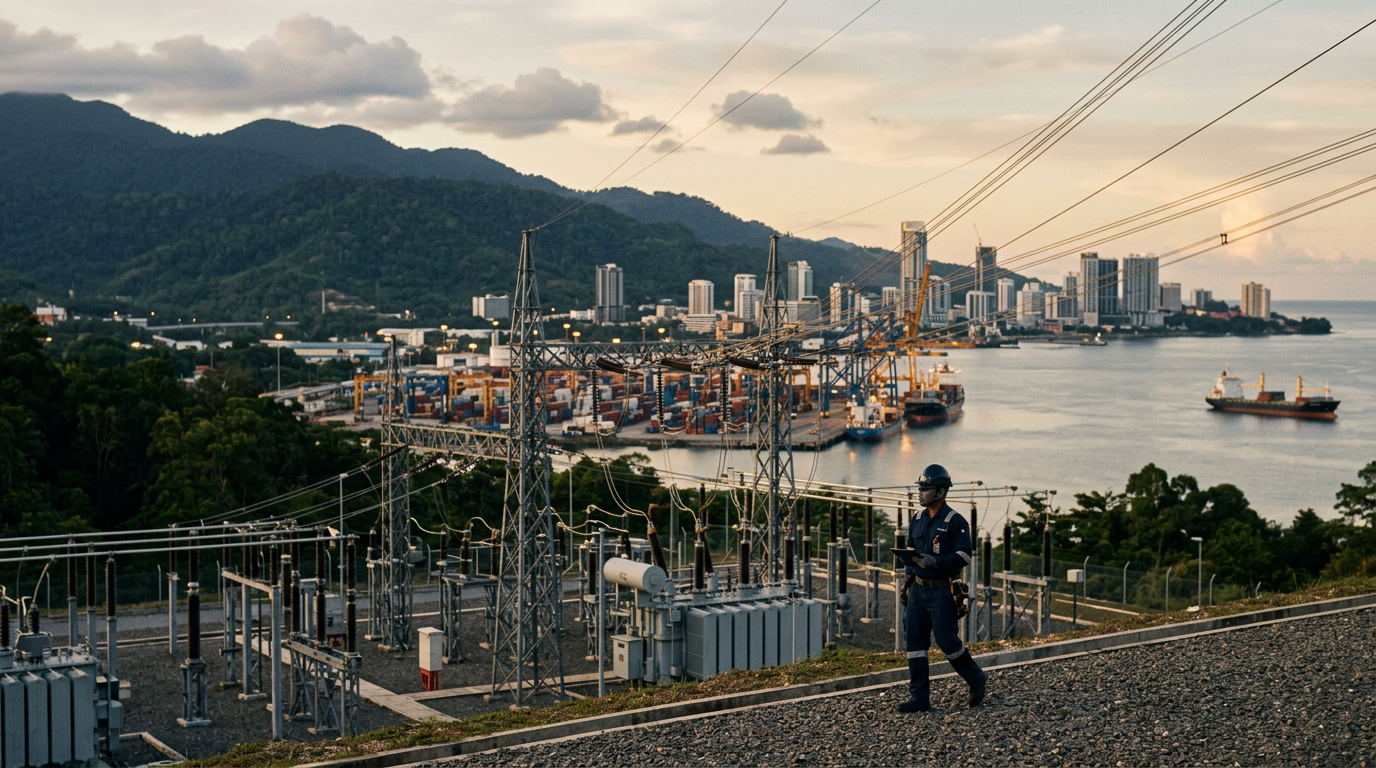
An ambitious power infrastructure project in Sabah is more than a domestic upgrade. It is a tangible indicator of state capacity and the drive for institutional reliability that is shaping comparative advantage across ASEAN.
 Malaysia
's IPO Hurdles Highlight the Cost of Institutional Friction
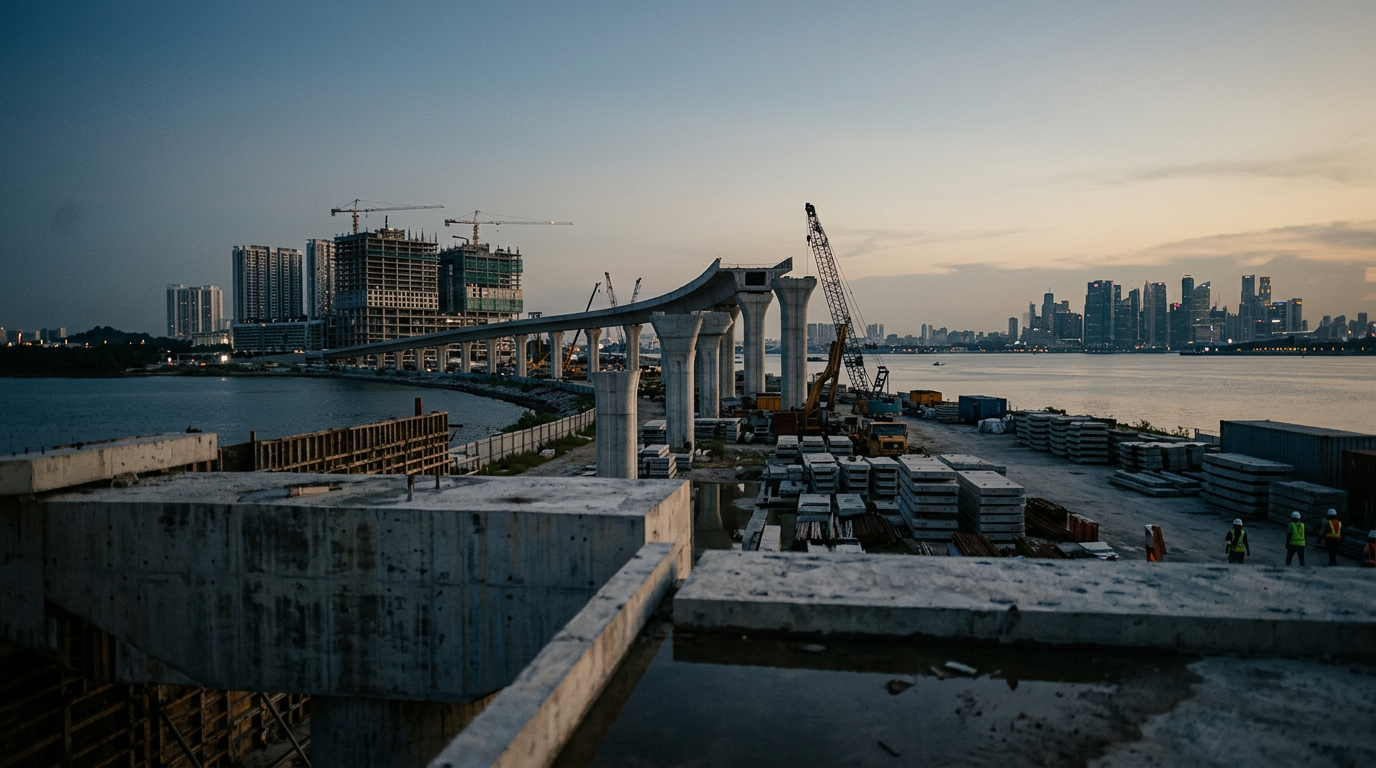
A planned property IPO in Johor, Malaysia, linked to the Singapore Rapid Transit System, faces challenges. This reflects a broader ASEAN theme: the gap between ambitious infrastructure plans and the institutional capacity to execute them smoothly.
 Malaysia
Johor's Data Centre Boom and the Cross-Border Capital Effect
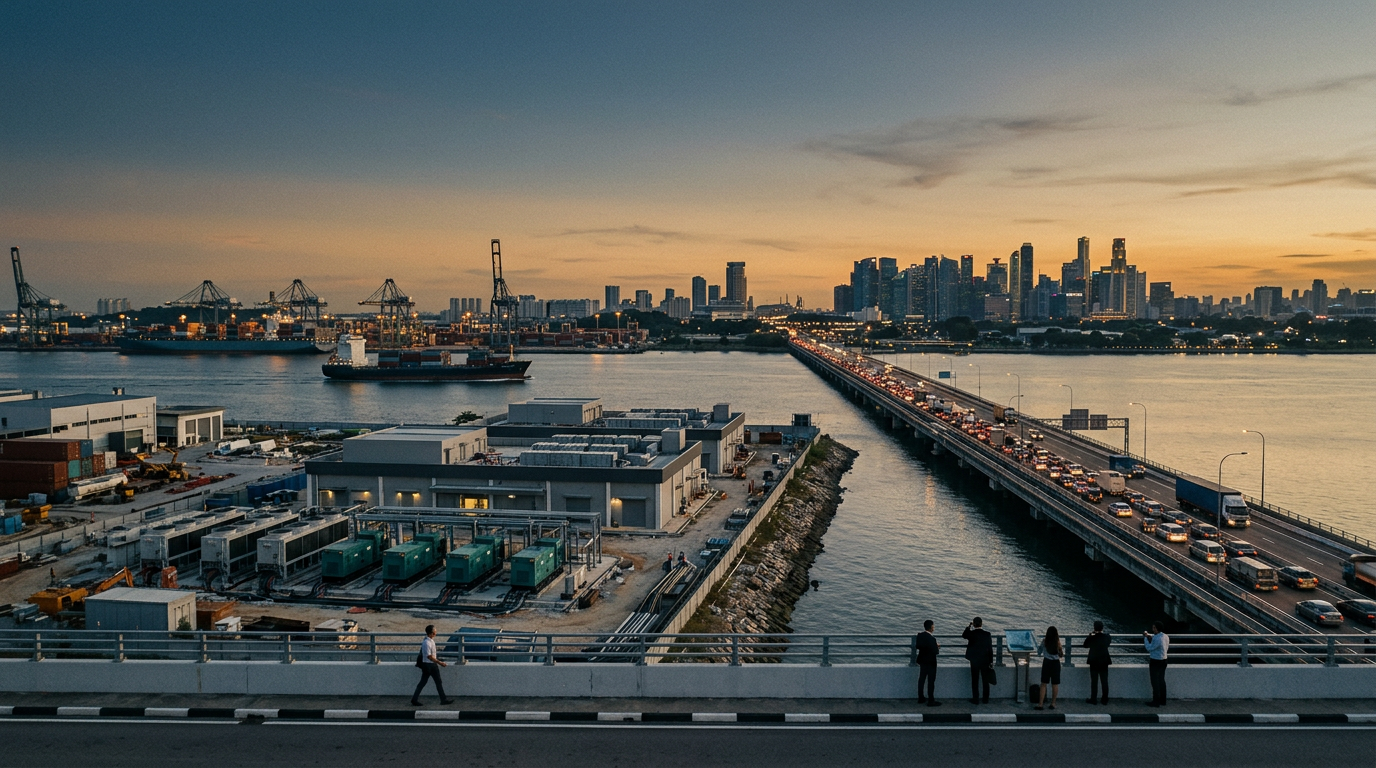
A record green financing deal for a data centre in Johor, Malaysia, highlights the growing importance of cross-border capital, infrastructure, and institutional coordination in developing ASEAN's digital backbone.
 Malaysia
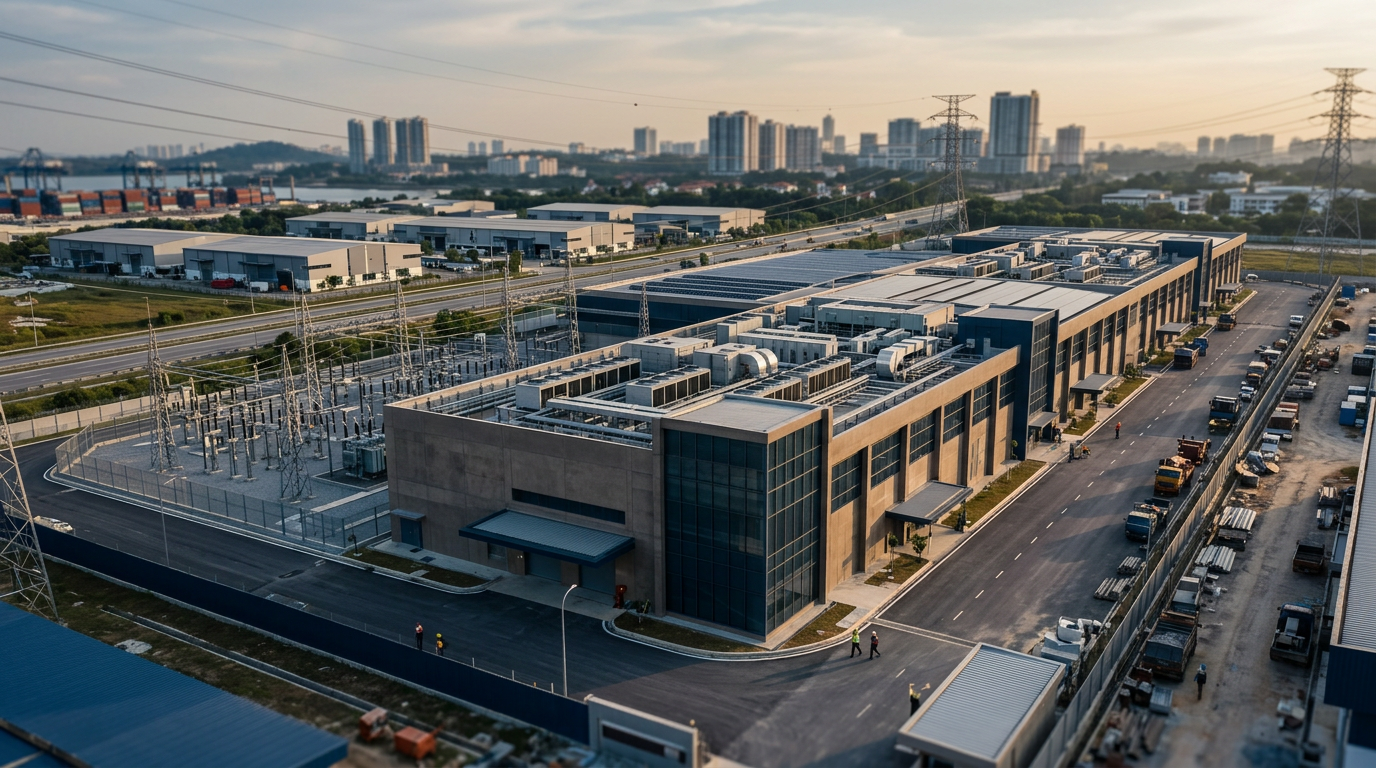
Johor's Data Center Rise: The Coordination Premium
A massive green loan for a Johor data center highlights a key theme in ASEAN's development: attracting hyperscale investment is less about cheap inputs and more about sophisticated coordination of capital, infrastructure, and planning.