Malaysia
Malaysia, Huawei and the Sovereign AI Stack
Sovereign AI in ASEAN will be tested not by model launches but by who controls the compute, the data layer and the digital identity rails that sit underneath everyday economic life.

Malaysia is considering using chips from China's Huawei for a national artificial intelligence initiative, according to a recent report from Business Times. This development puts a spotlight on the foundational layers of sovereign AI capabilities across the region, moving the conversation from abstract model development to the more tangible issues of hardware and infrastructure.
The Geopolitics of Compute
The choice of a hardware supplier for national AI infrastructure is not merely a technical or commercial decision; it is a significant geopolitical one. For Malaysia, aligning with Huawei, a company at the center of US-China technology competition, is a clear statement of its intention to maintain a neutral and independent foreign policy. This move signals a prioritization of access to technology and economic partnership over alignment with the security warnings issued by the United States.
The decision reflects a pragmatic approach seen across Southeast Asia, where nations aim to benefit from the offerings of all major powers without being drawn into their conflicts. While the US has raised concerns about security and has imposed sanctions on Huawei, many ASEAN countries continue to engage with the Chinese technology firm, particularly in the development of 5G networks and now, AI infrastructure. This reflects the region's focus on accelerating economic development and digital transformation through access to available and affordable technology.
Sovereignty beyond the Model
The discussion around AI often focuses on the development of large language models. However, as "ASEAN Rising" notes, the true test of sovereignty in this domain lies in the layers beneath these models. The book argues that "Sovereign AI in ASEAN will be tested not by model launches but by who controls the compute, the data layer and the digital identity rails".
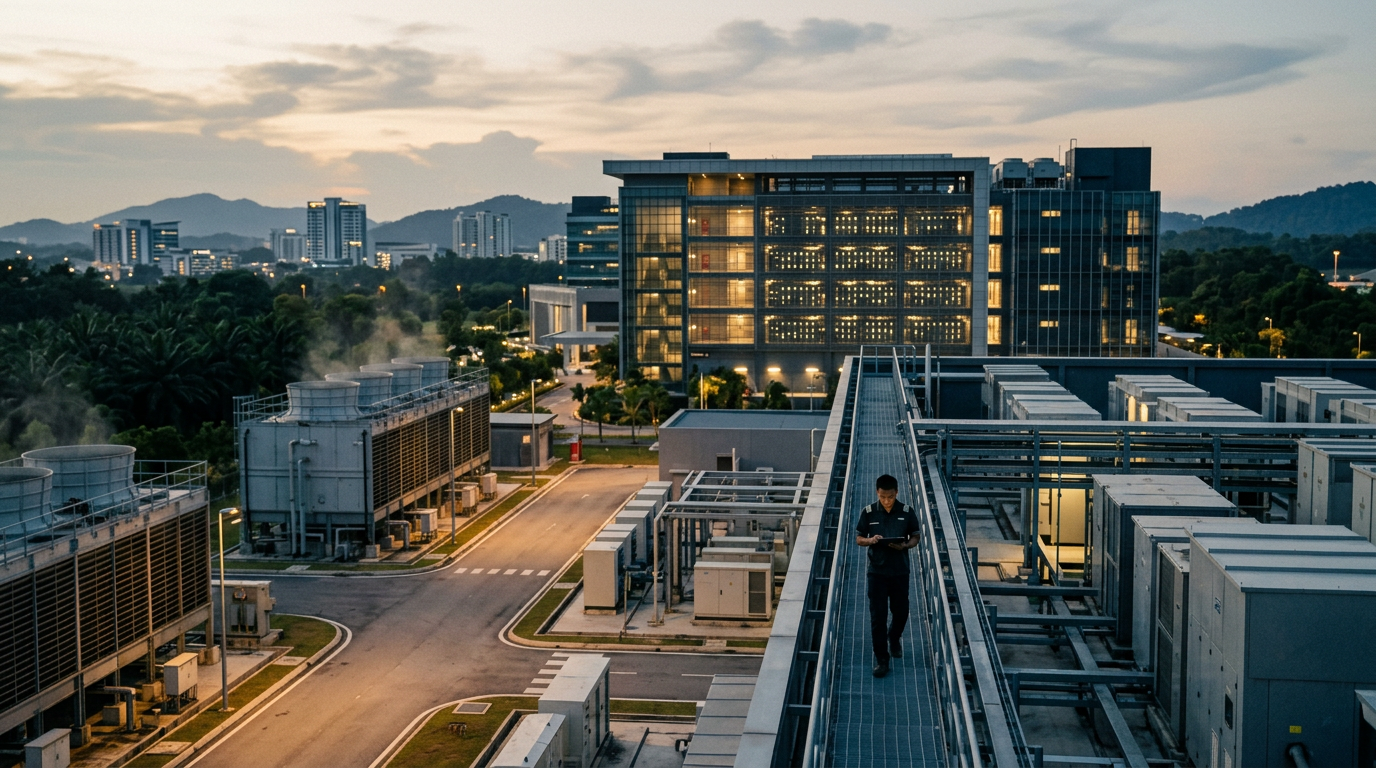
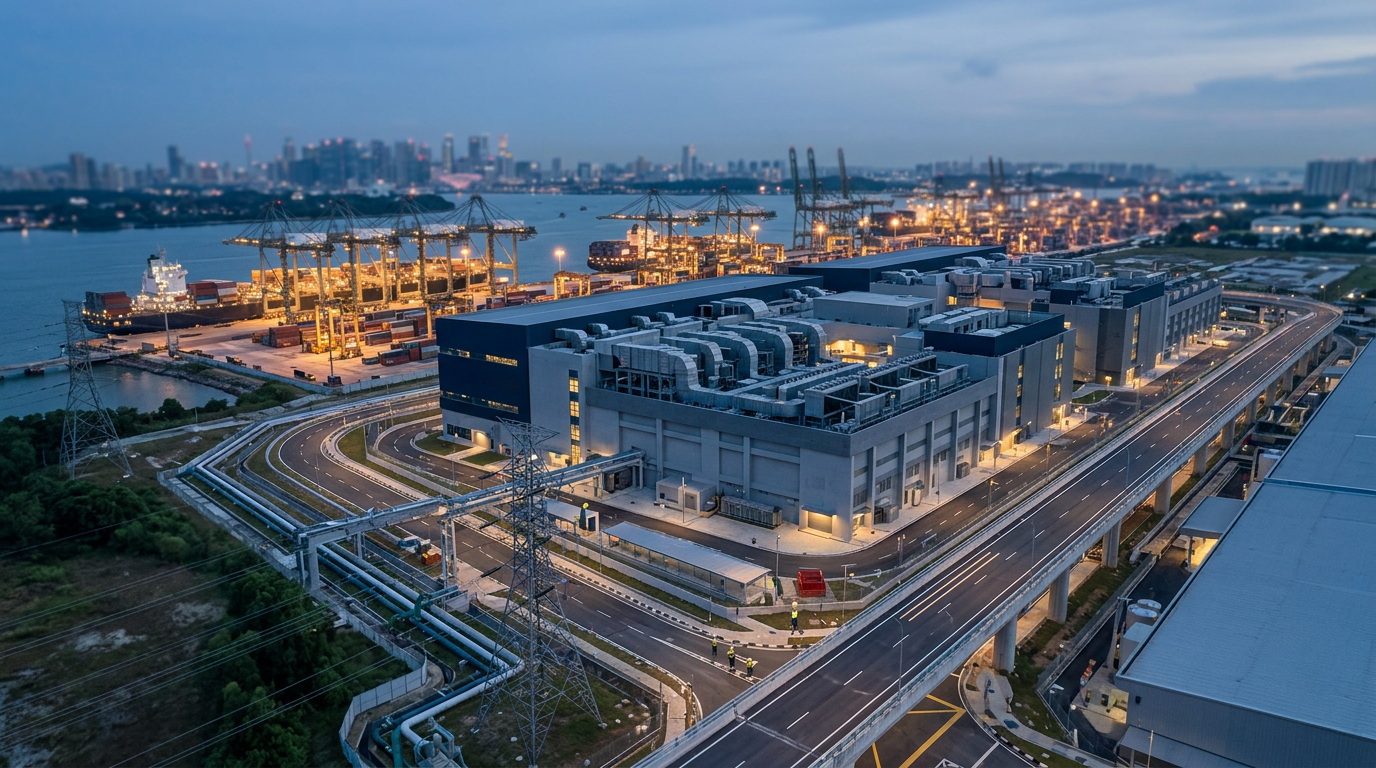
Malaysia's potential partnership with Huawei is a direct engagement with the most fundamental layer: compute. By considering Huawei's advanced chips, Malaysia is addressing the question of who builds and controls the physical infrastructure upon which its digital economy will run. This includes the data centers and cloud services that are essential for processing the massive datasets required for AI applications. Control over this layer is fundamental for ensuring that the nation can secure its data and develop its own digital services without being entirely dependent on foreign providers, whether from the US or China.
The Data and Identity Layers
Beyond the hardware, the principles of sovereign AI extend to the data and digital identity layers. The infrastructure choices made today will have long-term implications for how data is stored, processed, and governed. For a sovereign AI strategy to be effective, it must ensure that the nation retains control over its citizens' data and the digital identity systems that are increasingly central to economic life.
This requires the development of robust data governance frameworks and regulations that can operate in a multi-polar technology environment. ASEAN nations, including Malaysia, are navigating this complex landscape by building domestic capacity while engaging with international partners. The choice of infrastructure provider is interlinked with the ability to enforce these frameworks. A nation's control over its data is stronger when it has a degree of control or at least significant influence over the physical infrastructure where that data resides.
What to watch:
Attention should be paid to the specific terms of any agreement between Malaysia and Huawei, particularly regarding technology transfer, data governance, and security protocols. Observers should also track how other ASEAN nations approach their own AI infrastructure decisions and whether a regional consensus or a fragmented, nation-by-nation approach emerges in the face of ongoing US-China technology competition.