Malaysia
's Data Centre Boom Tests Its Foundations
Malaysia's data centre boom is attracting significant foreign investment. But growth depends on the slower work of land, permits, power and talent.
S&P Global Ratings has affirmed Malaysia's resilient economic outlook, citing manufacturing, infrastructure, and a rapidly expanding data centre sector as key drivers. The report, covered by Malay Mail, highlights the surge in foreign direct investment into high-technology industries, with data centres at the forefront. This influx of capital is a positive indicator for Malaysia's economic trajectory, but it also places significant demands on the country's underlying infrastructure and institutional capacity.
From Announcement to Operation
The rush to build data centres across Southeast Asia is a significant economic development, and Malaysia is capturing a substantial share of this investment. Major technology firms are drawn to the country due to its strategic location, relatively stable political environment, and investment-friendly policies. However, the headline-grabbing announcements of multi-billion dollar projects are only the first step. The journey from a press release to a fully operational data centre is long and complex.
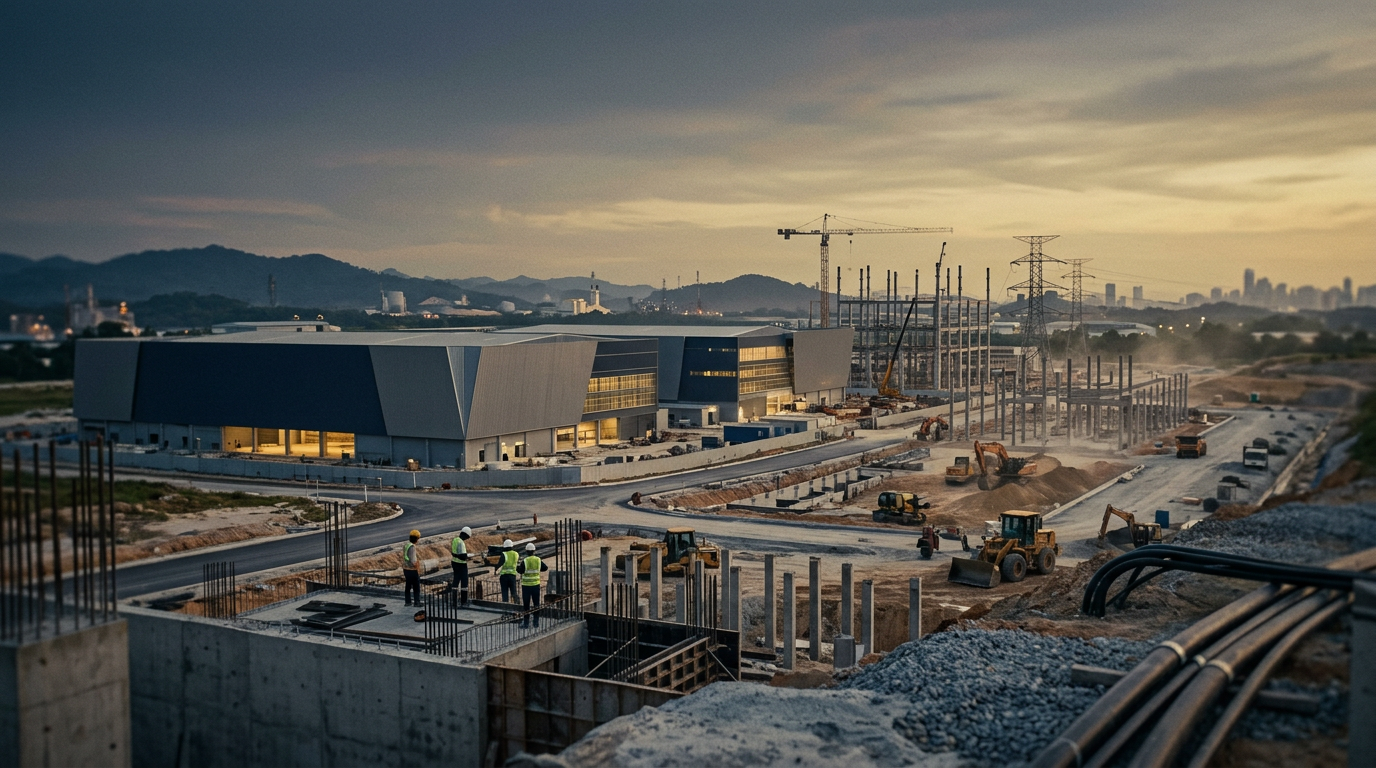
As detailed in the book ASEAN Rising, announced foreign investment figures can be misleading. The actualisation of these projects is where the real work begins. The book notes that "realised flows depend on the slower work of land, permits, power and talent reaching the ground." This observation is directly applicable to Malaysia's current situation. Attracting investment is one thing; having the institutional framework to support it is another. Each new data centre requires a coordinated effort across multiple government agencies and private sector partners to secure land, navigate zoning laws, obtain construction permits, and establish reliable utility connections.
The Infrastructure Imperative
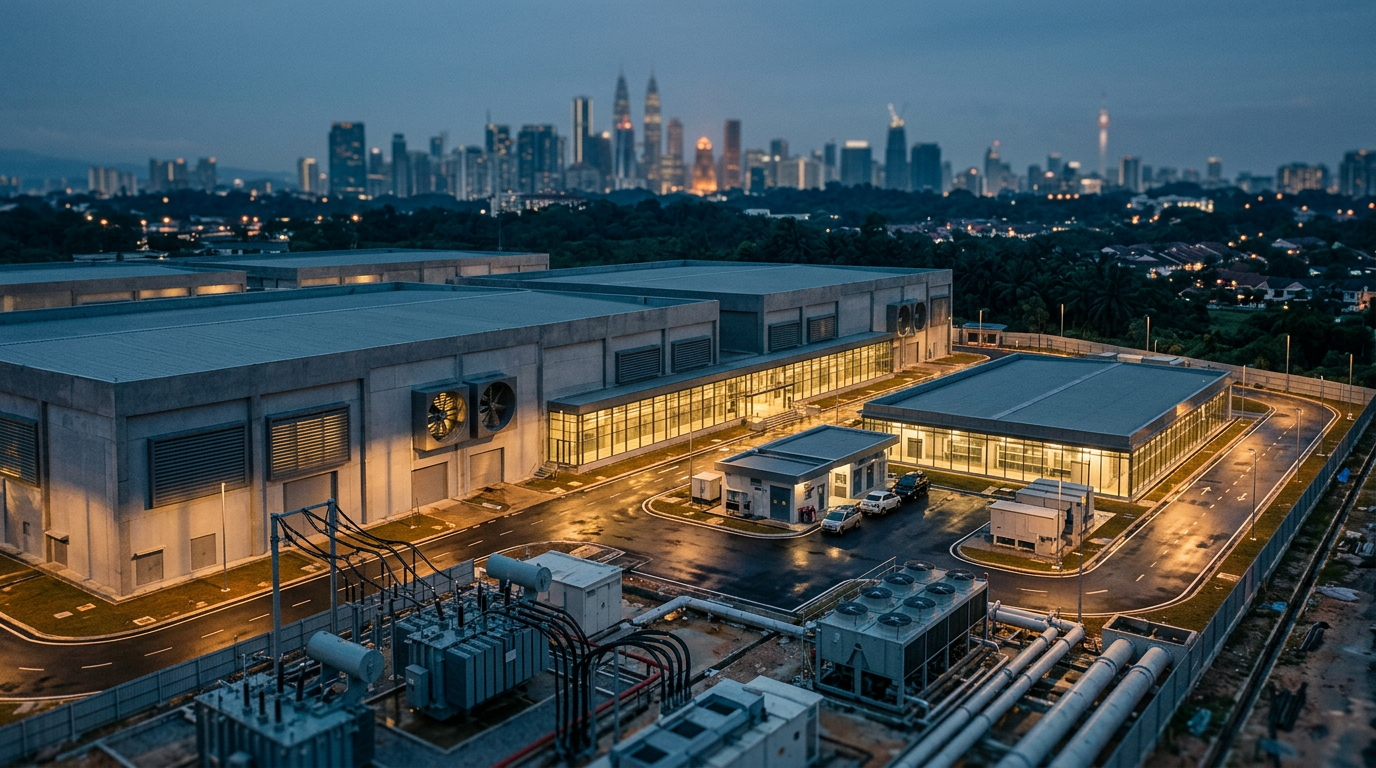
Data centres are exceptionally demanding on infrastructure, particularly the power grid. A single hyper-scale data centre can consume as much electricity as a small city. This creates an enormous challenge for utility providers like Tenaga Nasional Berhad, which must ensure grid stability and capacity while also pursuing national goals for renewable energy adoption. The rapid clustering of data centres in areas like Johor and the Klang Valley concentrates this demand, requiring substantial and forward-looking upgrades to the transmission and distribution network.
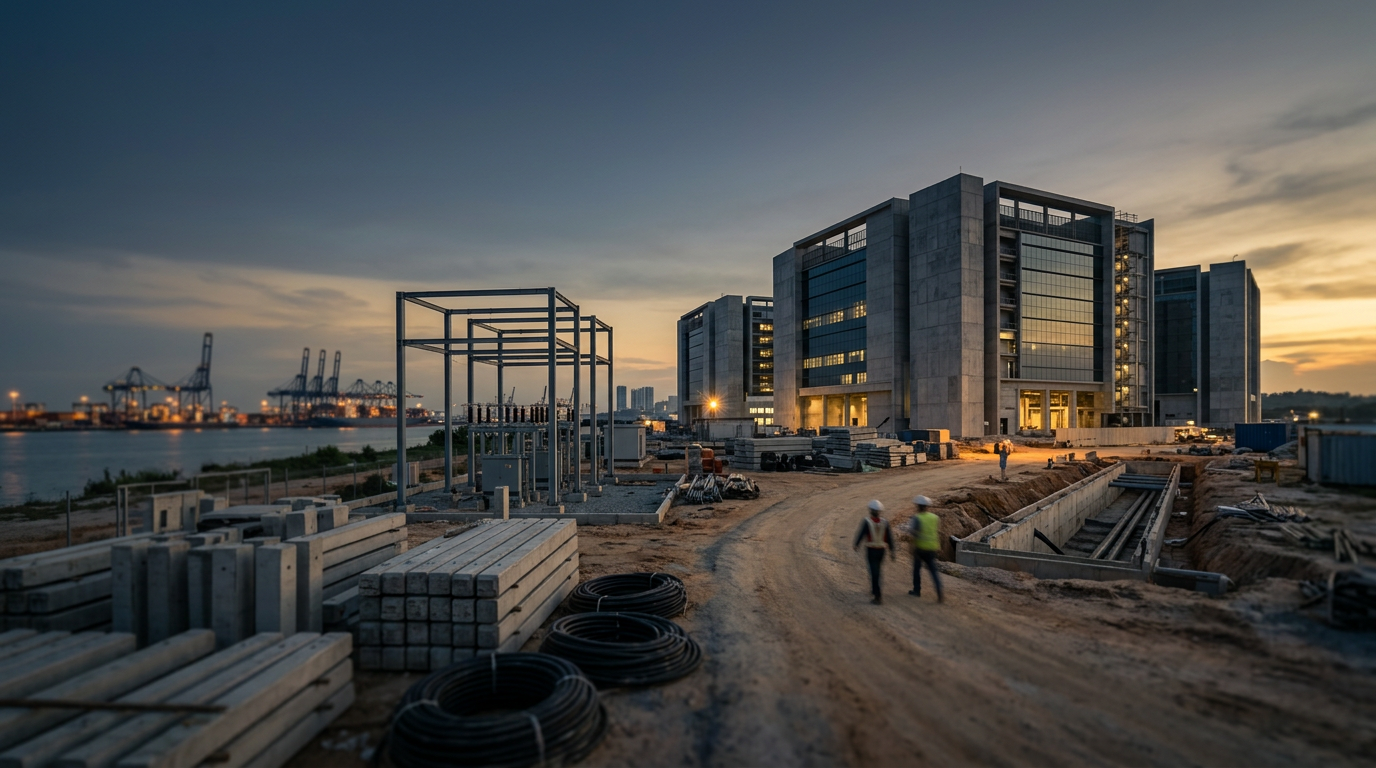
Beyond power, these facilities require extensive fibre-optic connectivity, water for cooling systems, and road access for construction and maintenance. The S&P report's mention of "sustained infrastructure investment" as a driver of resilience is therefore not just a contributing factor but a fundamental prerequisite for the data centre boom to succeed. The government's ability to execute on its national infrastructure plans will directly determine whether Malaysia can continue to absorb this wave of high-tech investment efficiently.
The Talent Equation
The physical infrastructure must be matched by human capital. Data centres require a specialized workforce, including electrical and mechanical engineers, network specialists, cybersecurity experts, and facilities managers. While Malaysia has a well-regarded technical education system, the sheer scale and speed of data centre development risk creating a talent bottleneck.
The competition for skilled professionals is regional, not just local. Attracting and retaining top talent will require competitive compensation, clear career pathways, and continuous upskilling programs. Collaboration between investors, educational institutions, and government agencies is necessary to build a sustainable pipeline of qualified workers. Without this focus on talent development, Malaysia may find itself with state-of-the-art facilities that it cannot effectively operate or maintain, limiting the long-term economic benefits.
What to watch
Moving forward, the key indicators to monitor will be the execution of infrastructure projects, particularly in energy generation and grid modernization. Observers should also track policy adjustments related to land use, permitting processes for industrial construction, and national talent development initiatives in engineering and digital technology. The gap between announced FDI and realized investment figures will serve as a practical measure of how well Malaysia's institutions are converting capital interest into concrete economic growth.