Malaysia
Malaysia's Export-Led Growth and China's Gravity
Malaysia's surprising export-led GDP growth highlights its deep economic links with China, a structural reality that requires careful management to maintain strategic flexibility.
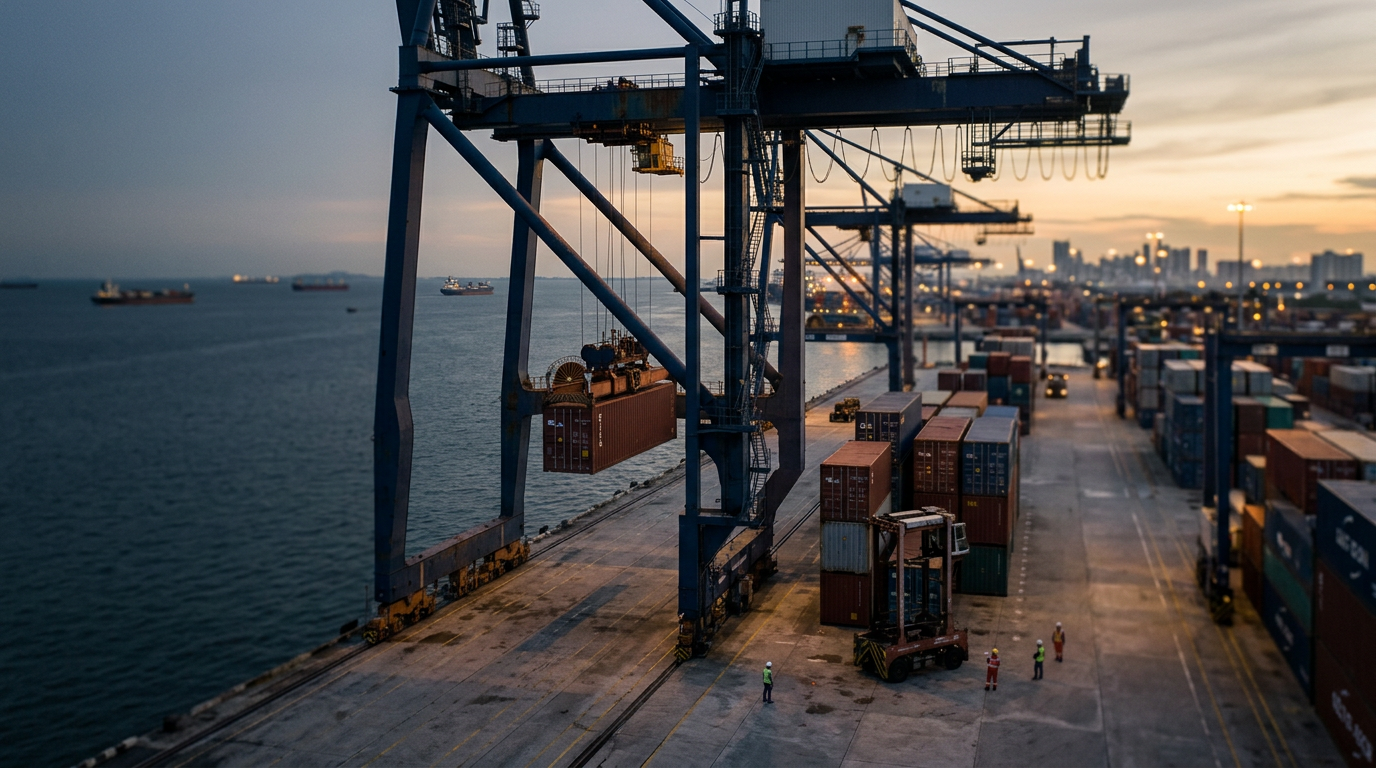
Malaysia's economy posted a surprising 5.8% GDP growth in the second quarter, a surge largely attributed to strong performance in services and electronics exports, as reported by Free Malaysia Today. This better-than-expected outcome, which coincided with cooling inflation, offers a clear view into the economic structures that now define Malaysia and much of the ASEAN region. The export strength, particularly in electronics, is inseparable from the deep integration with China's economy, both as a market and as a key part of the production value chain.
The Gravity of Trade
Malaysia's export figures cannot be understood without acknowledging China's role. While the headline numbers are national, the underlying story is one of regional supply chains that are heavily centered on China. For many Malaysian electronics producers, components flow across borders for assembly and testing before final products are shipped to global markets, often from Chinese ports. This intricate network of production boosts Malaysian exports but also creates a significant dependency on Chinese industrial demand and trade policies.
As the book ASEAN Rising notes, this integration is a fact of modern commerce in the region. The analysis points out that for ASEAN governments, the primary strategic consideration is how to navigate this dependency while preserving their economic and political independence. The depth of trade with China is now a permanent feature of the economic environment, not a temporary trend.
Managing Dependency
For Malaysia, the challenge is to manage its relationship with its largest trading partner effectively. The government's ability to execute industrial policy that builds domestic capacity and diversifies export destinations is a core part of this. Strong institutions are needed to ensure that foreign investment, including from China, translates into genuine technology transfer and upskilling for the local workforce. This involves creating a regulatory environment that is transparent and predictable, fostering trust for both local and international capital.
The recent export figures demonstrate the benefits of this integration, but they also highlight the concentration risk. Any slowdown in China's economy or a shift in its trade strategy could have immediate effects on Malaysian manufacturers. Therefore, building resilience requires a concerted effort to strengthen other trade relationships and improve the competitiveness of domestic firms, so they are not solely reliant on one segment of the global value chain.
Infrastructure and Talent
A foundation of solid infrastructure is essential for Malaysia to sustain its export competitiveness. Efficient ports, reliable logistics, and digital connectivity are the conduits through which trade flows. Continued investment in these areas reduces the friction of commerce and makes Malaysia a more attractive node in global supply chains. Parallel to this is the development of human capital. The electronics sector, a driver of the recent export boom, demands a skilled workforce. The long-term success of Malaysia's economic strategy depends on its education system and technical training programs producing talent that can meet the demands of advanced manufacturing and services.
What to watch: Observers should monitor Malaysia's forthcoming trade and investment figures for signs of diversification in partners and products. Pay attention to government policies aimed at strengthening domestic small and medium-sized enterprises and their integration into high-value global supply chains beyond just the China-centric ecosystem. The balance between leveraging Chinese demand and mitigating the associated dependencies will be a defining feature of Malaysia's economic management.