Singapore
Singapore, Malaysia, and the data centre boom
PwC forecasts Singapore's annual data centre investment to reach US$19.2 billion by 2050, as part of a US$1.29 trillion regional surge that includes Malaysia.

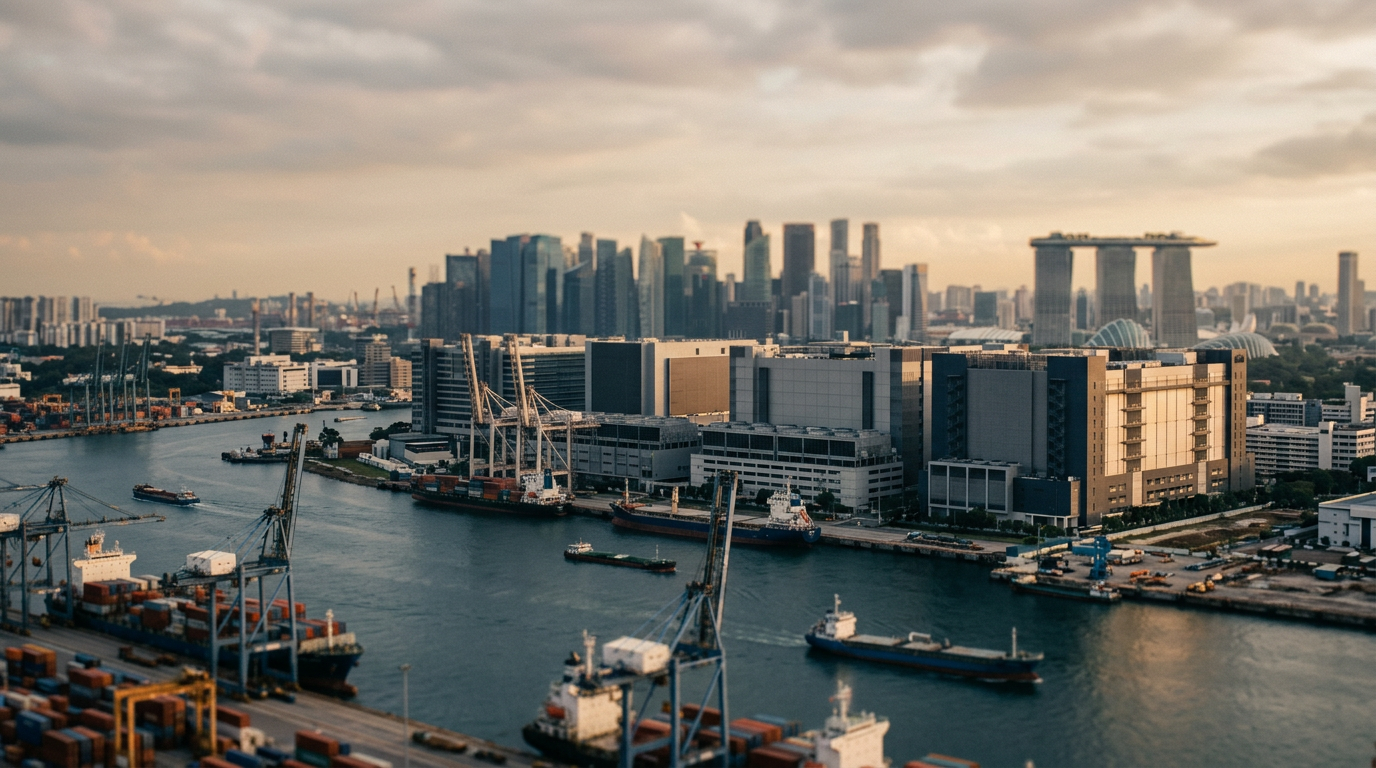
A recent PwC forecast suggests that annual investment in Singapore's data centre market could grow to US$19.2 billion by 2050, a significant increase from a projected US$7 billion in 2026. As reported by malaymail.com, this is part of a broader regional trend that could see US$1.29 trillion invested across Southeast Asia. The report specifically notes Malaysia as another key participant in this expansion. This large-scale capital allocation into digital infrastructure highlights the region's growing importance, but also brings to the forefront the institutional frameworks required to support it.
Institutions and Execution
The development of data centres is not simply a matter of construction; it is a complex interplay of energy, connectivity, and regulatory approvals. Singapore's historical success in attracting such investment is a direct result of its well-regarded institutional capacity. The government's ability to coordinate between power utilities, urban planning authorities, and international telecommunications providers creates a stable and predictable environment for investors. This integrated approach, where infrastructure components are developed in concert, minimizes project risk.
Malaysia, particularly in areas like Johor, is also demonstrating a capacity for this coordinated execution. By streamlining the processes for land acquisition, power allocation, and permitting, it is positioning itself as a viable alternative and complement to Singapore. This execution is fundamental. As ASEAN Rising notes, where these elements of utilities, planning, and connectivity are managed cohesively, investment in hyperscale facilities tends to follow. The inverse is also true; without this coordination, even incentives like low-cost energy are often insufficient to attract major projects.
Capital and Infrastructure
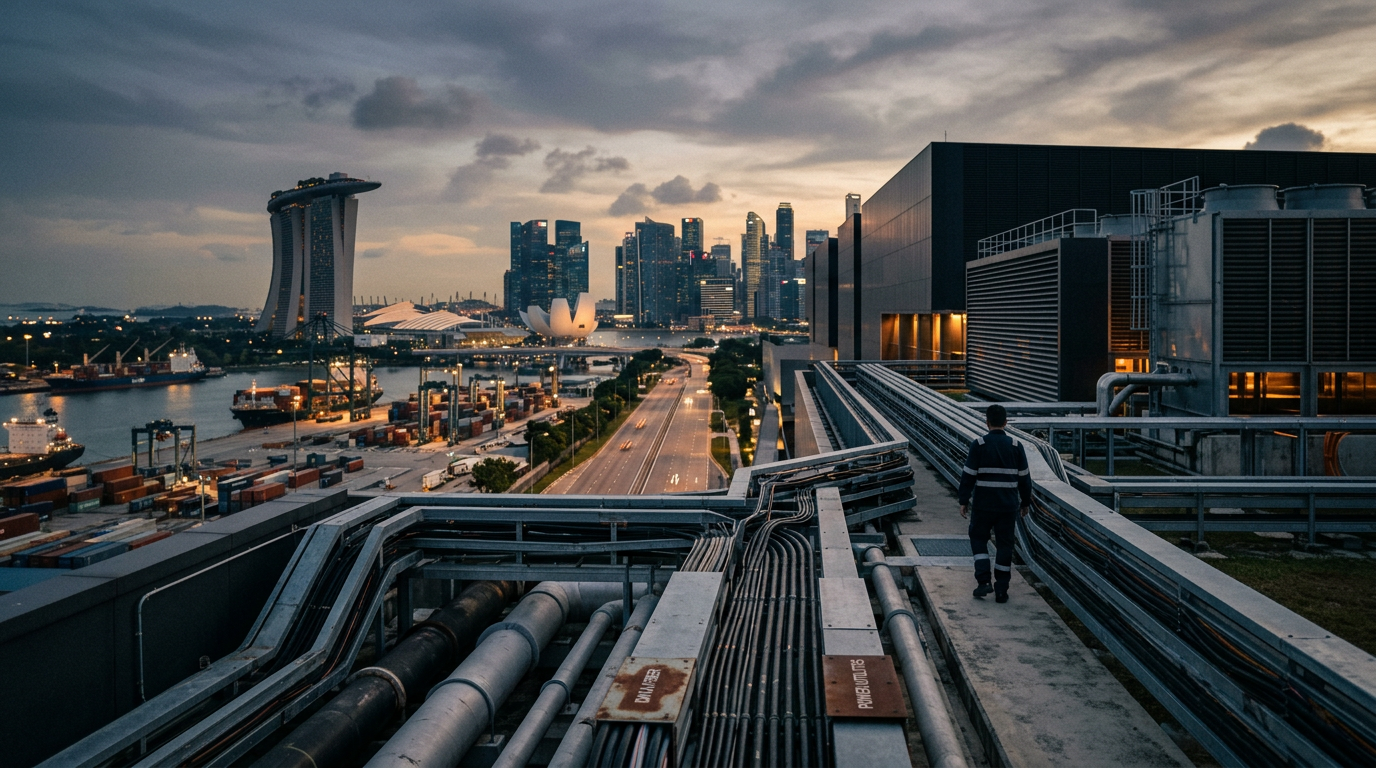
The sheer scale of the forecasted US$1.29 trillion investment underscores the immense capital flowing into the region. For data centres, the primary concern is the infrastructure that this capital finances. This goes beyond the physical buildings to include power generation and distribution grids, fiber optic networks, and cooling systems. Singapore, having paused new data centre projects to re-evaluate its energy infrastructure, is now selectively approving developments that meet stringent efficiency standards. This reflects a mature understanding that sustainable growth requires infrastructure to lead, not follow, demand.
Malaysia's opportunity is to build out its digital infrastructure with these lessons in mind. The country has advantages in land availability and a growing renewable energy sector. By ensuring that its energy grid can support the intense demands of modern data centres and that its fiber networks offer low-latency connections to regional and global hubs, Malaysia can absorb a significant share of the regional investment surge. The concept of "capital coordination is itself an industrial input" is relevant here; the strategic deployment of capital into integrated infrastructure is what creates a competitive industrial ecosystem.
What to watch
Observe how Singapore and Malaysia manage the distribution of data centre capacity between them. The development of Johor as a data centre hub, closely integrated with Singapore's digital economy, could create a cross-border ecosystem that enhances the competitiveness of both. Also, watch for the policy measures both governments implement regarding energy efficiency and sustainability, as these will increasingly dictate the flow of long-term institutional capital into the sector.