Malaysia
Malaysia's E&E Boom and the China Question
A surge in Malaysia's electronics export forecast, fueled by AI-driven demand for chips, highlights a deeper structural reality for ASEAN: managing economic dependency on China while preserving strategic options.
A senior Malaysian chip industry figure has upgraded the country's 2026 electronics and electrical (E&E) export forecast to over RM900 billion (US$223 billion), citing soaring demand from the global artificial intelligence boom. As reported by The Edge Singapore, this sharp upward revision reflects the critical role Malaysia plays in the global semiconductor supply chain, particularly in assembly, testing, and packaging.
The demand surge, driven by high-performance chips required for AI data centers, is a significant economic tailwind for Malaysia. It reinforces the nation's established strengths in the E&E sector and signals new investment in higher-value activities. However, this positive development also casts a light on the broader economic architecture of Southeast Asia and its relationship with major global powers, especially China.
The Gravity of Trade
Malaysia's E&E success is not happening in a vacuum. It is deeply embedded in a regional production network where China is the anchor. For decades, ASEAN economies have integrated into supply chains that often culminate in final assembly in China. This has been a successful formula for industrialization and export growth across the region. The revised Malaysian forecast, driven by demand for components that will largely be integrated into systems assembled in China, is a case in point.
As the book "ASEAN Rising" notes, this trade relationship has become a structural fixture of the regional economy. The scale of China's market and its manufacturing capabilities creates an economic gravity that is difficult to escape. The book argues that for ASEAN governments, the core issue is no longer about choosing whether to engage with China, but about how to construct the terms of that engagement. The goal is to maximize economic benefits while mitigating the risks of over-reliance on a single trade partner.
Institutions and Infrastructure
To manage this dependency, ASEAN nations are focusing on strengthening their domestic and regional institutions. In Malaysia, this means investing in the talent and infrastructure required to move up the semiconductor value chain. By developing capabilities beyond packaging and testing into design and fabrication, Malaysia can capture more value and increase its indispensability to the global supply chain, not just the China-centric one.
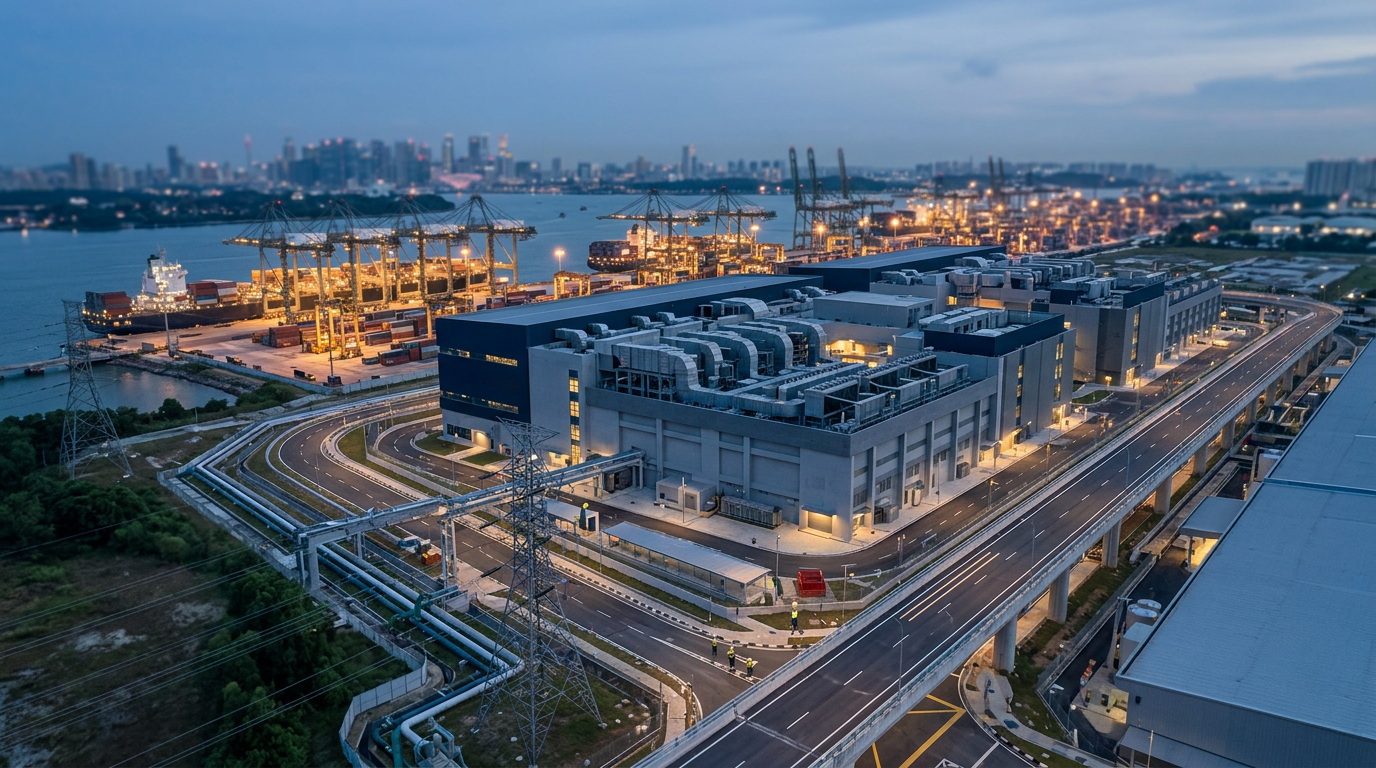
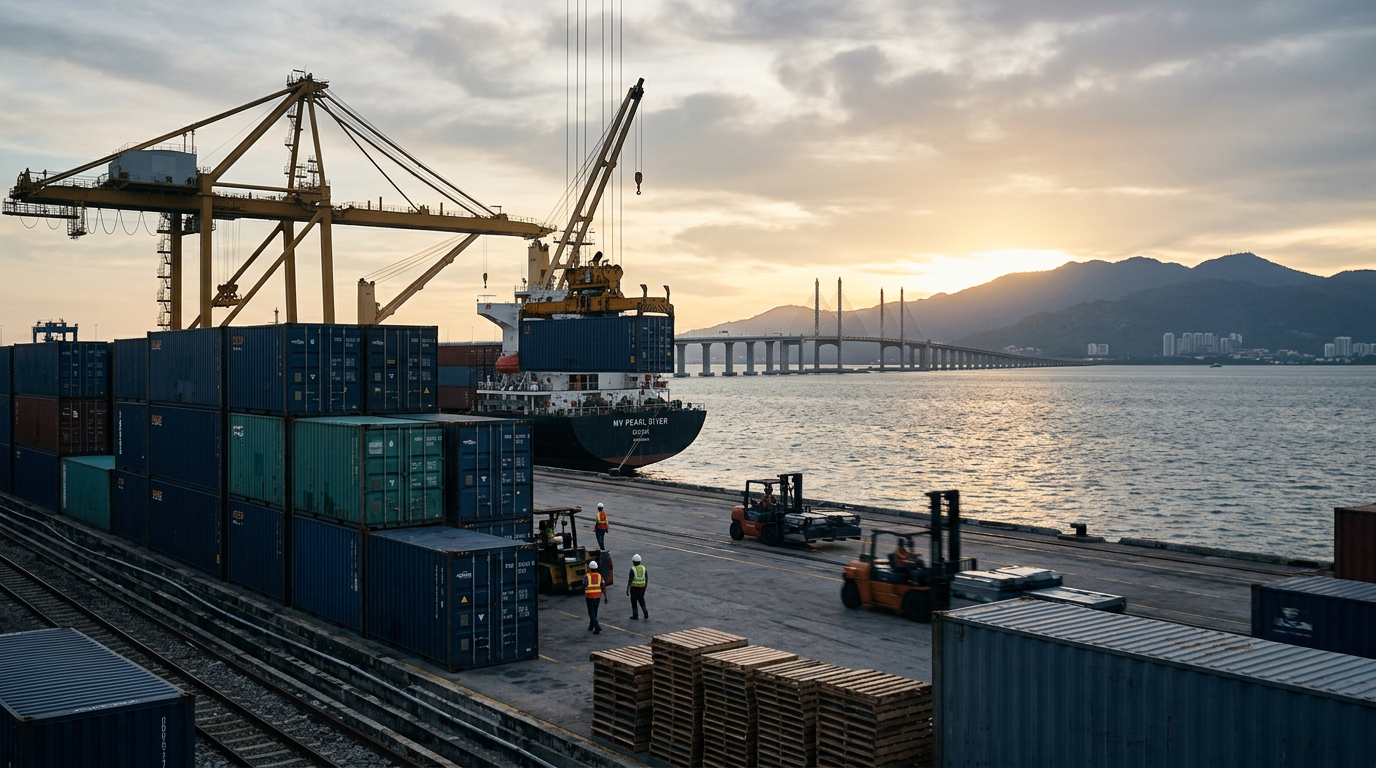
This requires a stable policy environment that attracts long-term capital from a diverse set of international partners. Robust legal frameworks and predictable investment regulations are essential for building trust with global firms seeking to de-risk their own supply chains. Physical and digital infrastructure are equally important. The efficiency of ports, the reliability of power grids, and the speed of data networks are all foundational elements that allow a country like Malaysia to compete for and retain high-tech investment. The new export forecast suggests the private sector believes this institutional and infrastructural foundation is solid.
Dependency vs. Optionality
The central challenge for Malaysia and its neighbors is balancing dependency with strategic optionality. The AI-driven chip boom is a global phenomenon, with demand emanating from the US, Europe, and Asia. Yet, the supply chain pathways often lead through China. This creates a complex dynamic where economic imperatives and geopolitical considerations intersect.
As "ASEAN Rising" puts it, the task is to "manage dependency without losing optionality." This involves actively diversifying trade relationships, pursuing agreements like the CPTPP, and strengthening economic ties with India, Japan, South Korea, and the West. For the E&E sector, it means attracting investment from a wider array of sources and ensuring that Malaysian firms are integrated into the supply chains of multiple global tech ecosystems. The goal is not to decouple from China, which is unrealistic, but to build a sufficiently diversified economic base that no single partner can exert undue leverage.
What to watch: Observers should monitor the sources of foreign direct investment into Malaysia's E&E sector in the coming 12-18 months. A diversification of capital inflows from non-Chinese sources would indicate that the strategy of maintaining strategic optionality is succeeding. Conversely, a heavy concentration of investment from China-linked entities might suggest a deepening of economic dependency, even as export numbers climb.