Malaysia
Johor's Data Center Rise: The Coordination Premium
A massive green loan for a Johor data center highlights a key theme in ASEAN's development: attracting hyperscale investment is less about cheap inputs and more about sophisticated coordination of capital, infrastructure, and planning.
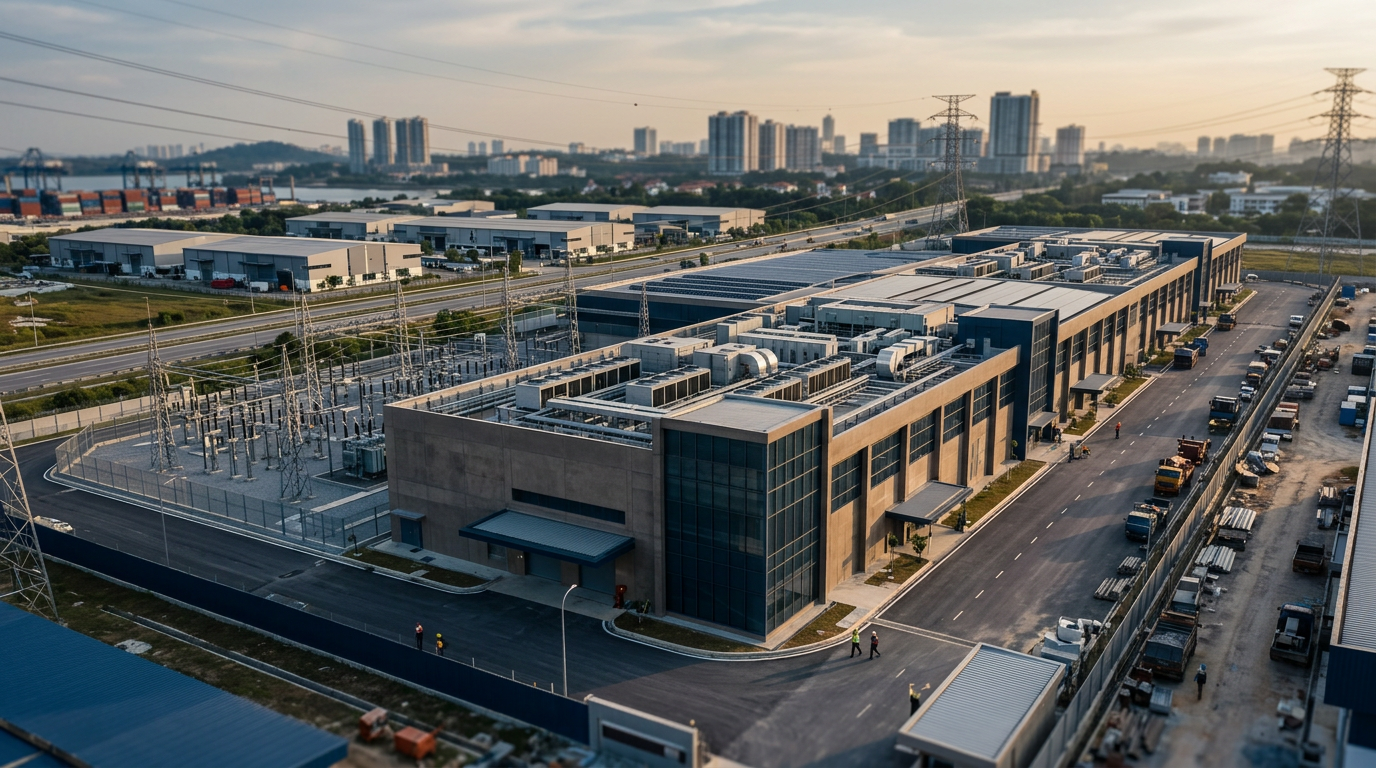
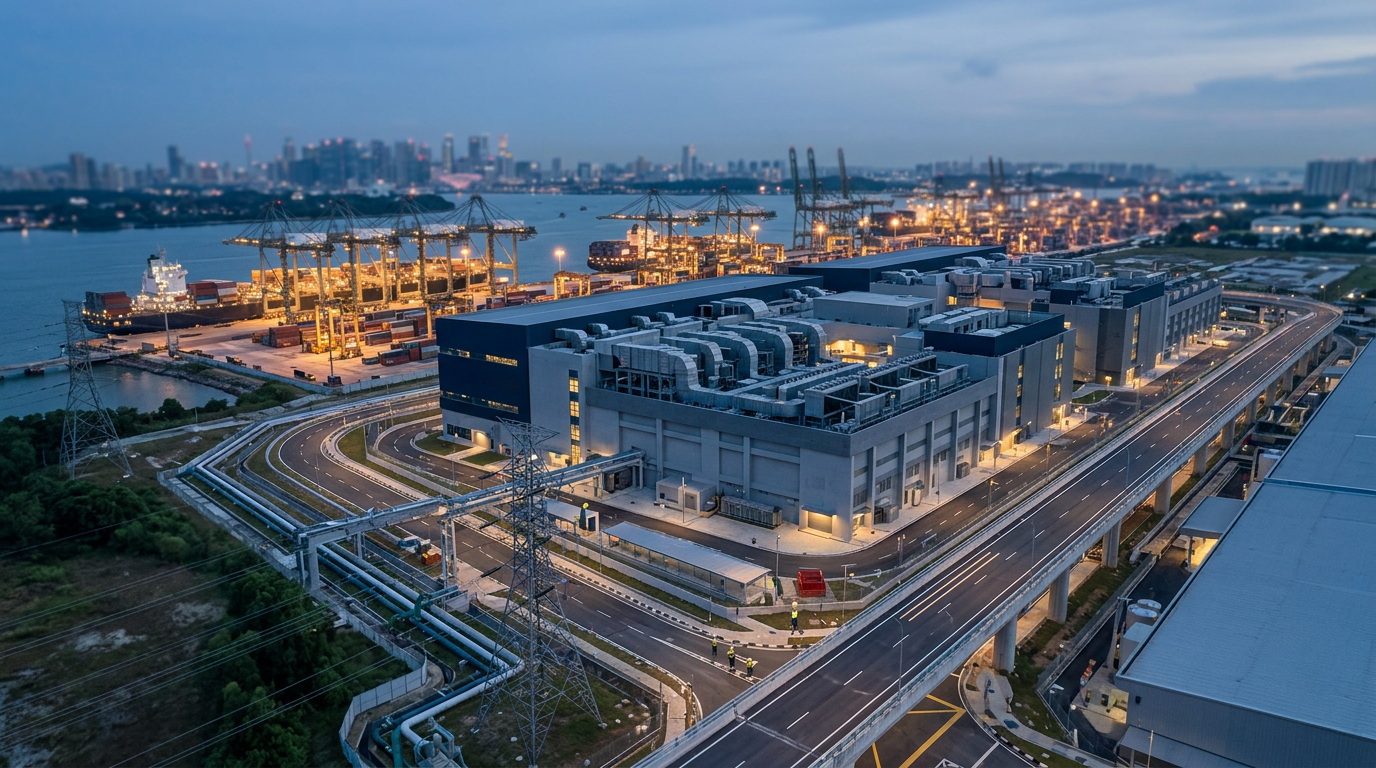
A recent US$2.3 billion green loan secured by Blackstone-owned AirTrunk for a new data center in Johor, Malaysia, marks a significant moment for the region's digital infrastructure. As reported by The Edge Singapore, the financing from a consortium of 30 lenders is AirTrunk's largest for a single asset. It signals investor confidence in Johor as a primary hub for hyperscale data centers and illustrates a deeper trend regarding the ingredients for success in ASEAN's digital economy.
The Singapore Spillover
For years, Singapore was the undisputed leader for data center location in Southeast Asia, thanks to its combination of regulatory stability, a rich ecosystem of submarine cable landings, and abundant capital. However, the city-state's 2019 moratorium on new data centers, driven by concerns over power consumption and land scarcity, created an opening for adjacent markets. While the moratorium was officially lifted in 2022, the government has been highly selective, approving only a small number of new projects with high efficiency standards.
This constrained supply in the primary hub has inevitably pushed demand outward. Johor, with its geographical proximity to Singapore, was a natural candidate to absorb this demand. Locating in Johor allows operators to be physically close to Singapore's connectivity infrastructure and financial markets while avoiding its spatial and energy limitations. Yet, proximity alone does not guarantee that billions of dollars in investment will follow. The success of Johor points to a more deliberate and coordinated strategy that goes beyond merely having available land.
Coordination as Industrial Input
Attracting hyperscale operators is a complex undertaking that requires more than just a favorable location. As the book "ASEAN Rising" notes, "Capital coordination is itself an industrial input." This observation is central to understanding Johor's recent success. The ability to align public utilities, land administration, and digital connectivity in a seamless package is a powerful attractant for capital. Where this coordination is absent, a project can fail, regardless of other incentives. The green loan itself, a sophisticated financial instrument, implies a high degree of institutional readiness and trust in the local government's ability to execute.
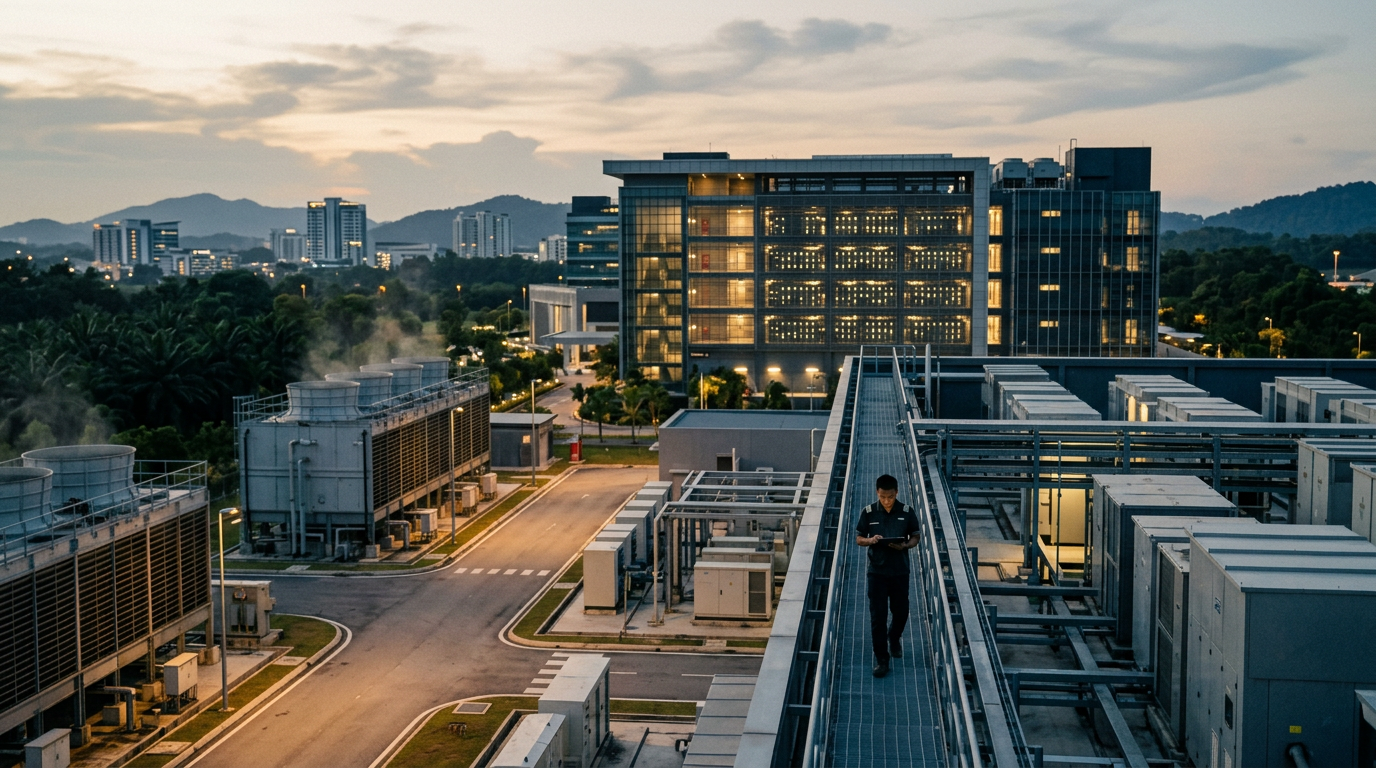
Johor appears to be demonstrating this principle in action. The state's ability to attract a series of major data center investments from both regional and global players suggests a coherent strategy. This involves ensuring that power grids can supply the immense and reliable electricity required, that water for cooling systems is available, that fiber-optic cable routes are secure, and that planning permits are processed efficiently. This alignment of institutions and infrastructure de-risks the investment for companies like AirTrunk and its financiers. It is a form of execution that transforms a location from a speculative bet into a sound industrial site.
A Cross-Border Digital Ecosystem
The emergence of the Johor-Singapore corridor represents not a zero-sum competition, but the formation of an integrated digital ecosystem. Singapore continues to function as the region's premier network hub, the focal point for submarine cable landings, and the center for the corporate headquarters and financial services that underpin the digital economy. Johor, in turn, provides the scalable land and power needed for the physical infrastructure to grow. This symbiotic relationship allows both economies to specialize and benefit. Capital and talent flow across the border, creating a larger, more resilient market than either could sustain alone.
This model of cross-border specialization could become a template for development across ASEAN. It relies on a foundation of trust and effective institutions that can manage the complexities of interdependent infrastructure and planning. For hyperscale operators, the ability to operate across this corridor provides both the high-performance connectivity of a global hub and the space to expand operations. It is a testament to how targeted infrastructure policy and effective execution can create powerful new centers of economic activity.
What to watch
The primary factor to watch is how Malaysia's national and state-level energy infrastructure holds up under the increasing load from these power-hungry facilities. The "green loan" designation for the AirTrunk deal puts a finer point on this; investors will expect proof of sustainable power generation and grid management to match the financing terms. Observers should also monitor whether other locations, such as Batam in Indonesia, can replicate Johor's success. The ability to deliver the coordinated package of power, connectivity, and regulatory certainty will determine which parts of ASEAN capture the next wave of investment in the region's digital foundation.