Malaysia
's Electricity Price Spike Tests its Institutions
A recent surge in spot electricity prices highlights the tension between market forces and state capacity in Malaysia, putting the country's institutional framework for energy governance to the test.

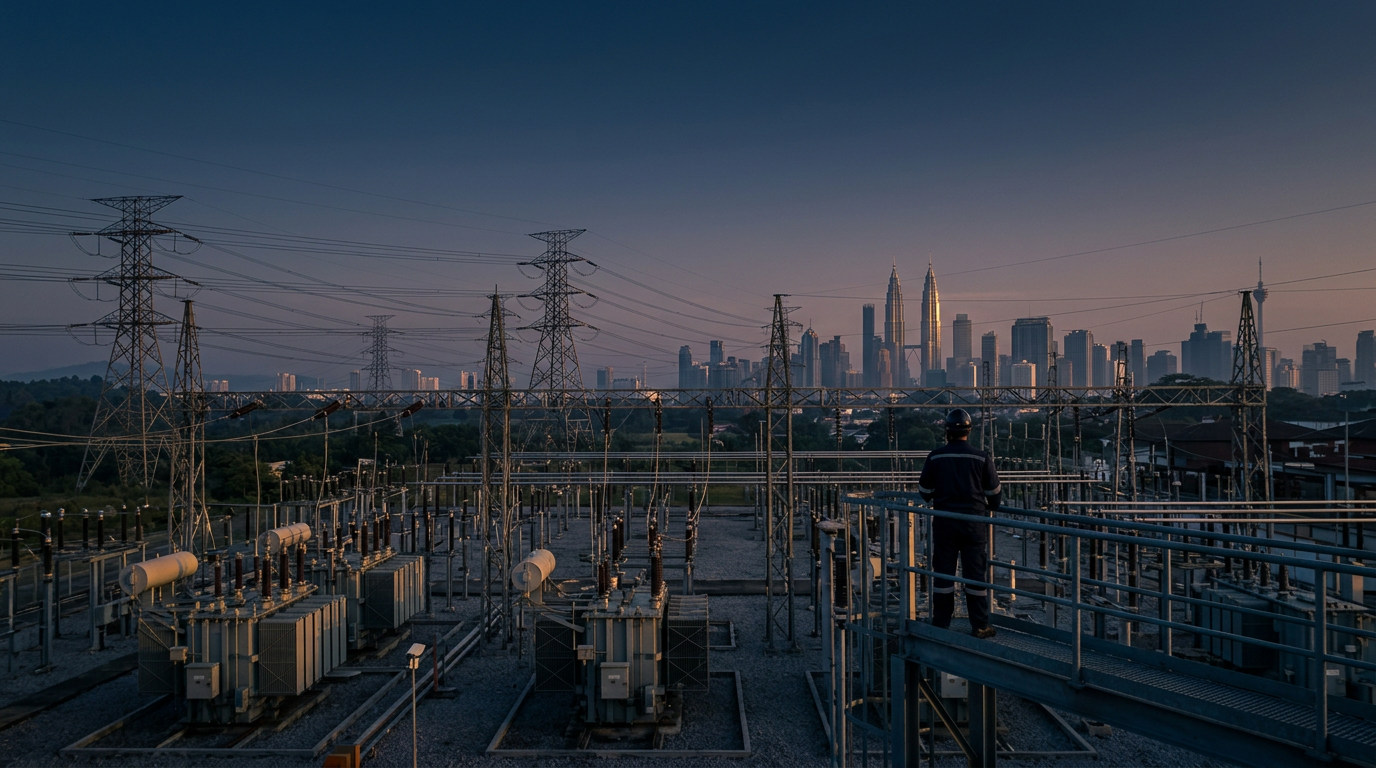
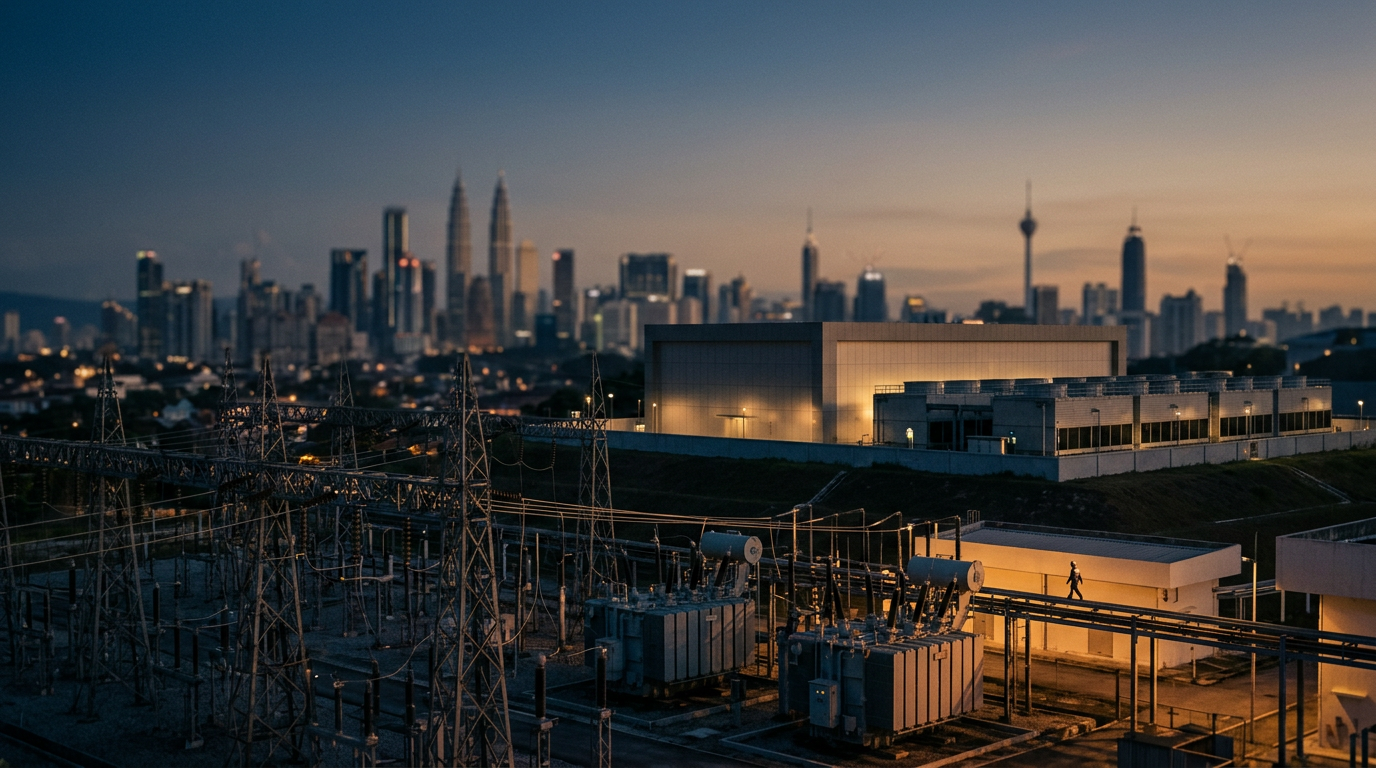
A recent report from the Straits Times noted that spot electricity prices in Malaysia have reached a high, driven by fuel costs and the dynamics of power supply and demand. This spike raises questions not just about immediate household bills but about the underlying structure and governance of Malaysia's energy market.
Institutions Under Pressure
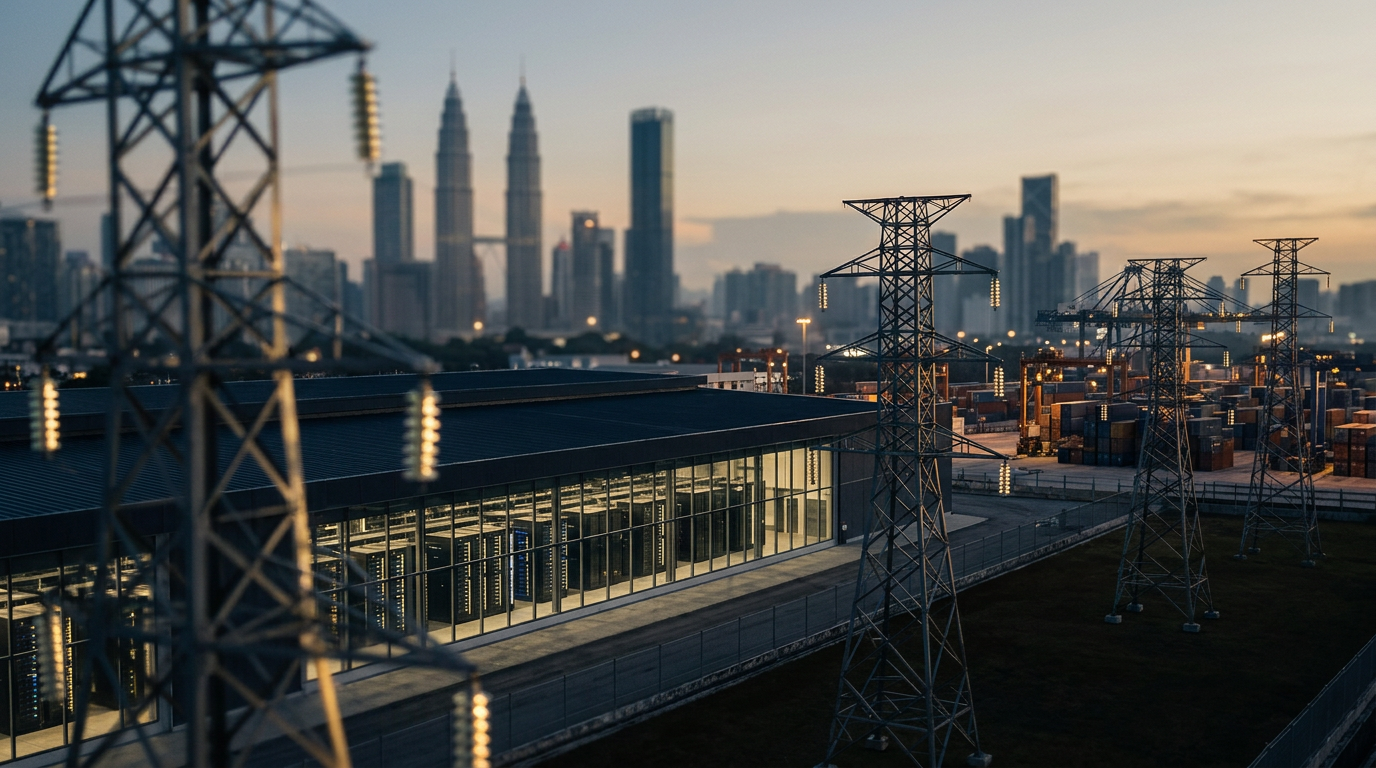
The electricity price surge is a classic example of market forces meeting state capacity. In Malaysia, the energy sector operates within a framework of regulated tariffs and market-based mechanisms. The government has historically subsidized fuel costs to keep electricity prices stable for consumers, an important policy in a country where energy affordability is a public expectation. However, rising global fuel prices put this model under significant strain. The state must absorb the higher costs, which has fiscal implications, or pass them on to consumers, which has political and social consequences. This situation tests the resilience of the institutions tasked with managing this balance, including the Energy Commission and national utility Tenaga Nasional Berhad. Their ability to manage the price fluctuations while ensuring a reliable supply is a direct measure of their effectiveness.
The Cost of Friction
The core issue is friction. In this context, friction represents the costs and inefficiencies that arise from the interaction between market mechanisms and state regulation. While subsidies are intended to reduce the financial burden on consumers, they can also create distortions in the market, discouraging investment in efficiency and alternative energy sources. The current price spike highlights the "cost of friction" in Malaysia's energy policy. As "ASEAN Rising" notes, a state