Malaysia
Malaysia and Hong Kong Deepen Investment Ties
The Malaysian Investment Development Authority and Invest Hong Kong have renewed a memorandum of understanding to promote two-way investment. The real work of turning announcements into realised foreign direct investment now begins.

Malaysia and Hong Kong are renewing a partnership to promote two-way investment, with the Malaysian Investment Development Authority (MIDA) and Invest Hong Kong (InvestHK) signing a memorandum of understanding (MoU), reports The Star. This agreement extends a collaboration established in 2017, aiming to enhance the flow of capital and expertise between the two economies.
Institutions and Intent
The renewed MoU signals a continued commitment to strengthening economic links. Such agreements are a staple of investment promotion, providing a formal framework for cooperation between national agencies. They facilitate information sharing, joint promotional activities, and mutual support for businesses seeking to expand into new markets. For Malaysia, this partnership is part of a broader strategy to attract high-quality foreign direct investment (FDI) that can support its economic development goals. For Hong Kong, it offers a gateway for its companies to access the growing markets of Malaysia and the wider ASEAN region.
The formal structure provided by MIDA and InvestHK is designed to streamline the investment process. These institutions act as the primary interface for investors, offering guidance on regulations, identifying opportunities, and connecting businesses with local partners. The success of this renewed partnership will depend on the ability of these bodies to not just promote, but to actively facilitate, investment projects from inception to operation.
From Announcement to Execution
While MoUs and investment announcements generate positive headlines, the true measure of success is the conversion of these pledges into tangible projects. As the book "ASEAN Rising" notes, "FDI announcements travel quickly. Realised flows depend on the slower work of land, permits, power and talent reaching the ground." The journey from a signed agreement to a functioning factory or a fully staffed office is a complex process that tests the institutional capacity of the host country.
Investors, particularly those from a highly efficient market like Hong Kong, will look closely at the practical realities of doing business in Malaysia. This includes the transparency and predictability of the regulatory environment, the speed of obtaining necessary permits, and the reliability of essential services. The efficiency of land acquisition and the availability of a skilled workforce are equally important. MIDA's role extends beyond promotion to troubleshooting these very issues, ensuring that announced projects do not stall at the implementation stage. The effectiveness of its coordination with other government agencies at both the federal and state levels is fundamental to converting investor interest into realised FDI.
Capital and Infrastructure
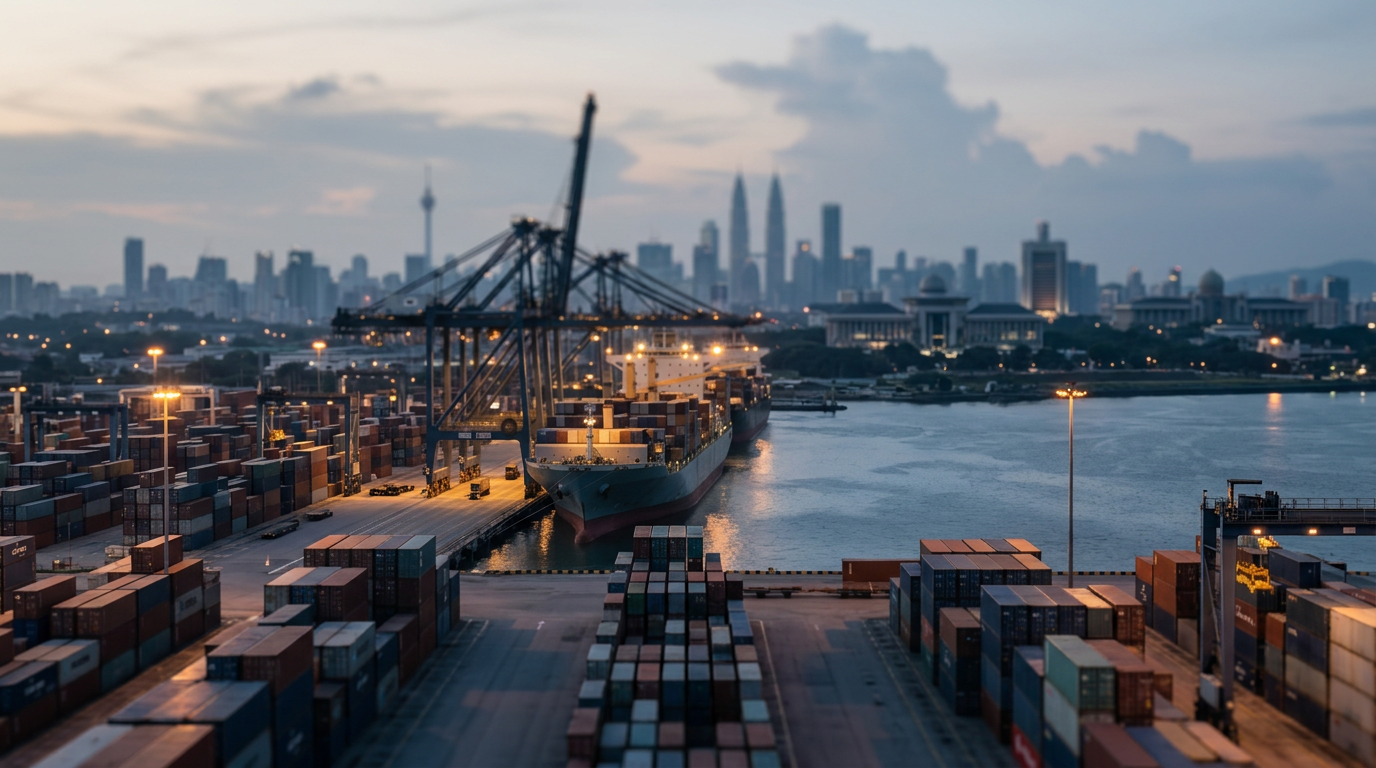
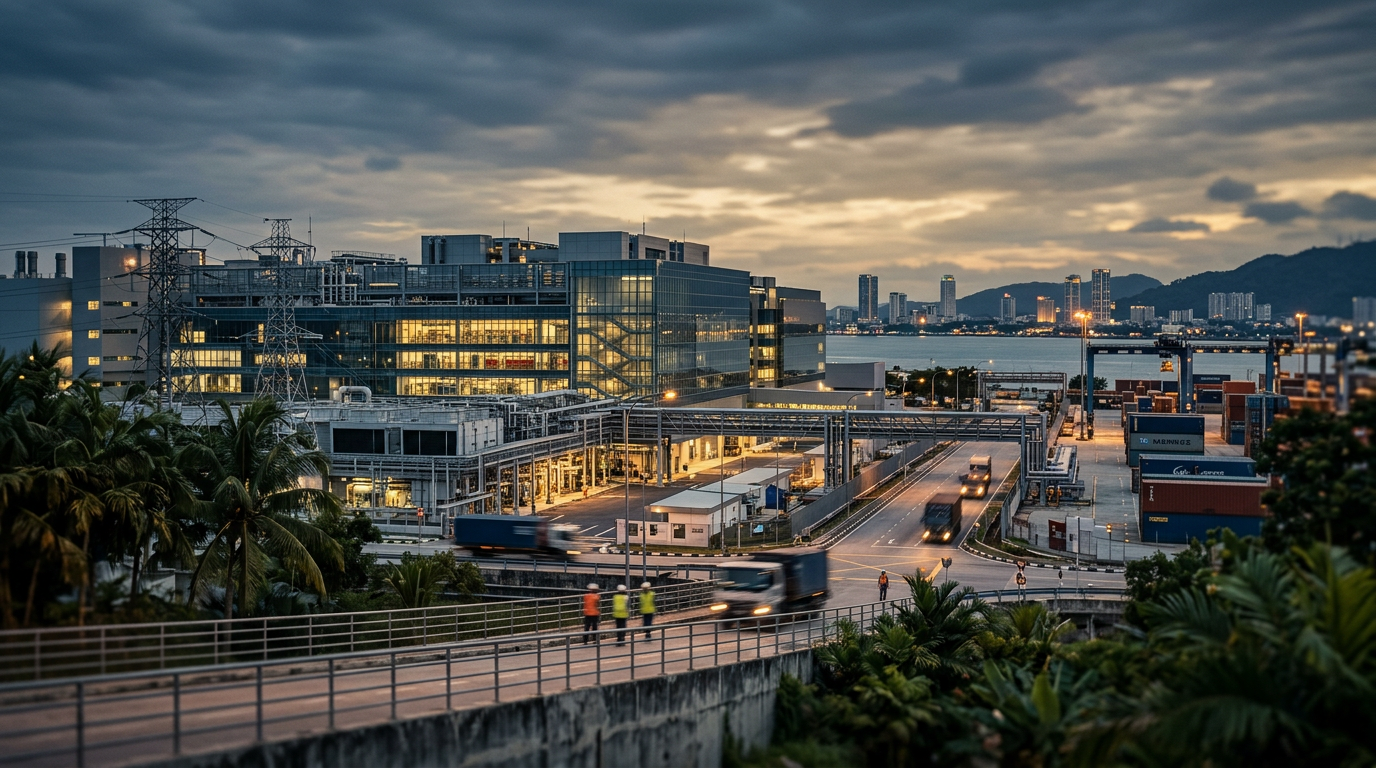
To attract and retain investment from a global financial center like Hong Kong, Malaysia must demonstrate that its physical and digital infrastructure can support sophisticated business operations. This includes reliable power grids, extensive logistics networks, and high-speed digital connectivity. Recent investments in Malaysia's industrial parks, transportation links, and 5G network are intended to address these needs. These infrastructure projects are capital-intensive and require long-term planning, but they are the bedrock upon which new investments are built.
The flow of capital from Hong Kong is not just about financial resources; it often brings with it advanced technologies, management expertise, and access to global supply chains. For Malaysia to fully benefit, its domestic systems must be able to absorb and integrate this inflow. The MoU between MIDA and InvestHK can serve as a conduit, but the underlying infrastructure must be robust enough to handle the demands of new and expanding enterprises. The quality of this infrastructure will directly influence the types of projects Malaysia can attract, from manufacturing and logistics to data centers and financial services.
What to watch
The focus now shifts to the execution that follows this renewed agreement. Observers should monitor the specific initiatives and joint programs that emerge from the MIDA-InvestHK partnership over the next 12-24 months. The key indicators of progress will be the number and value of investment projects that move from the announcement stage to full implementation, the sectors these investments target, and the tangible impact on job creation and economic activity in Malaysia. The ability of Malaysian institutions to efficiently manage this process will determine the ultimate success of this long-standing collaboration.