Malaysia
Penang LRT: A Test of Institutional Capacity
The Mutiara Line LRT project in Penang is more than a transportation initiative; it is a signal of Malaysia's institutional capacity to deliver complex infrastructure on schedule. While short-term disruptions are inevitable, the long-term economic benefits depend on the.
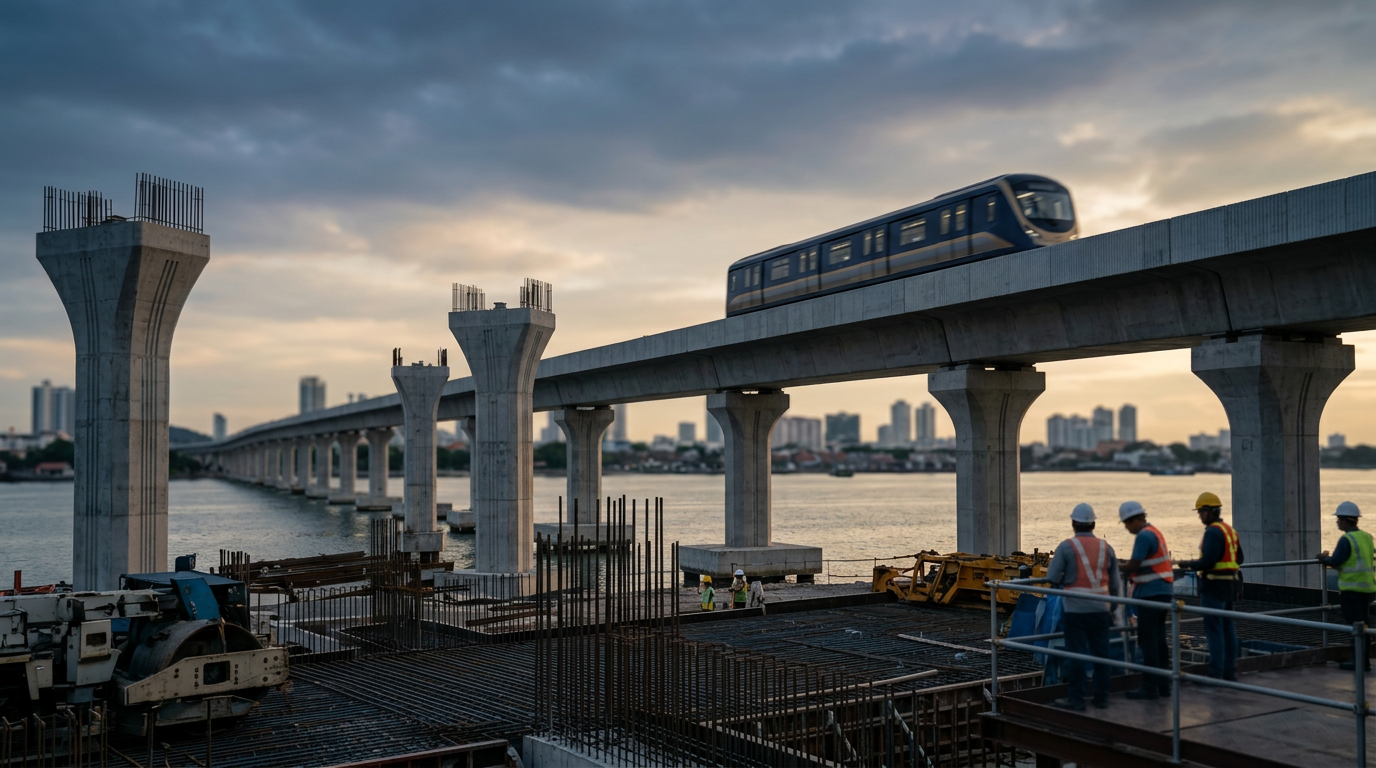
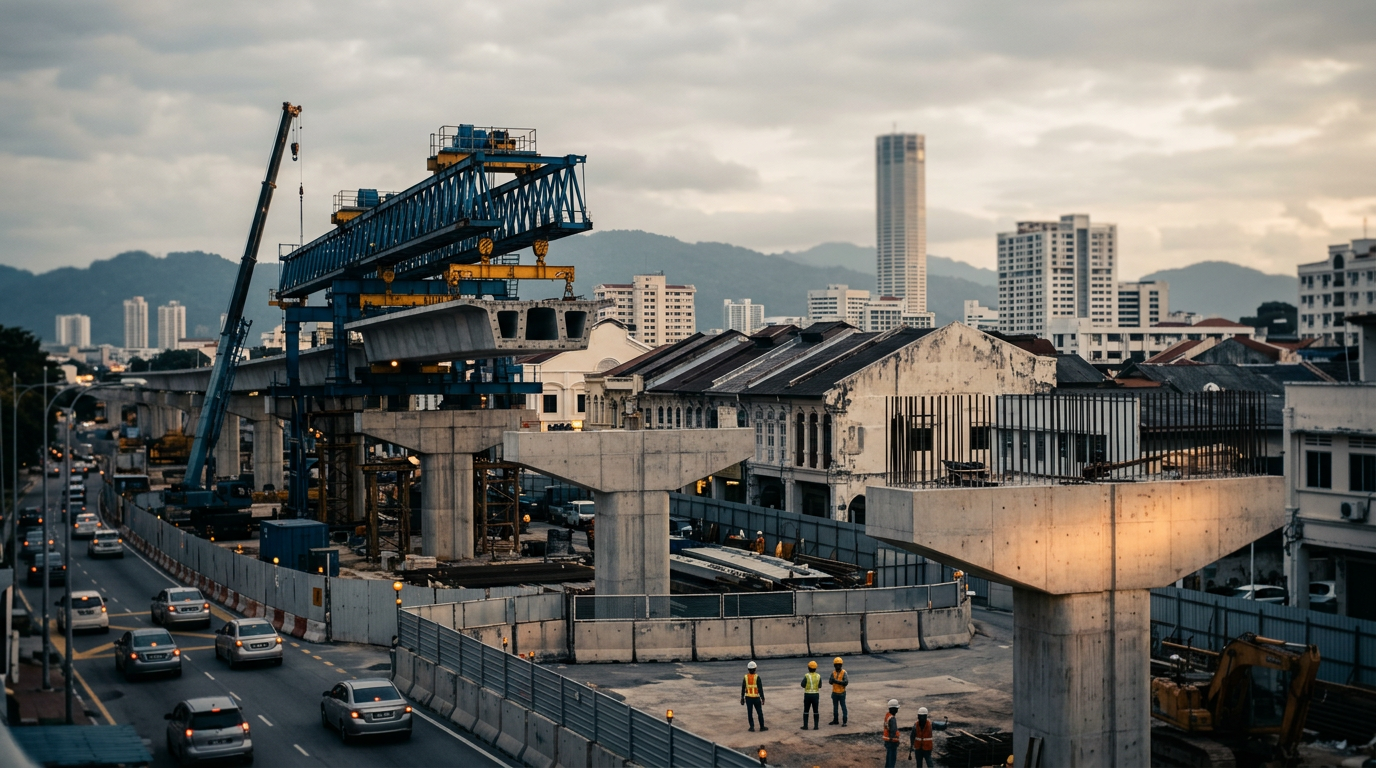
The announcement of intermittent partial lane closures on Jalan Sultan Azlan Shah in George Town to facilitate construction of the Light Rail Transit (LRT) Mutiara Line is a routine event in a major infrastructure project. As reported by Bernama, these disruptions will continue until mid-November, marking a tangible, if inconvenient, step in the project's execution. Yet, this seemingly local traffic story is a small-scale manifestation of a larger theme playing out across Southeast Asia: the translation of ambitious infrastructure plans into operational realities.
Execution and Trust
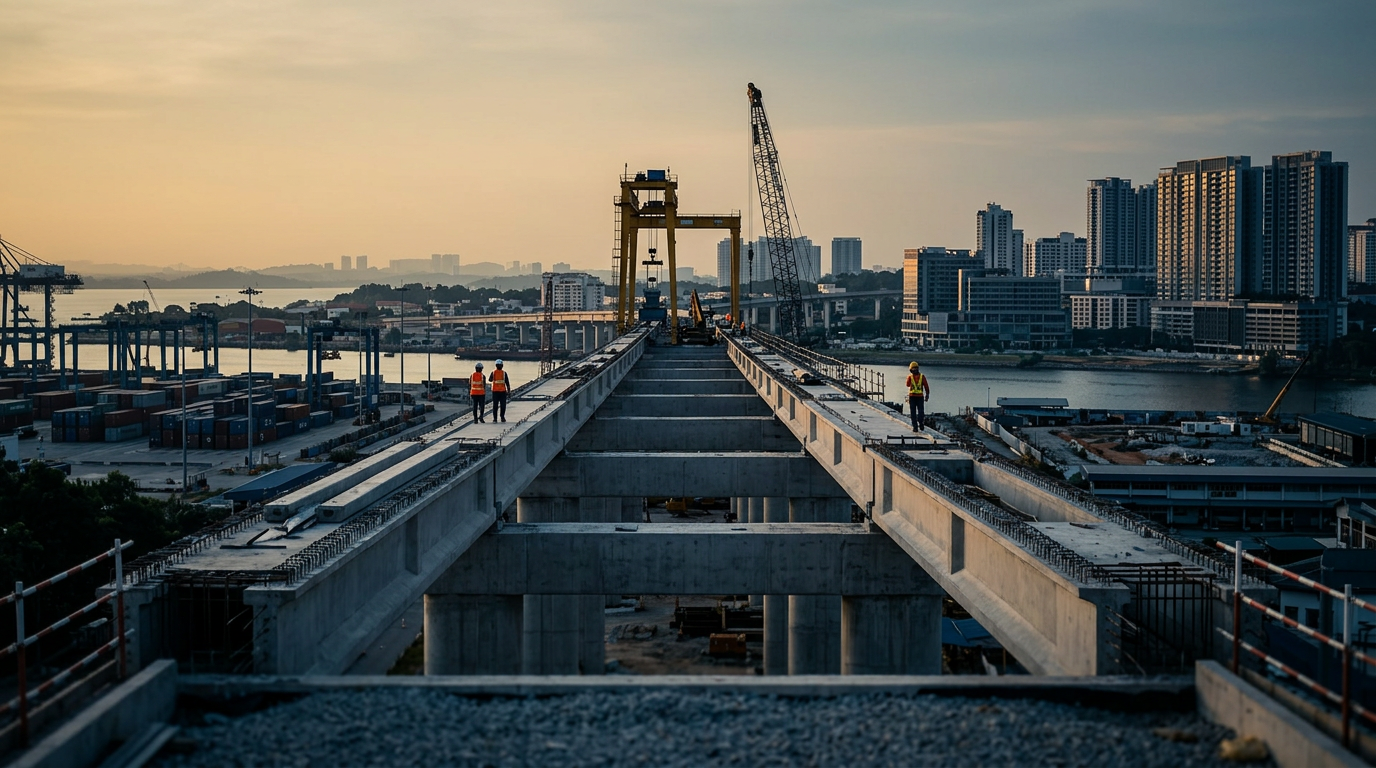
The Mutiara Line, part of the larger Penang Mutiara Line project, is a significant undertaking for the Malaysian state of Penang. It aims to alleviate traffic congestion and improve public transport, connecting key locations and fostering economic development. However, the success of such projects is not measured by their announcements or groundbreaking ceremonies, but by their steady, predictable execution. The lane closures are a necessary part of the process, but they also place a burden on the public. How the authorities manage this disruption-through clear communication, efficient traffic management, and adherence to timelines-is a direct reflection of state capacity. It builds, or erodes, the public trust that is essential for long-term development projects.
From Announcement to Advantage
Large-scale infrastructure projects are a common feature of national development plans across ASEAN. They signal ambition and a commitment to future growth. However, as "ASEAN Rising" notes, the simple act of announcing a project is not where the value lies. The real test is in the delivery. The book argues that "institutional reliability has become part of comparative advantage." In a competitive region where governments are all vying for investment and economic leadership, the ability to deliver infrastructure on time and within budget becomes a powerful differentiator. A government that can reliably execute its plans signals a stable and competent administration, which is often more attractive to investors than one that offers grand but unrealized visions.
Infrastructure as a Signal
The construction in Penang is a case in point. The physical building of the LRT is, of course, the primary goal. But the process itself sends powerful signals. Efficiently managing the complexities of urban construction, from land acquisition to traffic rerouting and supply chain logistics, demonstrates a high level of institutional competence. This competence is a valuable asset. It suggests that the government can be a reliable partner for private capital and that future projects are likely to be managed with the same level of professionalism. The smooth progress of the Mutiara Line, therefore, does more than just promise better transportation for Penangites; it helps to solidify Malaysia's reputation as a place where complex projects can get done.
What to watch
Moving forward, observers should monitor the project's adherence to its stated timelines, not just for the current phase of roadworks but for the entire construction schedule. Attention should be paid to the government's communication with affected residents and businesses, as this is a key indicator of institutional responsiveness. The ultimate success of the Mutiara Line will be a measure of not just steel and concrete, but of the underlying state capacity to manage friction, build trust, and turn plans into a functioning reality that enhances national comparative advantage.