Malaysia
 Delays, Singapore Dollars
The delay of the Johor Bahru-Singapore RTS Link highlights the persistent gap between investment announcements and on-the-ground execution in Southeast Asia.
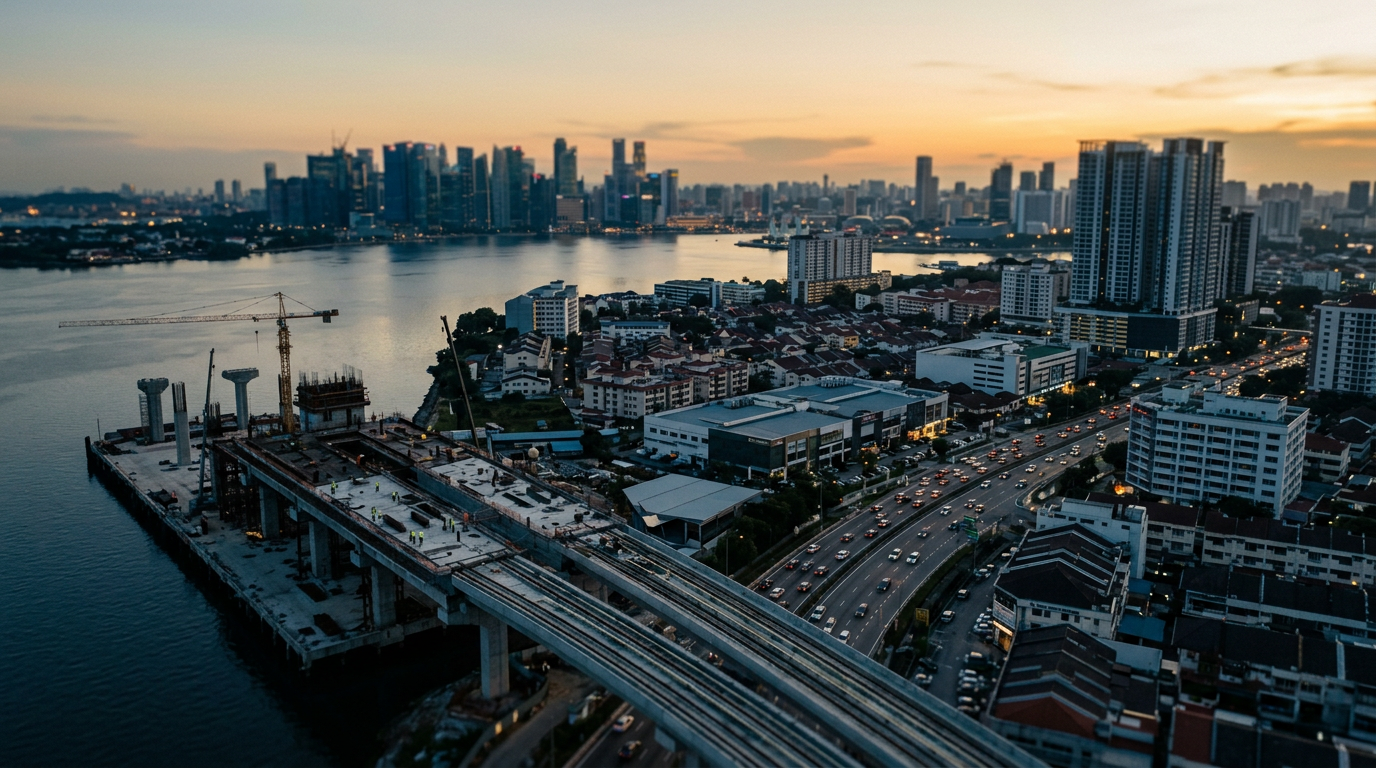
Singaporean media reported last week that the Johor Bahru-Singapore Rapid Transit System (RTS) Link passenger service has been delayed to February 2027, from an earlier opening date in 2026. According to the report in CNA, the delay is attributed to the additional time required for testing, safety certification, and regulatory approvals for the cross-border rail service.
The long road to connectivity
The RTS Link is more than just a piece of transport infrastructure. It represents a significant economic and social bridge between Malaysia and Singapore. The project is intended to ease the immense daily traffic congestion on the Causeway, one of the world's busiest land border crossings. For the thousands of Malaysians who commute to Singapore for work, the RTS promised a faster, more reliable journey. For Singapore, it offers easier access to talent and the lower-cost living environment of Johor Bahru. The project is a central component of the planned Johor-Singapore Special Economic Zone (SEZ), a Malaysian initiative to attract significant investment by leveraging its proximity to Singapore's global business hub.
Delays in large-scale infrastructure are not uncommon. However, this particular delay highlights a recurring theme in Southeast Asian development. Grand announcements and ambitious timelines often run into the complicated reality of execution. The reasons cited for the RTS delay - testing, certification, and regulatory approvals - point to the detailed, time-consuming work required to bring complex projects to completion, especially those that span international borders. Each country has its own set of standards and bureaucratic processes that must be aligned and satisfied. This is the unglamorous, behind-the-scenes work that is essential for ensuring the safety and reliability of public infrastructure.
From announcement to asset
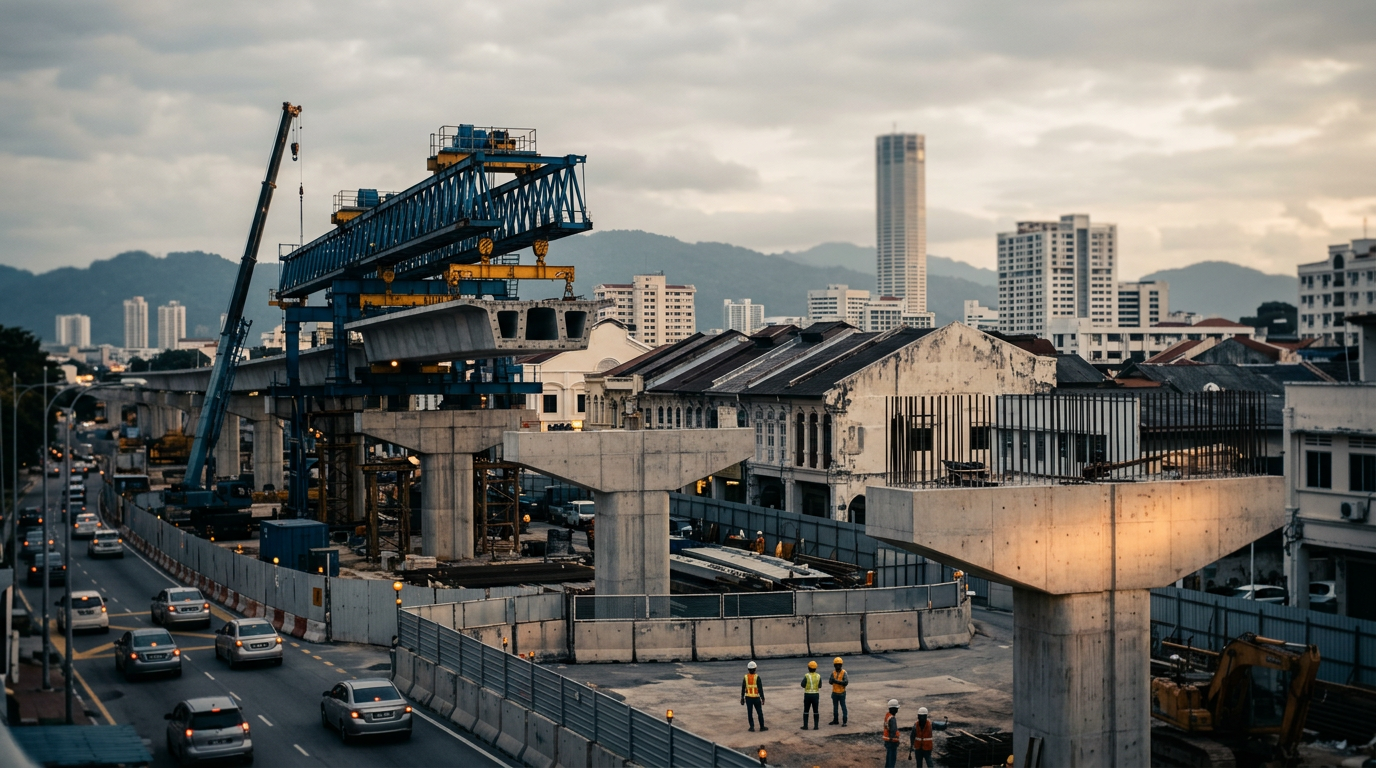
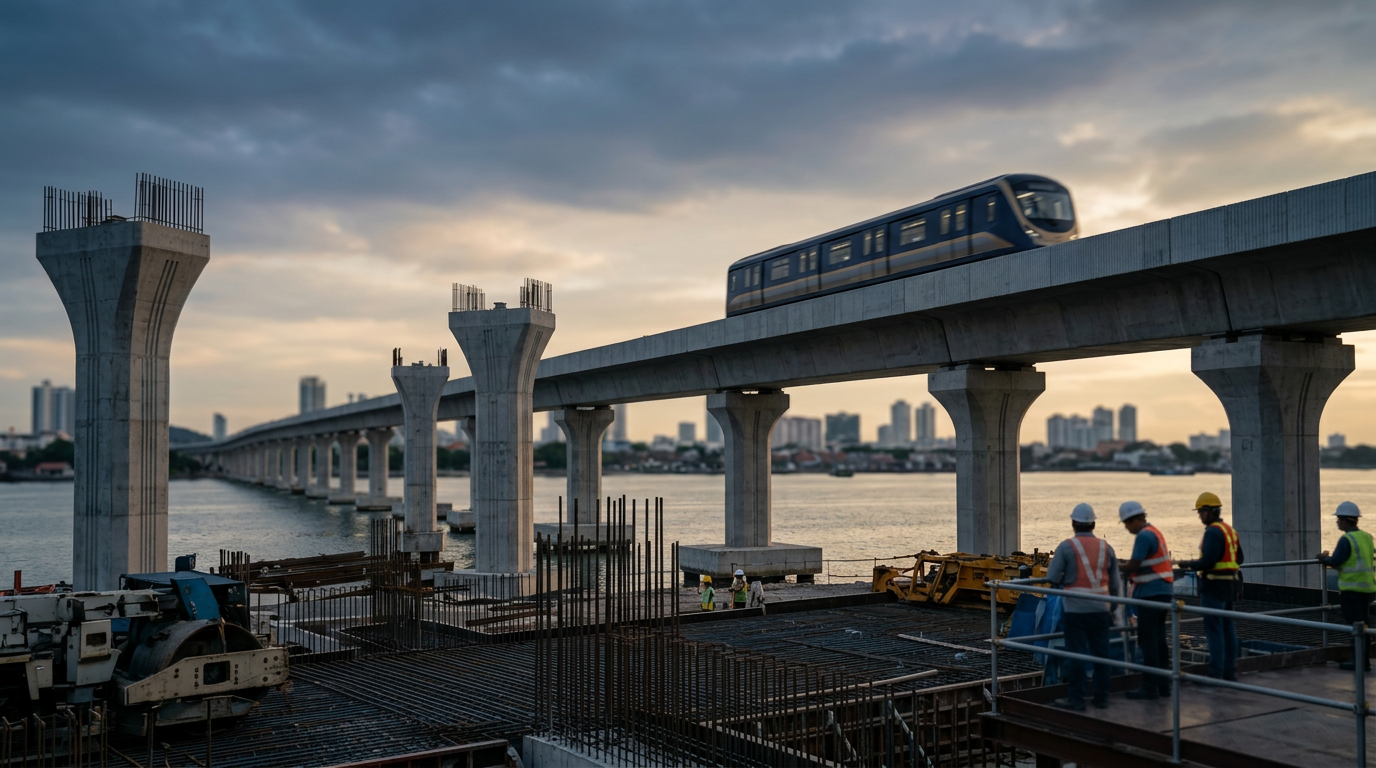
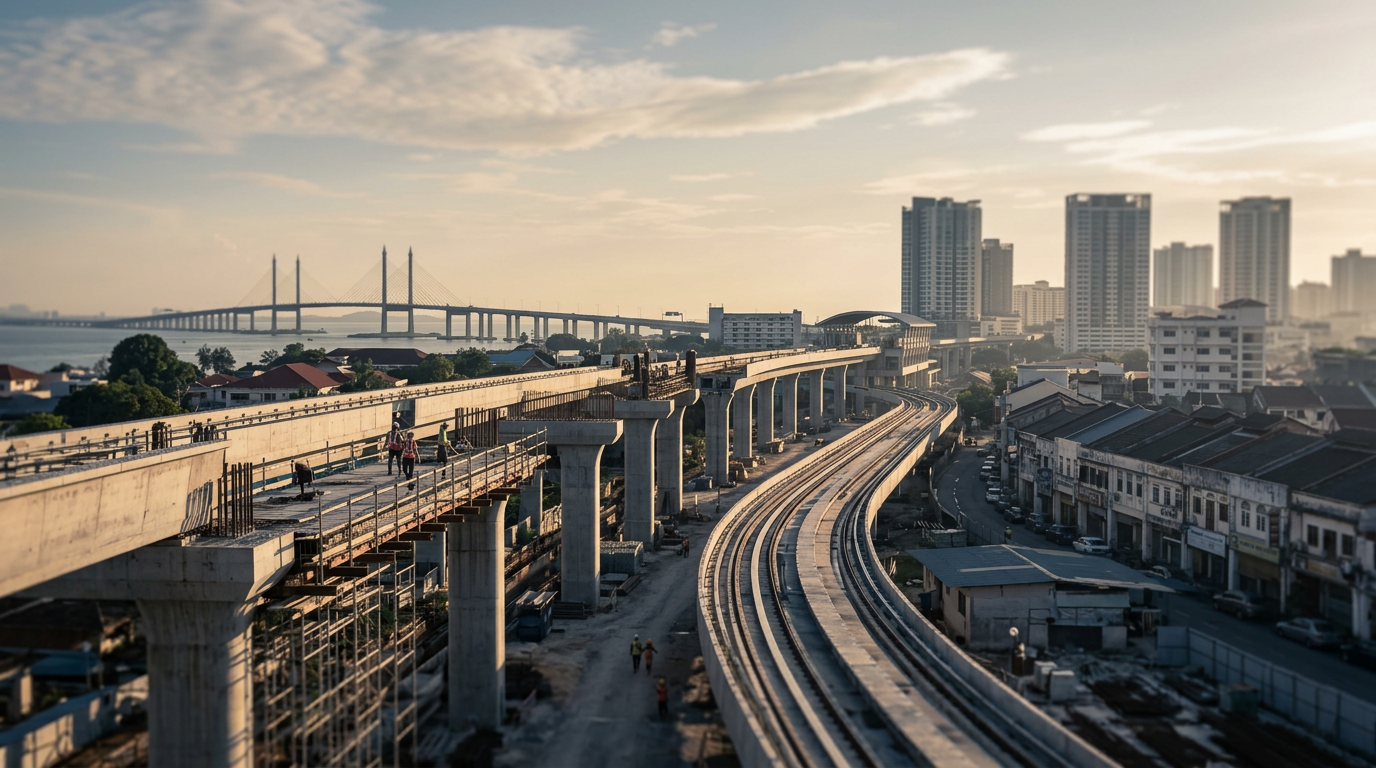
Foreign direct investment (FDI) is often heralded as a sign of economic progress, but as the book "ASEAN Rising" notes, there is a significant difference between an announced project and a functioning asset. "Realised flows depend on the slower work of land, permits, power and talent reaching the ground." The RTS Link is a case in point. The initial agreements and public announcements generated considerable optimism and media attention. The physical construction of the viaducts and stations is the most visible part of the process. Yet, the final, crucial phase involves the systems, software, and regulatory frameworks that will actually make the trains run. This is where sovereign processes, technical standards, and national safety requirements intersect.
The delay serves as a practical illustration of the institutional friction that can slow down regional integration. While leaders may agree on a vision, the technical agencies and civil servants in both countries are tasked with the details. These details, from signaling systems to emergency protocols, are where the genuine challenges of cross-border collaboration lie. Building trust and common standards at this operational level is as important as the political will at the top. The success of the eventual Johor-Singapore SEZ will depend not just on investment announcements, but on the smooth, predictable, and efficient operation of enabling infrastructure like the RTS.
What to watch: Observers should monitor the progress of the RTS testing and commissioning phase closely. The ability of both Malaysia and Singapore to resolve the final technical and regulatory hurdles will be a strong indicator of the practical depth of their collaboration. Further delays could temper investor enthusiasm for the broader SEZ initiative, while a firm completion date would signal that the institutional mechanisms for complex, cross-border projects are maturing.