Malaysia
Malaysia's Grid Modernization Signals More Than Power
An ambitious power infrastructure project in Sabah is more than a domestic upgrade. It is a tangible indicator of state capacity and the drive for institutional reliability that is shaping comparative advantage across ASEAN.
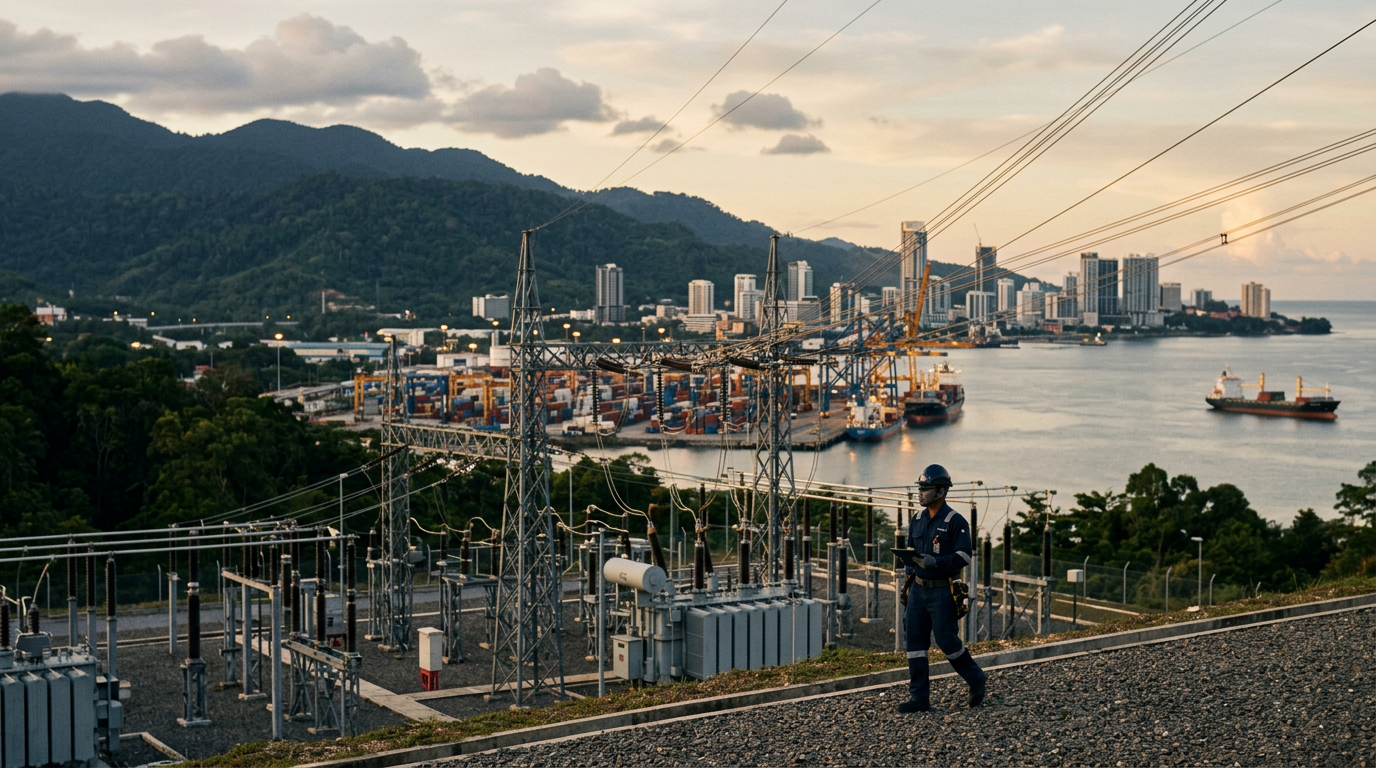
A recent announcement concerning the Sabah Southern Madani Link project aims to bolster the state's power supply, a move that authorities say will create a more integrated and resilient grid when combined with the Sabah-Sarawak interconnection. As reported by Free Malaysia Today, the project is a significant domestic energy initiative. Yet its true importance lies beyond kilowatts and transmission lines. It represents a tangible test of institutional execution and a signal to international capital about the reliability of Malaysia's operating environment.
Infrastructure and Institutions
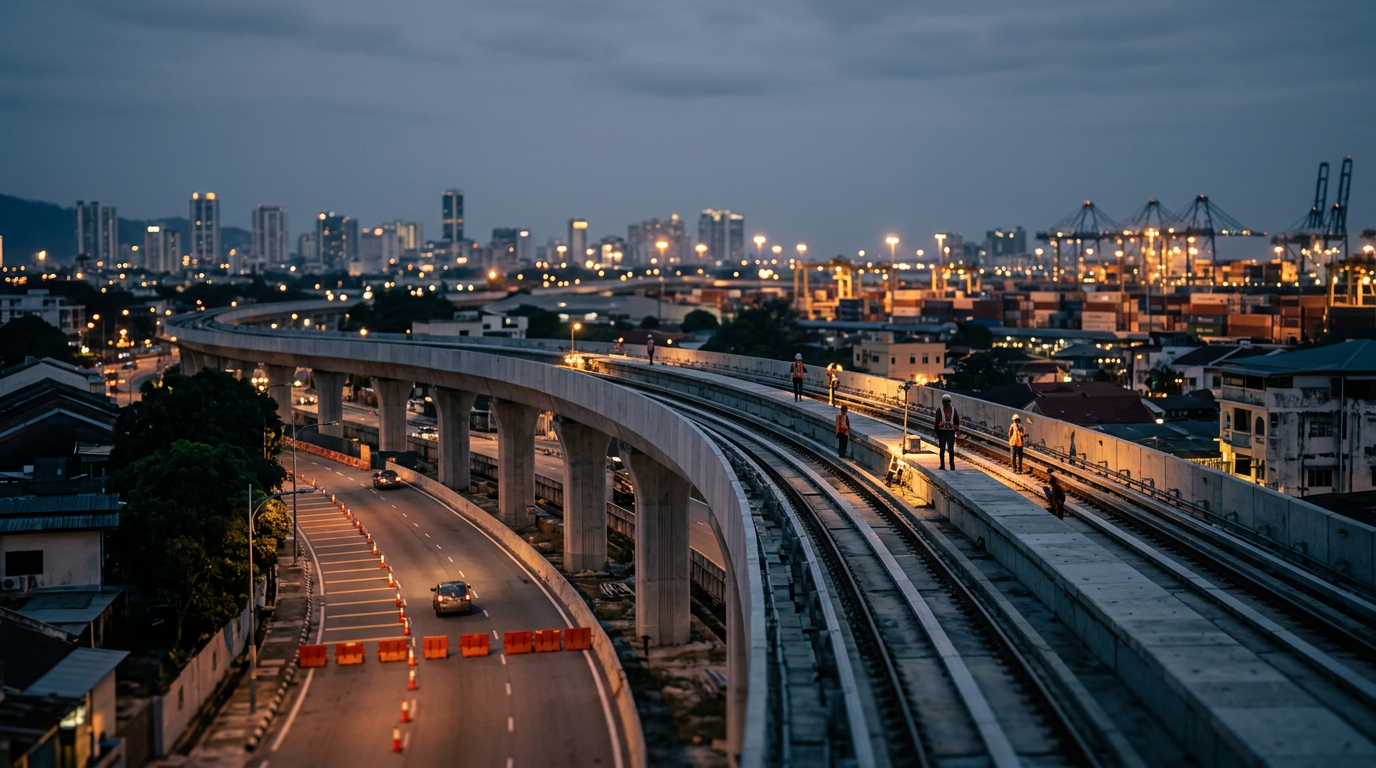
Large-scale infrastructure projects are a physical manifestation of a state's capacity. While the promise of a new road, port, or power grid can generate excitement, the actual delivery is what matters for long-term growth and investor confidence. As the book ASEAN Rising notes, a government that can deliver essential services and projects effectively is often more attractive to investors than one with grand but unrealized plans. The successful execution of a project like the Sabah Southern Madani Link sends a powerful message. It demonstrates an ability to manage complex logistical, financial, and engineering tasks, turning announcements into assets.
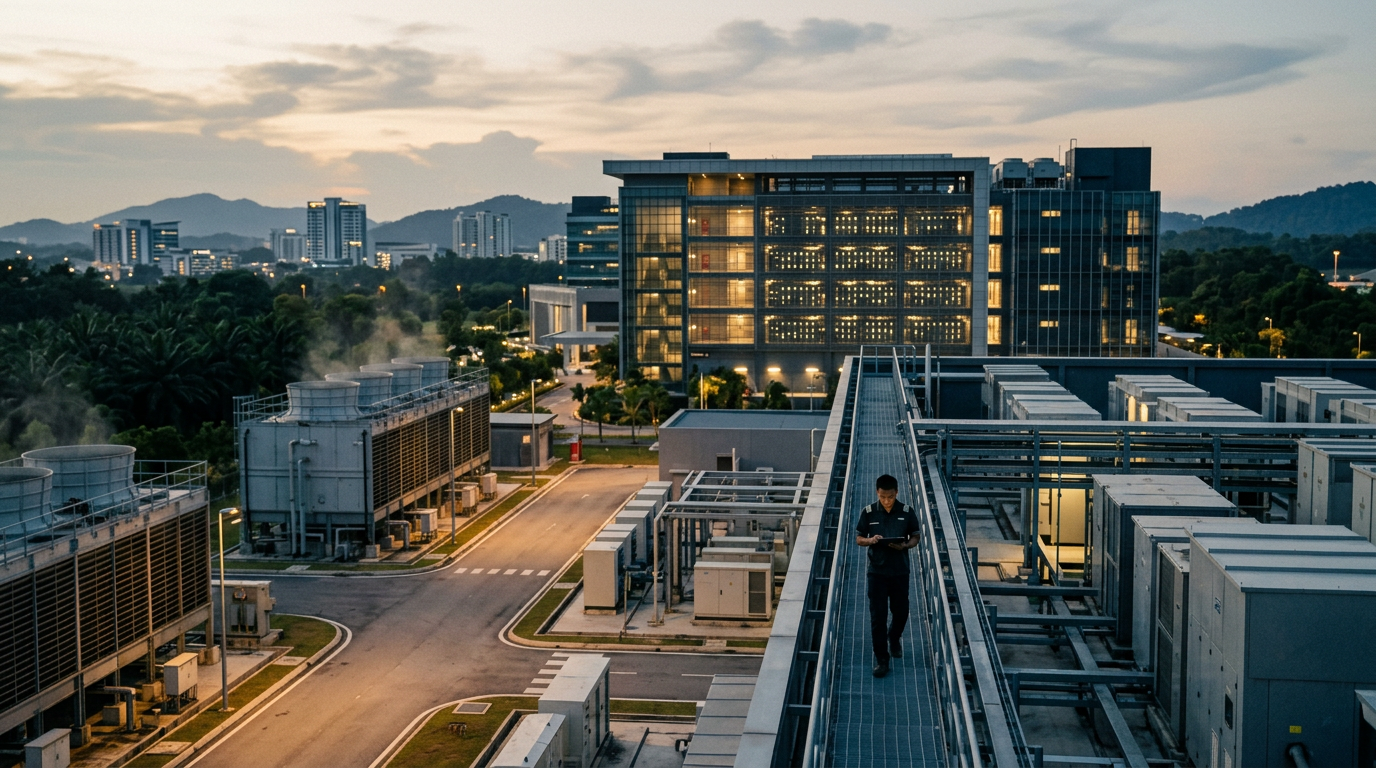
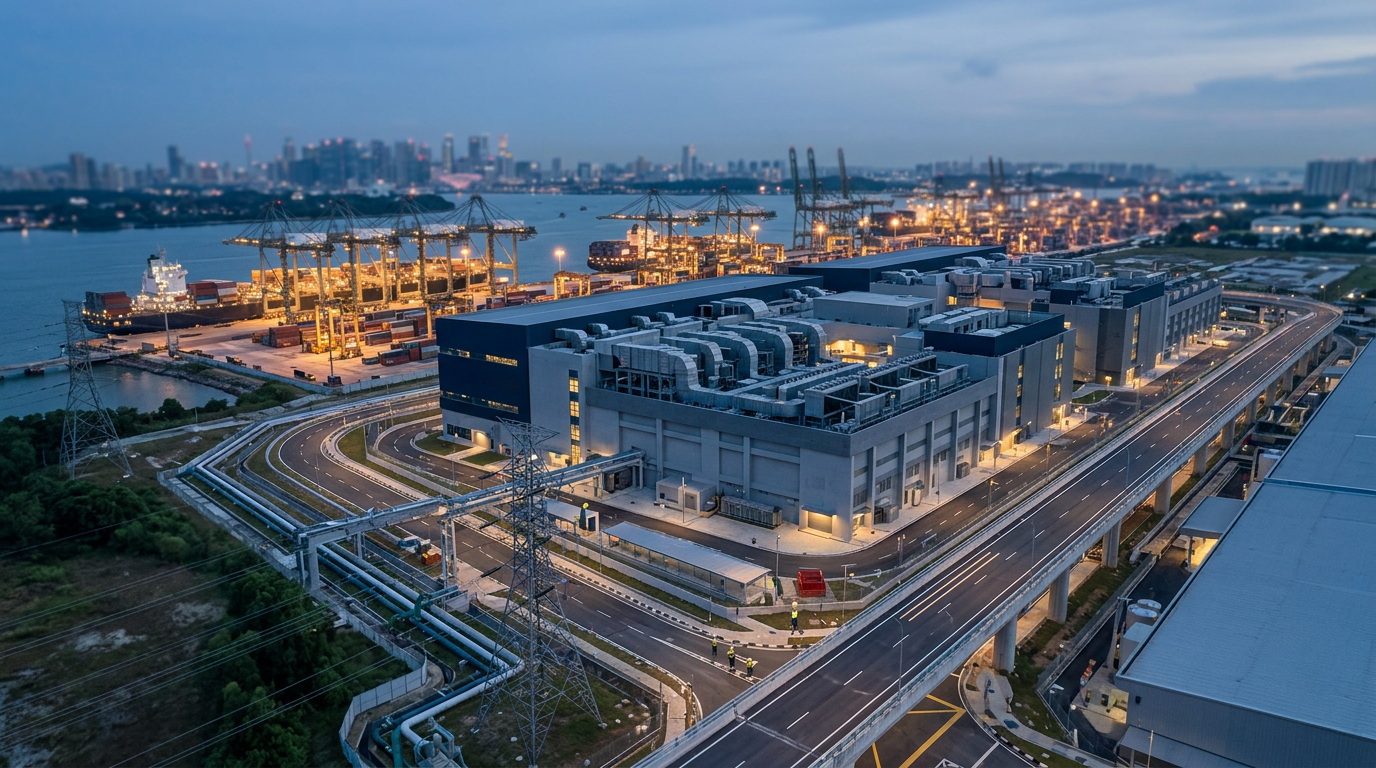
This is where institutional quality becomes a core component of economic competitiveness. For foreign firms looking to build factories or data centers, the assurance of a stable power supply is not a luxury; it is a prerequisite. Unreliable energy provision creates operational friction, increases costs, and introduces risks that can deter investment. Therefore, the steady, methodical work of upgrading a power grid becomes a form of comparative advantage. It signals a commitment to reducing this friction and creating a dependable environment for business. "Infrastructure that arrives on time signals more than infrastructure that is merely announced."
Capital, Talent, and Trust
The project also highlights the interplay between capital, talent, and trust. Attracting the necessary capital for such undertakings depends on investors trusting that the state can provide a stable regulatory and physical environment. Executing it requires a deep pool of domestic and international talent, from engineers to project managers and skilled technicians. Successfully completing the project, in turn, builds further trust among citizens and businesses alike.
This cycle is fundamental to the development narrative in Southeast Asia. When a government delivers on its infrastructure promises, it builds a track record of competence. This track record makes it easier and cheaper to secure capital for future projects. It also makes the country a more attractive destination for skilled professionals and retains domestic talent that might otherwise seek opportunities abroad. The integration with the Sarawak grid adds another layer, demonstrating an ability to execute complex, cross-jurisdictional projects that enhance national resilience and create a more unified economic space.
What to watch
The primary indicator to watch will be the project's adherence to its timeline and budget. Delays or significant cost overruns would undermine the signal of reliability it is meant to send. Observers should also monitor the tangible effects on Sabah's energy stability and whether the promised integration with the Sarawak grid proceeds smoothly, creating a test case for future grid modernization efforts elsewhere in the region.