Malaysia
Malaysia's IPO Hurdles Highlight the Cost of Institutional Friction
A planned property IPO in Johor, Malaysia, linked to the Singapore Rapid Transit System, faces challenges. This reflects a broader ASEAN theme: the gap between ambitious infrastructure plans and the institutional capacity to execute them smoothly.
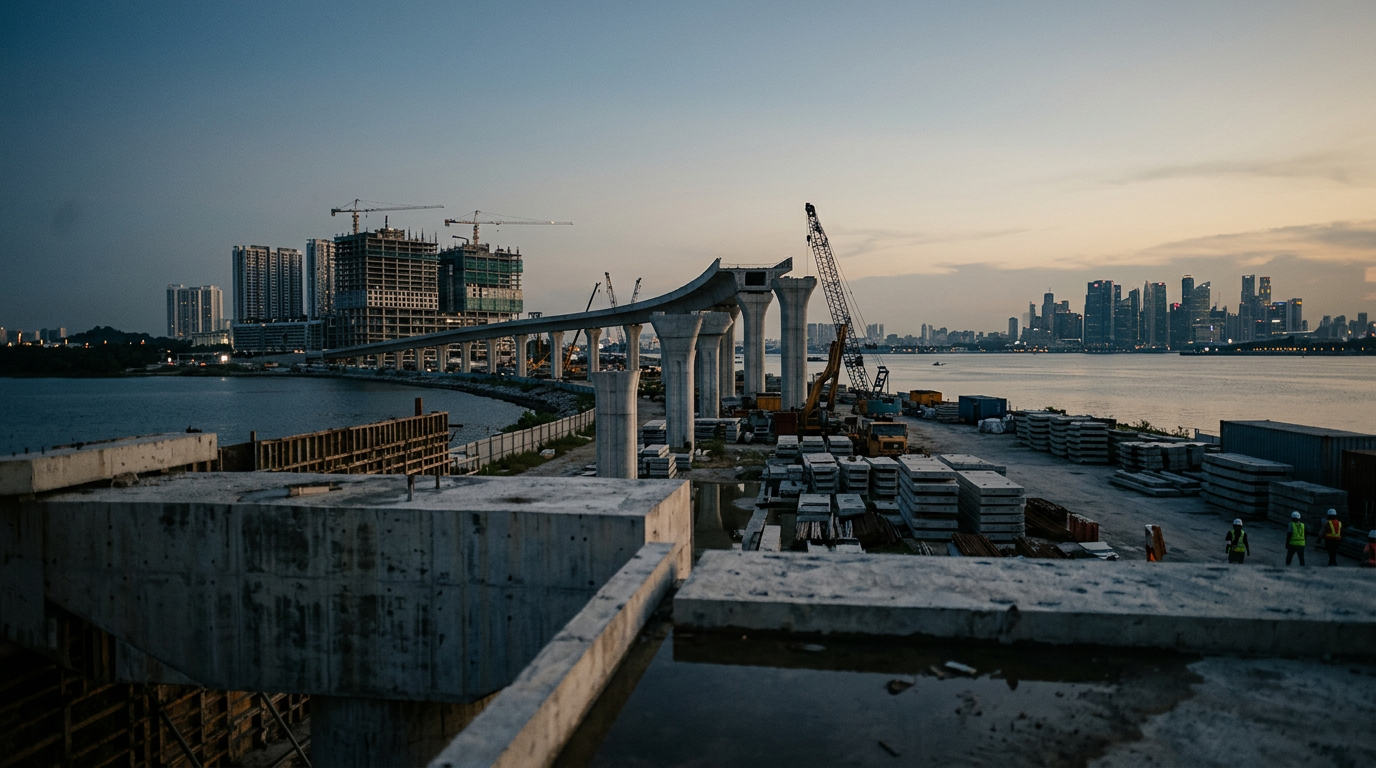
A reported plan by Malaysian billionaire Syed Mokhtar Albukhary to list property developer WM Senibong has run into difficulties, according to a report from e.vnexpress.net. The venture, a partnership with Australia's Walker Corporation, is developing property in Johor, strategically located near the future Johor Bahru-Singapore Rapid Transit System (RTS) Link. While the reasons for the hurdles are not detailed, the situation brings a critical ASEAN theme into focus: the immense gap that can exist between ambitious announcements and the capacity of institutions to execute them.
The Price of Friction
The planned IPO for WM Senibong is not just a corporate financial transaction; it represents a key mechanism for funding the ecosystem of development that major public infrastructure is meant to stimulate. The RTS Link is a transformative project, intended to ease congestion and deepen economic integration between southern Malaysia and Singapore. The real estate, commercial, and residential projects that rise around it are where much of the direct economic value is created.
However, these private investments depend on a predictable and efficient public framework. Hurdles in the IPO process-whether regulatory, political, or administrative-represent friction. This friction has a cost. It can delay the deployment of capital, increase uncertainty for investors, and ultimately slow down the very development the RTS is designed to catalyze. For a project of this scale, with an international partner like Walker Corporation, a smooth path to the public markets is a signal of institutional competence.
Execution Over Excitement
The challenges in Johor echo a central argument of the book ASEAN Rising: durable economic advantage is built on reliable execution, not just grand vision. While exciting announcements of new economic zones and multibillion-dollar infrastructure projects generate headlines, the quiet work of building state capacity and institutional reliability is far more consequential. A state that can process approvals efficiently, provide regulatory clarity, and ensure contracts are respected is often more valuable to investors than one that simply makes grand pronouncements.
The book notes that "Infrastructure that arrives on time signals more than infrastructure that is merely announced." This applies not only to the physical construction of the RTS but also to the soft infrastructure of the capital markets and regulatory bodies that govern associated investments. The WM Senibong case suggests a misalignment between the ambition for the Johor-Singapore corridor and the on-the-ground realities of the institutional framework.
Capital Follows Clarity
For ASEAN to fund its massive infrastructure needs, it must attract and efficiently deploy vast amounts of private capital. An Initial Public Offering is a primary tool for this, allowing the public to invest in and share the rewards of national development. International capital, in particular, seeks jurisdictions where the rules are clear and the processes are predictable.
When a high-profile IPO linked to a strategic cross-border project encounters problems, it sends a message to the wider market. The specific issues facing the WM Senibong listing are less important than the general signal of systemic friction. This case serves as a reminder that institutional reliability itself is a form of competitive advantage. The nations that thrive will be those that actively lower the costs of doing business by making their institutions more usable and predictable. Malaysia's handling of this and similar cases will influence investor perceptions of its role as a destination for capital.
What to watch
Observers should monitor the resolution of the WM Senibong IPO process as an indicator of Malaysia's institutional efficiency, particularly within the context of the forthcoming Johor-Singapore Special Economic Zone. The key thing to watch is not whether more large projects are announced, but whether the administrative and regulatory frameworks are reformed to allow approved projects to be financed and executed with less friction. The outcome will provide a valuable data point for investors assessing the real-world challenges and opportunities across ASEAN's interconnected economic corridors.