Malaysia
's FDI Ambitions Test Its Institutional Capacity
Malaysia's FDI successes are clear, but a resilient economy depends on the slower work of improving land, permits, power, and talent.
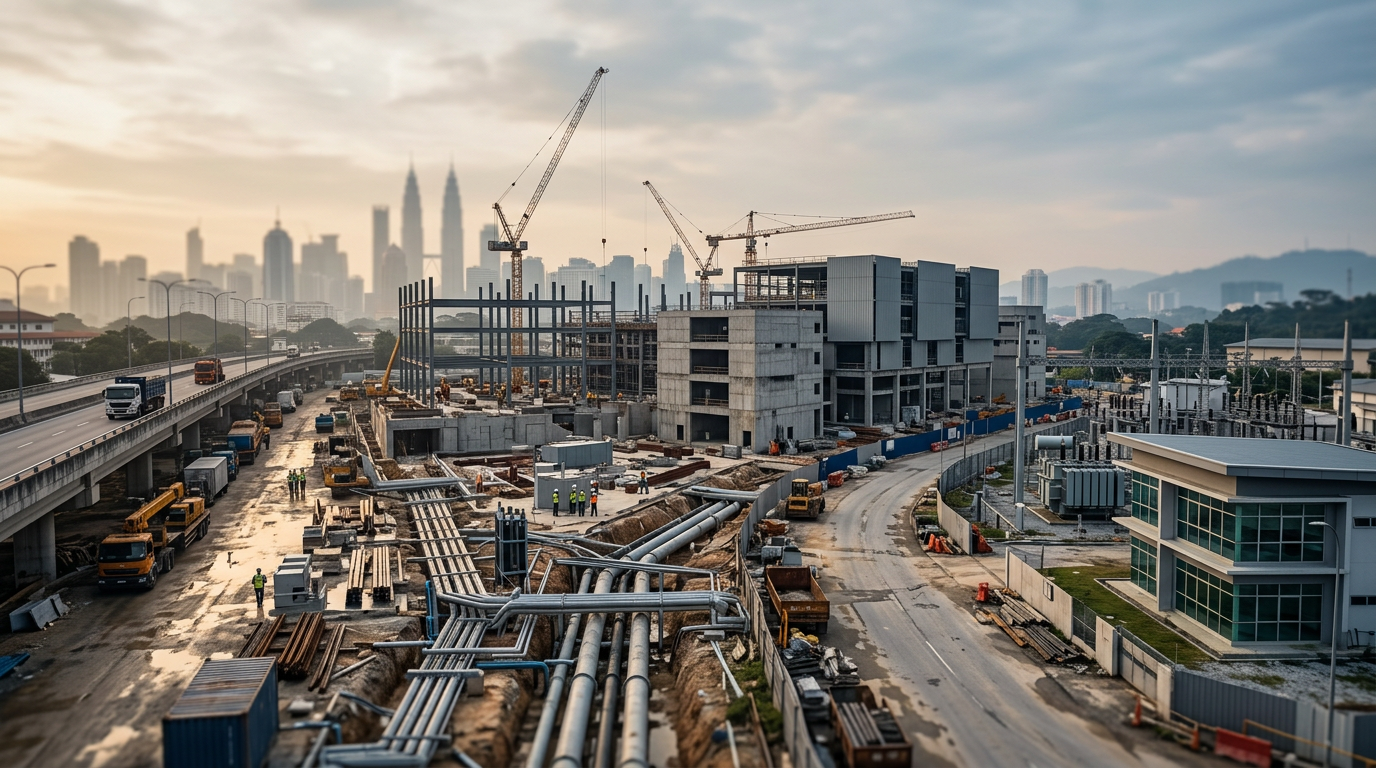
S&P Global Ratings recently affirmed Malaysia's resilient economic outlook, attributing it to strong manufacturing, sustained infrastructure investment, and a growing data centre sector, as reported by Malay Mail. The repeated announcements of multi-billion dollar investments in data centres and semiconductor fabrication are a vote of confidence in the country's direction. Yet, this positive momentum brings its own set of challenges, testing the country's institutional ability to translate announced foreign direct investment (FDI) into operational reality.
From Announcement to Execution
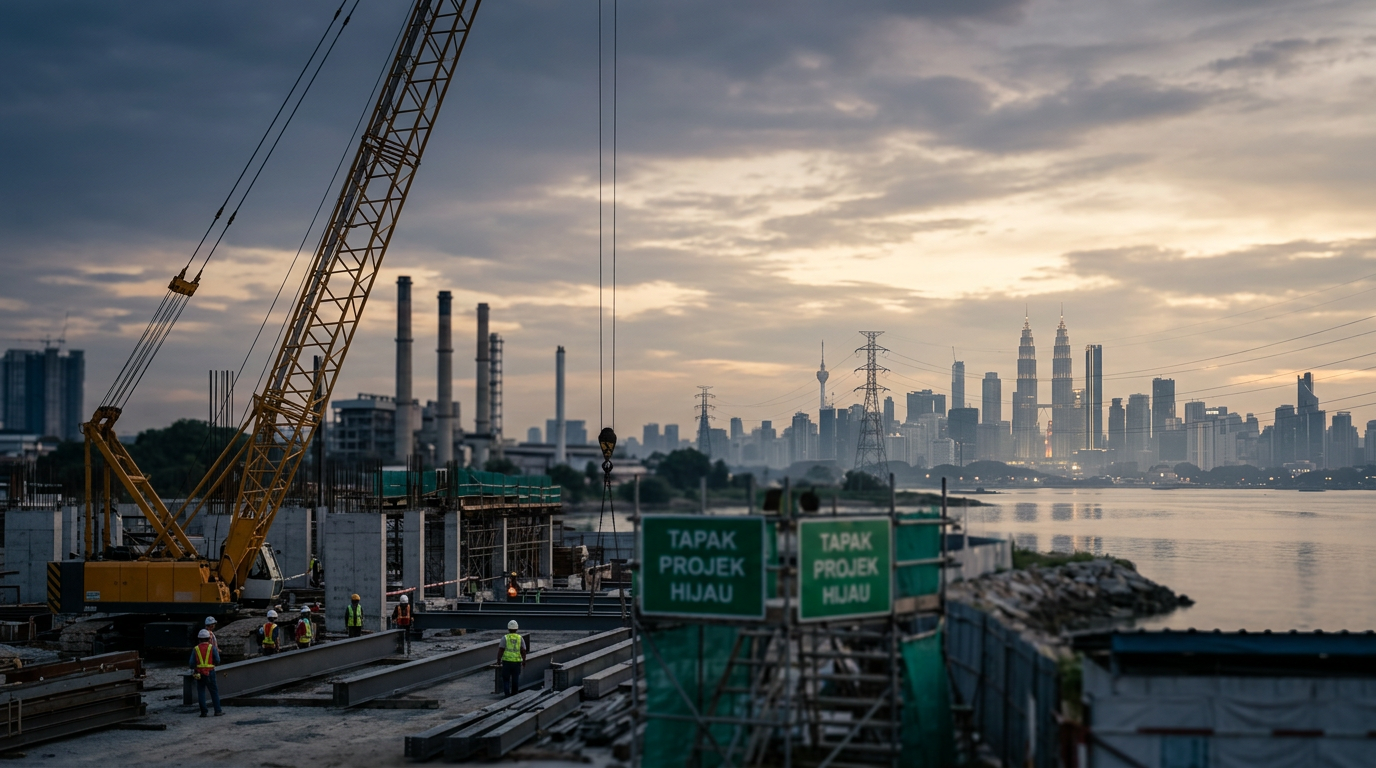
The gap between FDI pledges and their implementation is a recurring theme across Southeast Asia. As the book "ASEAN Rising" notes, for any economy, "scale matters only when institutions can turn it into investable depth." Malaysia has proven adept at attracting high-value investments. Global technology giants have been drawn by a combination of strategic location, a relatively skilled workforce, and government incentives. However, the true test lies not in the press releases but in the execution on the ground. The complex, often slow-moving processes of securing land titles, obtaining construction permits, and ensuring reliable power and water supply are where ambition meets administrative reality. These foundational elements must keep pace with the speed of global capital.
Infrastructure and Talent Bottlenecks
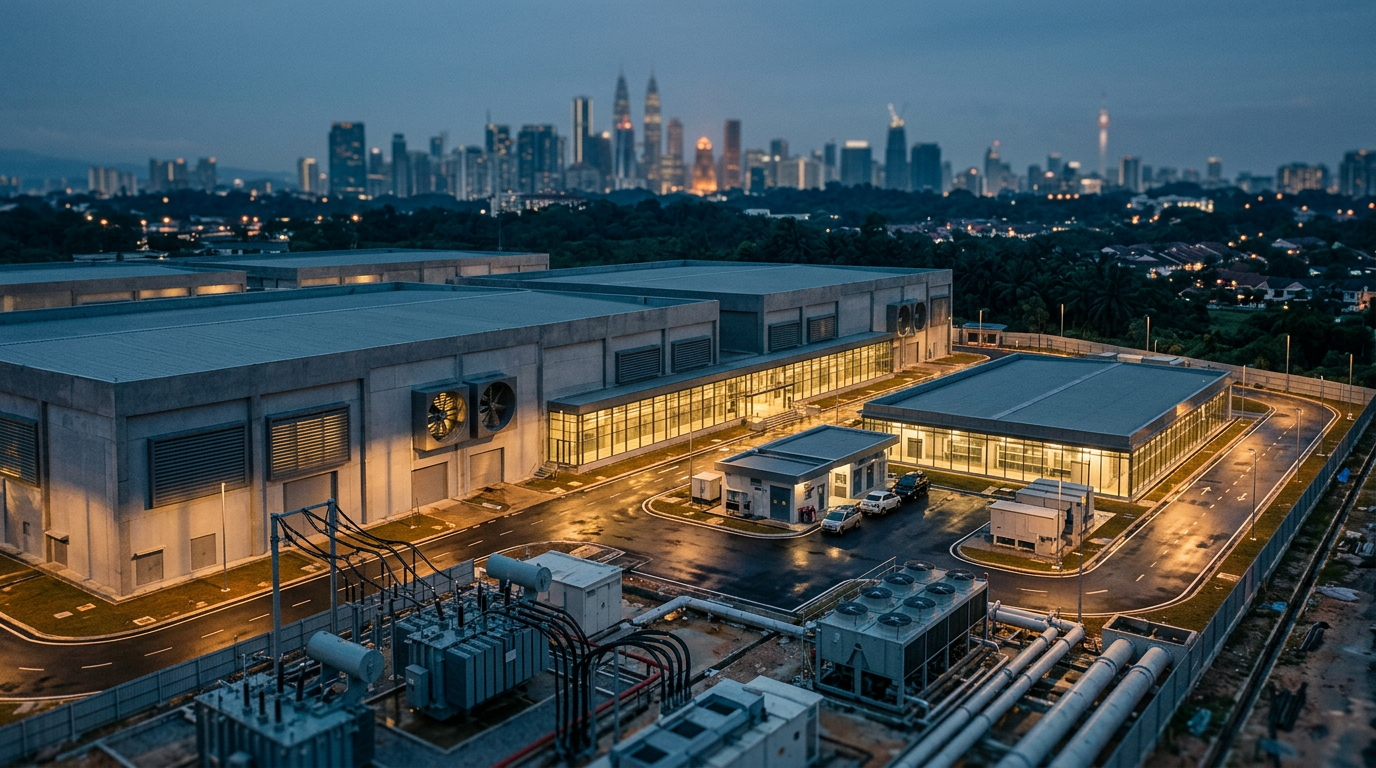
The rapid expansion of energy-intensive sectors like data centres and advanced manufacturing places immense strain on Malaysia's infrastructure. While the government has committed to significant infrastructure spending, the immediate demand for high-availability electricity and water in industrial parks like those in Johor and Penang is already pushing the limits of existing grids. A new data centre, for example, can require as much power as a small town. Beyond physical infrastructure, the availability of specialized talent is another constraint. The demand for engineers, data scientists, and technicians risks outstripping local supply, potentially driving up costs and delaying project timelines. Addressing this requires a long-term strategy focused on education, vocational training, and skilled immigration.
What to watch
Malaysia's progress will be measured not by the size of FDI announcements, but by the speed and efficiency of project approvals and utility connections. Observers should monitor the government's ability to streamline bureaucratic processes and the energy sector's capacity to deliver new power generation projects on schedule. Success will depend on whether Malaysia's institutions can match the pace set by its investment ambitions.