Malaysia
Malaysia and Hong Kong Renew Investment MOU. What Follows?
The Malaysian Investment Development Authority and Invest Hong Kong renewed a memorandum of understanding to promote two-way investment. Yet FDI announcements travel quickly. The real work is turning them into realized flows.
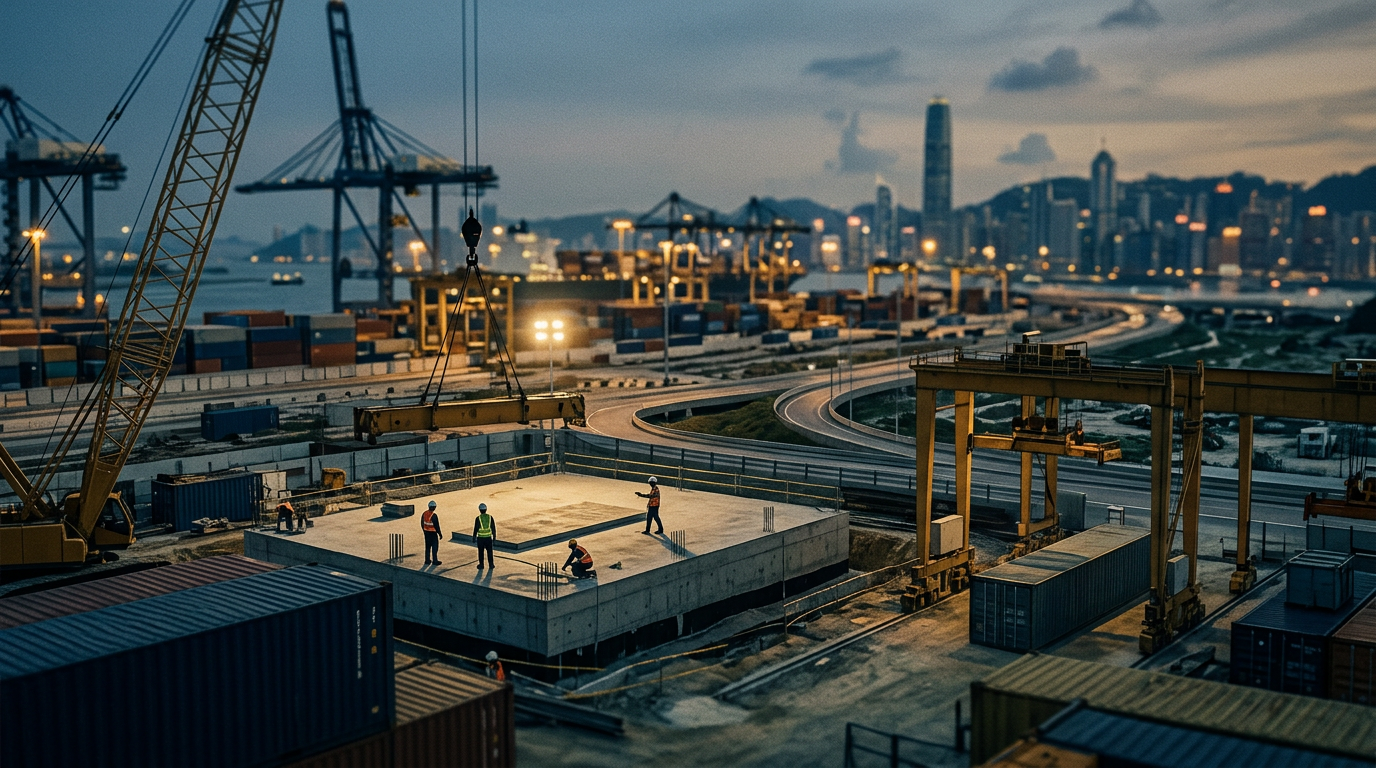
The Malaysian Investment Development Authority (MIDA) and Invest Hong Kong have renewed a memorandum of understanding to promote two-way investment flows, Bernama.com reports. The agreement highlights the continuing efforts of national investment promotion agencies to attract and channel capital. While such agreements are positive signals, they are only the first step. As ASEAN Rising notes, the real work lies in converting these announcements into tangible, on-the-ground investment through execution.
Institutions and Execution
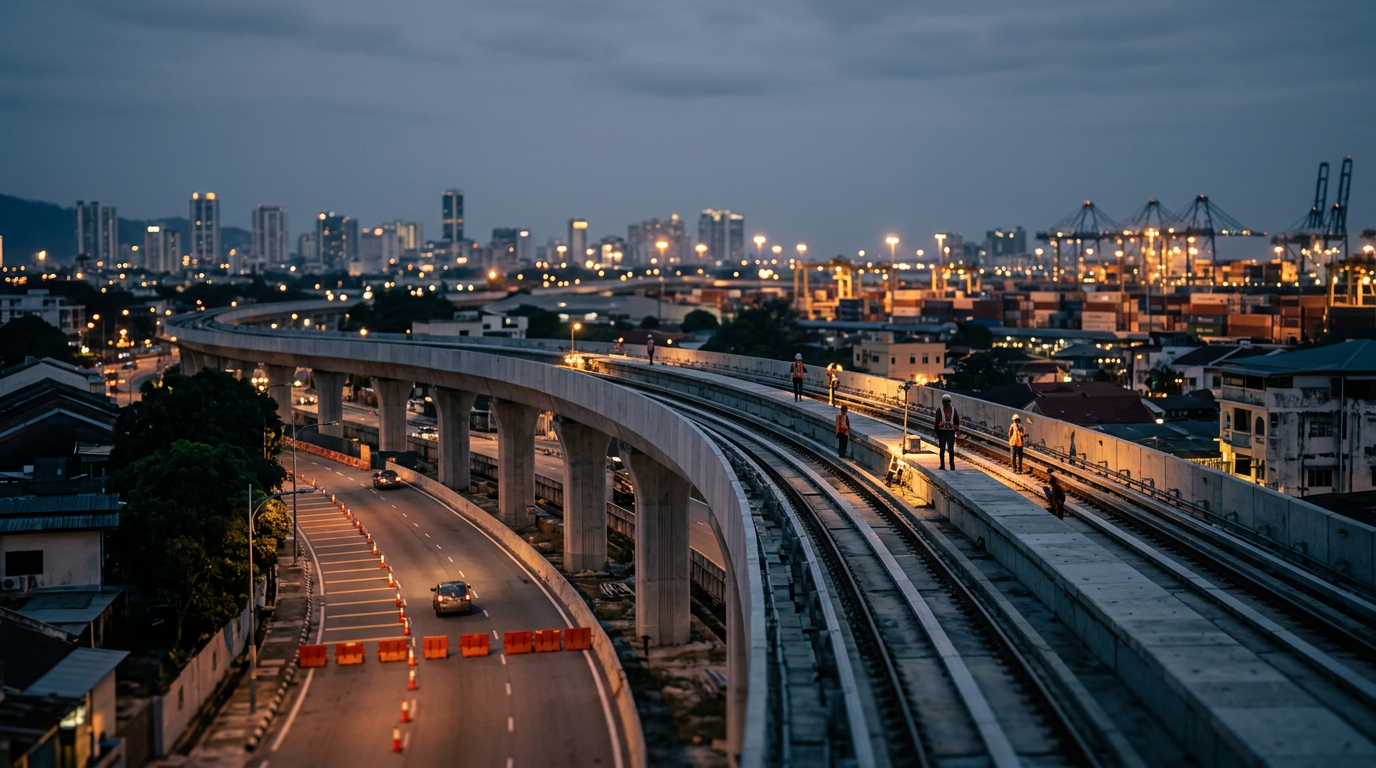
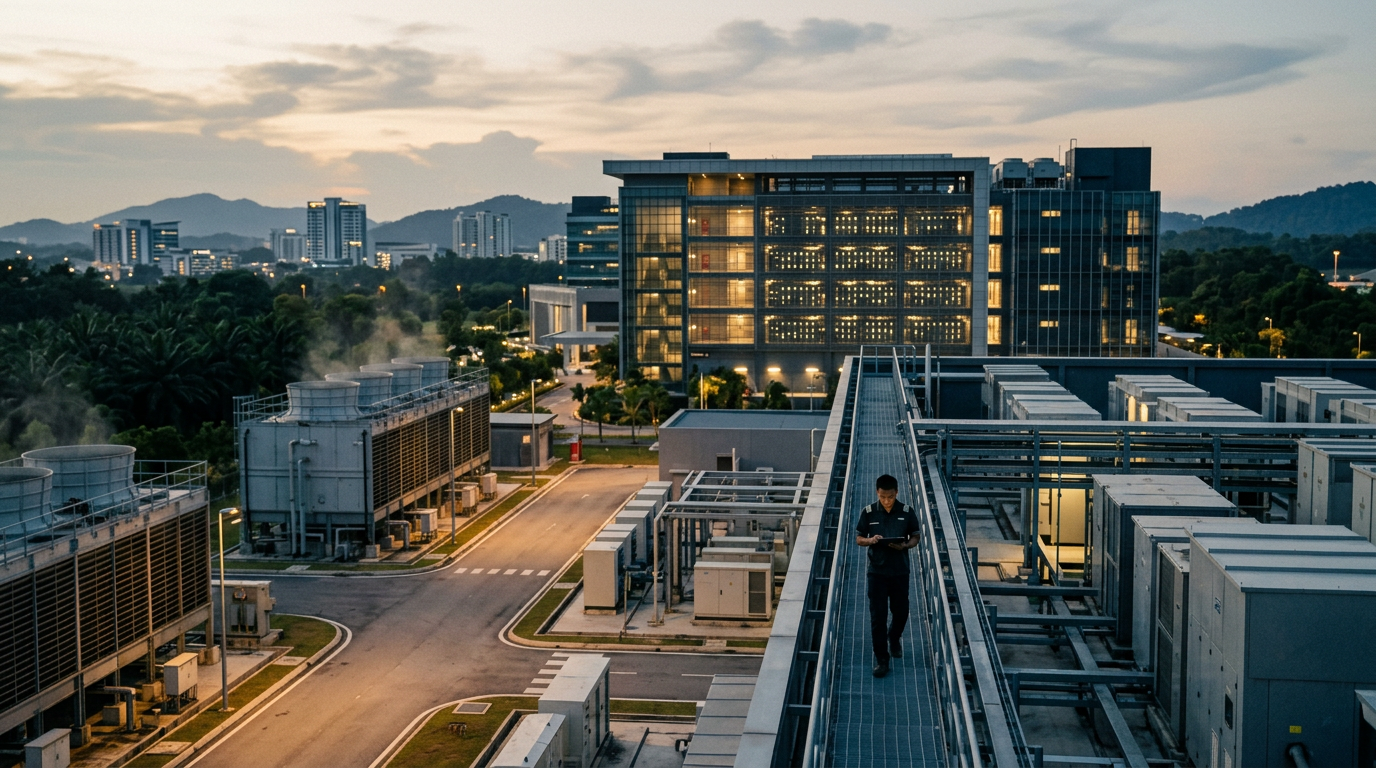
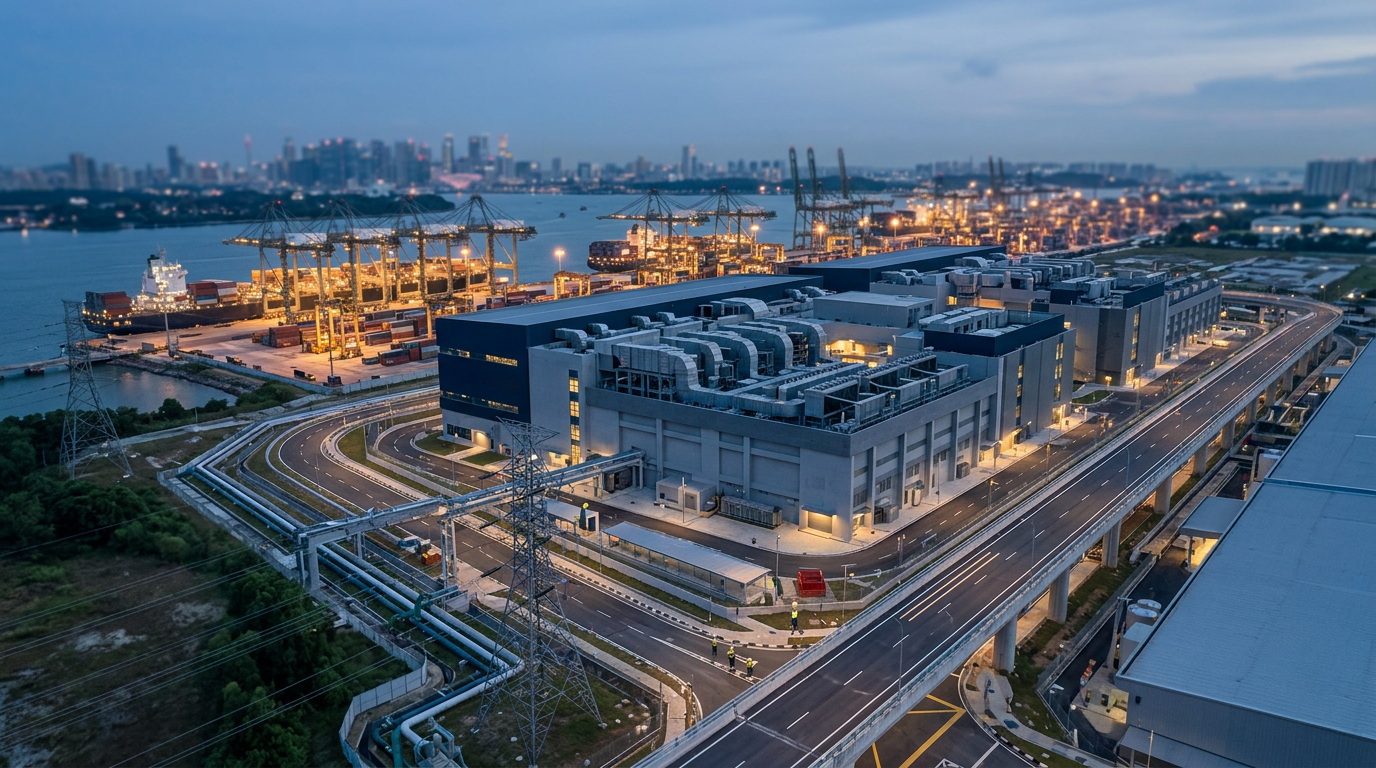
A memorandum of understanding is a statement of intent. The more difficult part is the follow-through, which tests the capacity of a country's institutions. For Malaysia, this means MIDA and its partner agencies must not only promote opportunities but also streamline the process for investors. The journey from an investment announcement to a functioning factory or a data center is long. Investors must navigate a complex path of acquiring land, securing permits, ensuring reliable power supply, and finding skilled labor. This is where the effectiveness of an investment authority is truly measured. It is not just about marketing, but about creating a seamless and predictable environment for capital deployment. This is the institutional capacity that turns expressions of interest into realized foreign direct investment.
Capital and Talent
Attracting capital from a global financial hub like Hong Kong is a significant validation for Malaysia. Investors in Hong Kong are sophisticated and have a wide array of options across the region and the world. When they choose Malaysia, they are making a calculated decision based on its perceived stability, growth prospects, and the capabilities of its workforce. However, the initial investment is just the beginning. The long-term success of these ventures depends on the availability of a skilled talent pool. Malaysia's ability to provide engineers, technicians, and managers is as important as the physical infrastructure. The flow of capital must be matched by a flow of talent, or at least the ability to develop it locally. This synergy between capital and talent is what creates sustainable economic value, moving beyond mere asset construction to building productive enterprises that can compete globally.
From Announcement to Reality
High-level agreements are an established part of international economic diplomacy. They signal to the market that a country is open for business and is actively seeking foreign partners. However, investors, especially those with long-term horizons, look beyond the headlines. They assess the underlying conditions and the country's ability to deliver on its promises. As "ASEAN Rising" puts it, "FDI announcements travel quickly. Realised flows depend on the slower work of land, permits, power and talent reaching the ground." The renewal of the MOU between MIDA and Invest Hong Kong is a positive development, but its ultimate success will be determined by the less visible, slower work of public administration and private sector execution in Malaysia. This is the difference between attracting attention and attracting serious, committed capital.
What to watch: Observers should monitor the realised FDI data from Bank Negara Malaysia and MIDA in the coming quarters. Look for specific project announcements that move beyond the MOU stage, particularly in high-value sectors like technology, advanced manufacturing, and renewable energy. The real measure of success will not be the number of agreements signed, but the value of new projects breaking ground and the number of new jobs created. The focus should be on the conversion rate from investment approvals to realized investments as a key indicator of institutional effectiveness.