Malaysia
Malaysia's FDI Ambition is About More than Announcements
FDI announcements travel quickly. Realised flows depend on the slower work of land, permits, power and talent reaching the ground.
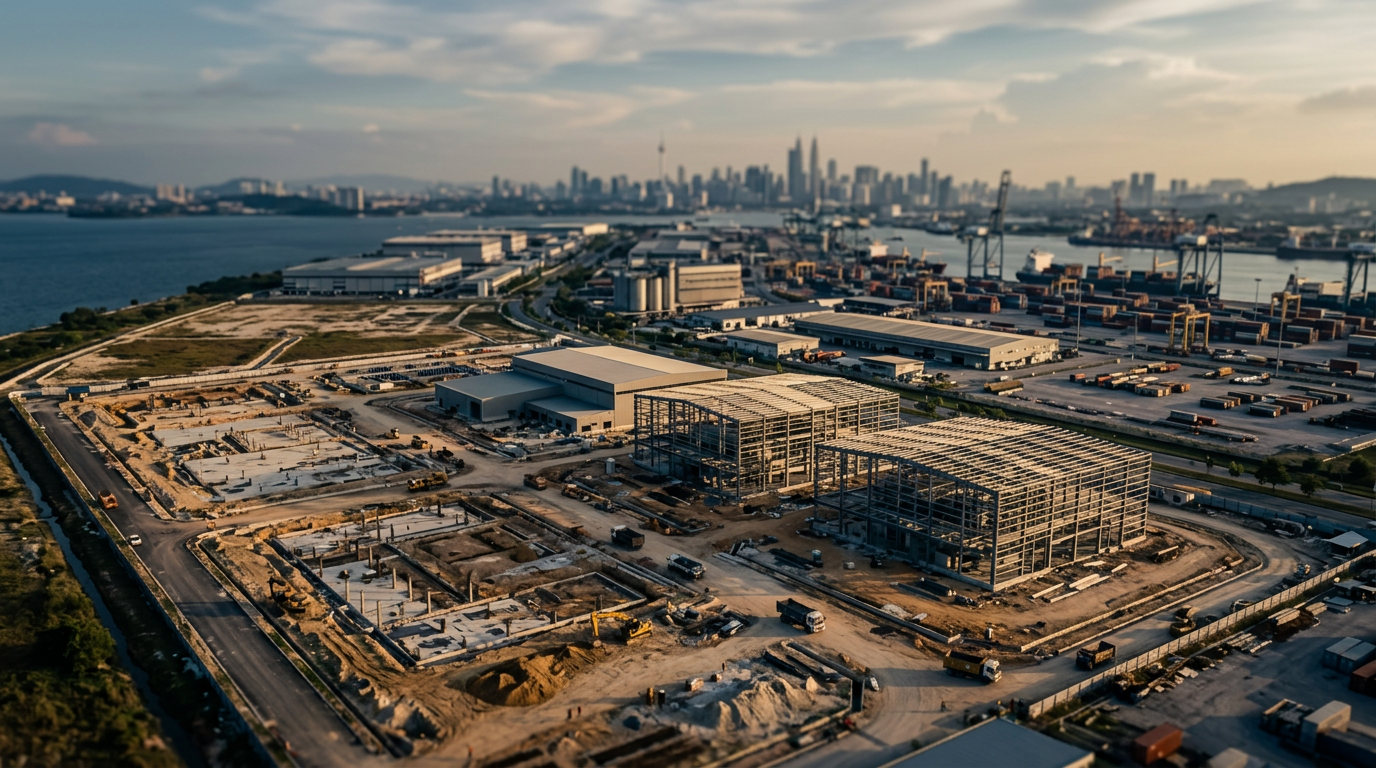
Global food giant Mondelez International has opened a new MYR 90 million production line at its existing Cadbury plant in Shah Alam, according to a report in The Star. The investment is a classic "brownfield" expansion: a foreign multinational doubling down on a decades-long commitment to a host country. It shows how announced foreign direct investment (FDI) can translate into real, productive assets on the ground. For Malaysia, the challenge is to ensure that this example becomes the norm, not the exception.
From Announcement to Operation
Malaysia has secured impressive FDI pledges in recent years, particularly in high-technology sectors like data centers and advanced manufacturing. These announcements are a vote of confidence in the country's economic trajectory. However, as the book ASEAN Rising notes, the journey from a press release to a fully operational facility is long and complex. The Mondelez expansion in a well-established industrial park is a straightforward case. For new, "greenfield" investors on undeveloped sites, the process is far more demanding. Turning large-scale promises into productive capacity requires a supportive ecosystem.
Successfully converting investment pledges into realised FDI depends on the unglamorous, detailed work of governance. As one chapter of the book observes, "realised flows depend on the slower work of land, permits, power and talent reaching the ground." Without efficient land acquisition, streamlined permitting processes, reliable power grids, and a skilled workforce, ambitious announcements risk remaining just that-announcements.
The Six Frames of Execution
To understand the gap between announced and realised FDI, it is useful to apply a consistent analytical frame. The Mondelez investment scores well on several fronts. The institution of a long-term joint venture provides a stable base. The capital is deployed by a global firm with a clear view of its production needs. The physical infrastructure of the Shah Alam plant and its surrounding area is mature. The required talent to operate the new "Crumb Tower" can be drawn from an existing workforce and a deep local labour pool. The trust between the company and Malaysian authorities has been built over many years.
For newer, more technologically advanced investments, the picture is more complicated. A semiconductor plant or a data center requires a far greater degree of coordination. Land must not only be available but also environmentally certified. Power must be not just available but also green and uninterruptible. The talent needs are specific and highly technical. Building this ecosystem requires a concerted effort across multiple government agencies and private sector providers. It tests the ability of national and state-level institutions to execute on a shared strategy.
What to watch: Observers should look beyond the headline figures for FDI announcements. The more telling metric is the conversion rate of these pledges into completed projects. Pay attention to progress reports on land acquisition, energy infrastructure rollouts, and talent development programs. These details will determine whether Malaysia can build on the foundation of investor confidence to create a new generation of productive assets.