Malaysia
Malaysia: From Investment Pledges to Realised Projects
Malaysia has secured a substantial increase in approved investments, but the true test lies in converting these announcements into tangible projects through institutional execution.
Malaysia announced a strong performance in attracting investment for the first half of 2026, securing RM218.5 billion in approved investments, an 11.7% increase year-on-year. According to a report from The Star, this growth signals continued confidence from both foreign and domestic investors in the country's economic trajectory.
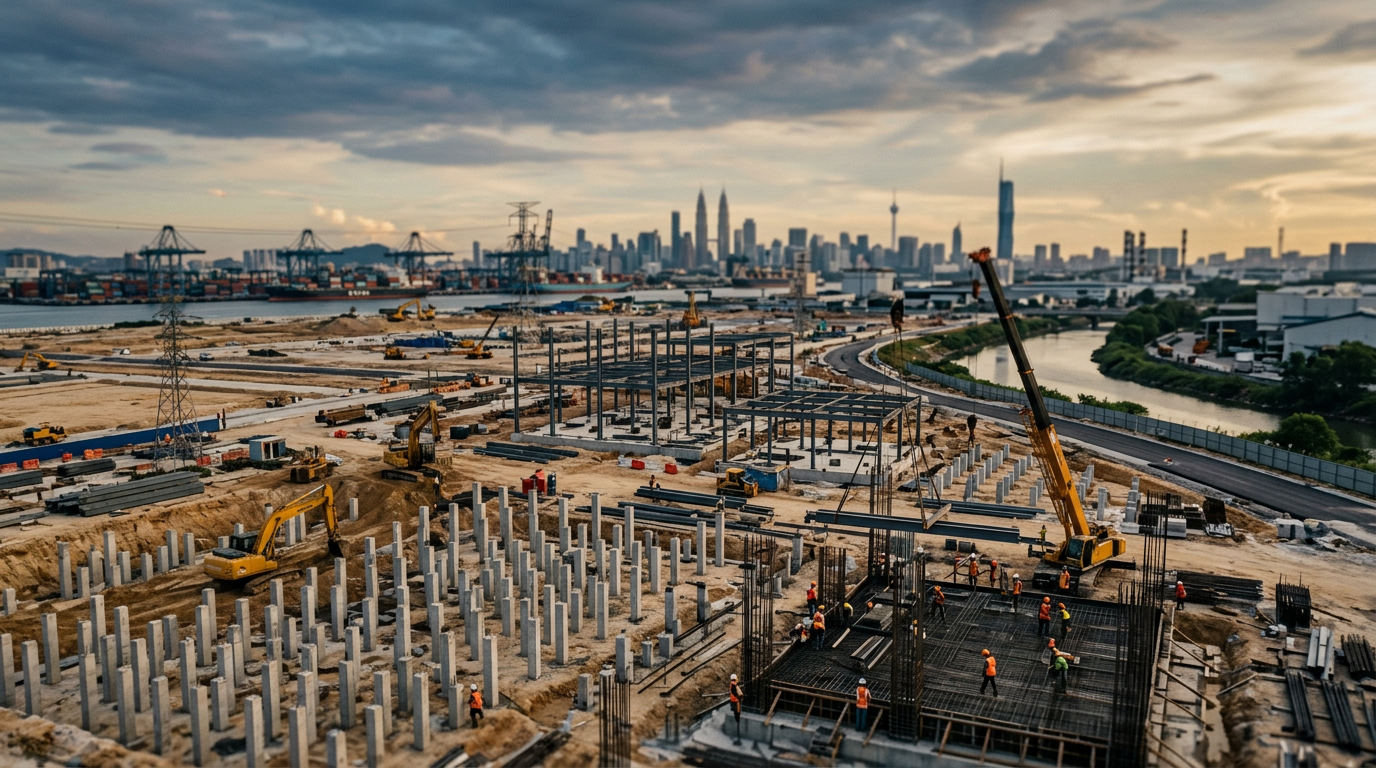
However, the headline figures for approved investments, while positive, represent only the first step in a longer process. The primary task for Malaysia now is to ensure these approved plans translate into realised projects that contribute to economic growth and job creation. The journey from announcement to operation is where institutional capacity is tested.
The Execution Challenge
Attracting investment pledges is a different skill from absorbing and executing them. As detailed in the book ASEAN Rising, the transition from announced FDI to realised flows is a common challenge across the region. While investment promotion agencies can successfully generate interest and secure approvals, the subsequent stages depend on a different set of factors. The book notes that "realised flows depend on the slower work of land, permits, power and talent reaching the ground."
This highlights the critical importance of coordination between federal investment agencies and local authorities. For a factory to be built or a data center to come online, businesses must navigate a complex landscape of regulations. This includes securing land titles, obtaining construction permits, guaranteeing reliable power and water supplies, and ensuring road and port infrastructure can support the new enterprise. Delays or inefficiencies in any of these areas can stall a project indefinitely, leaving approved investment figures as mere statistics on a spreadsheet.
Strengthening the Foundations
To convert its pipeline of approved investments, Malaysia must focus on the core pillars of execution. This means streamlining bureaucratic processes and ensuring that state and municipal-level bodies have the resources and alignment to facilitate projects. The availability of skilled talent is another major determinant of success. Approved investments in high-value sectors like technology and advanced manufacturing require a workforce with specialized skills. This necessitates a close link between industrial policy, investment promotion, and the education system to ensure the talent pipeline matches investor needs.
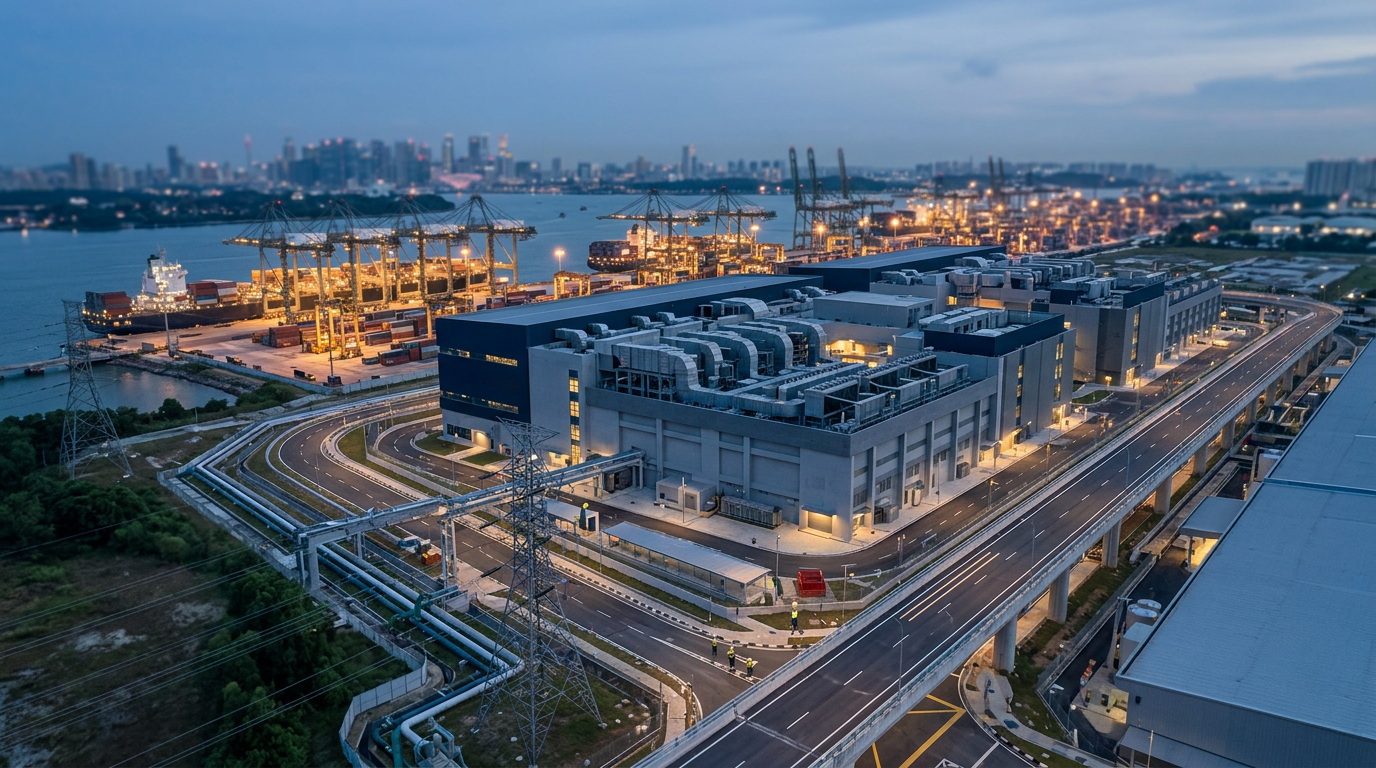
Furthermore, infrastructure readiness is paramount. While Malaysia boasts some of the best infrastructure in ASEAN, the specific needs of new industrial parks or technology hubs often require targeted upgrades. Ensuring that industrial land is equipped with high-speed internet, stable electricity, and efficient logistics connections is not just a technical requirement but a powerful signal to investors that the country is prepared to support their operations from day one. It is this on-the-ground reality that ultimately determines whether an investment pledge becomes a functioning asset.
What to watch
Observers should monitor the realised investment data from Bank Negara Malaysia and the Malaysian Investment Development Authority (MIDA) in the coming 12 to 24 months. A narrowing gap between the approved investment figures and the realised capital flows will be the most reliable indicator of Malaysia's institutional capacity. Attention should also be paid to progress on specific, large-scale announced projects and any policy initiatives aimed at cutting red tape for land, construction, and utility permits at the state level.