Malaysia
Malaysia
Trade depth with China is now a structural feature, not a cyclical one. The question for ASEAN governments is no longer whether to engage, but how to manage dependency without losing optionality.
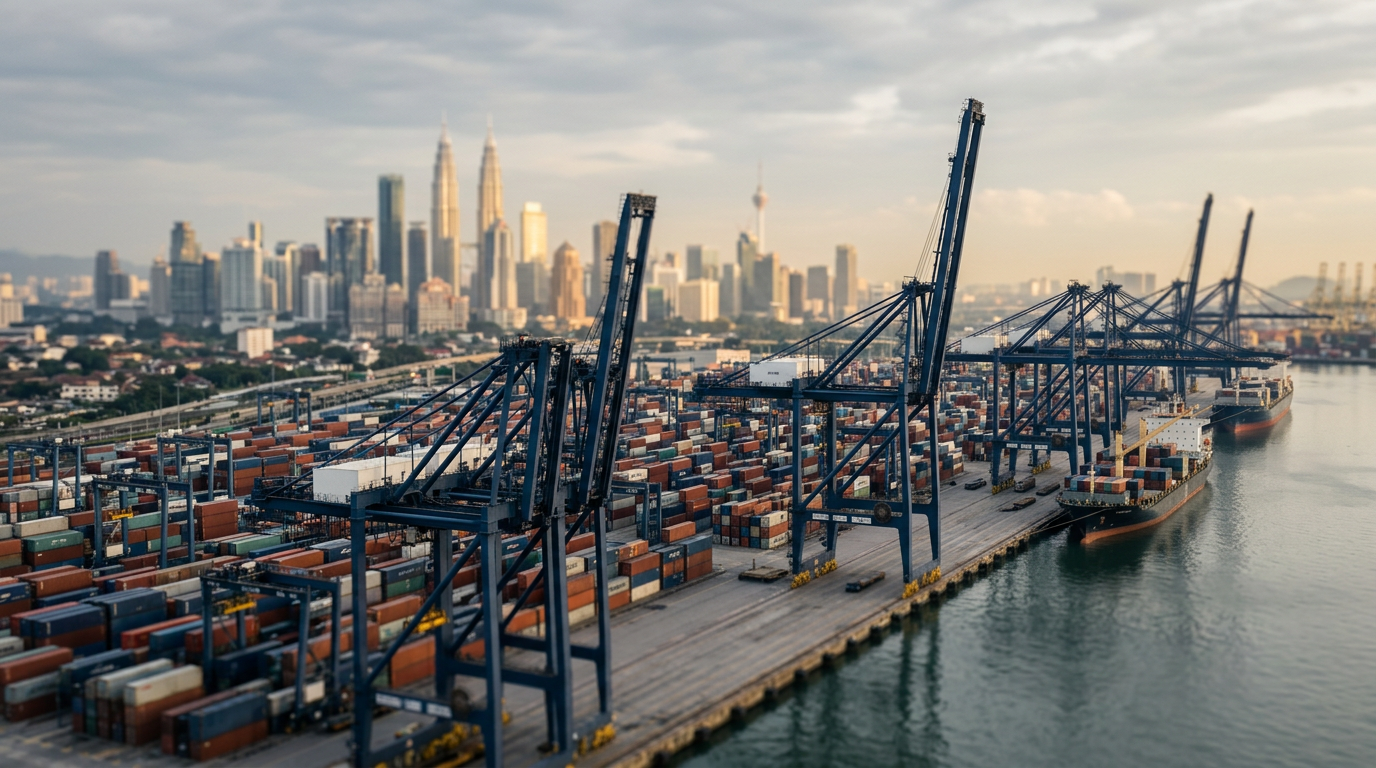
Malaysia's export growth is expected to show resilience in the latter half of 2026, largely due to strong external demand for its electrical and electronics (E&E) products. A report from The Star highlights the ongoing semiconductor super-cycle as a primary driver for this positive forecast. This sustained trade performance, particularly in high-technology sectors, places Malaysia at the center of a complex regional and global supply chain. While the immediate outlook appears robust, it also brings into focus the long-term structural dependencies that have come to define many ASEAN economies, particularly their trade relationship with China.
The E&E Engine and China's Role
The E&E sector is the bedrock of Malaysia's export economy, and its fortunes are closely tied to the manufacturing and assembly hubs of East Asia. A significant portion of these components and finished goods are destined for China, which serves as both a final market and a critical link in the global value chain. The demand for semiconductors is not just a cyclical boom but part of a deeper integration. As a result, Malaysian industrial infrastructure has become highly specialized and aligned with the needs of larger manufacturing centers. This specialization has been a source of great strength and economic growth, but it also concentrates risk. The reliance on a single industrial sector and its primary trade partners creates vulnerabilities that are often masked during periods of high growth.
Managing Dependency
The core issue for Malaysian policymakers is not whether to trade with China, but how to manage the economic architecture that this trade has produced. As the book "ASEAN Rising" notes, deep trade integration with China has become a permanent structural feature for the region. The focus has shifted toward building institutional capacity to handle this dependency. For Malaysia, this means investing in domestic talent and infrastructure to move up the value chain within the E&E sector. Rather than simply supplying components, the goal is to increase the share of intellectual property, design, and high-value manufacturing performed domestically. This requires a supportive policy framework that encourages capital investment in research and development and fosters a skilled workforce capable of innovation.
Trust and Supply Chain Security
Underpinning the global semiconductor trade is a foundation of trust. International partners must be confident in the security and reliability of their supply chains. Malaysia has cultivated a reputation as a stable and competent manufacturing hub, which is a significant asset. Maintaining this trust is essential for its continued success. As geopolitical tensions impact global trade, multinational firms are increasingly looking to diversify their supply chains. Malaysia is well-positioned to benefit from this trend, but it must continue to demonstrate a reliable and transparent operating environment. This involves not only physical infrastructure but also the legal and regulatory institutions that govern trade and investment, ensuring that partners see Malaysia as a secure node in their global networks.
What to watch
Going forward, observers should monitor how Malaysian institutions adapt to this period of sustained E&E demand. Look for policy initiatives aimed at diversifying the country's export base beyond the traditional semiconductor sector and efforts to cultivate new markets outside of its primary trade partners. The ability of the government and industry to execute on plans for developing local talent and upgrading industrial infrastructure will determine whether Malaysia can convert the current trade boom into a more resilient and balanced economic future.