Malaysia
's Electricity Price Spike Tests its Institutions
A recent spike in spot electricity prices in Malaysia puts the focus on the country's institutional capacity to deliver reliable and affordable power. While not immediately affecting households, it points to deeper questions about energy infrastructure and market regulation.
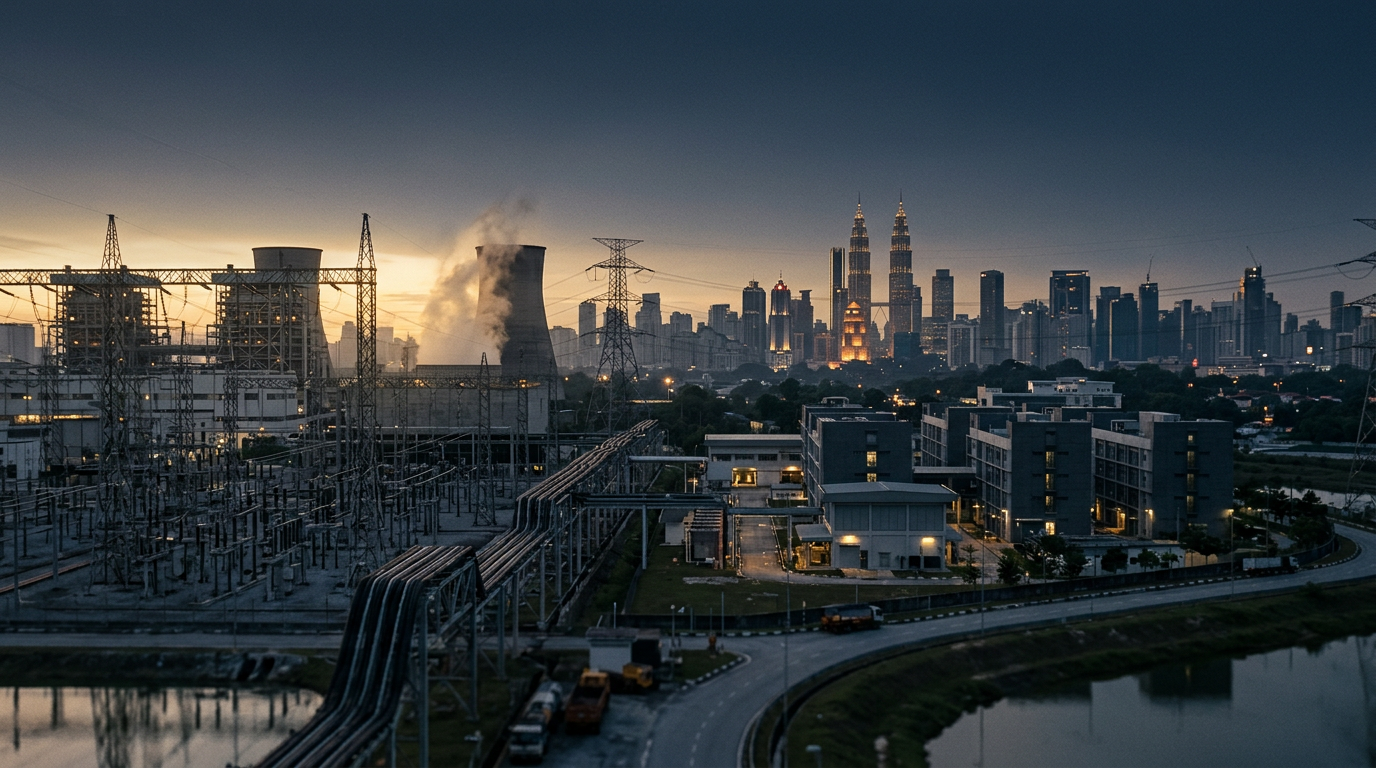
A recent report from the Straits Times noted that spot electricity prices in Malaysia have reached a high. While the intricacies of the Malaysia Electricity Imbalance Cost Pass-Through (ICPT) mechanism mean households are shielded from this immediate volatility, the event serves as a reminder of the constant pressure on national infrastructure and the institutions that manage it.
Infrastructure and State Capacity
The price spike reflects the delicate balance between fuel costs, power generation capacity, and real-time demand. For a growing economy like Malaysia, ensuring a stable and affordable electricity supply is foundational. The government's ability to manage these fluctuations, whether through direct market intervention or long-term infrastructure planning, is a measure of its state capacity. As noted in ASEAN Rising, effective state institutions are a form of competitive advantage. The capacity to deliver essential services reliably is a signal to investors and citizens alike. The current price event is less an immediate crisis and more a test of the systems designed to prevent one.
The Cost of Friction
Malaysia, like its neighbors, is navigating a complex energy transition. The goal is to increase the share of renewables in the energy mix while maintaining grid stability and economic competitiveness. This transition is not without friction. Integrating intermittent renewable sources, upgrading the grid, and reforming long-standing subsidy structures are all significant undertakings. The recent spot price volatility can be seen as a manifestation of this friction. As the book "ASEAN Rising" observes, "Infrastructure that arrives on time signals more than infrastructure that is merely announced." The timely execution of energy projects and regulatory reforms is necessary to reduce the economic costs associated with market uncertainty and supply constraints.
Capital and Trust
Attracting the private capital needed for Malaysia's energy infrastructure development depends on trust in the regulatory environment. Investors require confidence that the rules governing the power sector are clear, transparent, and consistently applied. The ICPT mechanism is one such institution, designed to provide a predictable framework for adjusting tariffs. The government's handling of this recent price event, and its broader energy policy decisions, will be watched closely by domestic and international capital providers. Maintaining a stable policy course builds the trust necessary for long-term investment in power generation and grid modernization, which are essential for Malaysia's continued economic development.
What to watch: Observers should monitor the Malaysian government's next set of policy announcements regarding the energy sector, particularly any adjustments to the ICPT framework or new initiatives for renewable energy capacity. The ability of regulatory bodies to manage price volatility while pursuing long-term transition goals will be a key indicator of institutional strength. The flow of private investment into the country's power sector will also signal the level of market confidence in the government's strategy.