Singapore
, Not Just One City
Can Singapore's model for institutional excellence be replicated or extended? The city-state's role as a platform for regional investment is well-established, but its next phase of growth may depend on deeper integration with its neighbours.
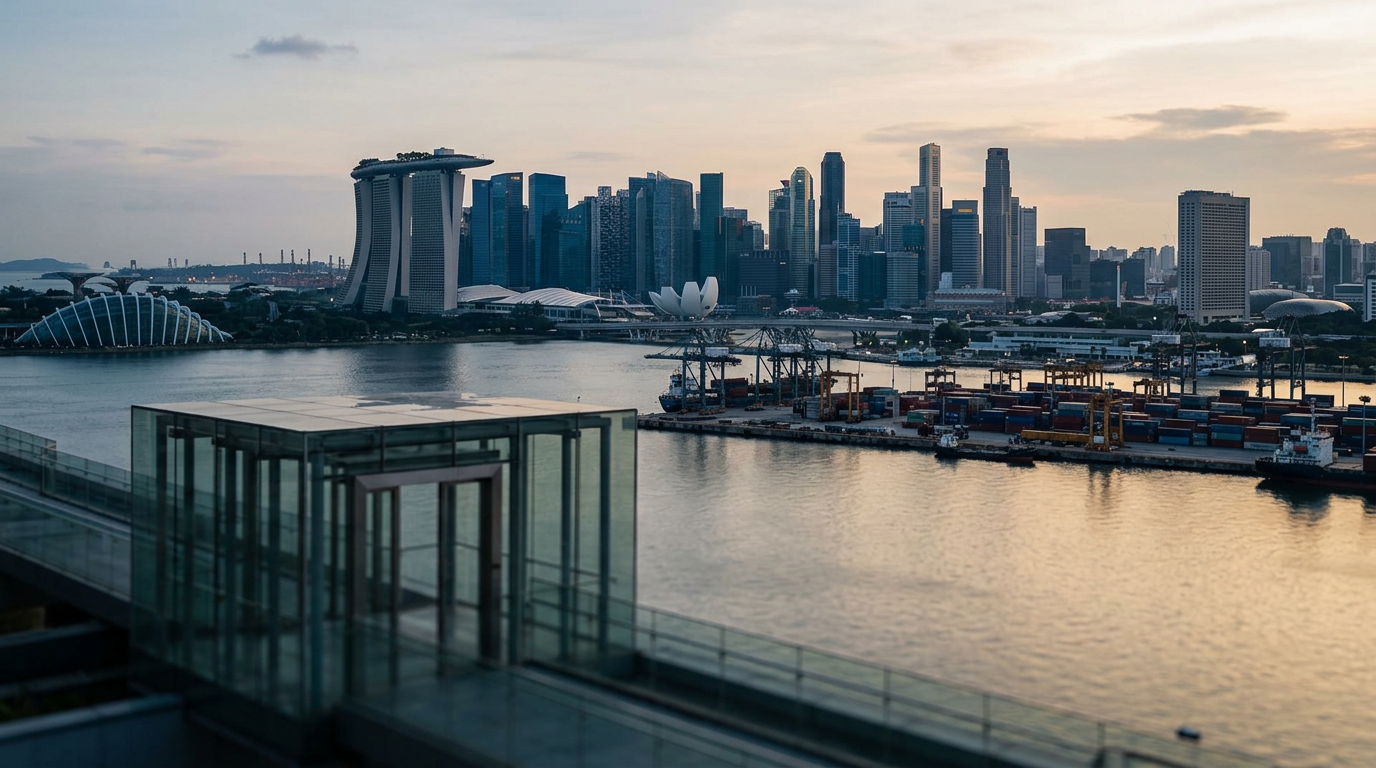
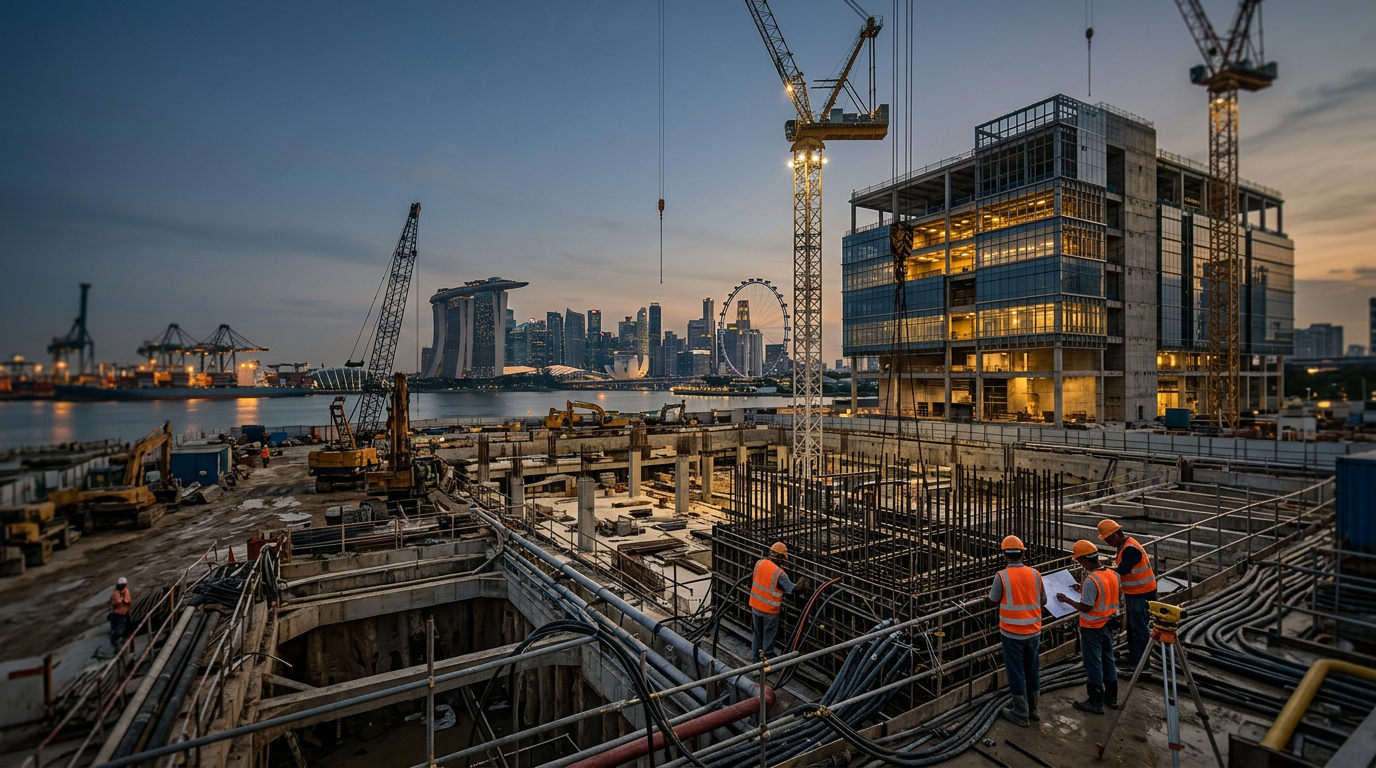
A joint venture led by Thai billionaire Charoen Sirivadhanabhakdi is set to develop a luxury mixed-use project along the Singapore River, as reported by e.vnexpress.net. The project highlights Singapore's continued attraction for high-value investment in property and infrastructure, a testament to its stable, well-regulated, and transparent market.
Institutions as Infrastructure
Singapore's success is built on a foundation of strong institutions. The clarity of its legal system, the predictability of its regulatory environment, and the efficiency of its bureaucracy reduce the friction that often slows down or deters cross-border investment. For developers and investors, this translates into lower risk and a clearer path from planning to execution. Projects like the new riverfront development benefit from this institutional infrastructure, which ensures that issues like land acquisition, permits, and connecting to utilities are handled with a high degree of professionalism and speed. This is a core reason why capital from across ASEAN, such as from Thailand in this case, continues to see Singapore as a prime destination.
A Platform for the Region
Singapore's role extends beyond its own borders; it acts as a hub for capital and talent for the entire ASEAN region. The city-state is a key node for financing and managing investments that flow into neighboring countries. As the book "ASEAN Rising" notes, for larger economies, "Scale matters only when institutions can turn it into investable depth." While Singapore itself does not have the scale of Indonesia or Vietnam, it provides the institutional framework that helps investors manage the complexities of deploying capital into those larger markets. The expertise in finance, law, and project management concentrated in Singapore facilitates a more efficient allocation of resources across Southeast Asia. This function is vital for the region's overall development, as it helps connect international capital with local opportunities.
The Johor-Singapore Connection
Looking ahead, the development of the Johor Bahru-Singapore Rapid Transit System (RTS) Link and the designation of the Johor-Singapore Special Economic Zone (SEZ) represent a significant extension of this model. This initiative aims to create a more seamless economic space between southern Malaysia and Singapore, leveraging Singapore's institutional strengths and Johor's land and labor resources. By improving connectivity and aligning regulations, the SEZ seeks to make the combined region more attractive for investment in manufacturing, logistics, and business services. It is an attempt to scale up the Singaporean model of efficiency and governance by integrating it more closely with a neighboring economy, potentially creating a new engine of growth for both countries.
What to watch is how effectively the institutional frameworks of the Johor-Singapore SEZ are implemented. The success of this zone will depend on the practical details of harmonizing customs procedures, labor regulations, and investment policies. If executed well, it could serve as a powerful example of how institutional cooperation can overcome physical borders and create new economic value. The speed at which an idea like the SEZ moves from announcement to realised investment will be a key indicator of its long-term impact.