Malaysia
's Data Centre Boom Tests Its Foundations
Malaysia is attracting record FDI in data centres. Execution on land, power, and talent will determine if this translates into sustained growth.
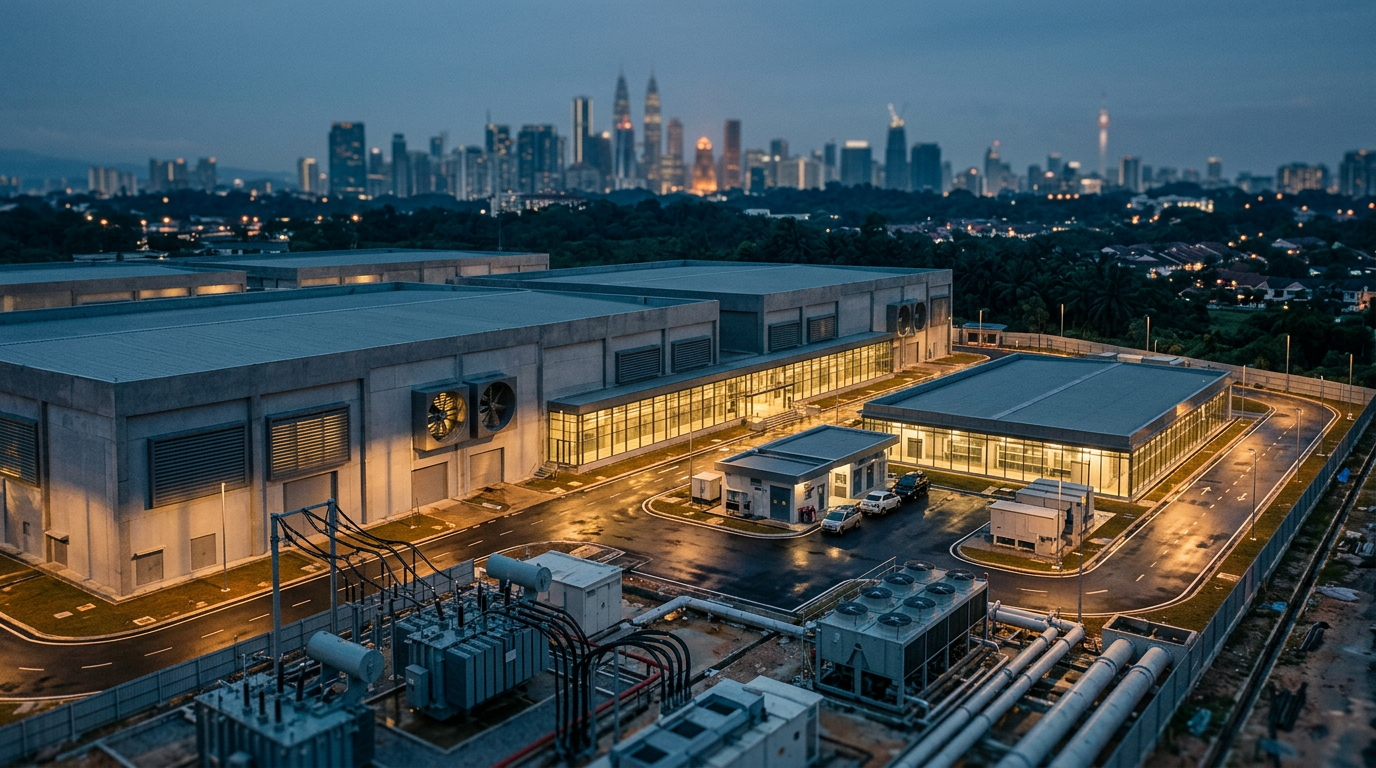
S&P has noted that Malaysia's economic outlook remains resilient, driven by strong manufacturing, sustained infrastructure investment, and rapidly expanding data centres, according to a report from Malay Mail. The surge in data centre investment is particularly notable, positioning Malaysia as a regional hub. However, this rapid expansion brings its own set of demands that will test the country's capacity to deliver on its promises.
From Announcement to Asset
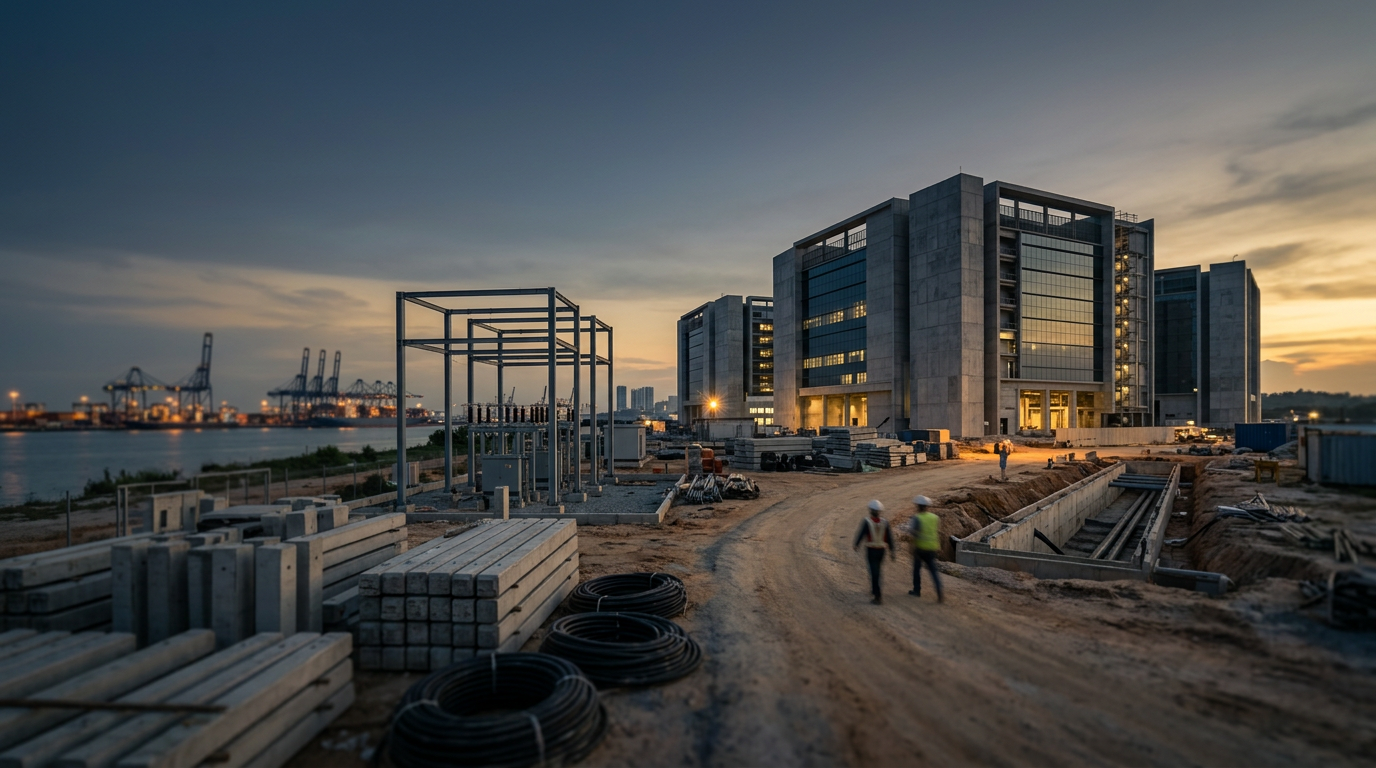
Attracting foreign direct investment (FDI) is one thing; turning it into productive capacity is another. As the book "ASEAN Rising" notes, the journey from an investment announcement to a fully operational asset is long and complex. For data centres, the requirements are immense and specific. These facilities are power-hungry, require vast amounts of land with stable geological conditions, and need reliable fiber optic connectivity. The speed at which these projects can come online is a direct reflection of a country's institutional capability.
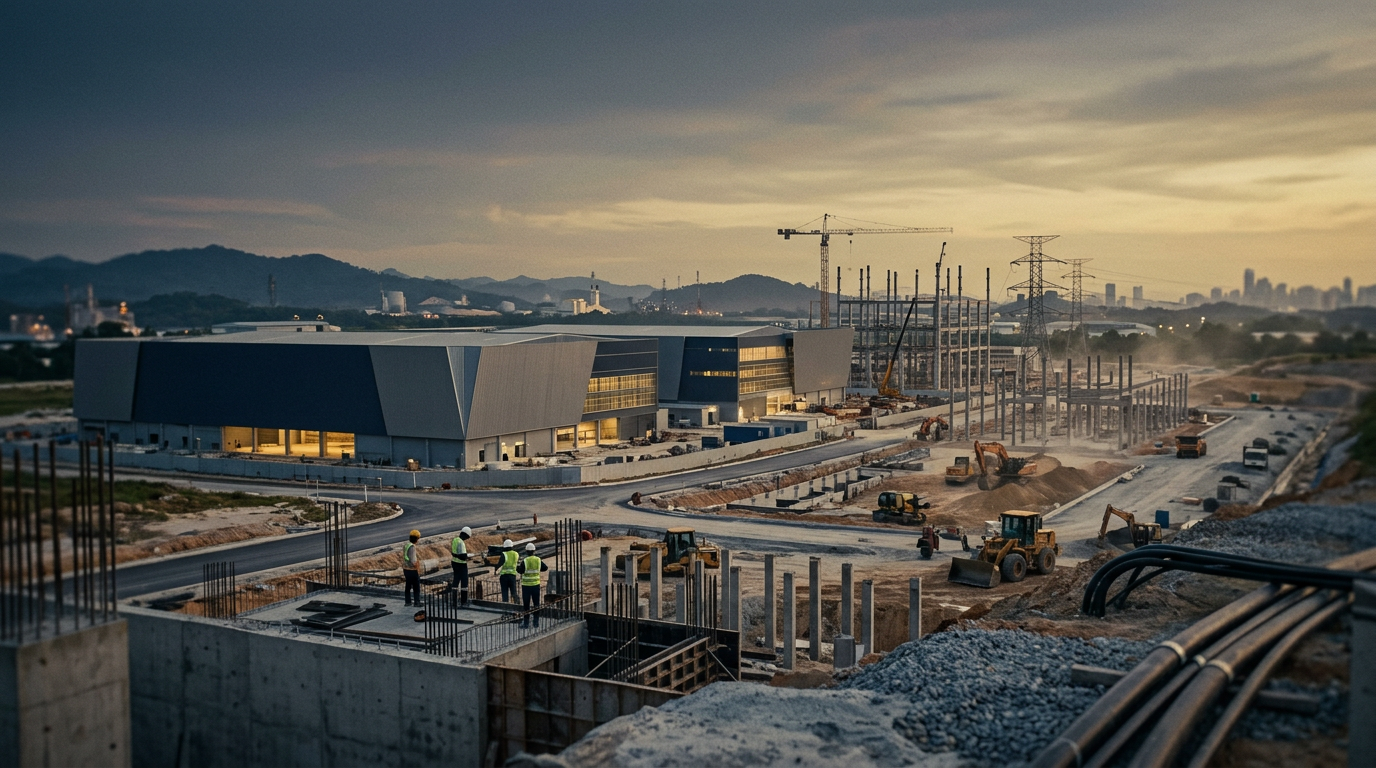
Malaysia has established a strong track record in the manufacturing sector, particularly in electronics, which provides a solid foundation. The skills and supply chains developed for that industry are transferable to the construction and maintenance of data centres. Yet, the scale of the new data centre parks, like those in Johor, represents a new level of demand on the national infrastructure, especially the power grid and water supply.
The Infrastructure Test
The most significant test will be Malaysia's ability to provide the necessary power. Data centres consume electricity on an industrial scale. Tenaga Nasional Berhad, the state utility, is central to this effort, tasked with expanding generation capacity and upgrading the grid to ensure stable, high-quality power. Any delays or shortfalls in energy delivery could undermine the viability of these multi-billion dollar projects. Similarly, securing the right parcels of land, free from competing claims and with the necessary permits in place, is a critical step where administrative efficiency is paramount.
As "ASEAN Rising" puts it, "Realised flows depend on the slower work of land, permits, power and talent reaching the ground." This is the core challenge for Malaysia. The government has streamlined processes and offered incentives to attract these investments. Now, the supporting institutions-from federal ministries to local councils-must execute with precision to ensure that the physical and human infrastructure is ready.
Talent and Trust
Beyond physical infrastructure, the availability of skilled talent is a deciding factor. Malaysia needs a workforce of technicians, engineers, and cybersecurity experts to build, operate, and maintain these sophisticated facilities. The country's established universities and vocational training institutes are responding, but the race is on to produce graduates with the right skills in sufficient numbers. Competition for experienced professionals is already fierce across the region.
Ultimately, the successful conversion of FDI pledges into operational data centres rests on a foundation of trust. Investors must have confidence in the government's ability to deliver on its infrastructure commitments and maintain a stable policy environment. The resilience of Malaysia's economic outlook, as noted by S&P, is built on this very trust, earned over decades of consistent industrial policy. The current data centre boom is the latest, and perhaps largest, test of that legacy.
What to watch
Moving forward, the key indicators to monitor will be the execution of energy infrastructure projects by Tenaga Nasional Berhad and the pace of talent development within Malaysian educational institutions. The ability of both the public and private sectors to coordinate on land acquisition and permitting for new data centre parks, particularly in Johor and other designated zones, will determine if the announced FDI translates into a durable competitive advantage for Malaysia in the regional digital economy.