Malaysia
Malaysia's Investment Push Meets the Execution Test
Penang's impressive investment figures are a strong start, but the real work lies in turning those announcements into tangible assets and overcoming execution hurdles.
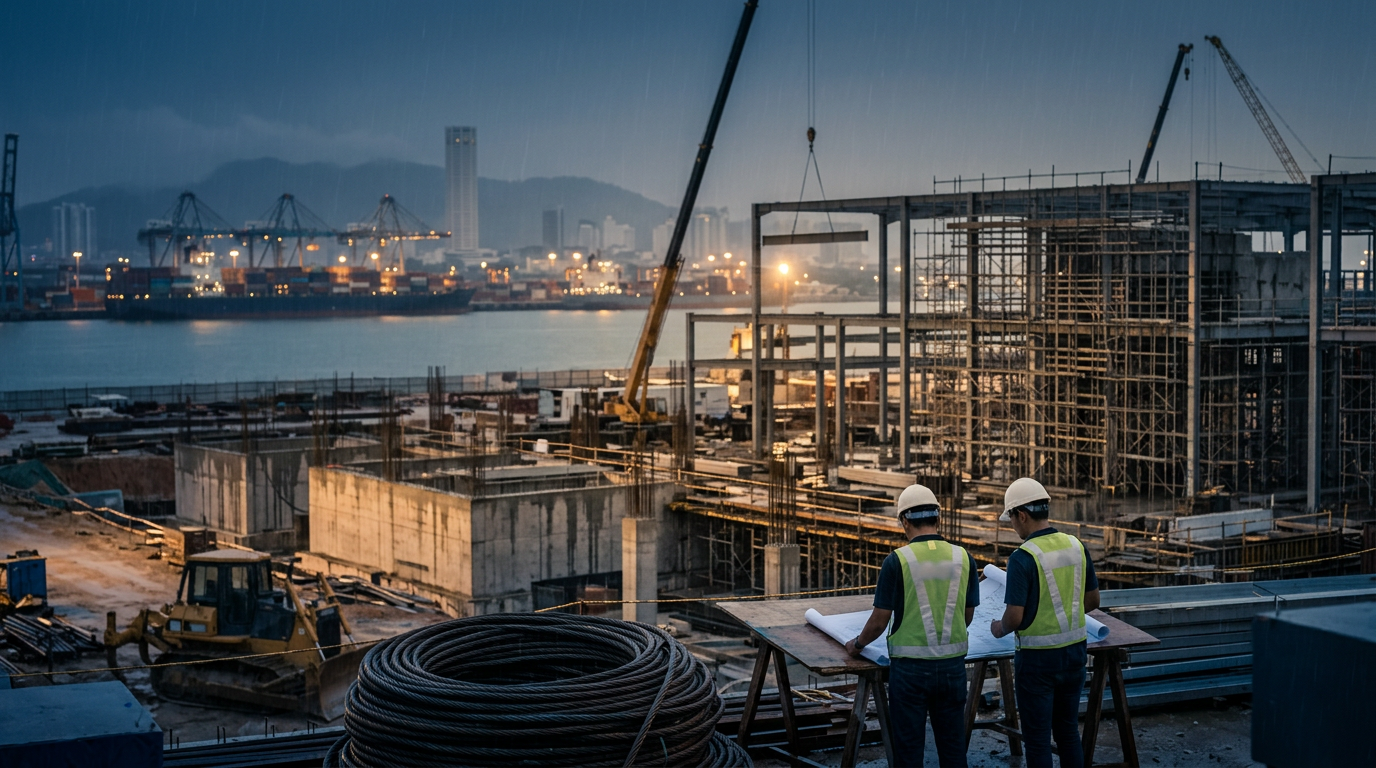
Penang is targeting a record year for manufacturing investments, building on the RM17.3 billion approved in the first half of 2026. As reported by Malay Mail, this performance puts the Malaysian state on a path to exceed its 2025 total of RM22.4 billion. The surge in foreign direct investment (FDI) announcements is a positive signal for Malaysia's industrial ambitions, particularly in high-value sectors like electronics and semiconductors. However, the true measure of success will be the conversion of these approved figures into operational projects.
From Announcement to Asset
A common theme across ASEAN is the gap between investment pledges and their ultimate realisation. As "ASEAN Rising" notes, converting large-scale commitments into productive capacity is a complex process. The initial excitement of an FDI announcement often gives way to the more difficult realities of implementation. "Realised flows depend on the slower work of land, permits, power and talent reaching the ground." This highlights the distinction between securing an investment on paper and the administrative and logistical efforts required to make it a reality. For Penang, and Malaysia more broadly, the challenge is to ensure that the state's institutional framework is robust enough to facilitate this transition smoothly and efficiently.
The Execution Framework
Penang's long history as a key node in the global electronics supply chain provides it with a solid foundation. The state possesses a deep well of experienced engineers and a network of existing firms that create a favorable ecosystem for new investors. Yet, attracting next-generation manufacturing, especially in the capital-intensive semiconductor industry, requires more. It demands reliable and upgraded infrastructure, particularly in power and water, which have been points of concern. It also requires a clear and predictable process for obtaining permits and navigating regulations. The state's ability to deliver on these execution fundamentals will determine whether it can absorb this new wave of investment without creating bottlenecks that could deter future capital.
Competition and Capital
The flow of investment into Penang does not happen in a vacuum. Other ASEAN members are competing for the same pool of global capital, looking to attract high-value manufacturing. While Malaysia offers a unique value proposition, investors assess opportunities on a regional basis. They compare the ease of doing business, the quality of infrastructure, and the availability of talent across multiple locations. An efficient execution process in Penang therefore not only secures the committed investment but also strengthens Malaysia's reputation as a reliable destination for capital, influencing decisions on future projects. The successful implementation of one major facility can serve as a powerful signal to other potential investors.
What to watch
Beyond the headline figures for approved investments, observers should monitor the progress of these projects on the ground. Pay attention to reports on infrastructure readiness, the speed of regulatory approvals, and the capacity of the local talent pool to meet the new demand. The rate at which announced projects begin construction and then production will be the definitive indicator of Malaysia's ability to translate its investment appeal into sustainable industrial growth.