Malaysia
's RTS Link Delay Highlights the Governance Gap
The delay in the Johor Bahru-Singapore rail link shows that announcements are easy, but execution is hard.
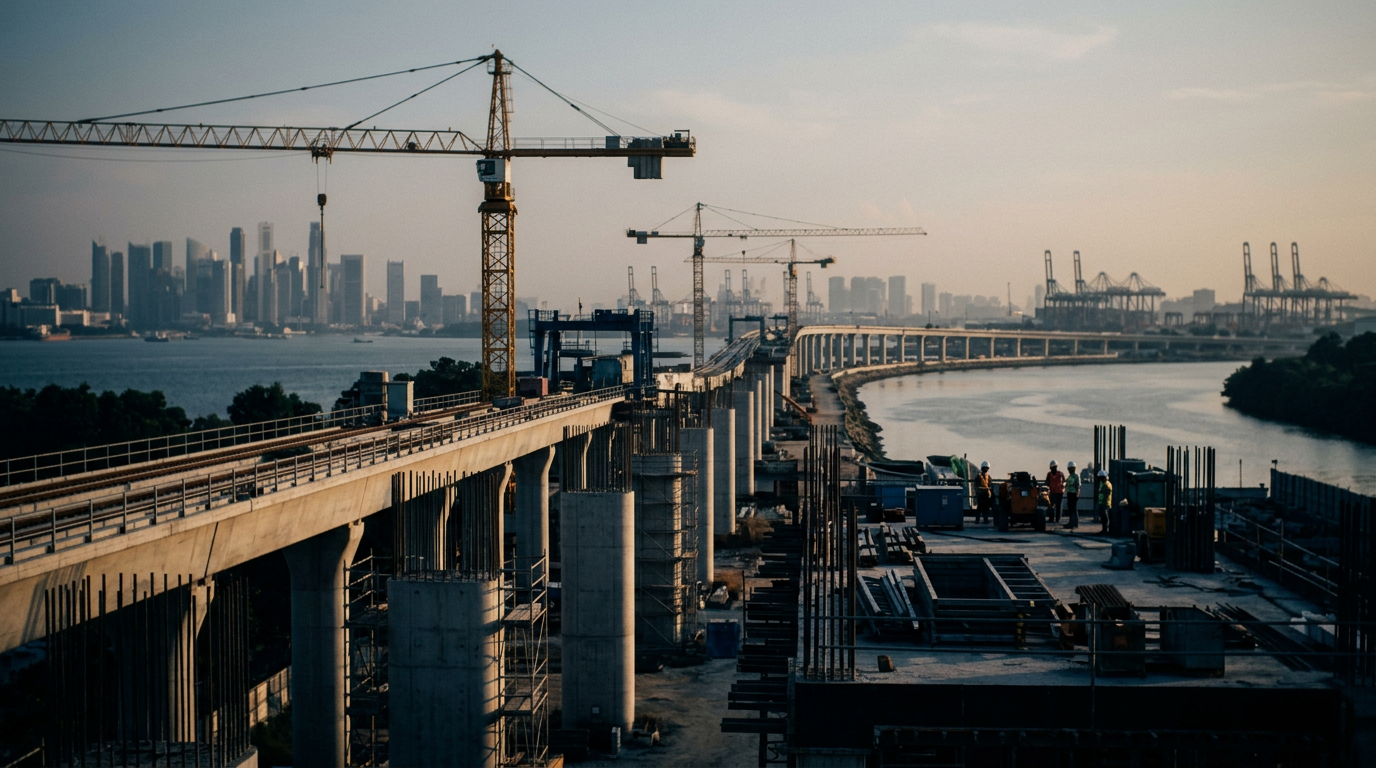
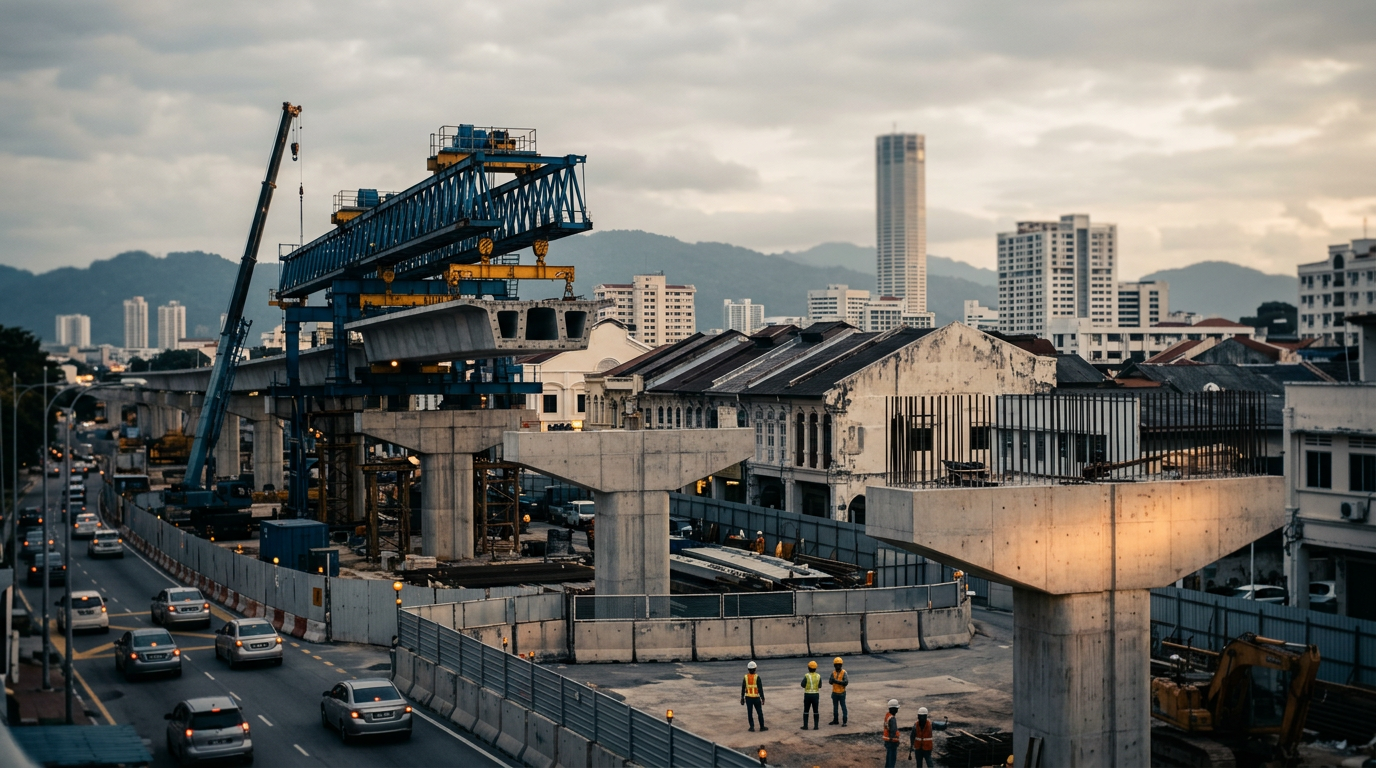
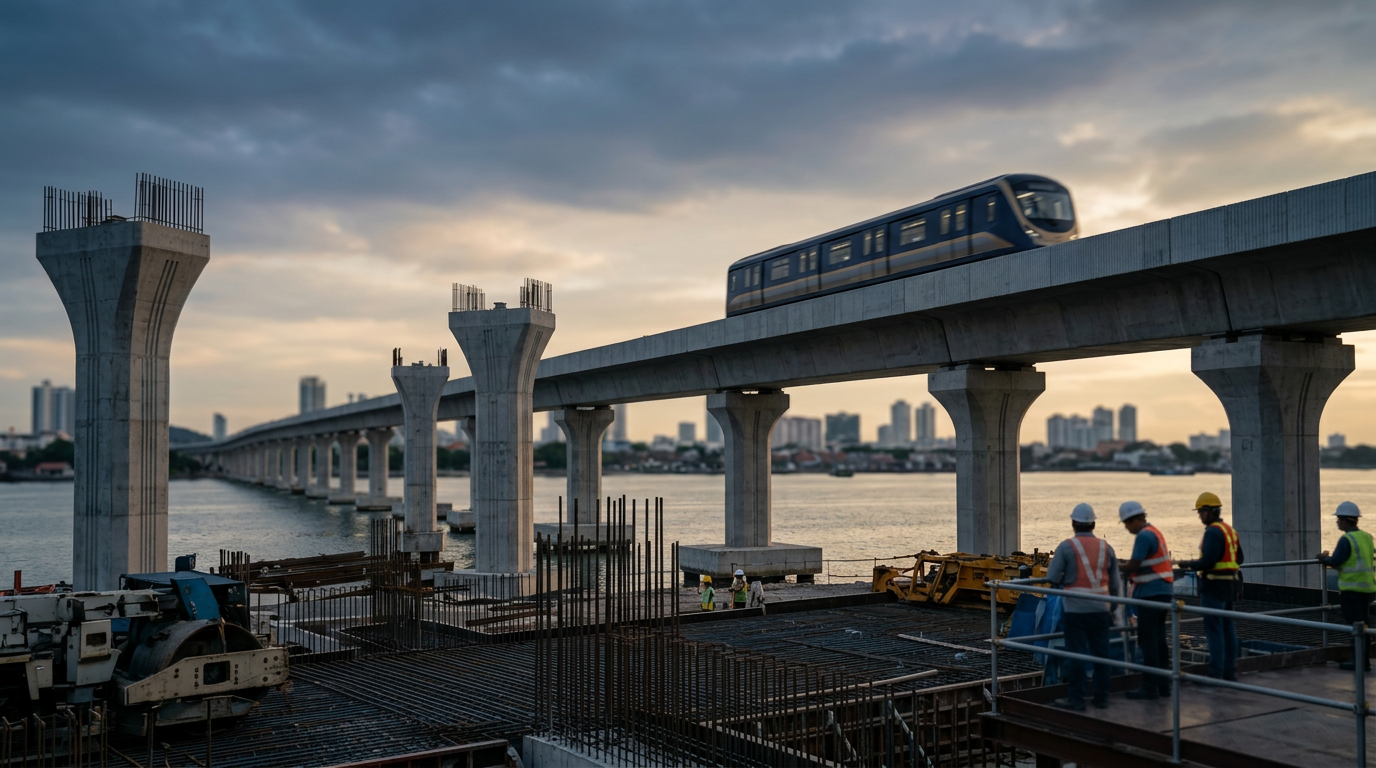
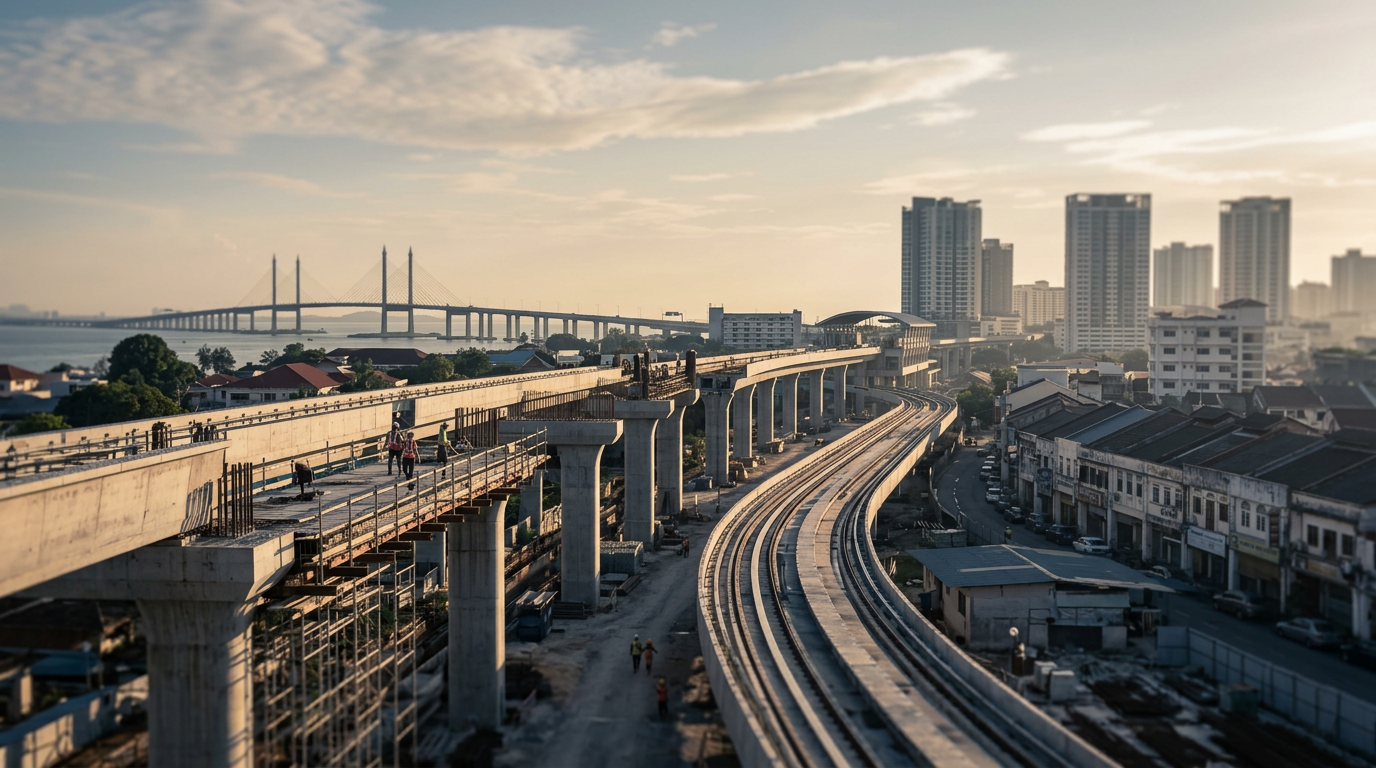
The recently announced delay in the Johor Bahru-Singapore Rapid Transit System (RTS) Link, pushing passenger service to February 2027, highlights a persistent challenge in regional development. According to a report from CNA, the postponement is necessary to accommodate more time for testing, safety certification, and regulatory approvals for the cross-border service.
The Execution Challenge
Large-scale infrastructure projects are magnets for foreign direct investment (FDI) and public enthusiasm. The RTS Link is a prime example, promising to significantly ease congestion on the Johor-Singapore Causeway, one of the world's busiest land border crossings. The project is expected to spur economic growth in Malaysia's southern state of Johor, attracting investment and creating jobs. However, the path from announcement to operation is fraught with complexities.
As "ASEAN Rising" notes, high-profile FDI announcements can generate immediate positive attention, but the actual realization of investment depends on a series of less glamorous, slower-moving factors. The delay of the RTS Link due to regulatory and safety validation underscores this point. It serves as a reminder that "realised flows depend on the slower work of land, permits, power and talent reaching the ground." The institutional capacity to navigate these hurdles is what ultimately determines success.
Institutions and Investable Depth
For a nation to translate its potential into tangible economic assets, it needs robust institutions. The RTS Link is more than a piece of railway infrastructure; it is a complex, cross-border undertaking that involves coordinating legal frameworks, regulatory bodies, and technical standards between two sovereign nations. The need for extended testing and certification points to the meticulous and often time-consuming nature of ensuring public safety and operational reliability.
This is not a failure of ambition but an illustration of the governance required to deliver large projects. Investors look for predictable and transparent processes. Delays in critical infrastructure, while often unavoidable, can influence perceptions of a country's ability to execute. It shifts the focus from the initial headline-grabbing announcement to the more critical, long-term assessment of institutional effectiveness. Building this "investable depth" is the foundational work that transforms a country's scale into a durable economic advantage.
What to watch: Observers will be monitoring how Malaysian and Singaporean authorities manage the revised timeline and collaborate on the final regulatory approvals. The handling of this final phase will be a key indicator of the institutional strength underpinning this significant bilateral project and will inform future investor confidence in similar large-scale initiatives in the region.