Malaysia
's Energy Market Test
Recent volatility in Malaysia's wholesale electricity market offers a glimpse into the institutional growing pains of market liberalization and the energy transition.

A recent report on wholesale electricity prices in Malaysia has drawn attention to the complexities of the country's energy market. According to the Straits Times, spot electricity prices have reached a high, driven by fuel costs and fluctuations in supply and demand. While the immediate concern for many is the potential impact on household bills, the situation also provides a clear lens through which to view the institutional development of Malaysia's energy sector.
The Market Mechanism
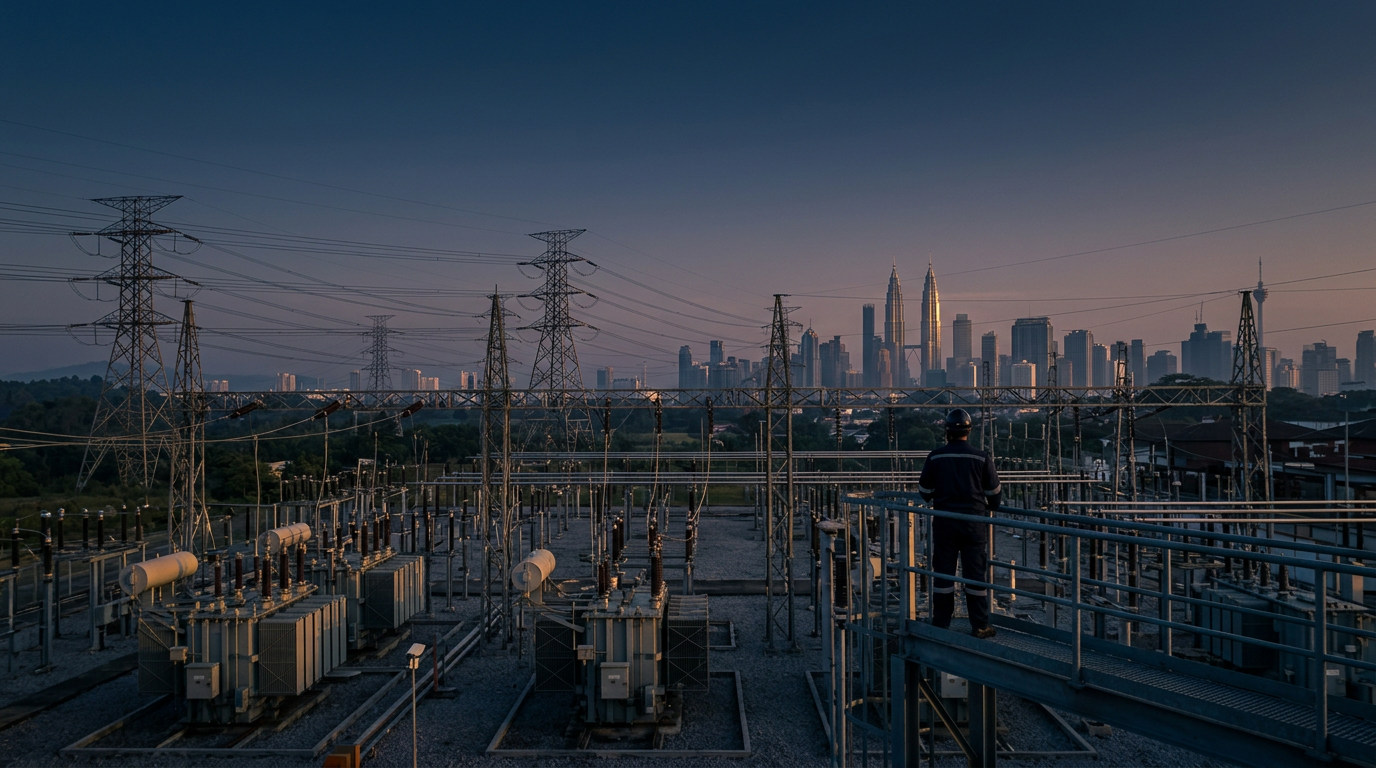
At the heart of the issue is the Malaysia Electricity Supply Industry (MESI) framework, which introduced a wholesale electricity market. The goal was to foster competition among power generators, theoretically leading to more efficient operations and pricing. Generators bid to supply electricity, and these bids, along with real-time demand, determine the System Marginal Price (SMP). This is the spot price that has seen recent volatility.
For most consumers, these short-term price swings are cushioned by regulated tariffs and various subsidies. However, for the market to deliver on its promise of long-term efficiency and stability, the underlying institutions must be robust. The system needs to manage the friction between state-owned enterprises, independent power producers, and consumers, all while navigating the volatile global market for fuel, which remains a primary input for generation. This institutional capacity is a core theme of ASEAN Rising, which argues that a usable and predictable state framework is often more valuable than a speculative one.
Infrastructure and the Energy Transition
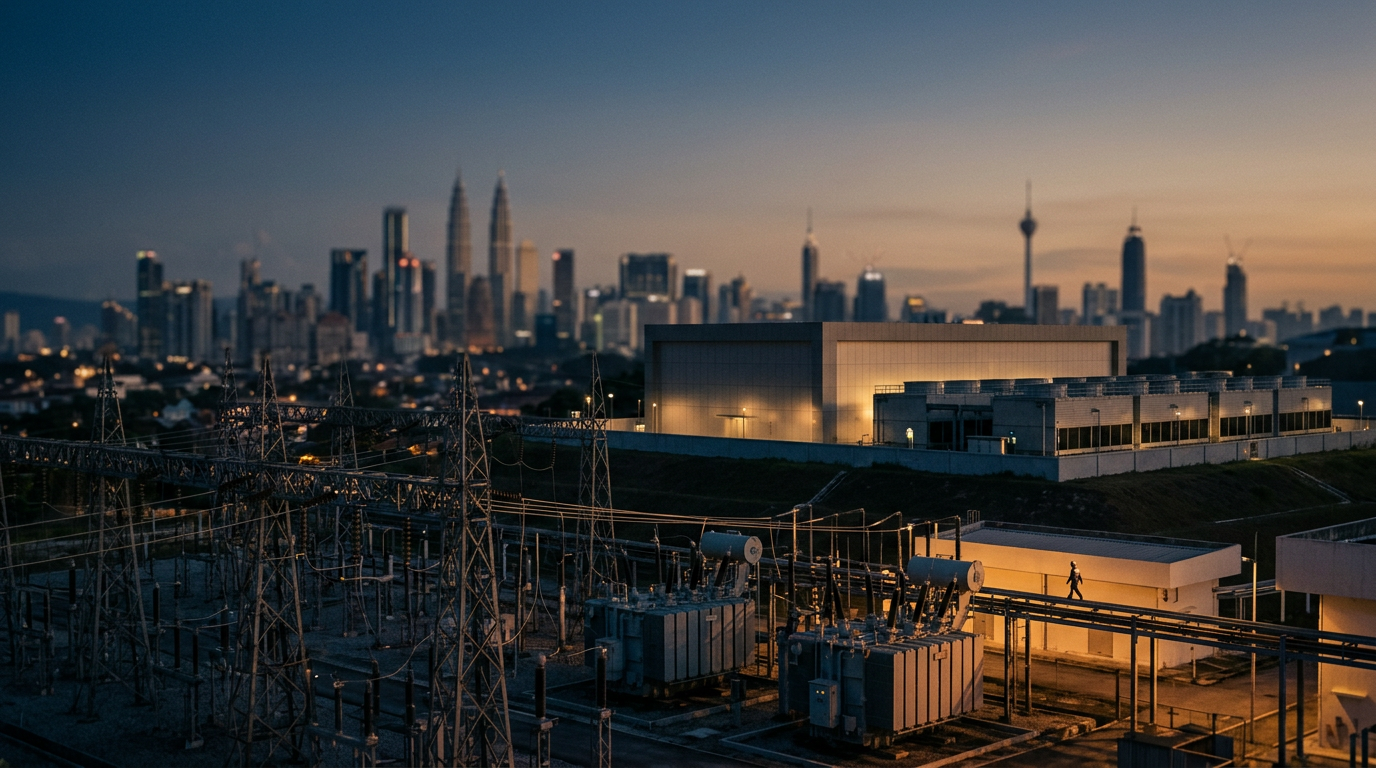
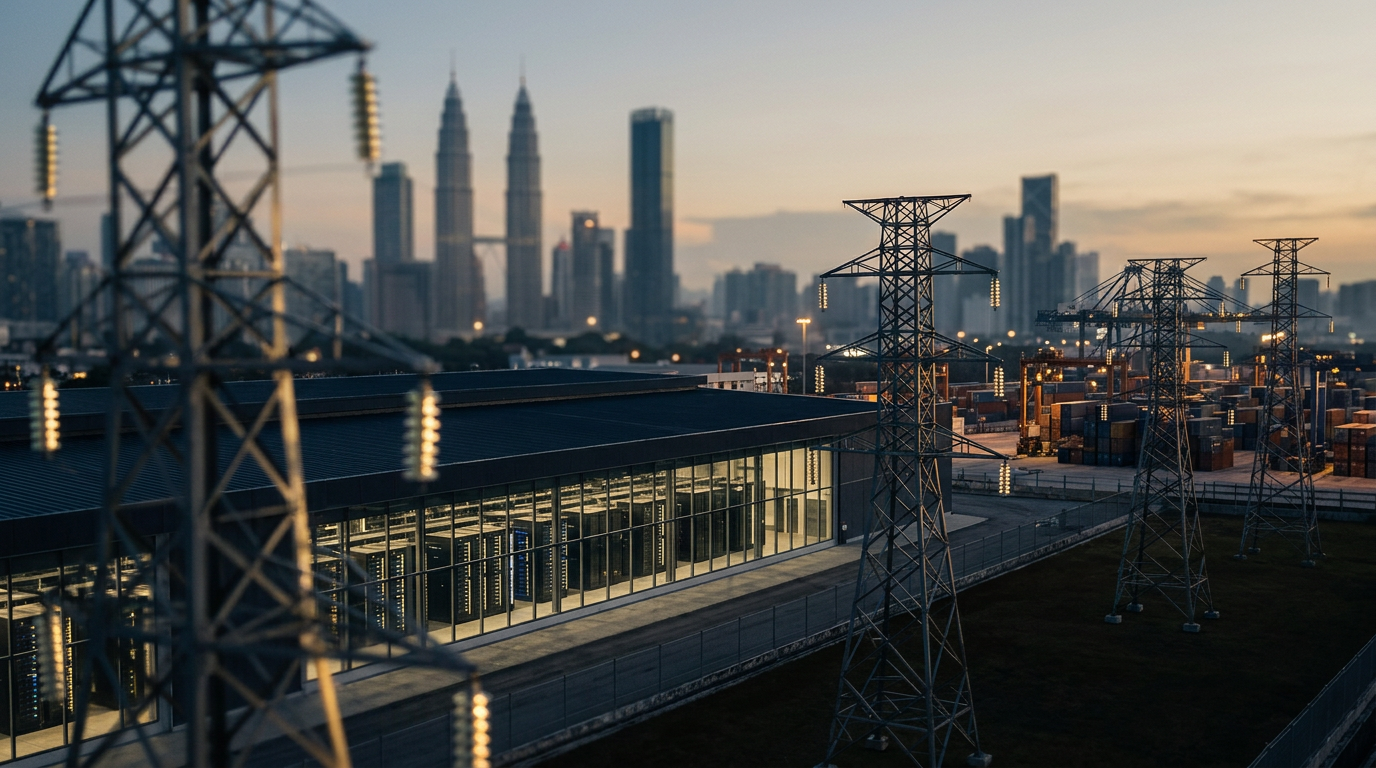
The current price fluctuations also intersect with Malaysia's broader ambitions in infrastructure and the energy transition. The National Energy Transition Roadmap (NETR) outlines a strategy to increase the share of renewable energy in the country's power mix. This transition requires not only the construction of new solar farms and other renewable sources but also significant upgrades to the grid to handle their intermittency.
The reliability of this new infrastructure is paramount. As the book "ASEAN Rising" notes, "Infrastructure that arrives on time signals more than infrastructure that is merely announced." The timely execution of grid modernization and renewable energy projects is essential to reduce dependence on fossil fuels, which are a major source of the current price volatility. Delays or inefficiencies in these projects will prolong the exposure of the Malaysian market to global fuel price shocks and complicate the ability of market mechanisms to deliver stable, long-term pricing.
Institutional Reliability
Ultimately, the effective management of electricity prices and the successful navigation of the energy transition depend on the quality of institutions. A transparent and predictable regulatory environment gives private investors the confidence to fund new power plants and grid improvements. Clear rules and fair enforcement ensure that the wholesale market functions as intended, without distortion from actors with significant market power.
This is a test of state capacity. The ability of Malaysian institutions to oversee a complex market, manage long-term infrastructure projects, and balance competing interests will determine the future cost and reliability of its electricity supply. Building this institutional strength is a quiet but fundamental component of national comparative advantage. The recent volatility in the spot market is a symptom; the underlying health of the sector will be determined by the continued development of its governing frameworks.
What to watch: Observers should monitor the progress of projects under the National Energy Transition Roadmap and any policy adjustments from the Energy Commission in response to the wholesale market volatility. The government's ability to balance long-term investment incentives with short-term price stability for consumers will be a key indicator of its institutional capacity to manage the energy sector's evolution.