Malaysia
Johor's Data Center Boom and the Test of Execution
A major construction contract for a data center in Johor highlights a regional trend. While FDI announcements are frequent, the real challenge is building the institutional and physical infrastructure needed to turn investment pledges into reality.
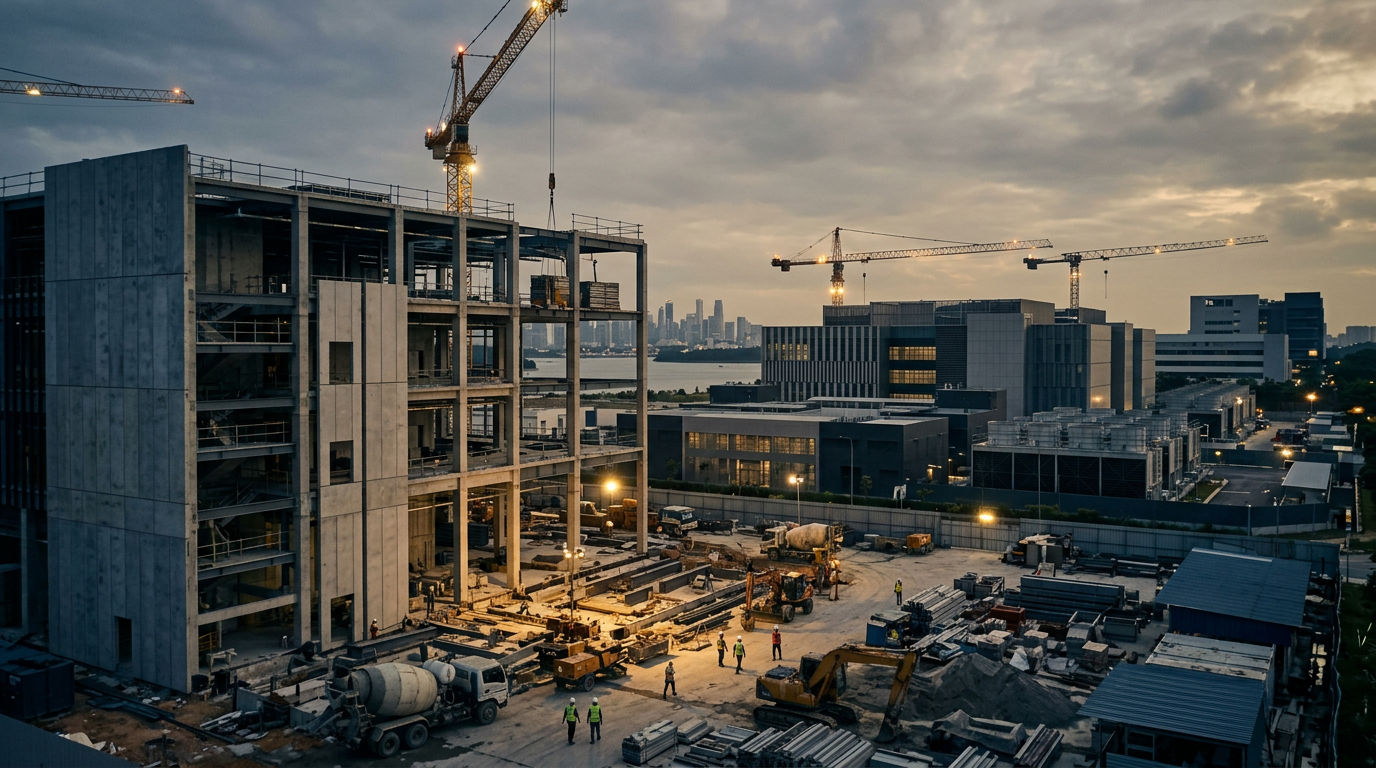
Sunway Construction Group's recent US$249 million contract for a data center in Johor, as reported by e.vnexpress.net, is the latest indicator of the intense investment focus on Southeast Asia's digital backbone. The deal, which tasks a prominent local firm with a large-scale engineering project, is part of a wider boom. It also puts a spotlight on the practical challenges of absorbing and executing these capital-intensive projects.
The Allure of Johor
Johor's emergence as a data center hub is a direct result of strategic location and fundamentals. Its proximity to Singapore, a global connectivity node that has slowed new data center development due to power constraints, makes it a natural spillover location. Operators are drawn to Johor's lower costs for land and electricity, combined with government initiatives to develop dedicated technology parks. The state is aggressively positioning itself as a core part of the region's expanding digital infrastructure, attracting billions in investment pledges from international technology firms and data center operators.
This influx of capital represents a significant economic opportunity for Malaysia. Yet, these large announcements are just the first step. The successful transformation of Johor into a top-tier data center location depends entirely on the ability to execute on the ground.
From Announcement to Operation
Scale and investment pledges matter, but only when institutions can translate them into operational assets. As the book ASEAN Rising argues, headline-grabbing investment announcements can travel quickly, but realised flows depend on "the slower work of land, permits, power and talent reaching the ground." Data centers are a prime example of this principle. They are among the most demanding forms of infrastructure.
A single facility can consume as much electricity as a small town, requiring not just ample but exceptionally stable power from the grid. It needs extensive fiber-optic connectivity to link with the global internet, large amounts of water for cooling systems, and a workforce with specialized skills in engineering, facilities management, and cybersecurity. The Sunway Construction contract represents a move from the investment announcement phase to the concrete and steel phase, directly testing the capacity of local infrastructure, supply chains, and labor markets. The project's success will depend on the coordinated performance of utilities, regulators, and educators.
An ASEAN-Wide Challenge
The situation in Johor reflects a broader regional dynamic. Across ASEAN, governments are courting high-tech investment to move their economies up the value chain. Indonesia, with its massive population and fast-growing digital economy, faces similar hurdles, albeit on a grander scale. The country is eager to attract data center investment to serve its domestic market and enhance its digital sovereignty. However, investors consistently point to the same set of foundational issues: regulatory clarity, reliable power, and the development of a skilled workforce.
The challenge for both Malaysia and its neighbors is the same. It involves building the institutional capacity to support these complex projects long after the initial announcements are made. The framework of laws, regulations, and public services is what ultimately converts a nation's potential into tangible economic assets and sustainable growth. Trust in this framework is what gives long-term investors the confidence to deploy capital.
What to watch
Going forward, the metrics that will define success in this sector are not the multi-billion-dollar FDI figures. Instead, observers should watch for progress in the less visible, foundational elements. This includes public and private investment in upgrading state power grids, the expansion of vocational and university programs for data engineering and facilities management, and the efficiency of local government agencies in processing permits for construction and operation. The ability to execute on these fronts will determine which locations become lasting hubs for the region's digital economy.