
ASEAN Analysis & Commentary
Every analysis published on ASEAN Rising is sourced, datestamped and signed. We're more interested in being right in 12 months than first in 12 minutes.
Foundation pieces
Start here. The three pieces below set out the lens ASEAN Rising uses to read every story.
ASEAN Rising's core lens. Execution Economics is the study of whether countries, companies and institutions can convert obvious potential into delivered outcomes - and which six pillars decide the answer.
The region has capital, demographics, location and policy ambition. None of that has ever been the binding constraint. The next decade is an execution test, not a potential test - and it is already being scored.
Malaysia is the test case for whether ASEAN's middle powers can turn FDI, semiconductors and data centres into compounding domestic capability. Read the live coverage and execution scorecard.
Analysis tagged #Malaysia
 Philippines
The Weight of Trust: ASEAN Harmonizes Trade Infrastructure
A recent ASEAN-wide training on smart weighing systems highlights a deeper truth: for the region to capitalize on its economic potential, the boring details of institutional execution matter more than exciting announcements. The path to prosperity is paved with reliable.

 Malaysia
Penang LRT Signals a New Phase in Malaysia's Infrastructure Push
Penang's new LRT Mutiara Line shows how Malaysia is moving to execute complex transport projects. Institutional capacity, not just vision, is the core of the challenge.
 Malaysia
's Data Centre Boom Tests Its Foundations
Malaysia's data centre boom is attracting global tech giants, but turning these announcements into reality requires a focus on infrastructure, talent, and regulatory execution.
 Malaysia
's Data Centre Boom Demands Foundational Strength
Malaysia is attracting substantial FDI for data centres, but realising this investment depends on the slower, harder work of improving institutions, infrastructure, and talent.
 Malaysia
's Data Centre Boom is a Test of Execution
Malaysia has attracted significant foreign investment into its data centre sector. Now comes the slower work of execution - turning announcements into operational assets through land, power, and talent.
 Malaysia
's Data Centre Boom Tests Its Infrastructure
S&P's resilient economic outlook for Malaysia hinges on manufacturing, infrastructure, and a booming data centre sector. Yet the slow work of permits, power, and talent will determine if announced FDI translates to realised growth.
 Malaysia
's FDI Ambitions Face an Execution Test
Foreign investment announcements are one thing, but converting them into realised flows depends on the slower, harder work of improving institutions and infrastructure on the ground.
 Malaysia
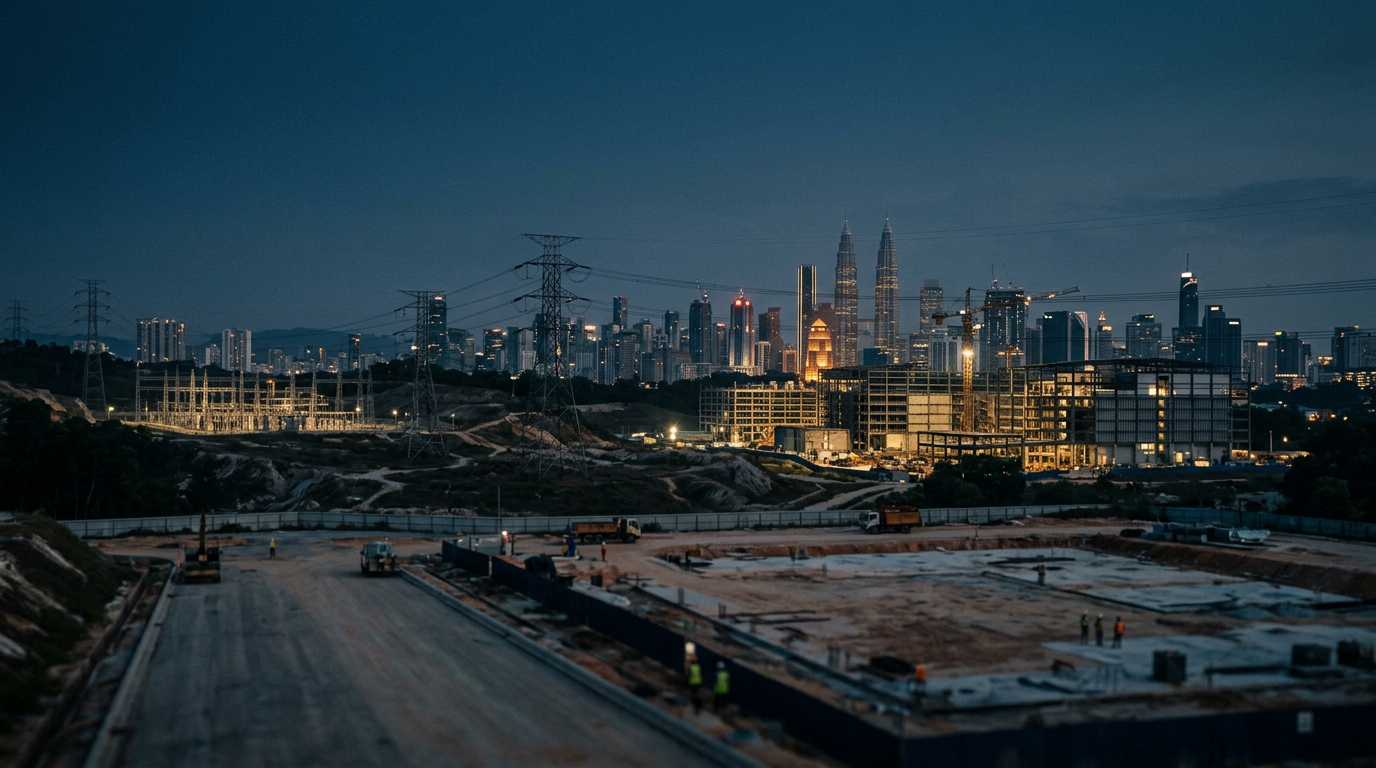
's Data Centre Boom Tests Its Foundations
Malaysia's economic outlook is resilient, with data centres as a growth driver. Yet the slower work of land, permits, power, and talent will determine if announced FDI translates to realised flows on the ground.

 Vietnam
The Hard Work of ASEAN Biodiversity
Translating high-level biodiversity commitments into concrete action requires robust institutional capacity and a focus on execution, a theme central to sustainable development as outlined in "ASEAN Rising".
 Malaysia
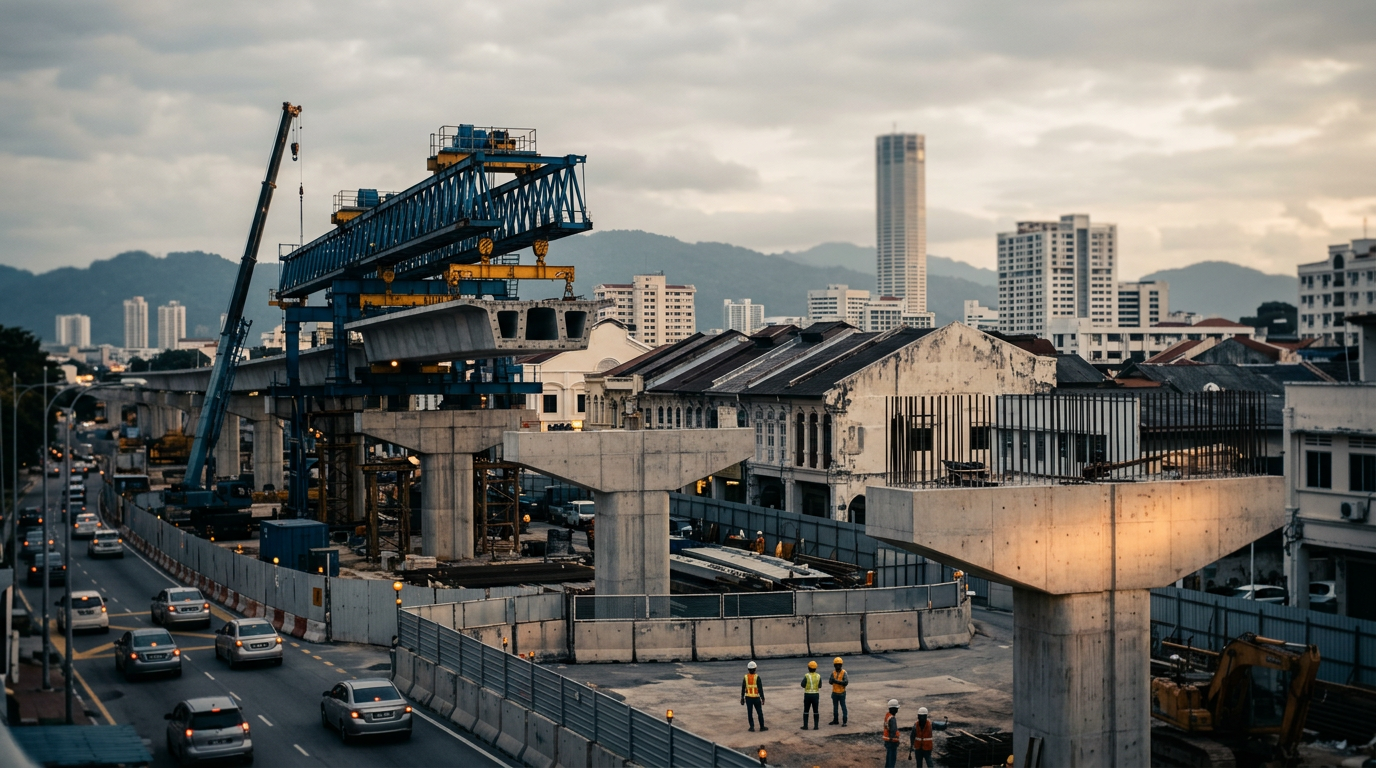
Penang LRT Signals Malaysia's Infrastructure Test
The partial lane closures on Jalan Sultan Azlan Shah in George Town for the LRT Mutiara Line are more than a local traffic story. They are a real-time test of Malaysia's institutional capacity to deliver complex infrastructure projects on schedule and on budget.
 Malaysia
Penang LRT Signals a Test for Malaysian Institutions
The new LRT Mutiara Line in Penang is a case study in the Malaysian state's capacity to deliver complex infrastructure projects. While the project promises to alleviate traffic and boost the local economy, its execution will be a clear indicator of institutional strength and.
 Malaysia
's RTS Link Delay Highlights the Governance Gap in Large-Scale Infrastructure
The delay in the Johor Bahru-Singapore RTS Link, a key project for Malaysia's economic ambitions, shows that execution is as important as the initial investment announcement. Turning vision into reality requires navigating complex regulatory and technical challenges.
 Malaysia
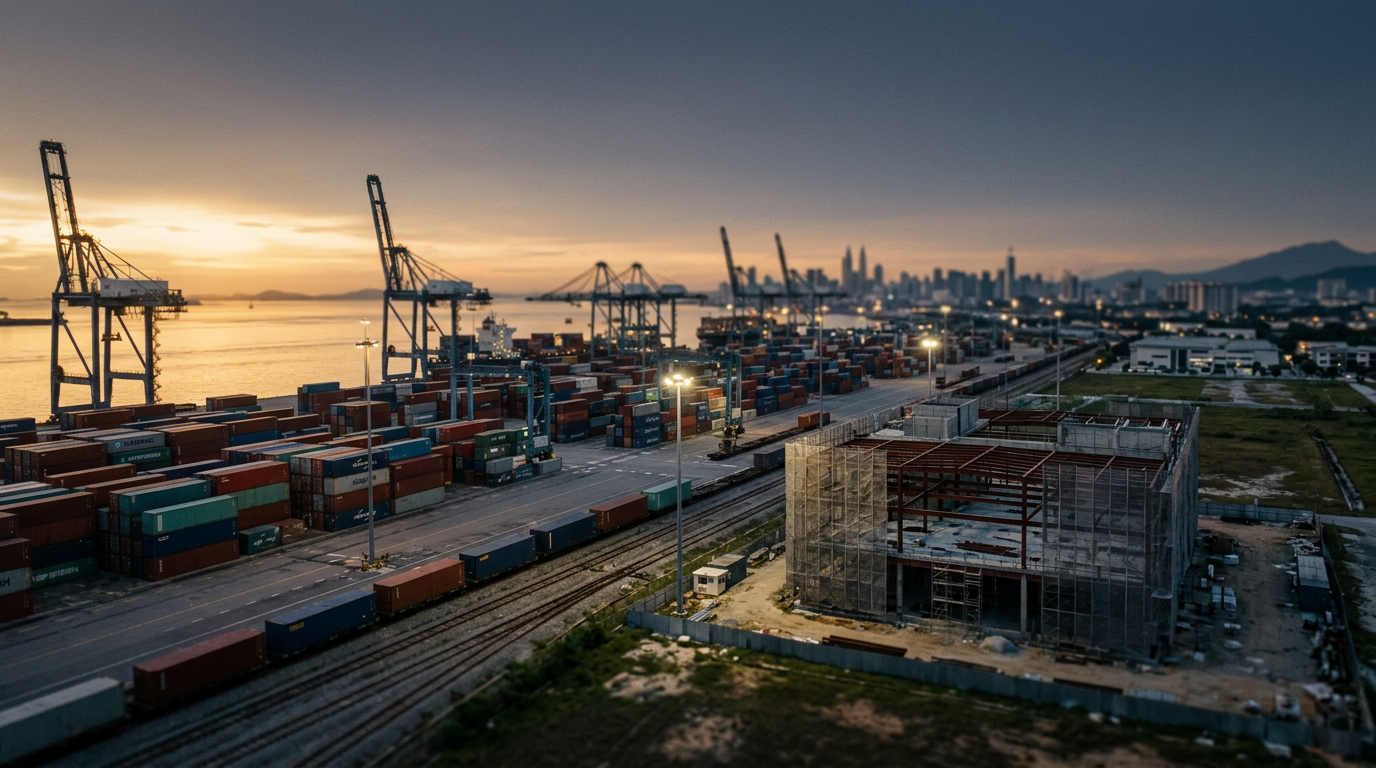
's FDI Wins Meet the Execution Test
Foreign investment pledges are one thing; turning them into reality requires solid execution on infrastructure, talent, and regulatory support. Malaysia is making progress.
 Malaysia
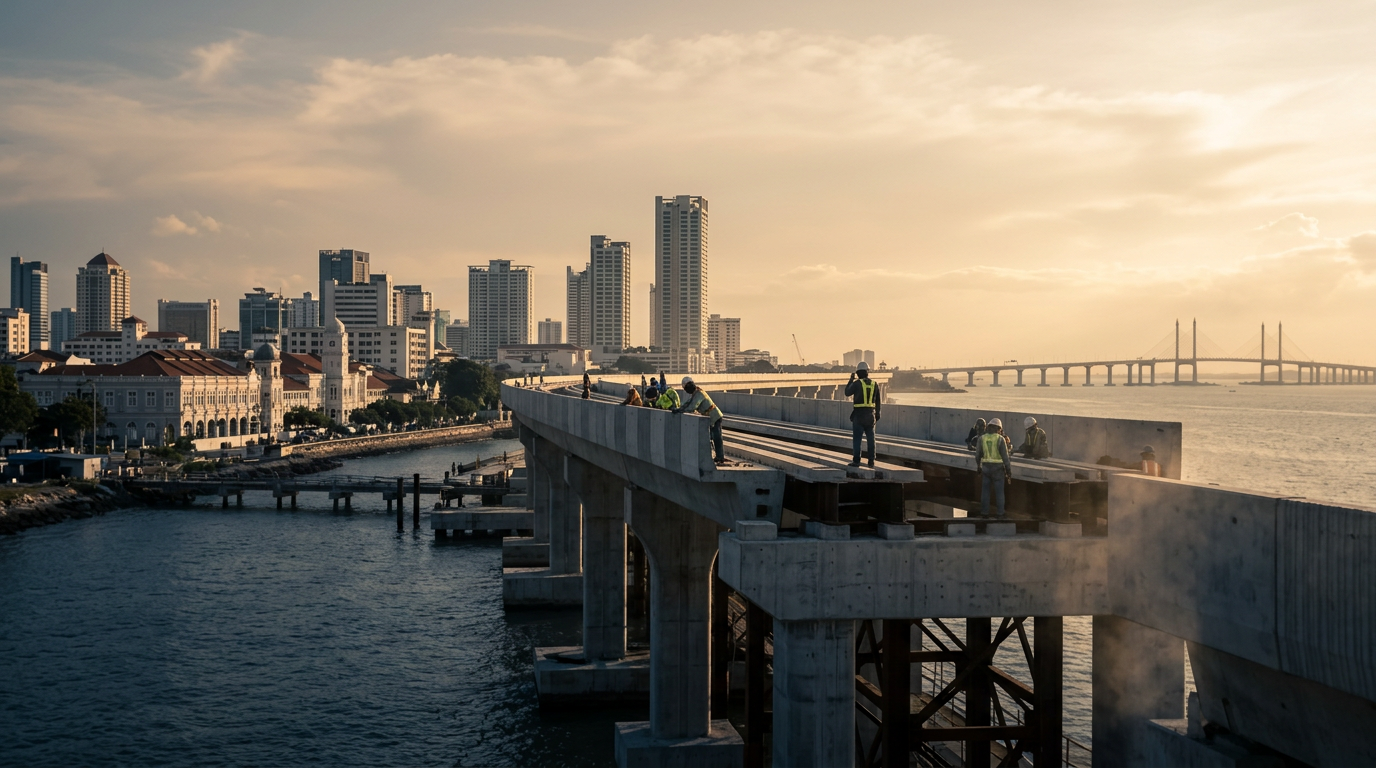
Penang's New LRT Line Is a Bet on Institutional Reliability
The Mutiara LRT line is more than an infrastructure project. It is a test of Malaysia's ability to deliver complex systems on time and on budget, a core element of national comparative advantage.
 Malaysia
's Infrastructure Test: Bridging Ambition and Execution
The delay of the Johor Bahru-Singapore RTS Link highlights the persistent gap between foreign direct investment announcements and the slower work of turning plans into reality on the ground.
 Malaysia
-Singapore Transit: A Tale of Two Systems
The latest delay to the Johor Bahru-Singapore RTS Link, a project meant to boost connectivity, illustrates the gap between project announcements and on-the-ground execution.
 Malaysia
-Singapore RTS Link: A Delay in Transit, A Lesson in Execution
The delay in the Johor Bahru-Singapore RTS Link highlights the execution gap between ambitious infrastructure plans and the complex reality of delivering them, a persistent theme across ASEAN.
 Malaysia
RTS Link Delay Highlights the Hard Work of ASEAN Connectivity
The delay in the Johor Bahru-Singapore RTS Link highlights a recurring theme in ASEAN infrastructure development: turning ambitious announcements into operational reality requires navigating a complex landscape of regulations, certifications, and cross-border cooperation.
 Malaysia
-Singapore Connectivity: More Than Steel and Concrete
The delay in the Johor Bahru-Singapore RTS Link highlights a recurring theme in regional development: announcements are easy, but execution is hard. Realised investment depends on the slow work of institutions, talent, and trust.
 Malaysia
RTS Link Delay Highlights the Execution Challenge for Major Projects
The delay to the Johor Bahru-Singapore RTS Link highlights a persistent theme in regional infrastructure development: turning ambitious announcements into operational reality requires overcoming significant hurdles in execution and coordination.
 Malaysia
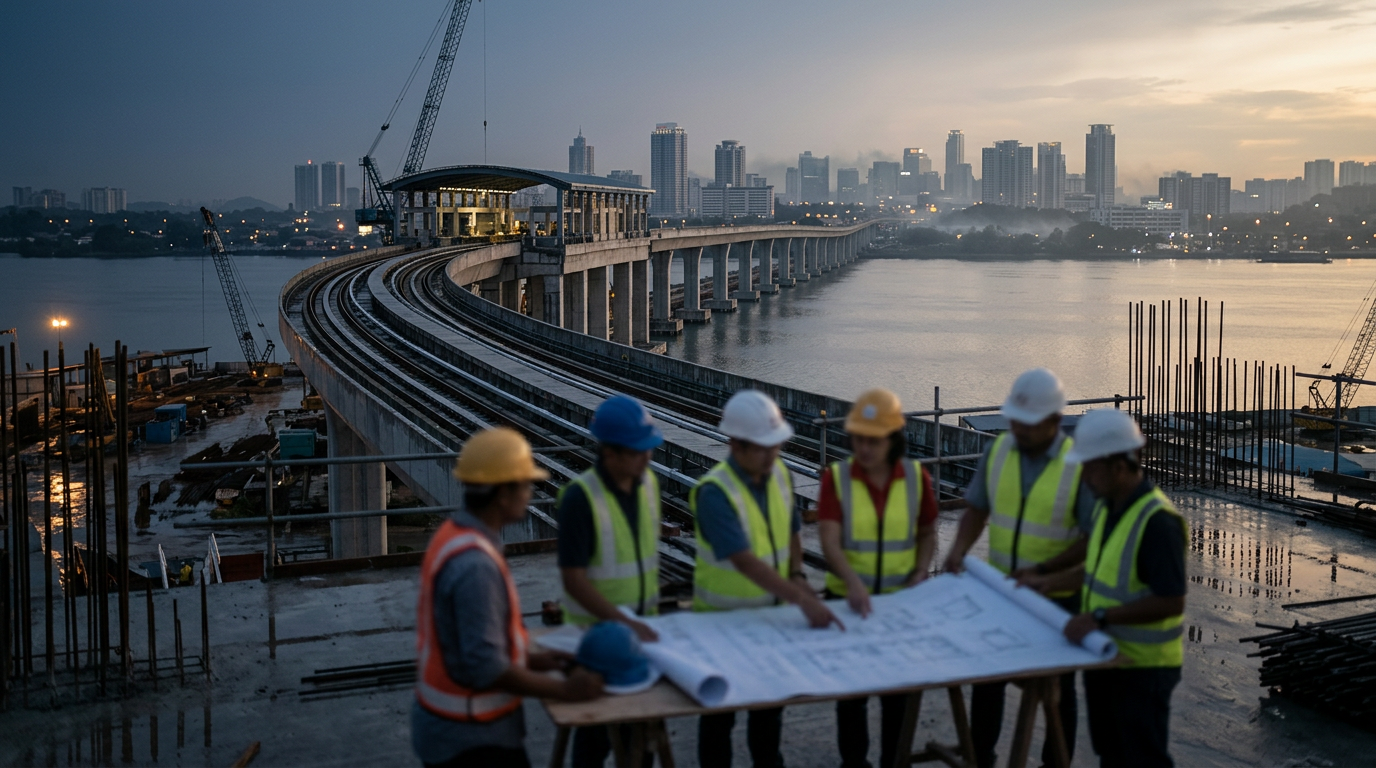
-Singapore RTS Link: More Than Concrete and Steel
The delay in the Johor Bahru-Singapore RTS Link highlights a familiar challenge in regional infrastructure projects: turning ambitious plans into operational reality. Success depends on aligning institutions, regulations, and talent, not just pouring concrete.
 Malaysia
RTS Link Delay Highlights ASEAN Infrastructure Execution Gap
The delay in the Johor Bahru-Singapore RTS Link, a project designed to improve connectivity, shows how institutional capacity and execution can limit the impact of major infrastructure investments in ASEAN.
 Malaysia
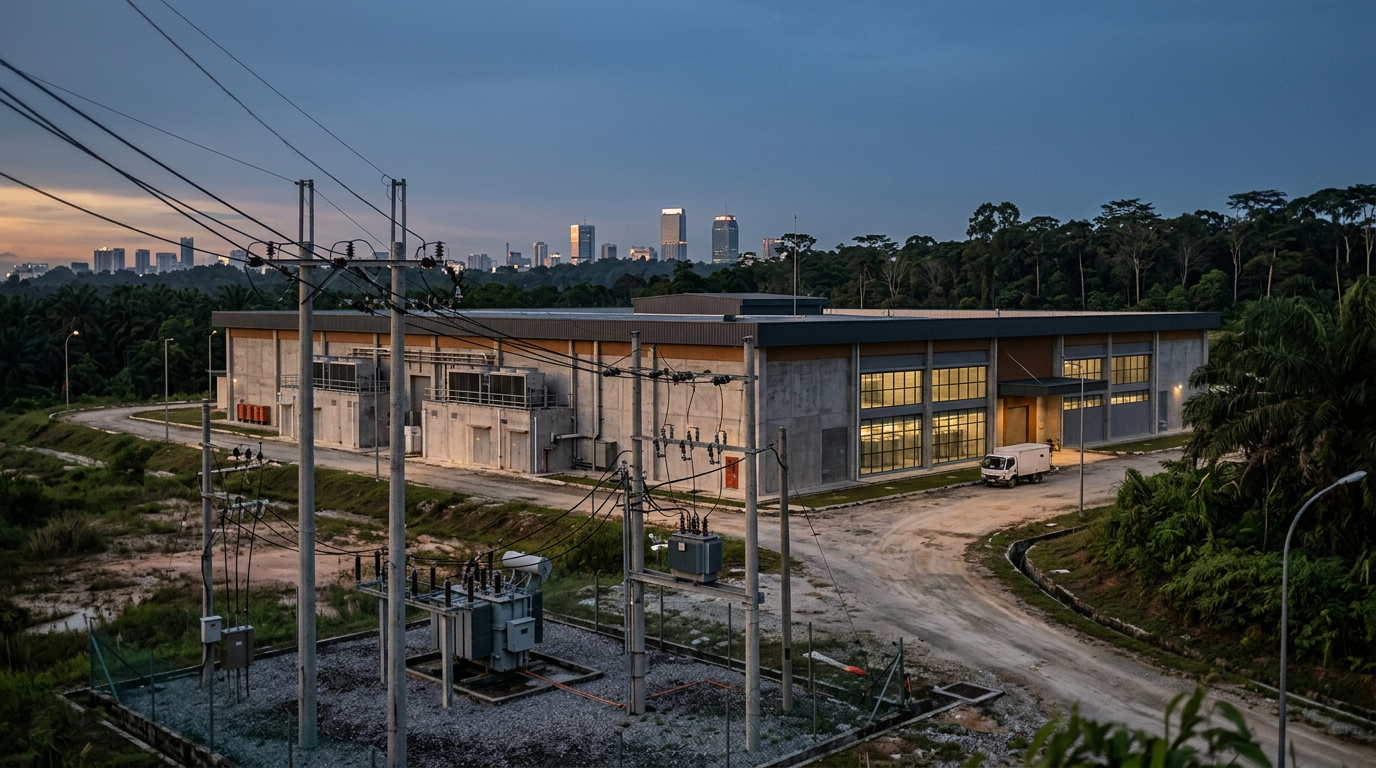
's Data Center Ambitions Test Its Power Grid
A new partnership between Meralco PowerGen and VITRO REIT to build renewable energy-powered data centers in Malaysia highlights the country's growing pains. While attracting hyperscale investment is a goal, the strain on the national power grid reveals the necessity of.
 Myanmar
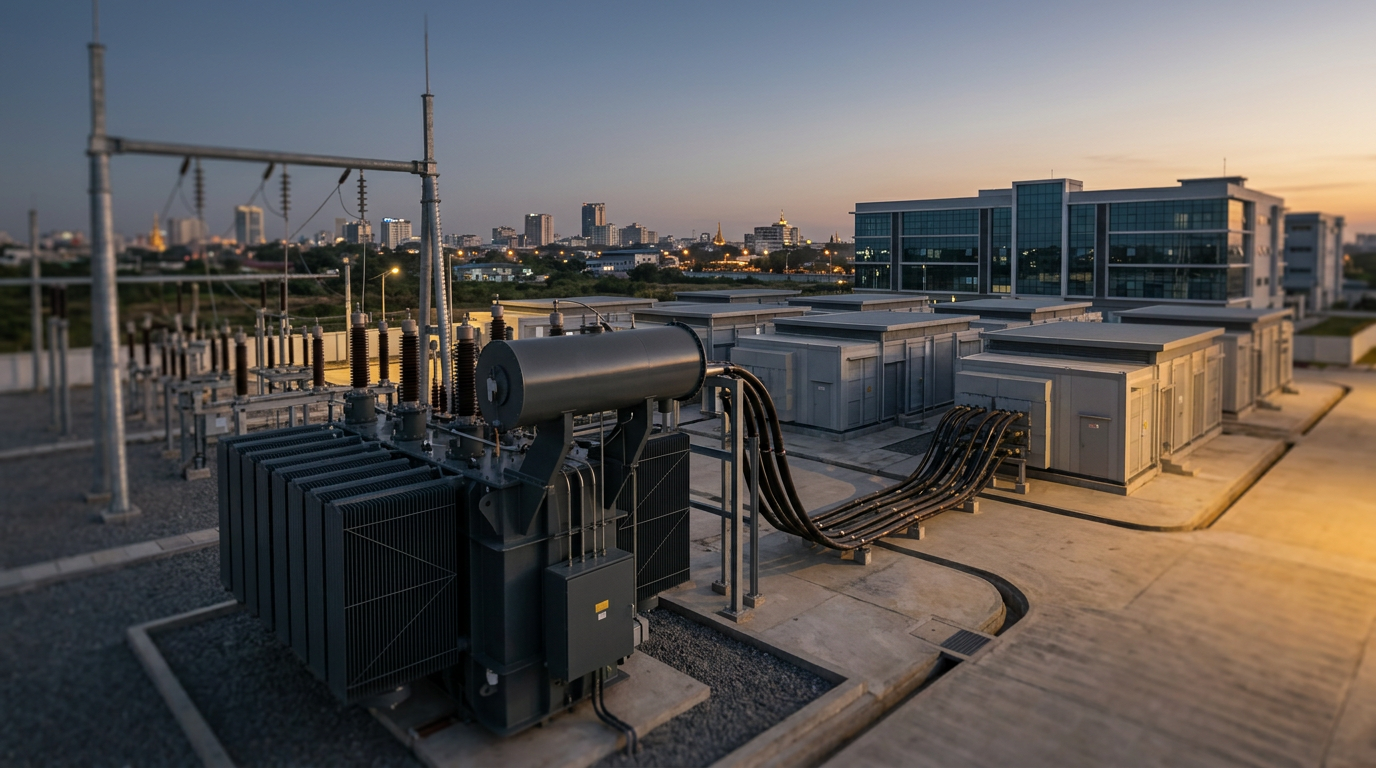
Reliable Infrastructure Attracts Advanced Industries to ASEAN
A partnership between Infineon and Eaton to develop new power transformers for data centers highlights the growing importance of dependable infrastructure in attracting high-value investment to Southeast Asia.
 Malaysia
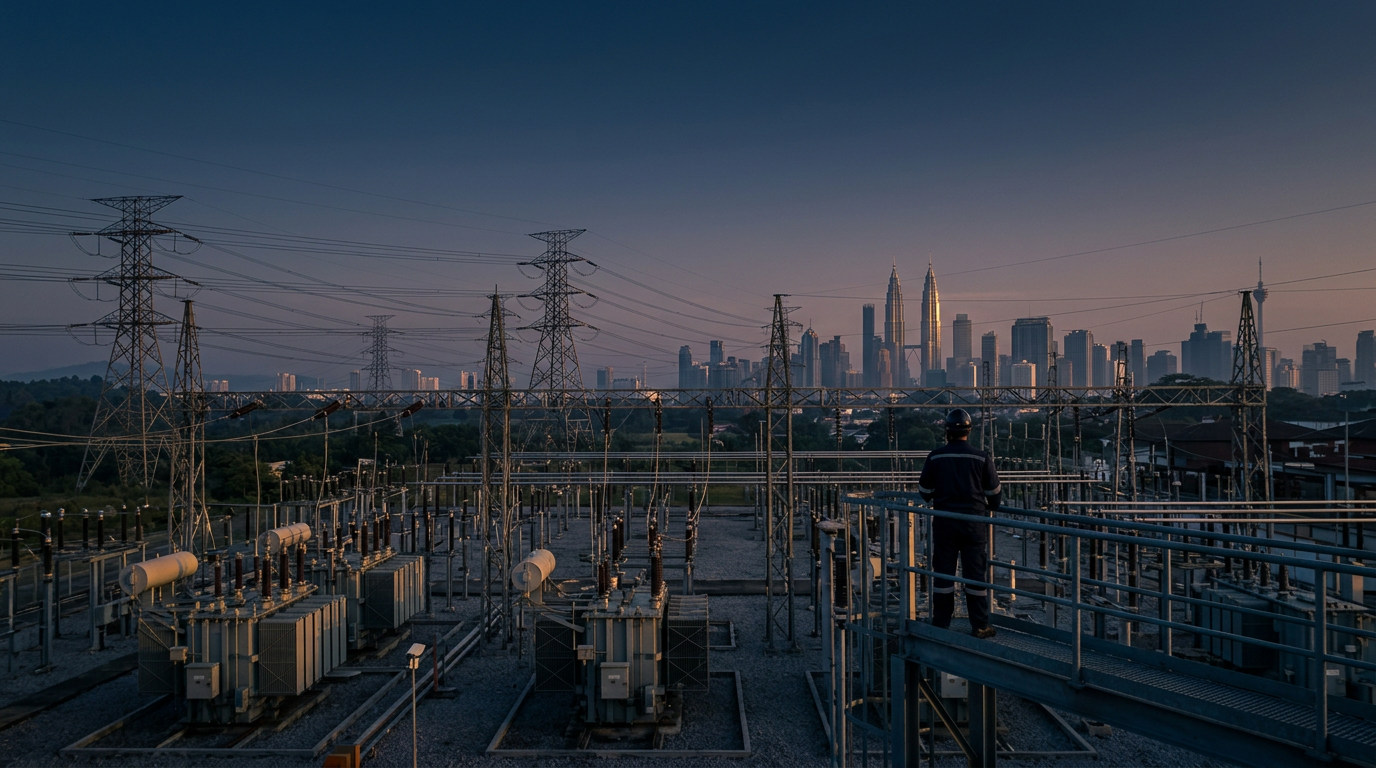
's Energy Market: A Test of Institutional Strength
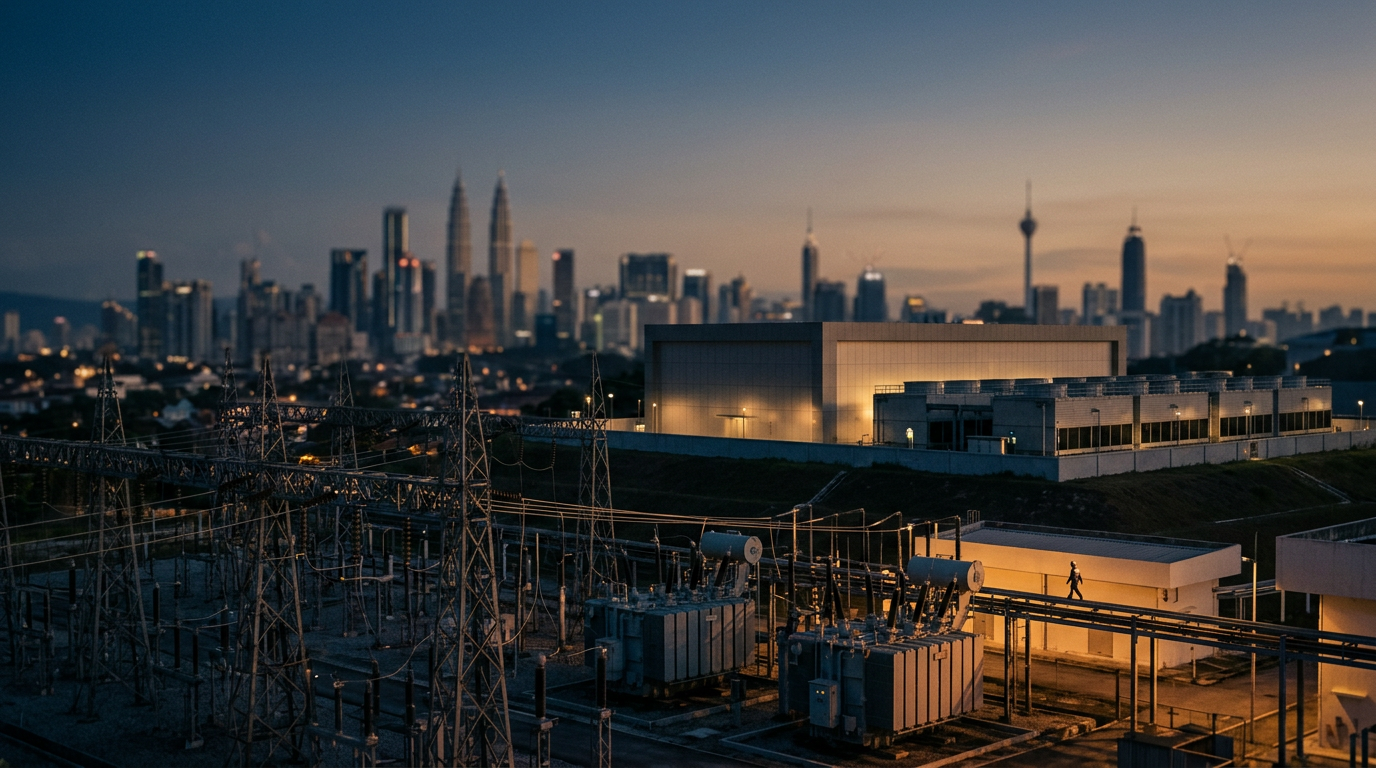
Recent volatility in Malaysia's spot electricity market highlights the tension between market liberalization and the need for stable, predictable energy infrastructure.
 Malaysia
's Electricity Market: A Test of Institutional Reliability
Soaring spot electricity prices in Malaysia are a test for its institutions. The stability of the grid and household bills depends on more than just announcements; it requires a usable state and infrastructure that arrives on time.
 Malaysia
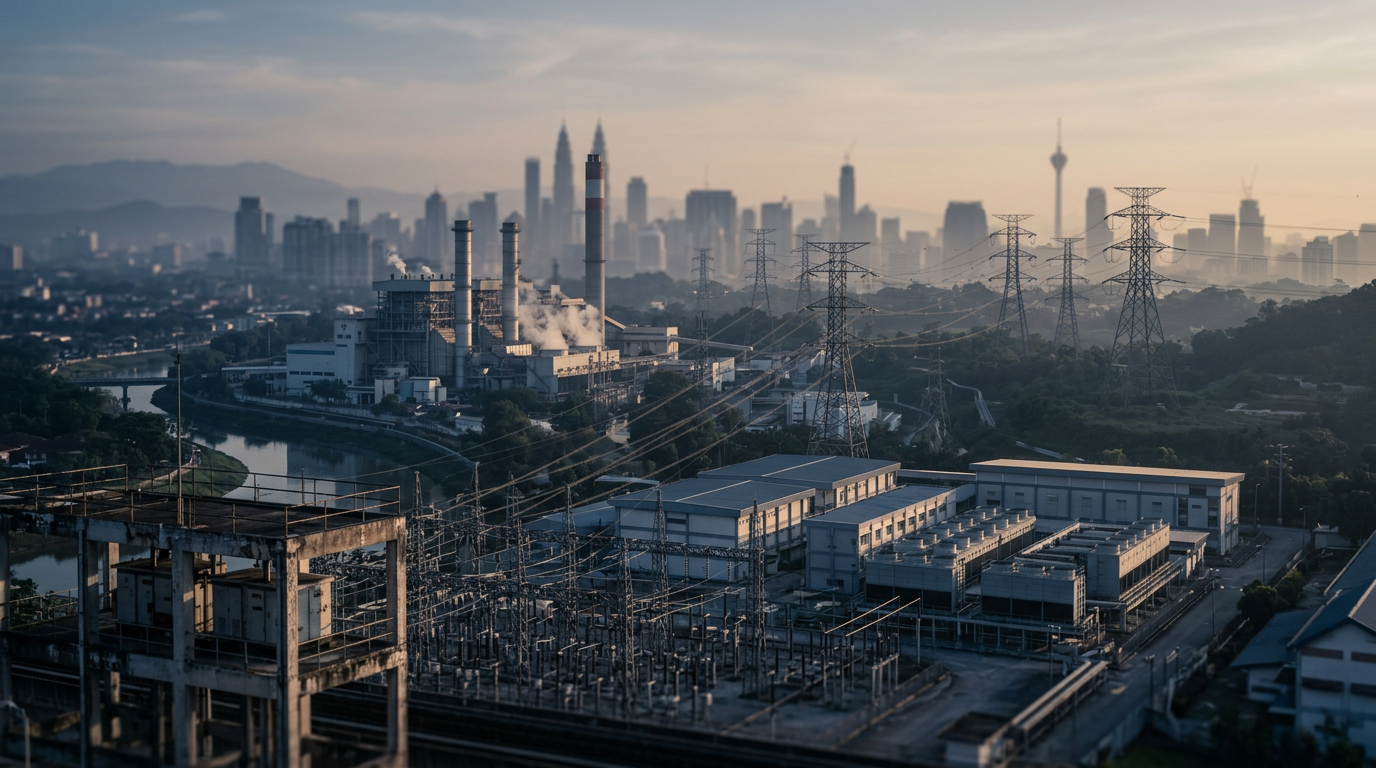
's Electricity Market: A Test of Institutional Reliability
Rising spot electricity prices in Malaysia are not just a headline-they are a test of the country's energy institutions and their capacity to manage market-based systems while ensuring stable, long-term power supply.
 Malaysia
's Electricity Market Reform Tests State Capacity
Malaysia's electricity market reform, driven by high spot prices, is a test of institutional reliability and state capacity. The success of these reforms will depend on execution, not just announcements.
 Malaysia
's Electricity Market Stress Test
Recent electricity price spikes in Malaysia are a reminder that a usable state is more valuable than an exciting one. Market reforms are not just about market design, but also about execution and institutional capacity.
 Malaysia
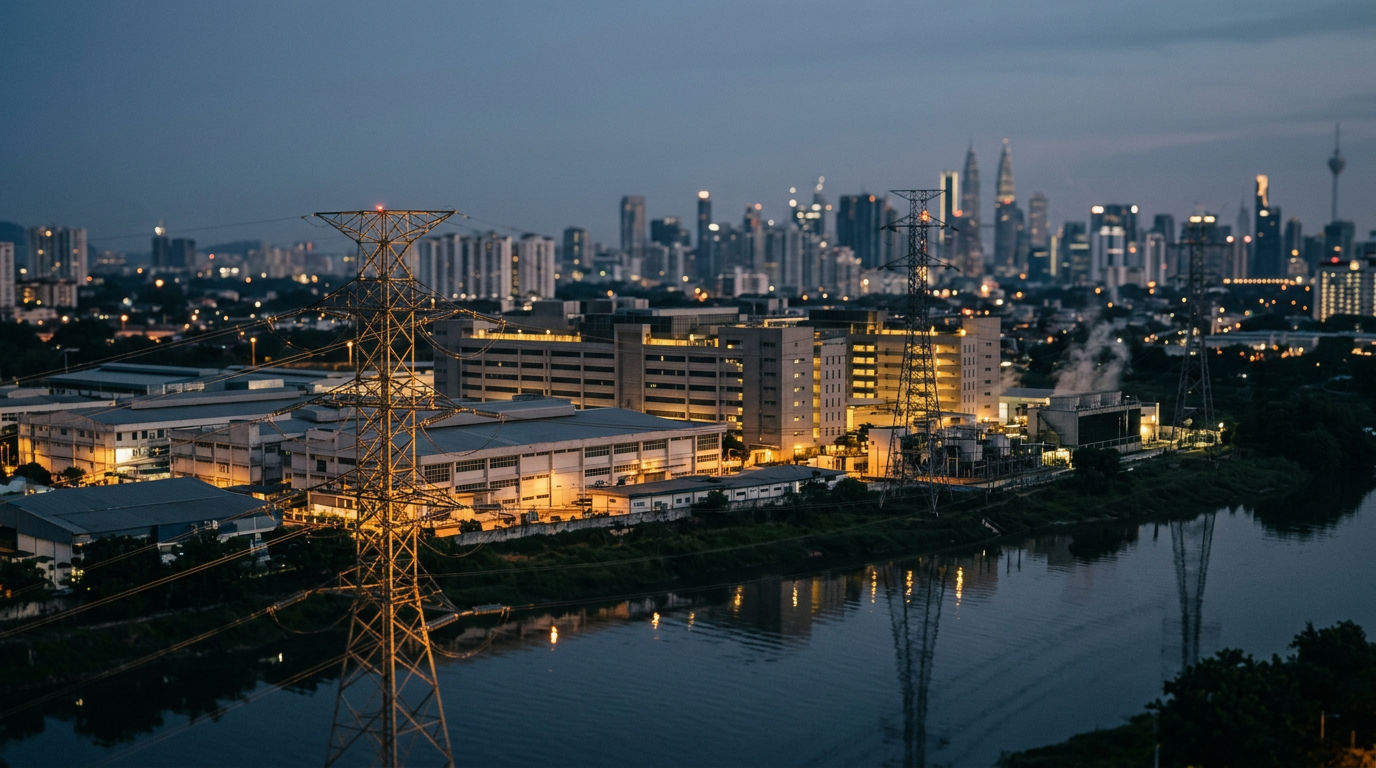
's Electricity Price Spike Tests Institutional Reliability
A recent surge in spot electricity prices in Malaysia highlights the tension between market forces and the need for predictable infrastructure costs, a core theme of regional economic development.
 Malaysia
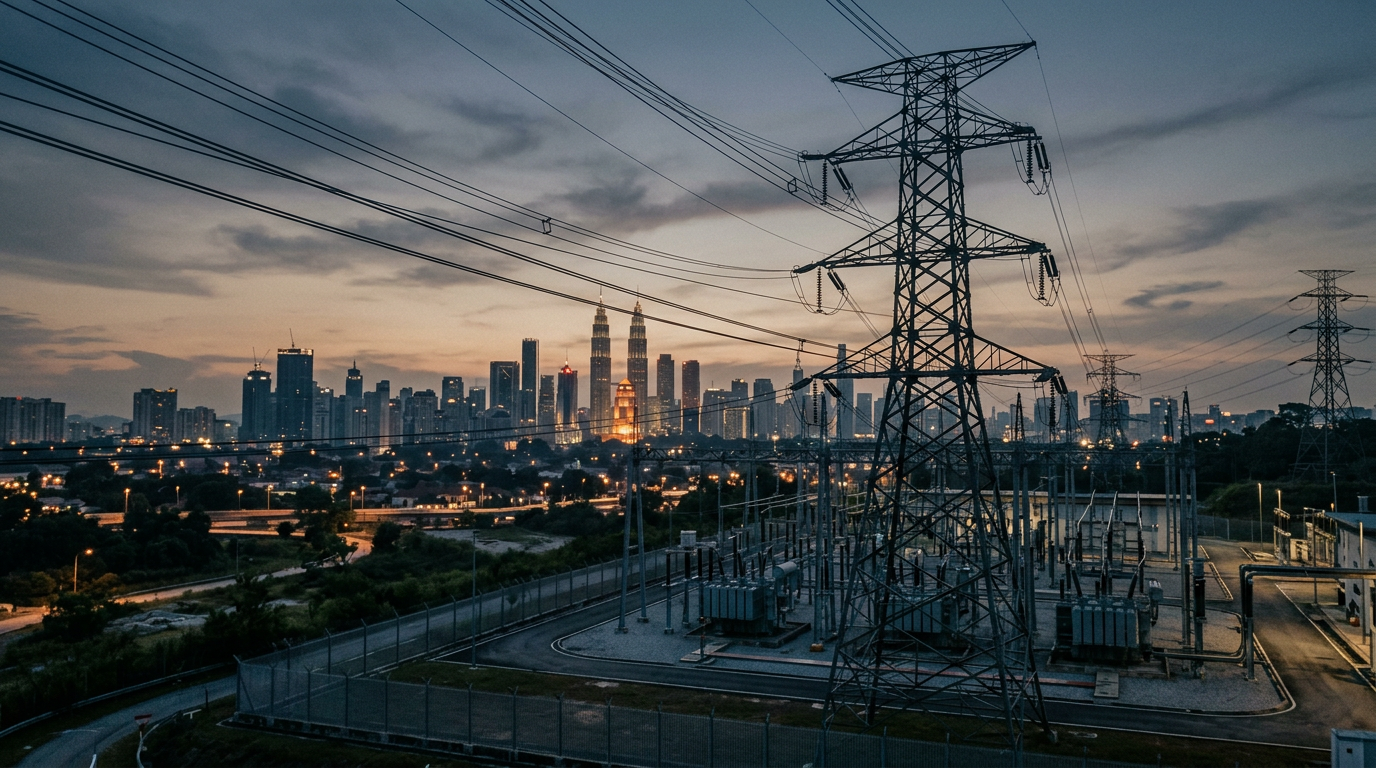
's Electricity Market Reform: A Test of Institutional Reliability
Malaysia's electricity market reform, prompted by rising spot prices, tests the country's ability to build reliable institutions and attract long-term investment in its energy sector.
 Malaysia
's FDI Wins Meet the Test of Execution
Mondelez International's new investment in its Shah Alam production facility is a positive signal for Malaysia, but the real work for any large investor begins after the announcement. Turning FDI promises into reality requires a continued focus on institutional capacity.

 Singapore
, Malaysia, and the Hyperscale Data Centre Surge
PwC forecasts Singapore's yearly data centre investment to hit US$19.2 billion by 2050. This is part of a regional boom, with Malaysia also attracting significant investment. The key to success is not just capital, but the coordination of infrastructure, a theme central to.
 Singapore
, Malaysia, and the data-centre buildout
A recent PwC forecast on data-centre investment shows how Singapore's established ecosystem and Malaysia's emerging scale are shaping Southeast Asia's digital infrastructure. The ability to coordinate capital, utilities, and planning remains the key differentiator.
 Singapore
, Malaysia, and the data-centre buildout
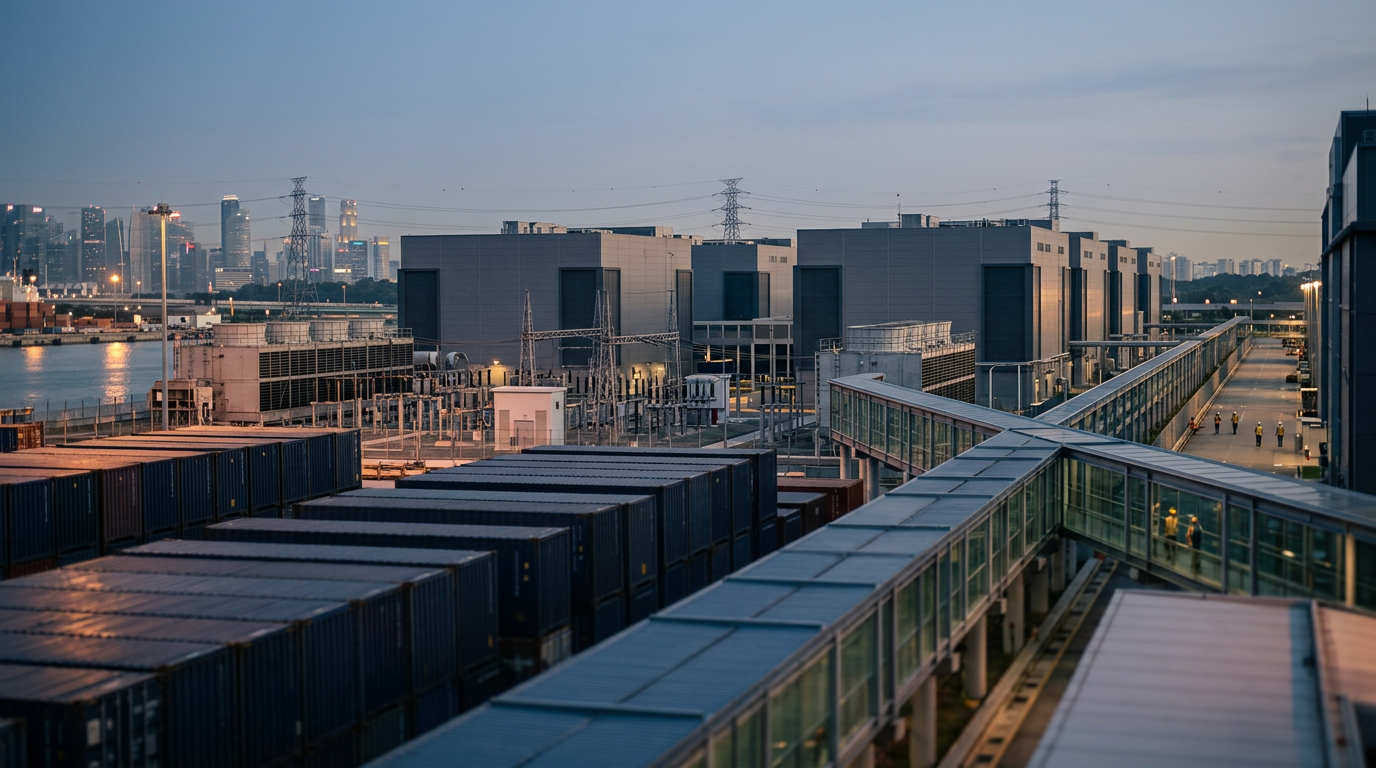
PwC forecasts Singapore's annual data centre investment to reach US$19.2 billion by 2050, up from US$7 billion in 2026. This is part of a US$1.29 trillion regional surge in which Malaysia is also participating. For Singapore, the challenge is not just attracting capital, but.
 Singapore
Aligning Power, Planning, and Capital in ASEAN Data Centres
A recent PwC forecast on data centre investment in Singapore and Malaysia highlights the importance of aligning infrastructure, from power grids to network connectivity. Where these elements are coordinated, hyperscale capacity follows.
 Singapore
Data Center Investment Tests ASEAN Integration
A recent PwC forecast for data center investment in Singapore and Malaysia is a concrete example of a theme from "ASEAN Rising": capital follows coordination. Where utilities, planning, and connectivity align, hyperscale capacity follows.
 Singapore
, Malaysia, and the data-centre buildout: not just about power
PwC projects a data-centre investment surge in Singapore and Malaysia. While power is a necessary input, it is not sufficient. Capital coordination across utilities, planning, and connectivity is what makes hyperscale capacity possible.
 Malaysia
's AI Infrastructure Ambitions Face a Sovereignty Test
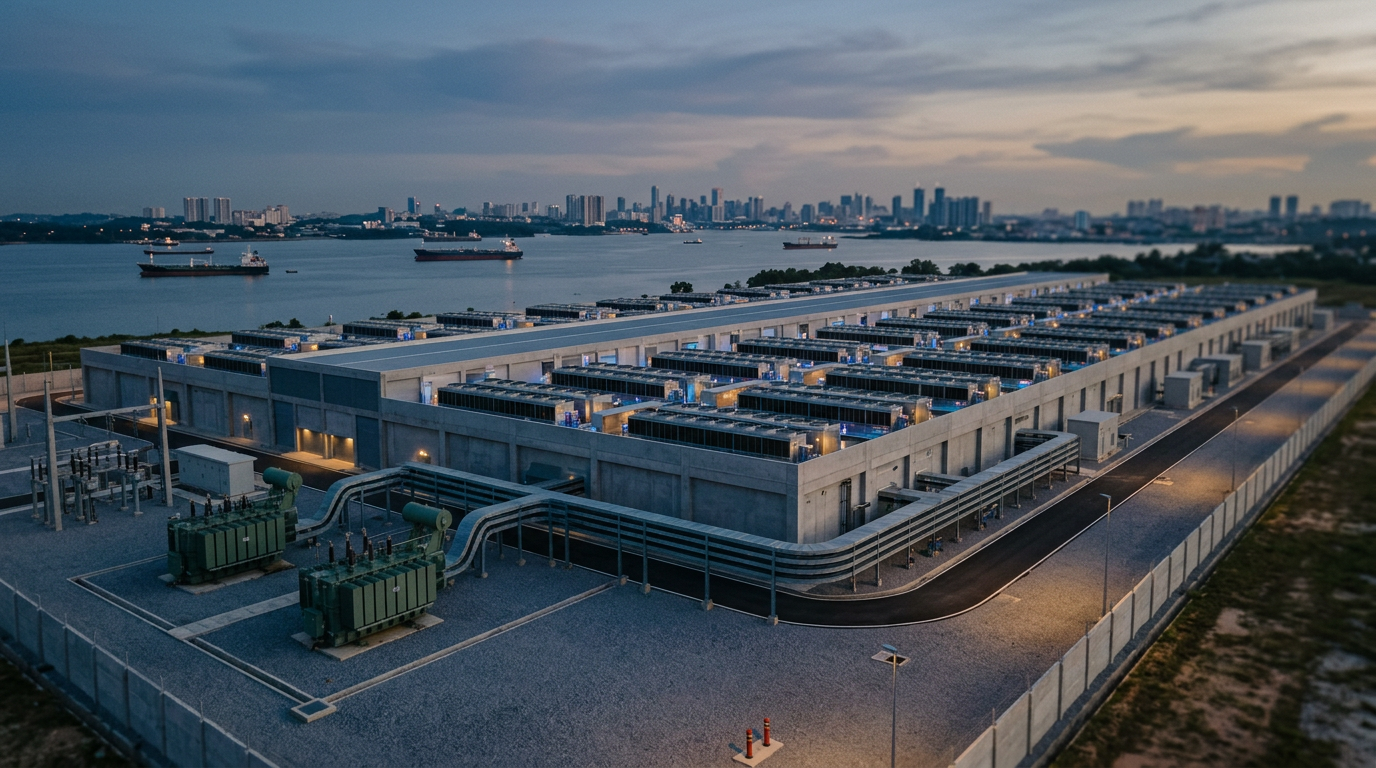
A major new data center in Johor, Malaysia highlights the region's growing AI ambitions, but the underlying questions of control over compute, data, and digital identity will determine the long-term economic benefits for ASEAN.
 Malaysia
 Navigates the China Trade Nexus
Malaysia's export strength, particularly in electronics, highlights a deep, structural trade relationship with China. For Kuala Lumpur, as for other ASEAN capitals, the focus is now on managing this dependency while maintaining strategic flexibility.
 Malaysia
's Semiconductor Boom and the China Question
Malaysia's semiconductor success, fueled by AI and data center demand, highlights a deeper structural reality for ASEAN: managing economic dependency on China while preserving strategic options.
 Malaysia
Petronas LNG and the Value of a Usable State
Petronas LNG, the gas flagship of Malaysia's national energy company, is expanding its role from a gas exporter to a full-service energy solutions partner. This move highlights a deeper theme in regional development: the growing importance of reliable institutions and execution.
 Malaysia
's LRT Build Highlights the Value of Execution
A 45-day road closure in Penang for the LRT Mutiara Line is a small example of a larger regional theme: the tangible, if disruptive, process of building infrastructure is a better signal of progress than ambitious announcements alone.
 Malaysia
's Data Center Boom Needs More Than Power
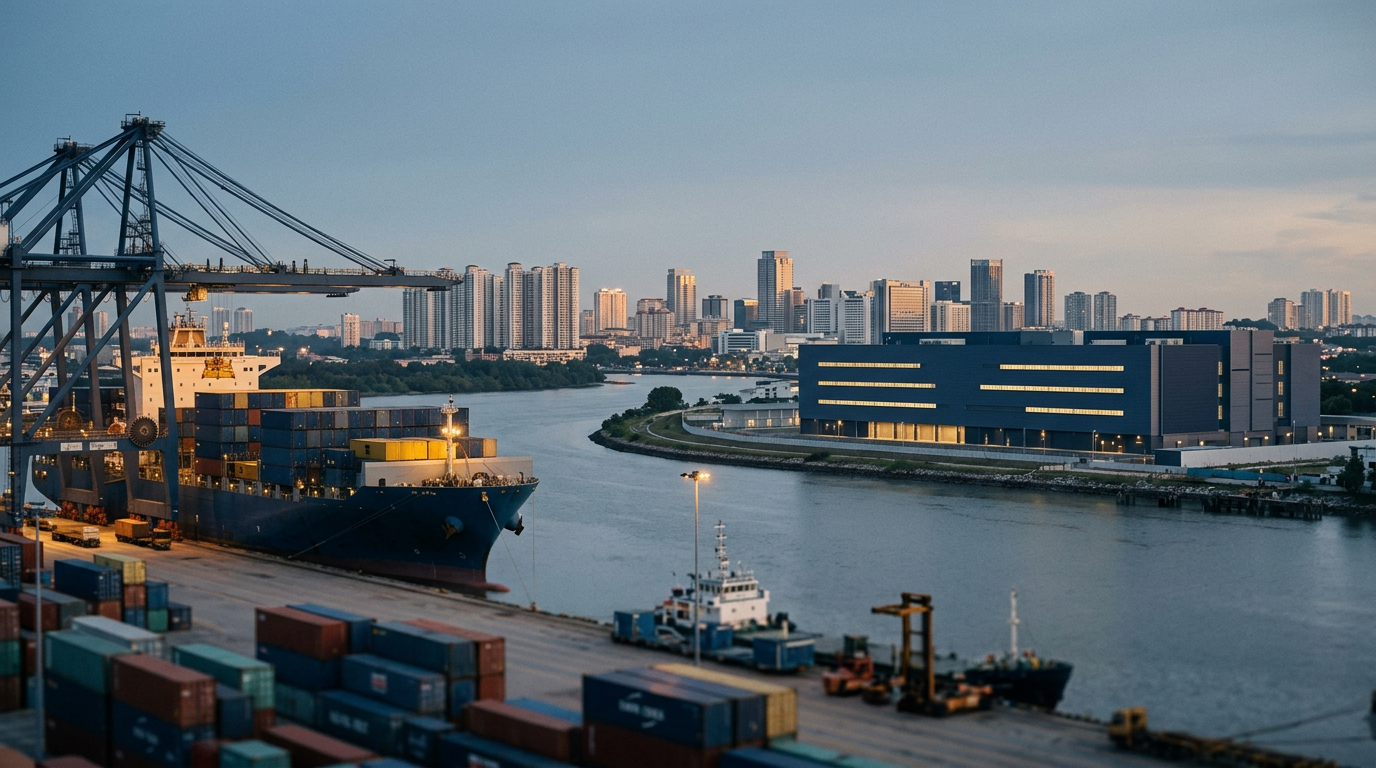
Malaysia's data center boom is real. But to compete with Singapore and lead the region, Johor needs more than land and power. It needs to master the complex art of capital coordination.
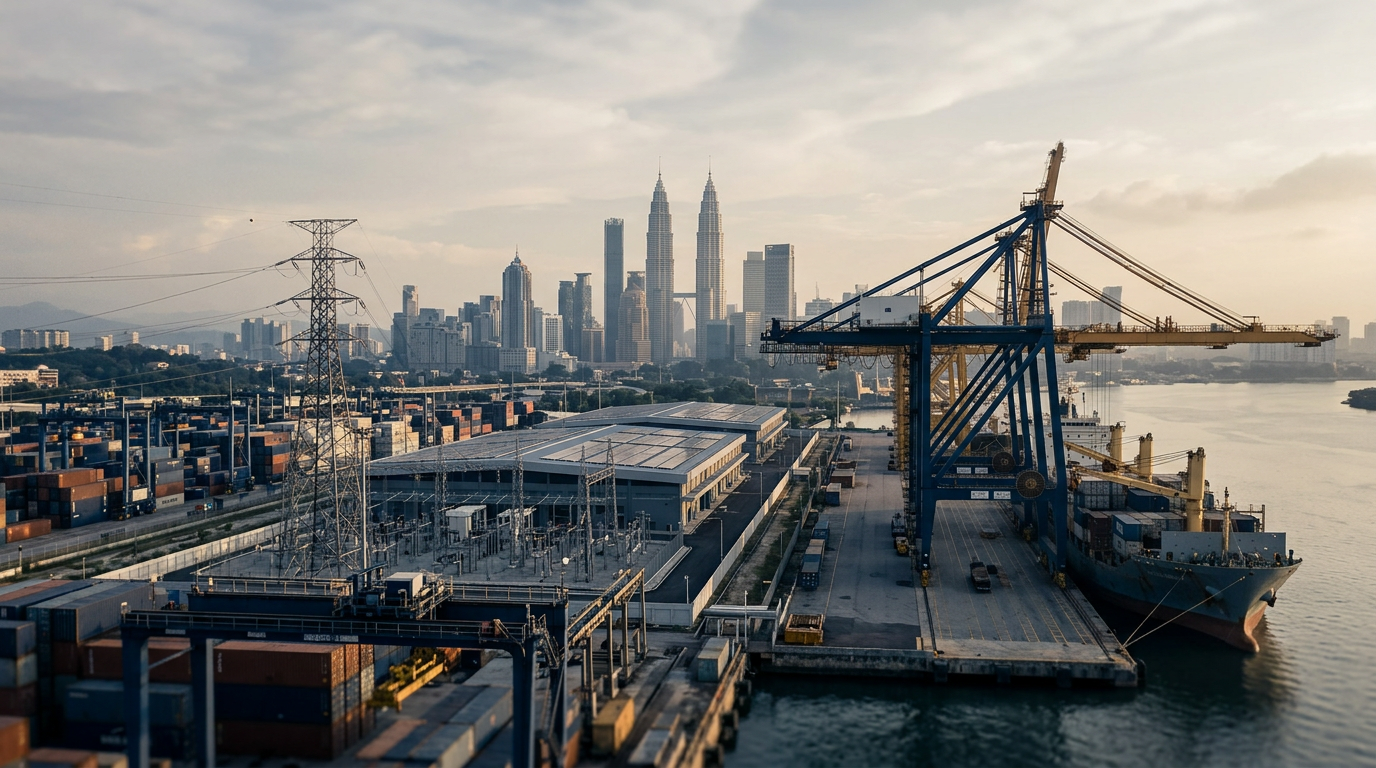 Malaysia
's Aerospace Ambition Needs Institutional Depth
Malaysia's aerospace industry is attracting foreign investment. But turning announcements into reality requires stronger institutions to deliver land, power, and talent.
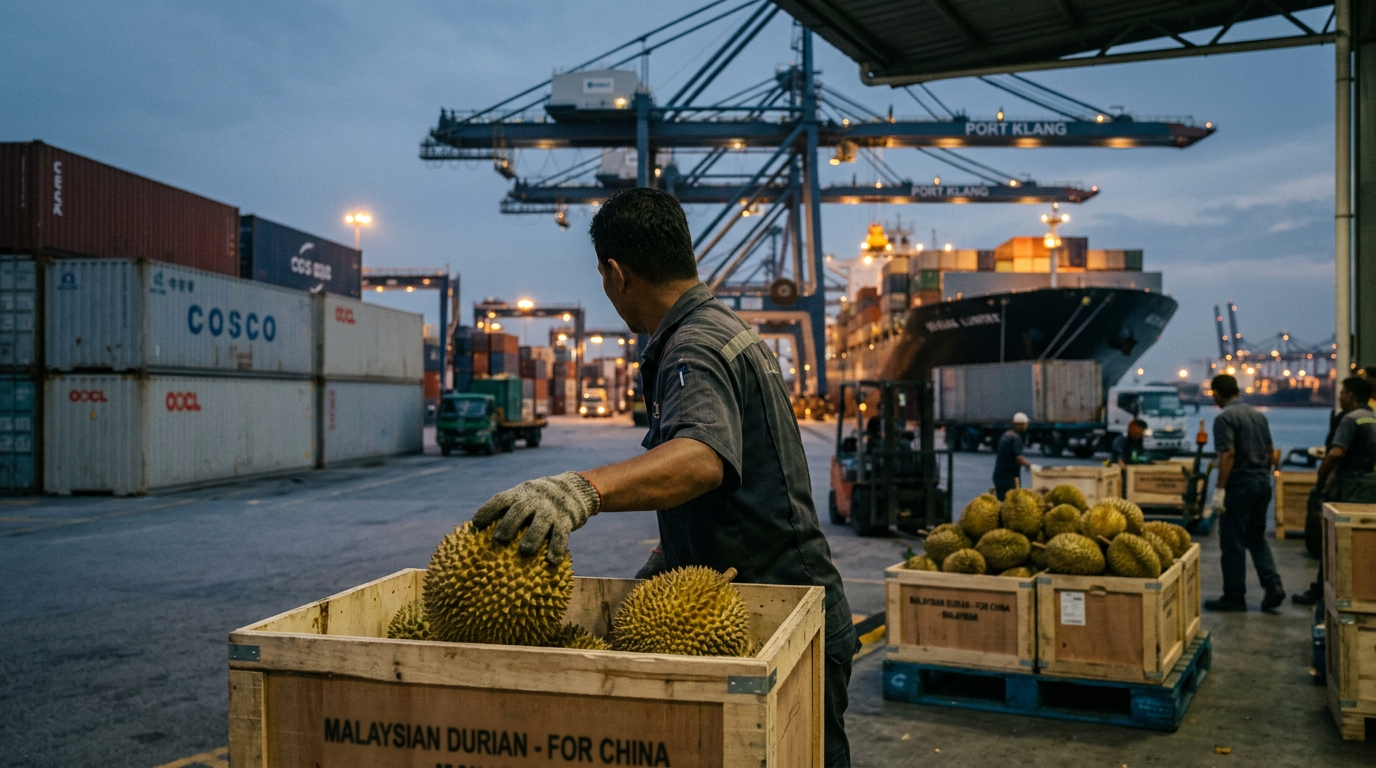 Malaysia
 Tests a New Recipe for Durian Diplomacy With China
China's appetite for Malaysian durians offers a case study in ASEAN trade strategy: how to manage economic dependency on a single large partner without losing strategic options.
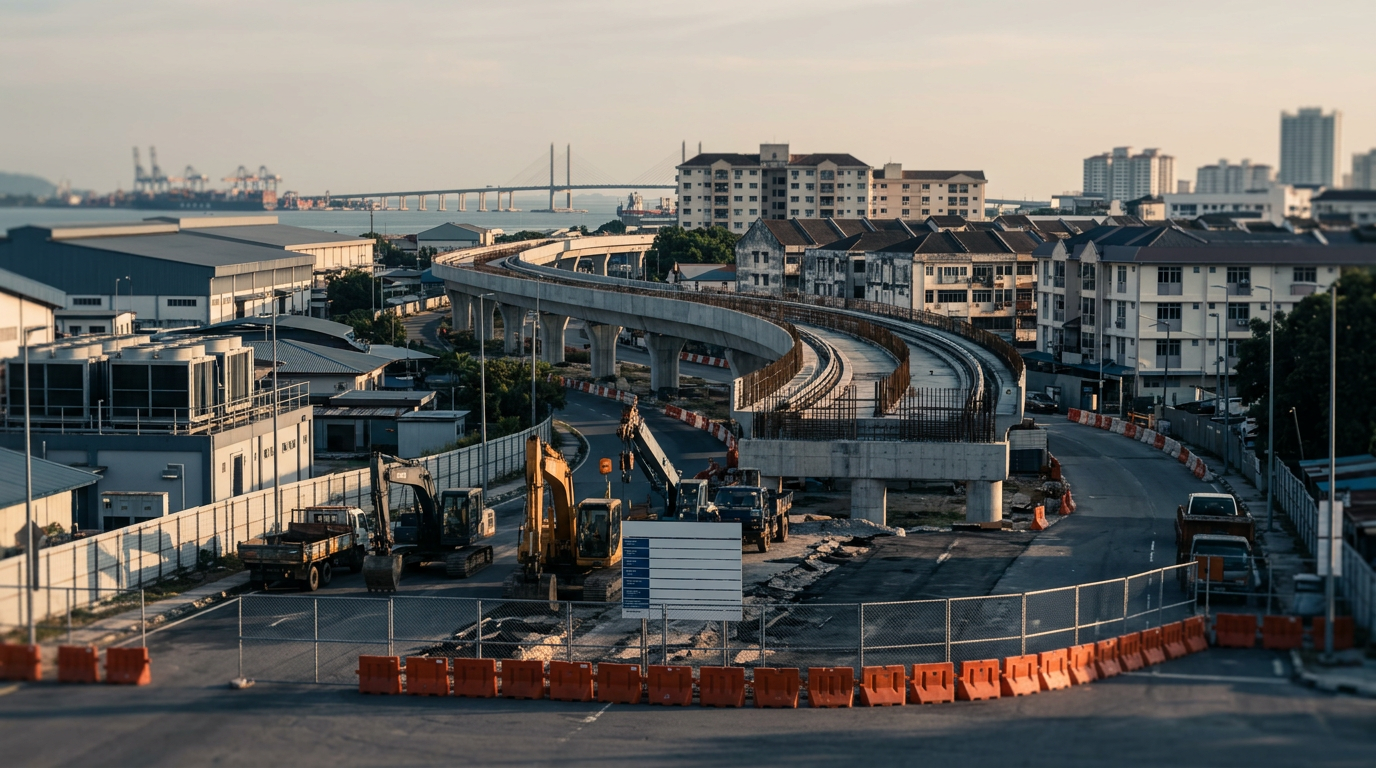 Malaysia
Penang's LRT Build Tests the Value of Predictable Infrastructure
A 45-day road closure for Penang's LRT Mutiara Line highlights the tension between ambitious infrastructure goals and the daily costs of construction, a key theme in Malaysia's economic development.
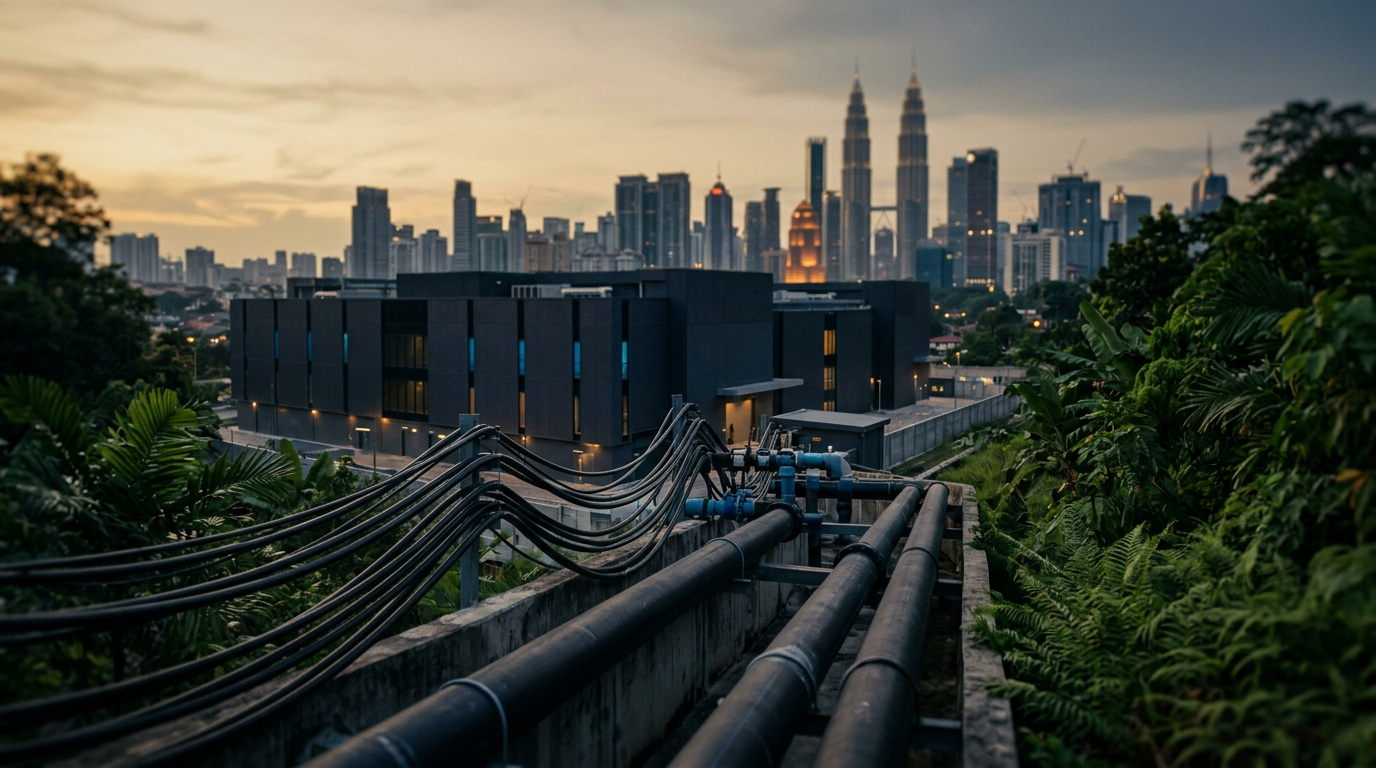 Malaysia
's data center boom tests its infrastructure coordination
The rapid growth of data centers in Malaysia is a significant economic win, but it also presents a serious test of the country's ability to coordinate its infrastructure, particularly water and power resources. Success will depend on more than just attracting investment; it.
 Malaysia
's Semiconductor Ambitions and the China Question
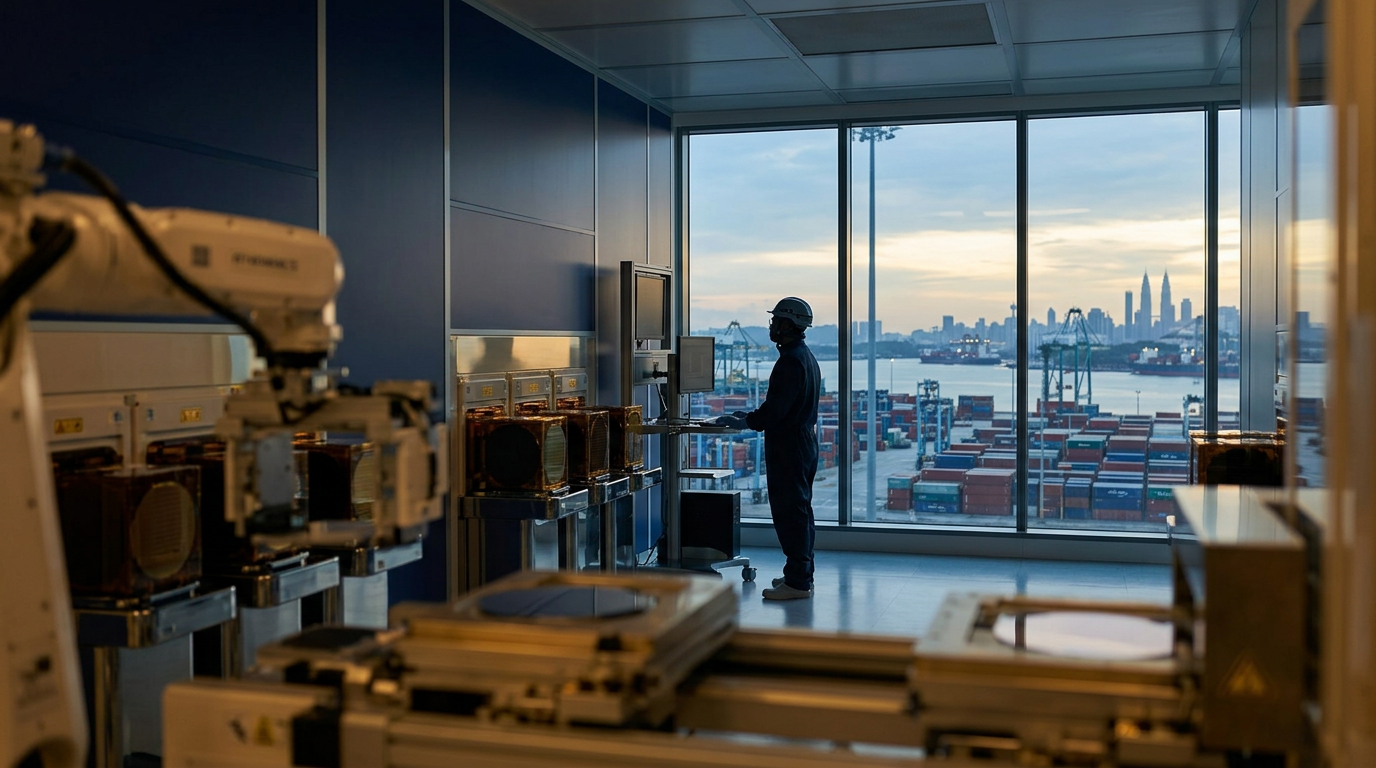
Malaysia has long been a quiet giant in the global semiconductor industry, but its ambition is growing. As it seeks to move up the value chain, it must navigate its deep economic ties with China while managing strategic dependencies.
 Malaysia
, India, and the semiconductor play
Malaysia seeks to expand its semiconductor collaboration with India, but the real test lies in building the institutional capacity and talent base to move up the value chain.