Malaysia
's Data Center Ambitions Test Its Power Grid
A new partnership between Meralco PowerGen and VITRO REIT to build renewable energy-powered data centers in Malaysia highlights the country's growing pains. While attracting hyperscale investment is a goal, the strain on the national power grid reveals the necessity of.
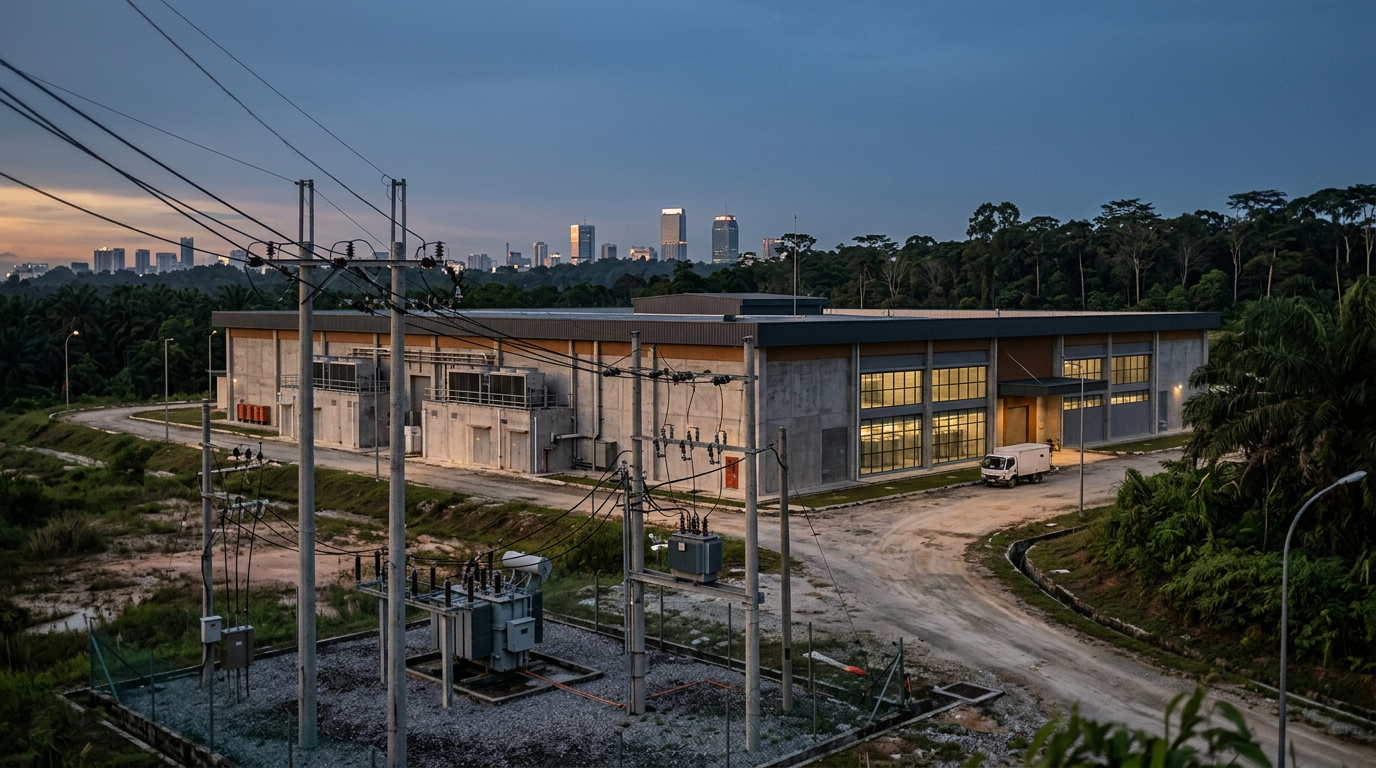
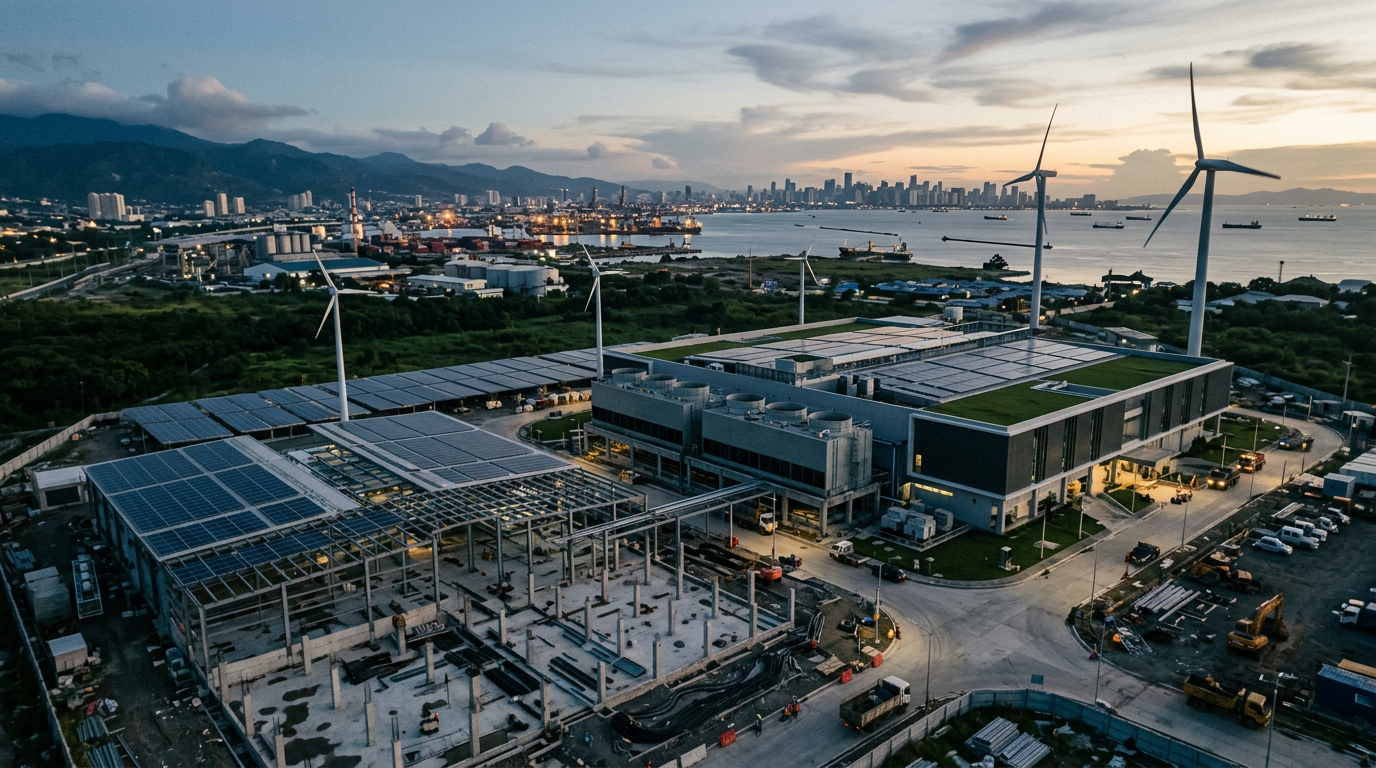
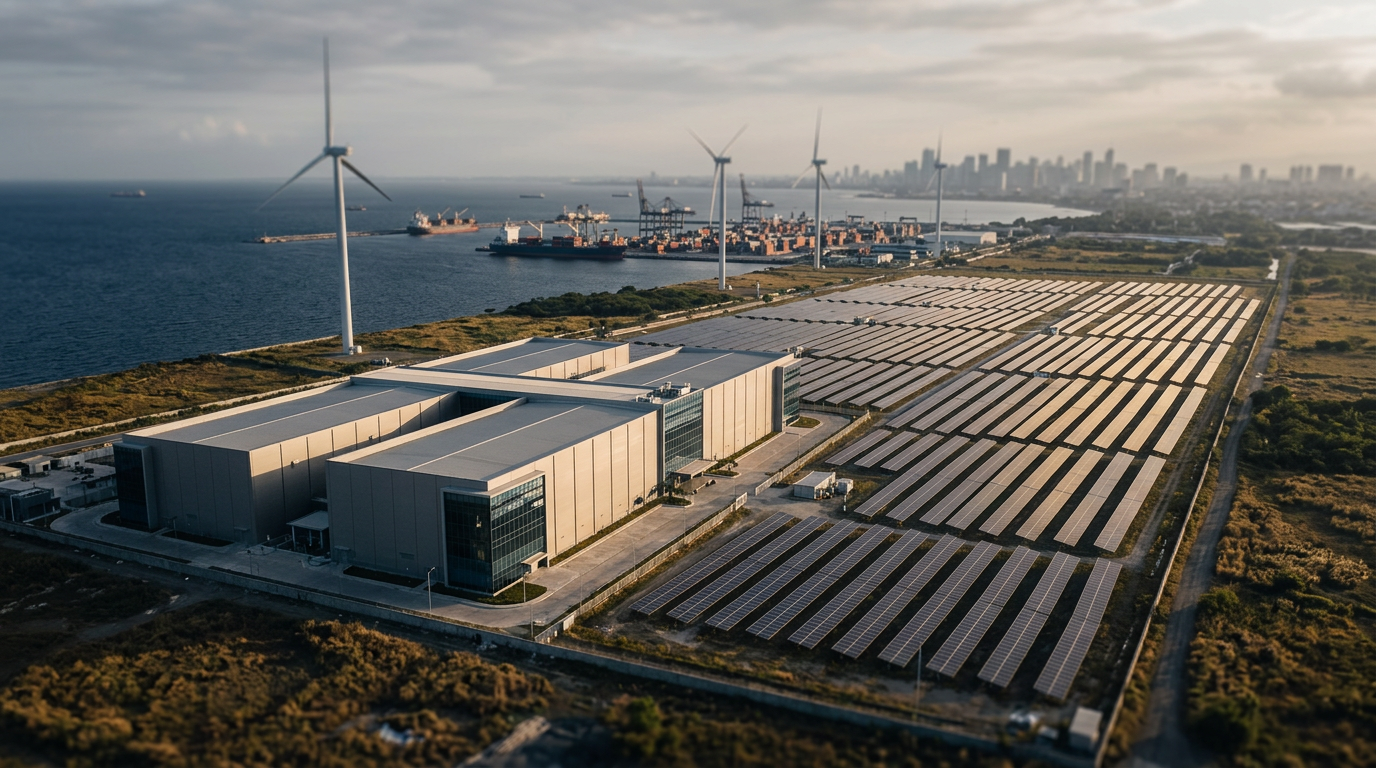
A recent partnership between Meralco PowerGen Corp. and PLDT's VITRO REIT Inc. to develop data centers in Malaysia powered by renewable energy, reported by philstar.com, signals a growing trend. As hyperscalers look to expand their footprint in Southeast Asia, Malaysia has emerged as an attractive destination. However, the rapid expansion of this power-hungry industry is creating significant challenges for the country's energy infrastructure, forcing a conversation about the balance between growth and grid stability.
The Strain on the Grid
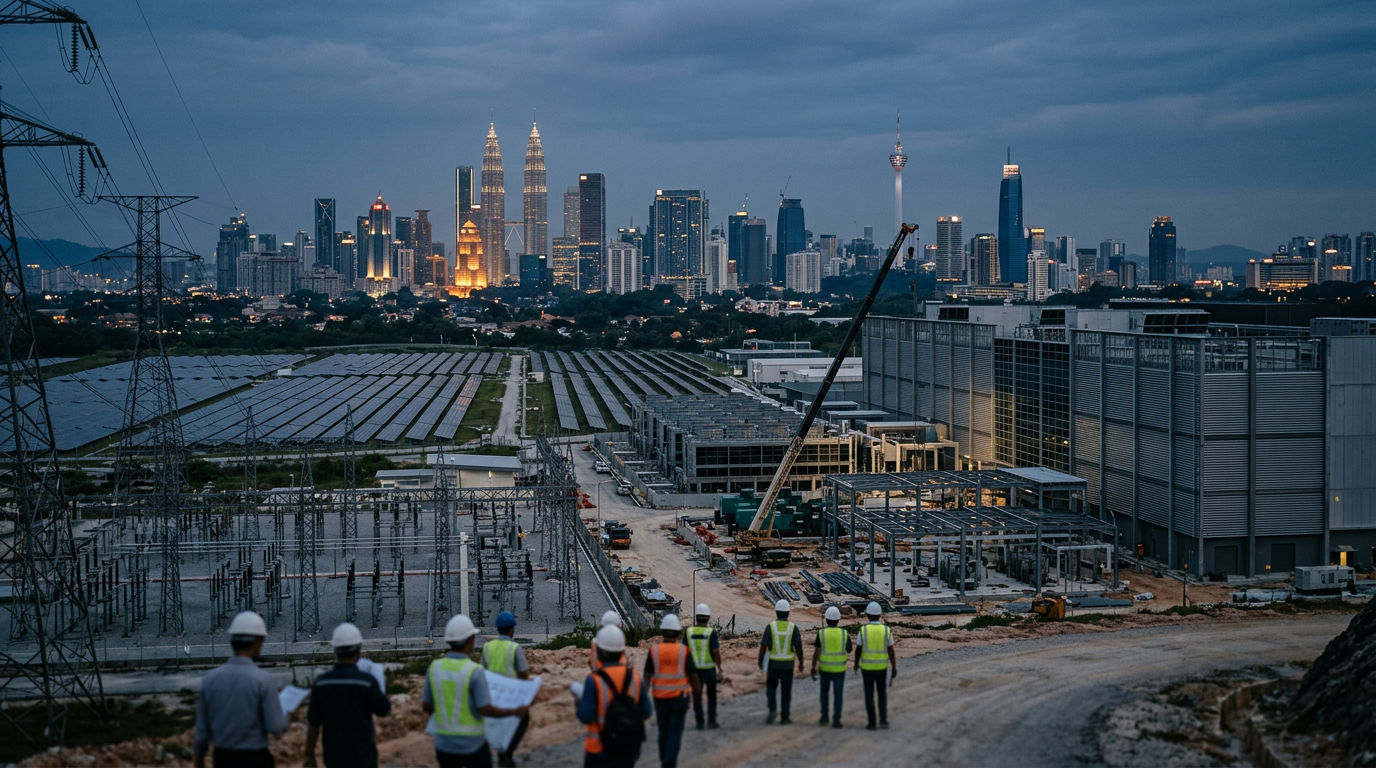
Malaysia has actively courted data center investments, but the energy demand from these facilities is substantial. The national utility, Tenaga Nasional Berhad (TNB), has noted the intense power requirements of new hyperscale projects, leading to a temporary suspension of new applications in certain high-demand areas. This pause reflects a growing concern over the grid's capacity to keep up with the industry's exponential growth. The push for data centers powered by renewable energy, like the MGEN-VITRO venture, is a response to these pressures, but it also introduces its own set of complexities regarding supply consistency and grid integration.
The Coordination Imperative
The situation in Malaysia illustrates a core principle: attracting high-value industrial investment requires more than just available land or tax incentives. As detailed in "ASEAN Rising", "Capital coordination is itself an industrial input." The success of data center hubs depends on the seamless integration of utilities, planning, and connectivity. When these elements are not synchronized, even abundant resources cannot guarantee a project's viability. The challenges in Malaysia are not about a lack of ambition but about the execution of a coordinated industrial strategy where power generation and transmission are developed in lockstep with hyperscale demand.
What to watch
The Malaysian government's response to the strain on its power grid will be a key indicator of its long-term strategy for digital infrastructure. Observers should monitor how TNB and Malaysian regulators adapt their planning and approval processes. The ability of the country to upgrade its grid and successfully integrate large-scale renewable energy sources will determine if it can sustain its momentum in attracting top-tier data center investments or if infrastructure bottlenecks will redirect capital to other markets in the region.