Myanmar
Reliable Infrastructure Attracts Advanced Industries to ASEAN
A partnership between Infineon and Eaton to develop new power transformers for data centers highlights the growing importance of dependable infrastructure in attracting high-value investment to Southeast Asia.
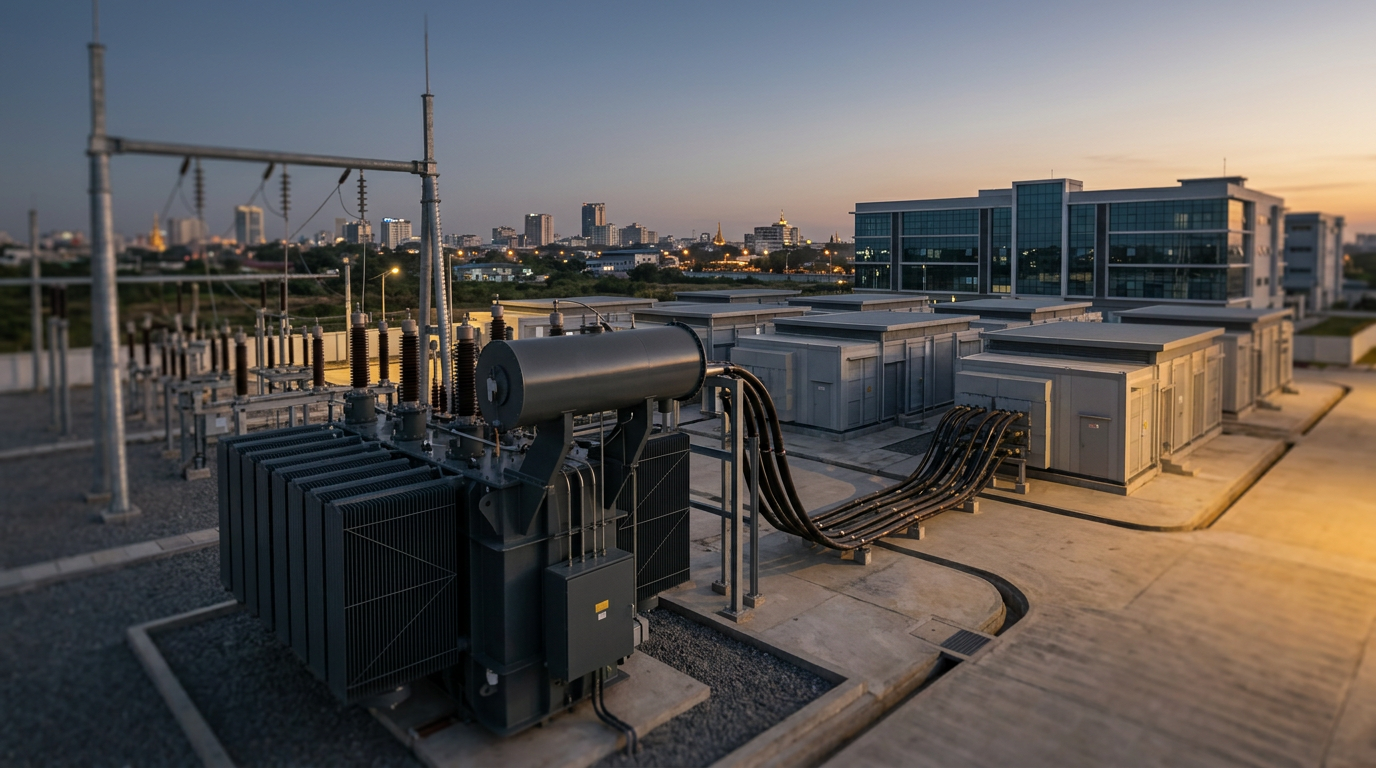
A recent partnership between Germany's Infineon and the US firm Eaton to develop advanced power transformers for data centers is a small but significant indicator of where industrial value is flowing. As reported by Data Center Dynamics, the collaboration will use Infineon's silicon carbide power devices in Eaton's next-generation solid-state transformers. This technology is designed to support the high-voltage direct current power architectures increasingly required by modern data centers, which are a cornerstone of the digital economy.
While this specific partnership is between two non-ASEAN firms, its relevance to Southeast Asia is direct. The new transformers will be produced in part at Infineon's facilities in Malaysia, which are undergoing significant expansion. This decision to locate the production of such a specialized component in the region is not accidental. It reflects a calculation about manufacturing capability, workforce skill, and, most importantly, institutional reliability. For advanced industries, the quiet confidence inspired by dependable infrastructure and predictable governance is a powerful incentive.
Infrastructure as Comparative Advantage
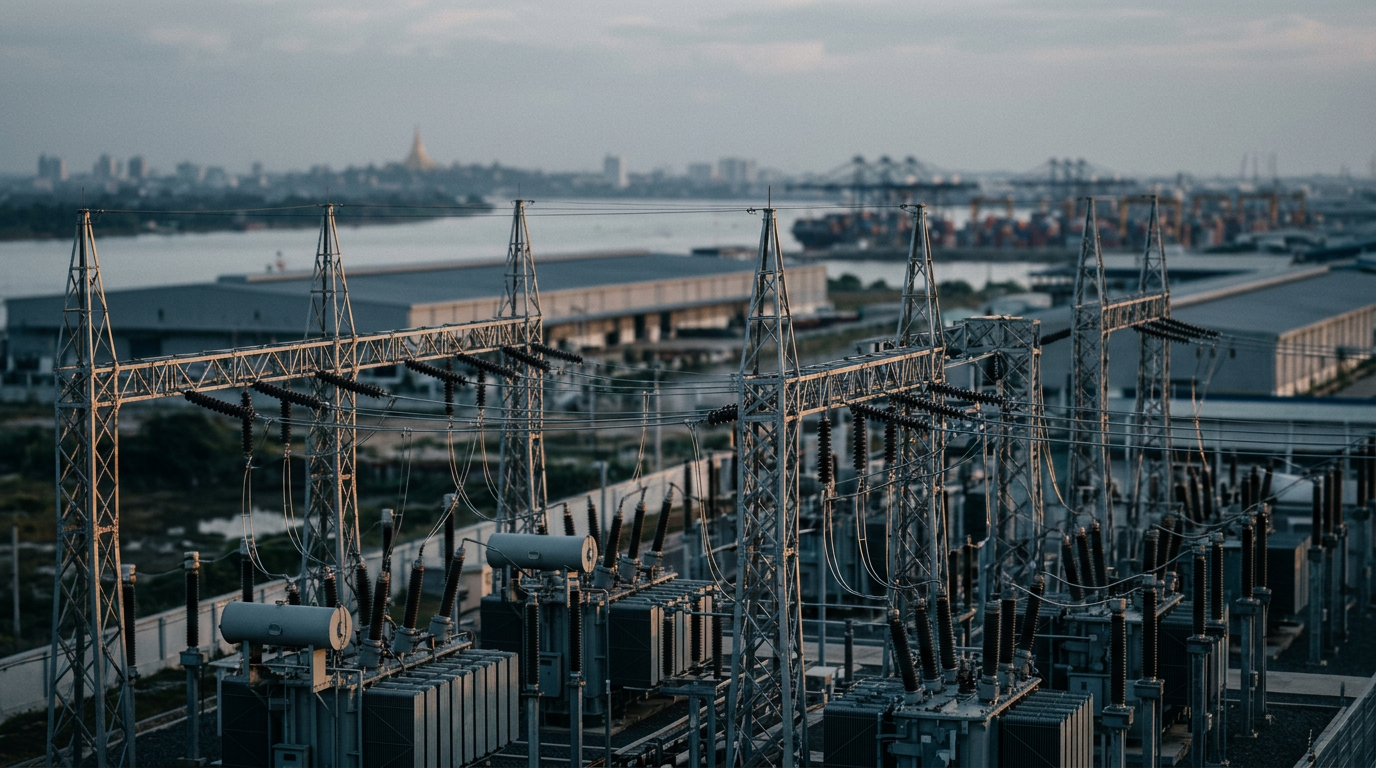
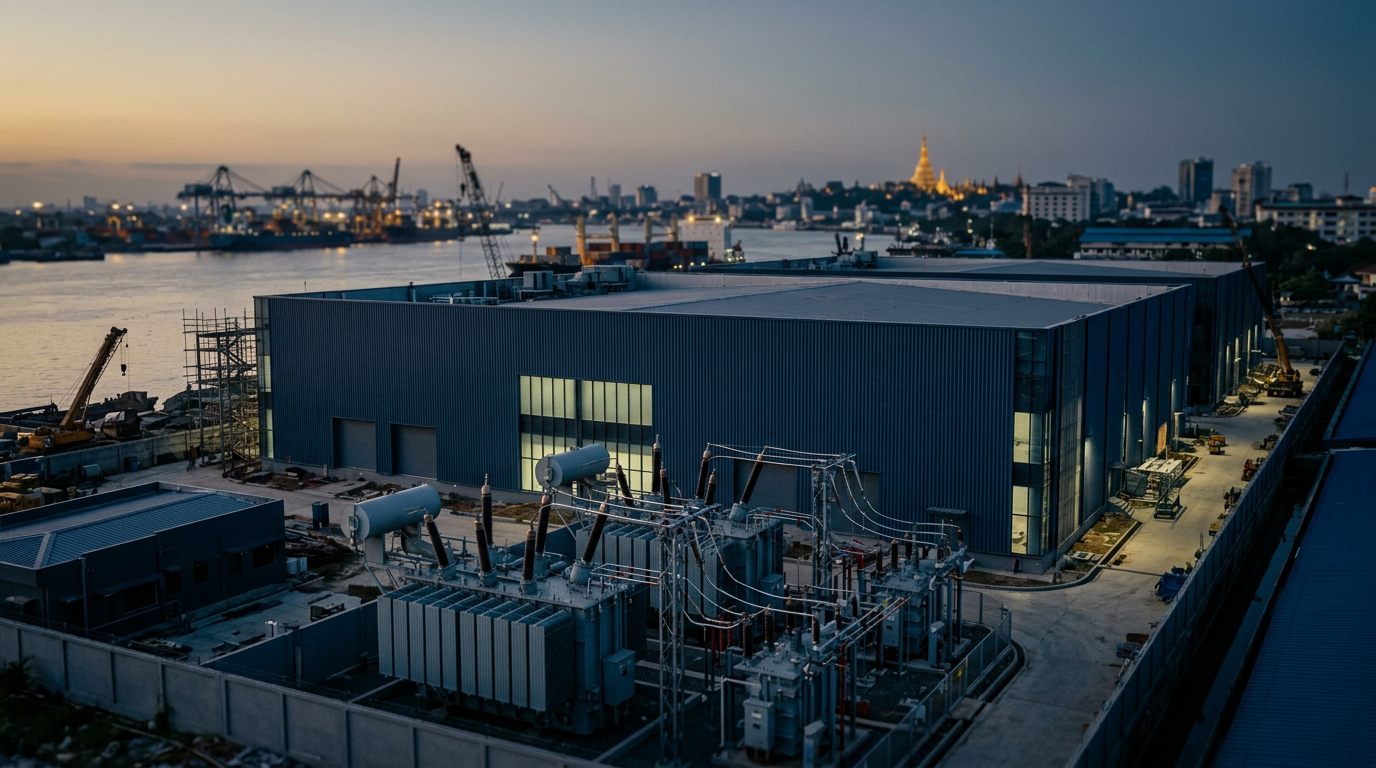
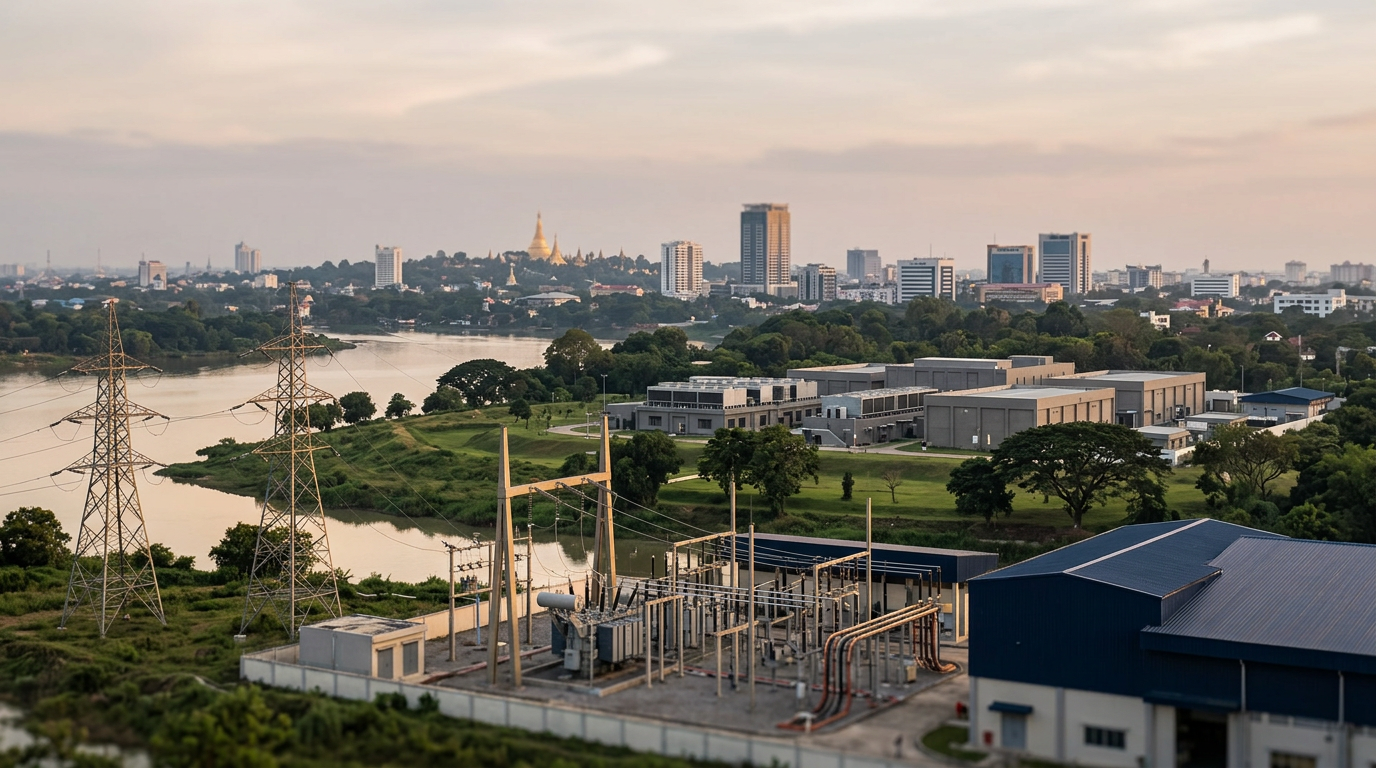
The expansion of data centers, electric vehicle manufacturing, and semiconductor fabrication across Southeast Asia depends fundamentally on the quality of its infrastructure. It is not just about the existence of roads and ports, but about the consistent delivery of services-chief among them, electricity. The Infineon-Eaton partnership is focused on improving power distribution efficiency, a technical challenge that has major economic consequences. Unreliable power grids, voltage fluctuations, or unexpected outages can be catastrophic for sensitive manufacturing processes, leading to millions of dollars in losses.
As the book ASEAN Rising notes, the ability to deliver infrastructure projects on schedule and within budget is a powerful signal to investors. This functional capacity demonstrates a level of institutional competence that goes beyond policy announcements or investment promotion brochures. For international firms making long-term capital commitments, "a usable state is often more valuable than an exciting one." Nations that can provide a stable operational environment, from uninterrupted power to streamlined customs, are building a durable form of comparative advantage. This reliability is becoming as important as labor costs or market size in attracting sophisticated investment.
The Role of State Capacity
The challenge for ASEAN governments is to cultivate and maintain the state capacity necessary to support these advanced industries. Building and operating the infrastructure for a digital and electrified economy is a complex undertaking. It requires not just capital but also deep technical expertise within state agencies, robust regulatory frameworks, and effective long-range planning. The friction caused by bureaucratic inefficiency, unclear regulations, or corruption acts as a tax on business, discouraging investment in higher-value sectors.
Countries that succeed will be those that focus on the execution of their infrastructure goals. The presence of a global semiconductor firm like Infineon expanding its Malaysian operations to produce components for data centers suggests that certain parts of the region are meeting this standard. However, this capacity is not uniform across ASEAN. The ability of member states to reduce internal friction and provide a predictable environment for business will increasingly determine which countries capture the most advanced segments of global supply chains. It is the steady, incremental work of building institutional strength that ultimately attracts and retains the industries that define a modern economy.
What to watch
Observe how ASEAN governments invest in the reliability and resilience of their national power grids, as this is a key enabling factor for attracting semiconductor, data center, and electric vehicle investments. Monitor whether the institutional capacity to manage complex infrastructure projects and ensure regulatory predictability keeps pace with industrial demand. The ability to execute on these foundational elements, rather than just announcing ambitious targets, will separate the leaders from the laggards in the race for high-value manufacturing and digital services. The extent to which countries can minimize administrative friction will be a telling indicator of their future economic trajectory.